Greece
Europa
Greece is the most fragmented country in Europe: some six thousand islands and islets and a peninsula crossed by mountains have produced a very high degree of biological isolation and one of the richest floras on the continent. The northern mainland keeps the dense forests of the Pindus and wetlands such as the Prespa lakes, where the largest Dalmatian pelican colony in the world breeds, and the Dadia forest, which brings together cinereous, griffon and Egyptian vultures in the only breeding colony of cinereous vulture in the Balkans. Crete adds deep gorges such as Samariá, with its endemic wild goat, and an island flora full of endemics. The Ionian and Aegean coasts are nesting grounds for the loggerhead turtle, and the waters of the Sporades hold the most endangered marine mammal in Europe.
The nature of Greece
National animal: The dolphin is the de facto emblematic animal; the owl was the symbol of classical Athens
Did you know?
The Mediterranean monk seal, so common in antiquity that it appeared on Greek coins and in the writings of Homer and Aristotle, was reduced to a few hundred animals sheltering in sea caves that are hard to reach. Greece holds most of the world population, above all in the Alonissos marine park, and the recovery has been solid enough for the IUCN to keep downgrading its threat category from Critically Endangered to Vulnerable.
Biodiversity profile
Climate
- •Mediterraneo (Csa) en la mayor parte del territorio e islas
- •Clima de montaña en el norte (Pindo)
Main biomes
- •Bosque y matorral mediterraneo (bioma dominante)
- •Bosque de montaña en el macizo del Pindo (norte)
- •Ecosistemas insulares unicos en las mas de 6.000 islas y islotes griegos
- •Matorral mediterráneo
- •Garganta caliza
- •Bosque de montaña del Pindo
- •Lago somero
- •Cueva marina
- •Isla y islote árido
- •Pradera de posidonia
Marine and coastal ecosystems
- •Extenso litoral egeo y jonico, con praderas de posidonia y playas de anidacion de tortuga boba (Zakynthos)
Flagship wildlife
- •Oso pardo (macizo del Pindo)
- •Lince euroasiatico (poblacion relictual)
- •Foca monje del Mediterraneo (una de las mayores poblaciones mundiales remanentes en aguas griegas)
- •Tortuga boba (anidacion en Zakynthos)
- •Pelícano ceñudo
- •Buitre negro
- •Alimoche común
- •Lobo gris
- •Cabra montés de Creta
- •Delfín común
- •Flamenco común
Notable endemic species
- •Creta alberga 1.600 especies de plantas, con decenas de endemismos exclusivos de la isla
- •Grecia forma parte del hotspot mediterraneo, con 20-30% de tasas de endemismo entre las mas altas del mundo para la region en su conjunto
- •Cabra montés de Creta
- •Musaraña de Creta
- •Lagartija de Milos
- •Víbora de Milos
Notable threatened species
- •Foca monje del Mediterraneo (En Peligro, Grecia alberga una de las mayores poblaciones remanentes del mundo, menos de 700 individuos totales en toda la especie)
- •Tortuga boba (Vulnerable, playas de anidacion de Zakynthos entre las mas importantes del Mediterraneo)
Notable protected areas
- •Parque Nacional Marino de Zakynthos (tortuga boba)
- •Bosques Mediterraneos de Creta (35,26% de proteccion segun evaluacion ecorregional)
- •Parque Nacional de Prespa
- •Bosque de Dadia
- •Parque Nacional Marino de Alonisos
- •Parque Nacional del Olimpo
- •Garganta de Samariá
- •Parque Nacional Marino de Zante
Main conservation threats
- •Urbanizacion turistica costera (el Mediterraneo concentra 40% de su poblacion en la costa)
- •Incendios forestales cada vez mas intensos
- •Sobrepesca y perdida de praderas de posidonia, con proyeccion de perdida del 70% para 2050
Notable natural phenomena
- •Grecia alberga una de las poblaciones remanentes mas importantes de la foca monje del Mediterraneo, una de las focas mas amenazadas del planeta
Conservation
Zakynthos holds one of the largest loggerhead turtle nesting beaches in the Mediterranean, with a long history of conflict between tourism and protection. Dadia sustains the Balkan cinereous vulture through supplementary feeding stations and the fight against poisoning.
Where and when to watch wildlife
Alonissos between May and September for monk seals and seabirds. Prespa in spring for pelicans in breeding condition, their pouches stained orange. Dadia year-round from the vulture hide.
Sources: UNEP/MAP - Biological diversity in the Mediterranean | Wikipedia - Crete Mediterranean forests | IUCN - The Mediterranean a global priority for conservation | EEA - Designated terrestrial protected areas Europe
Natural phenomena in Greece
- Anidación de tortuga boba en Zante (Zakynthos) — Mayo a octubre (nidificación pico jun-jul)
Parks and reserves
Meteora
Monasteries perched on sixty-million-year-old conglomerate pillars, a property inscribed under both cultural and natural criteria.
View parkWorld Heritage Site (Mixed)Monte Athos
An autonomous monastic state on an Aegean peninsula, a mixed property and a territory closed to women for a thousand years.
View parkNational ParkMount Olympus
Greece's first national park; the mythological home of the gods
View parkNational Marine ParkAlonissos and the Northern Sporades
The largest marine protected area in Europe
View parkNational Park (transboundary)Prespa
One of the oldest lakes in Europe, shared between three countries, and home to the largest Dalmatian pelican colony in the world
View parkNational ParkAinos
The only Cephalonian fir forest in the world, on the highest mountain in the Ionian Sea.
View parkNational ParkSamaria Gorge
One of the longest river gorges in Europe, with the Iron Gates narrowing to barely 3 metres across
View parkMarine ParkMarino de Alonisos
The largest marine protected area in Europe, created to save the Mediterranean monk seal.
View parkMarine ParkMarino de Zante
The first protected area in the Mediterranean created to conserve sea turtles, holding 80 % of the sea's loggerhead nests.
View parkNational ParkOiti
The mountain where myth says Heracles died, holding 20 % of the Greek flora and temporary Mediterranean ponds.
View parkDiving and snorkelling
Pecio de Peristera (Museo Subacuático de Alonnisos)
The wreck of a large classical-era merchant ship, loaded with thousands of amphorae that still lie stacked on the bottom exactly as they came to rest. It was found in 1982 by the Greek diver and fisherman Dimitrios Mavrikis together with his son Kostas, who reported it to the Ephorate of Underwater Antiquities; the site was surveyed in 1991 under the direction of Elpida Hadjidaki.
View dive siteReef/ReserveZakynthos (tortuga boba)
The park was created to protect the loggerhead turtle nesting beaches of Laganas Bay, among the most important in the Mediterranean, as well as the monk seal and other species.
View dive siteWreckAmorgos (pecio Le Grand Bleu)
The wreck of the freighter Olympia, made famous by Luc Besson's film The Big Blue.
View dive siteCave/Rocky reefCorfú (Paleokastritsa)
The north-west coast of Corfu with sea caves and limestone cliffs carved by the swell.
View dive siteRocky reef/Pink beachElafonisi (Creta)
The south-western tip of Crete, famous for its pink sand beach and shallow crystalline water.
View dive siteRocky reef/CaveHalkidiki
Three peninsulas in the northern Greek Aegean with warm water and underwater caves barely touched by dive tourism.
View dive siteSea caveKastellorizo (Cueva Azul)
A small island at Greece's eastern edge with a spectacular cave of iridescent blue light.
View dive siteVolcanic/CaveMilos
A volcanic island with unique underwater geological formations and water of spectacular mineral tones.
View dive siteRocky reef/WreckRodas
A historic island with several Second World War wrecks and the warm water of the eastern Aegean.
View dive siteVolcanic/WreckSantorini (Caldera volcánica)
The caldera of an active supervolcano with black lava walls and a nearby Second World War aircraft wreck.
View dive siteFauna que puedes ver ahora
¿Qué merece la pena observar este mes en Greece?
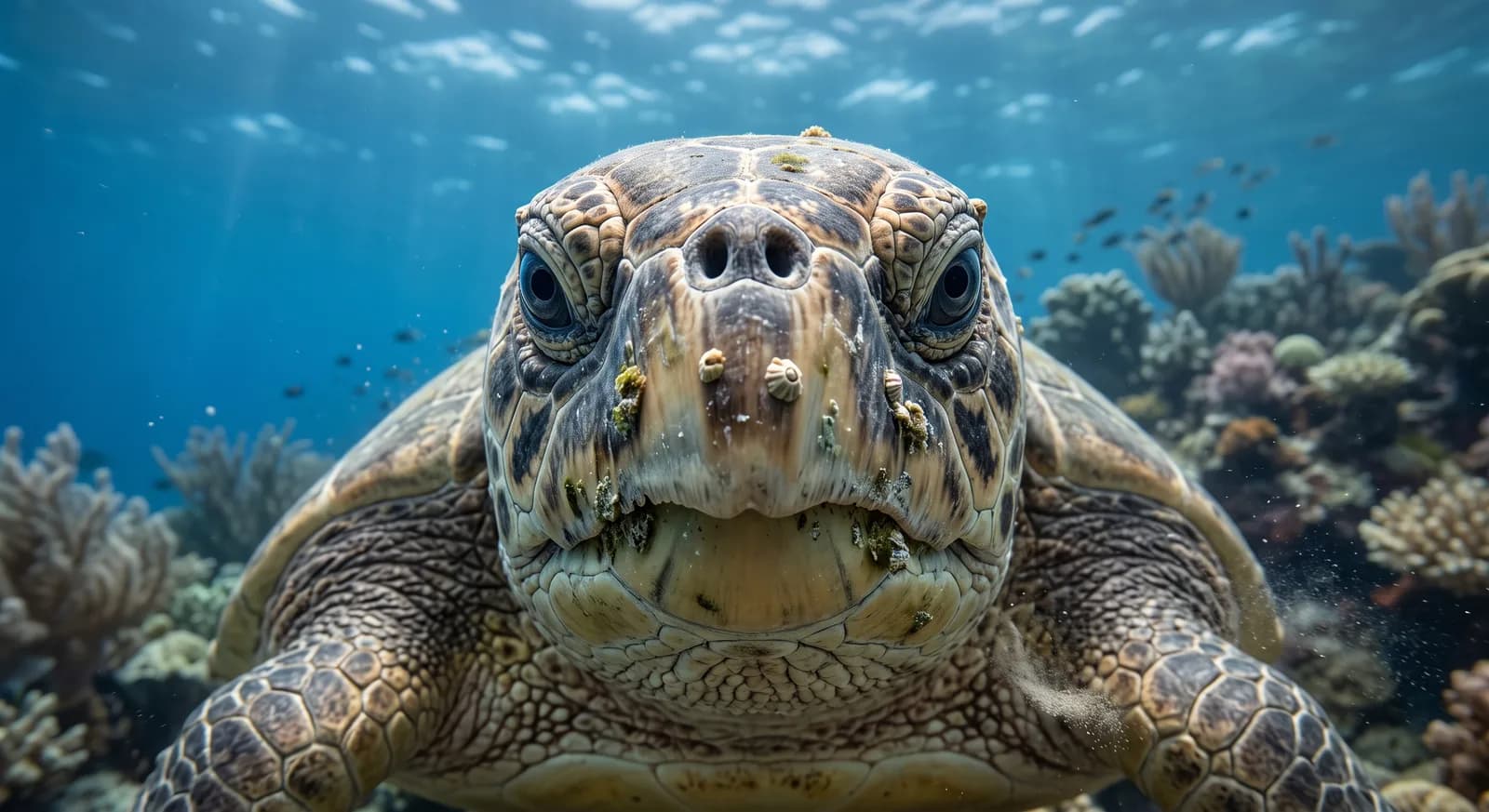 Vulnerable
Loggerhead Turtle
Caretta caretta
Ahora es buena época: Anidación de tortuga boba en Zante (Zakynthos) (Mayo a octubre (nidificación pico jun-jul))
Especies documentadas en Greece
624 species found
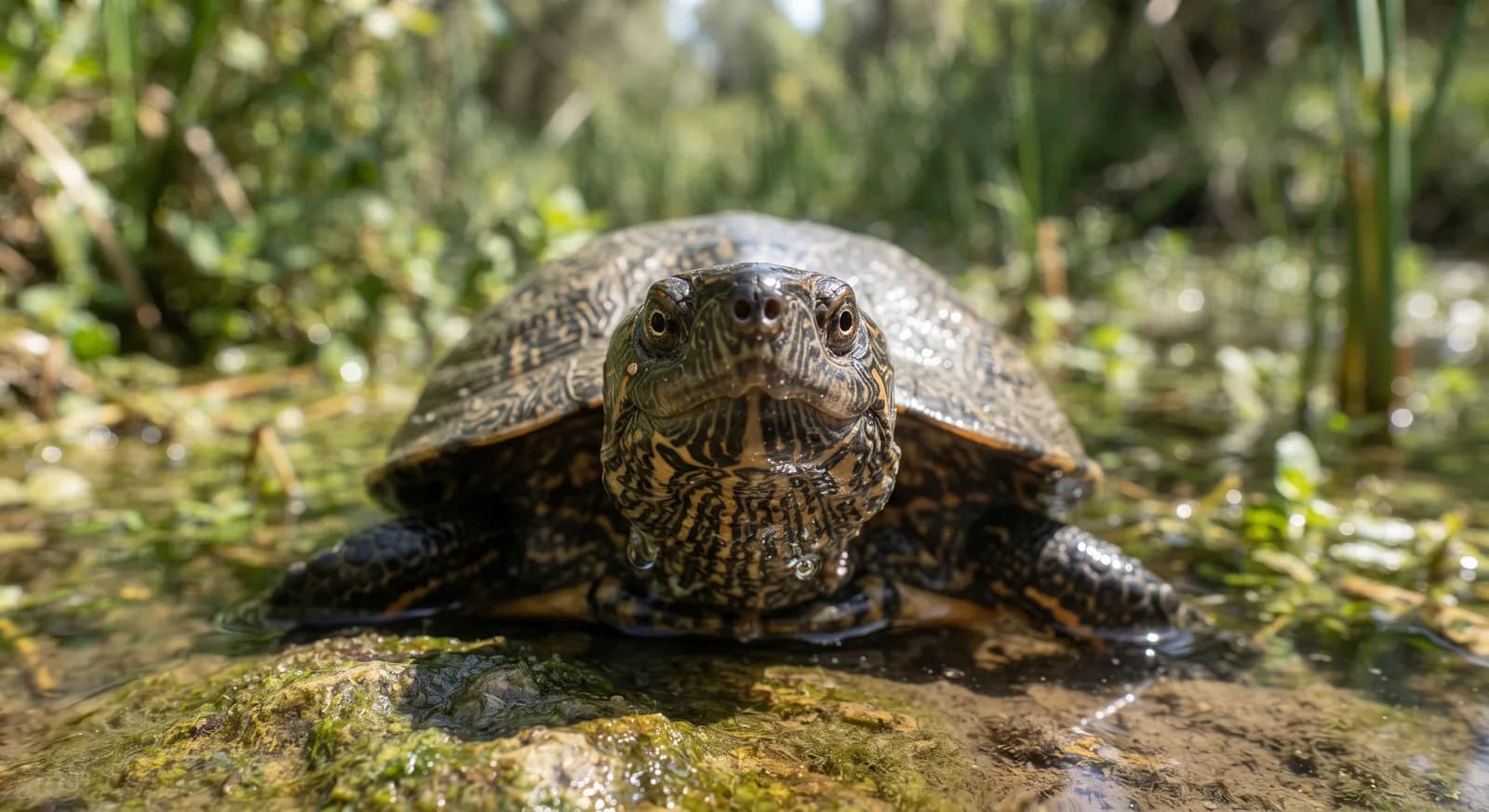 Vulnerable
Spanish Terrapin
Mauremys leprosa
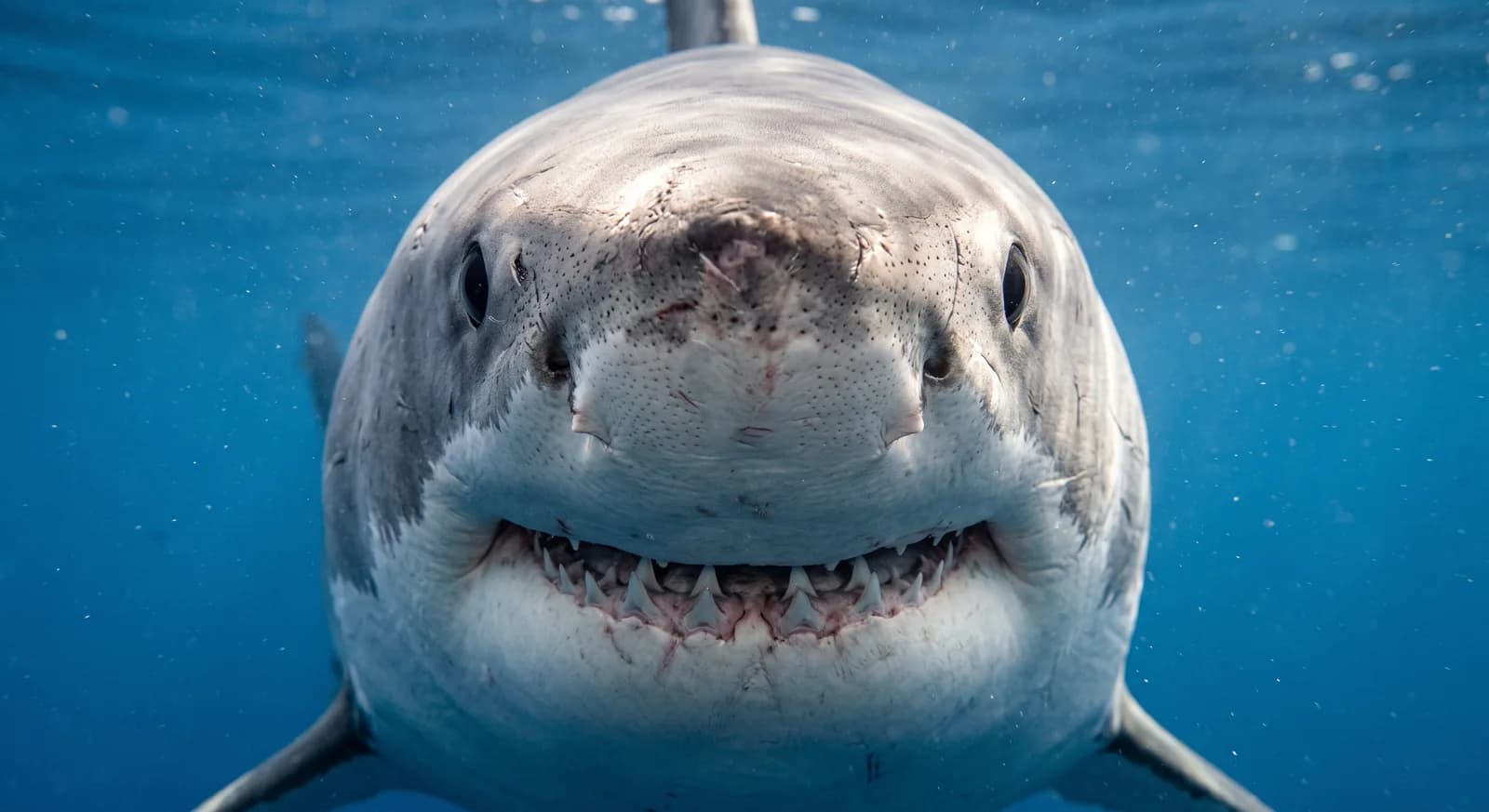 Vulnerable
Great White Shark
Carcharodon carcharias
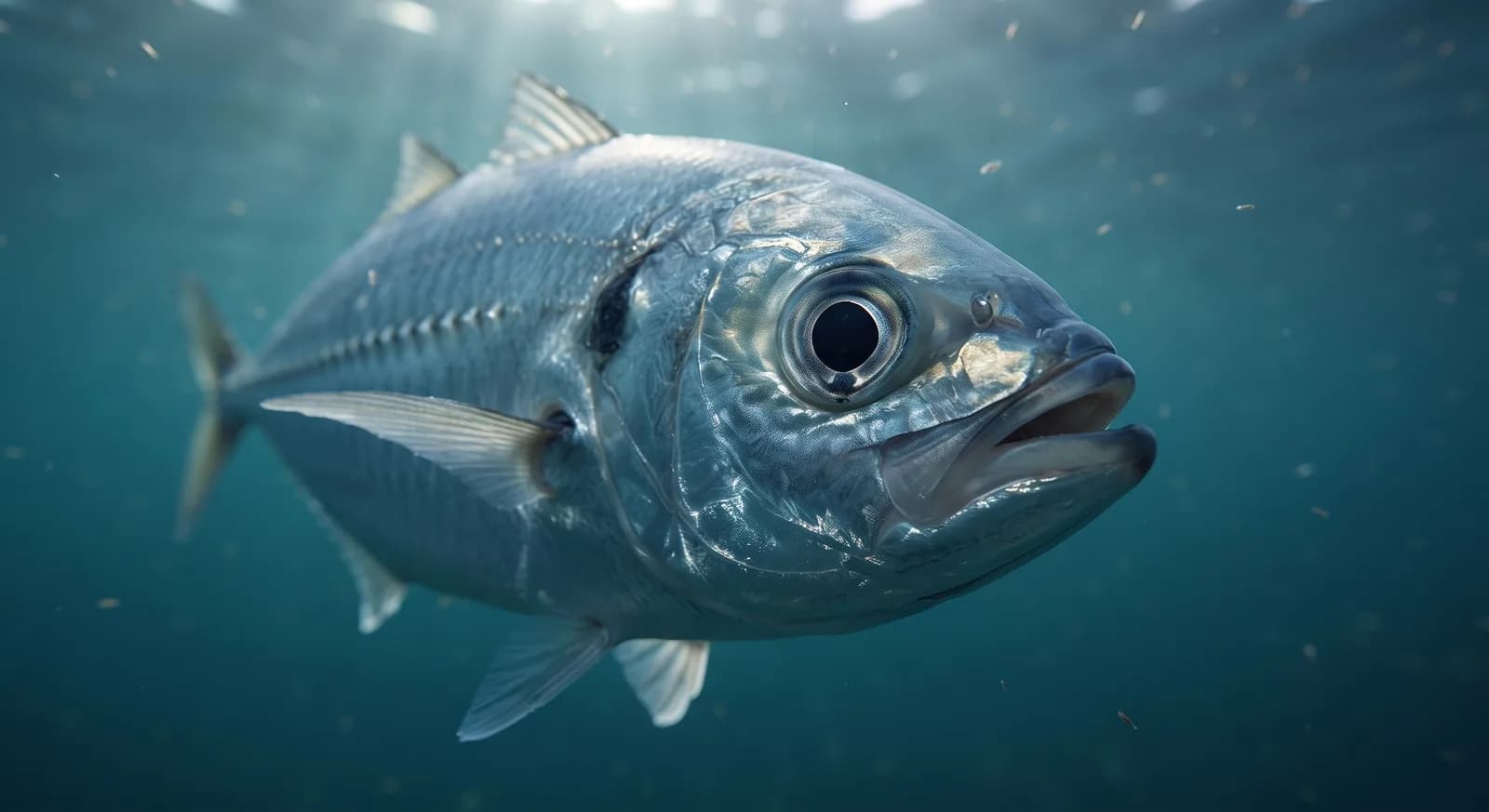 Vulnerable
Horse Mackerel
Trachurus trachurus
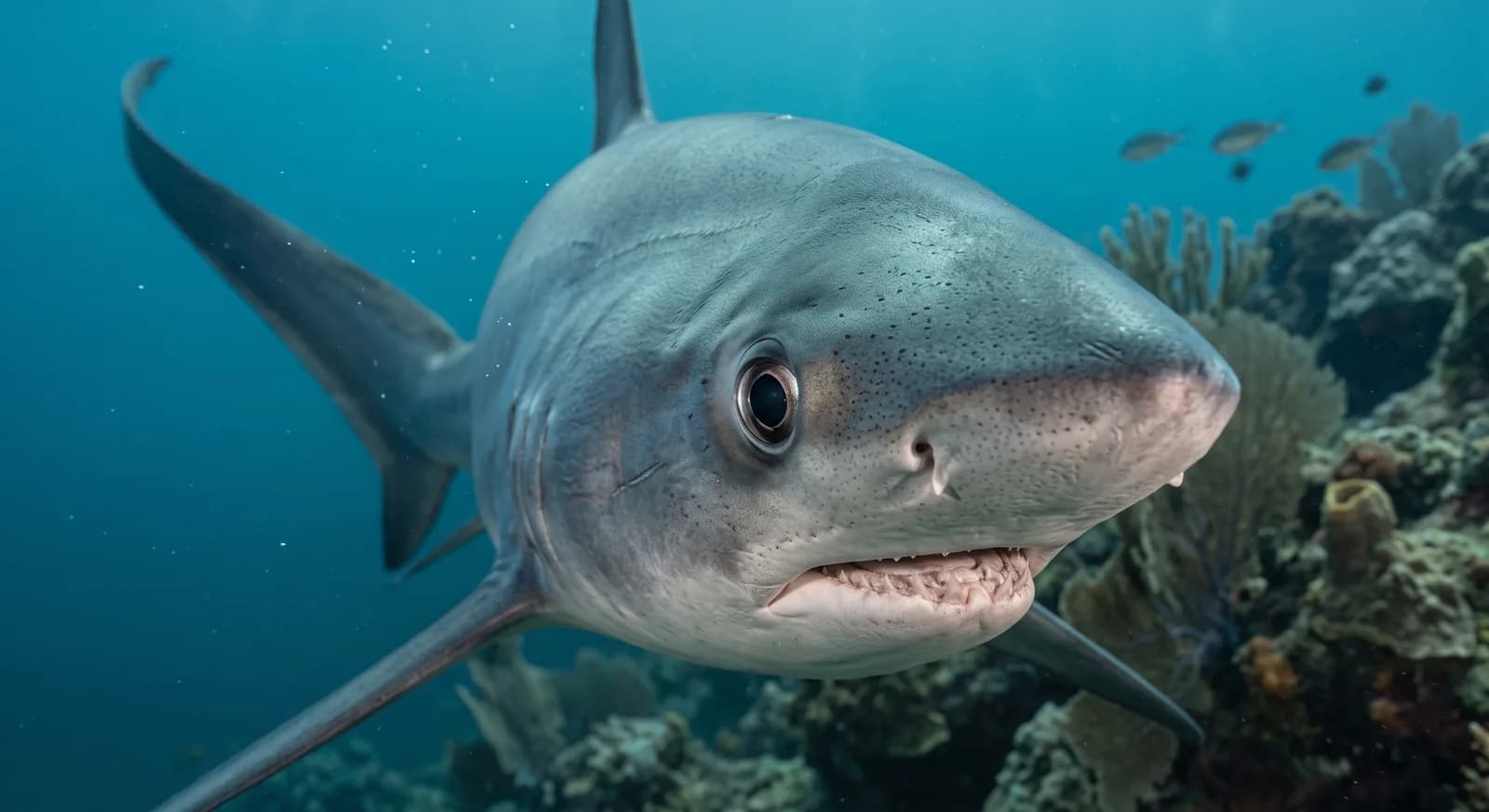 Vulnerable
Grayfish
Alopias vulpinus
VulnerableLoggerhead Turtle
Caretta caretta
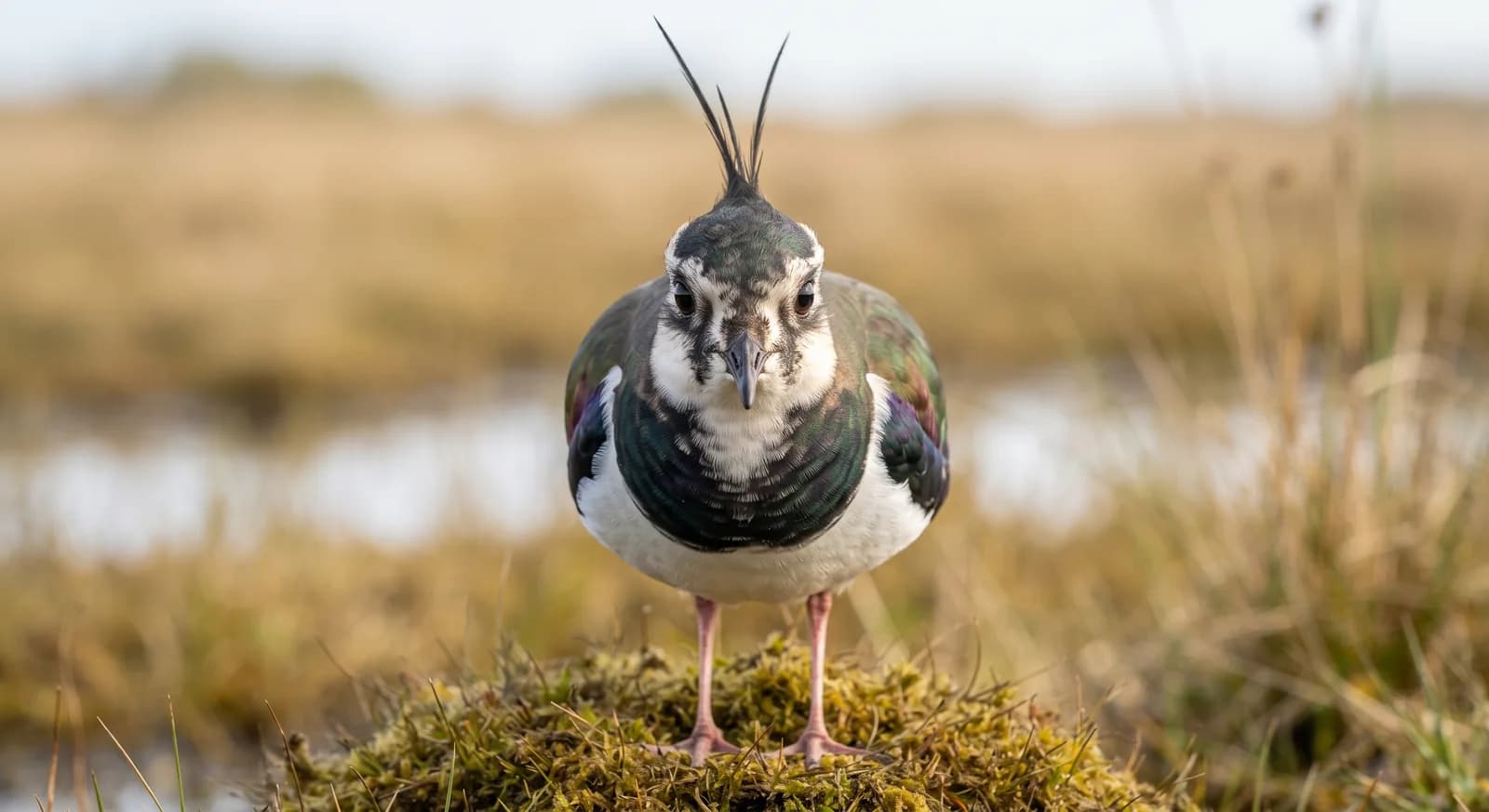 Near Threatened
Northern Lapwing
Vanellus vanellus
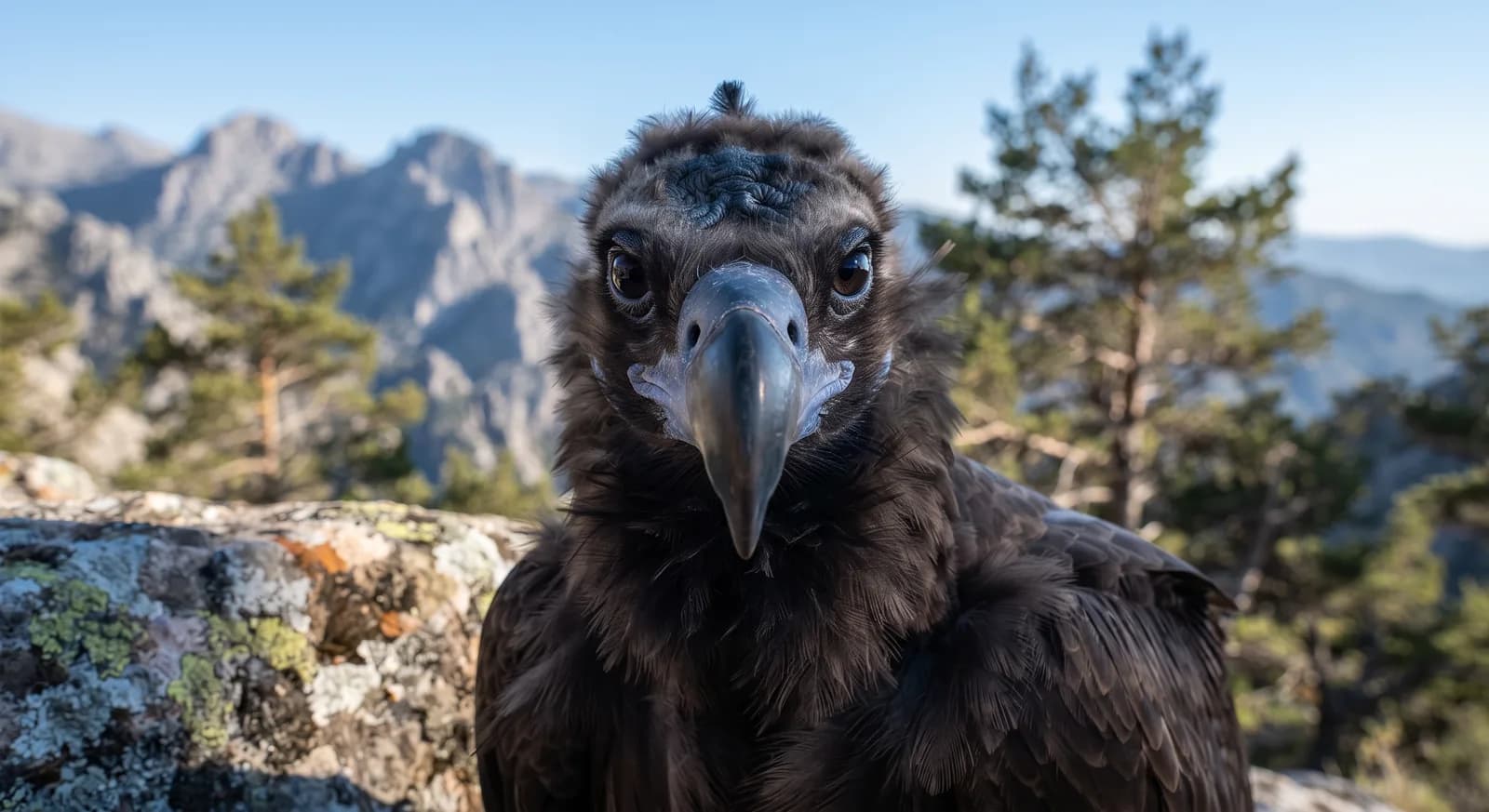 Near Threatened
Cinereous Vulture
Aegypius monachus
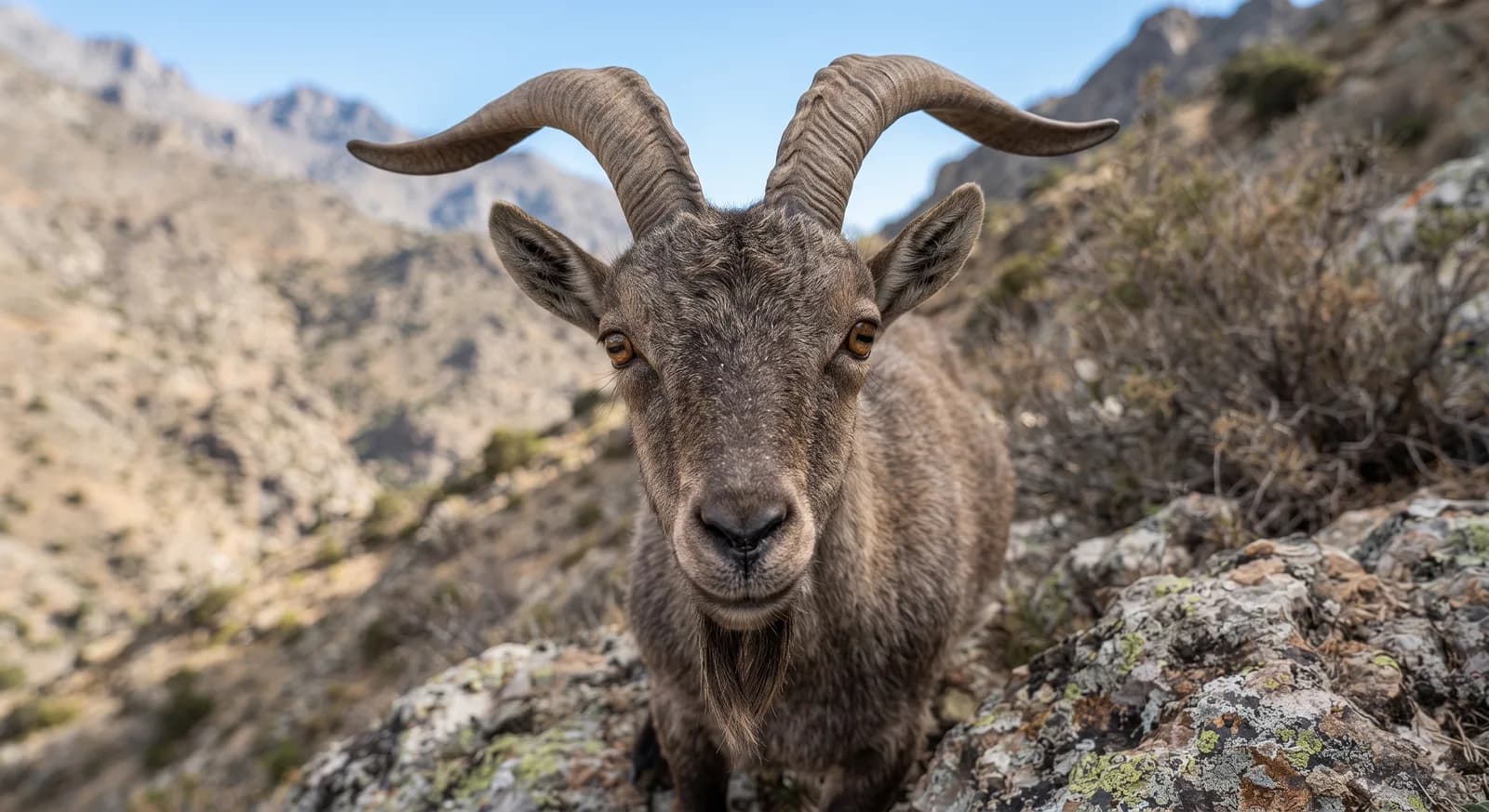 Near Threatened
Bezoar
Capra aegagrus
 Near Threatened
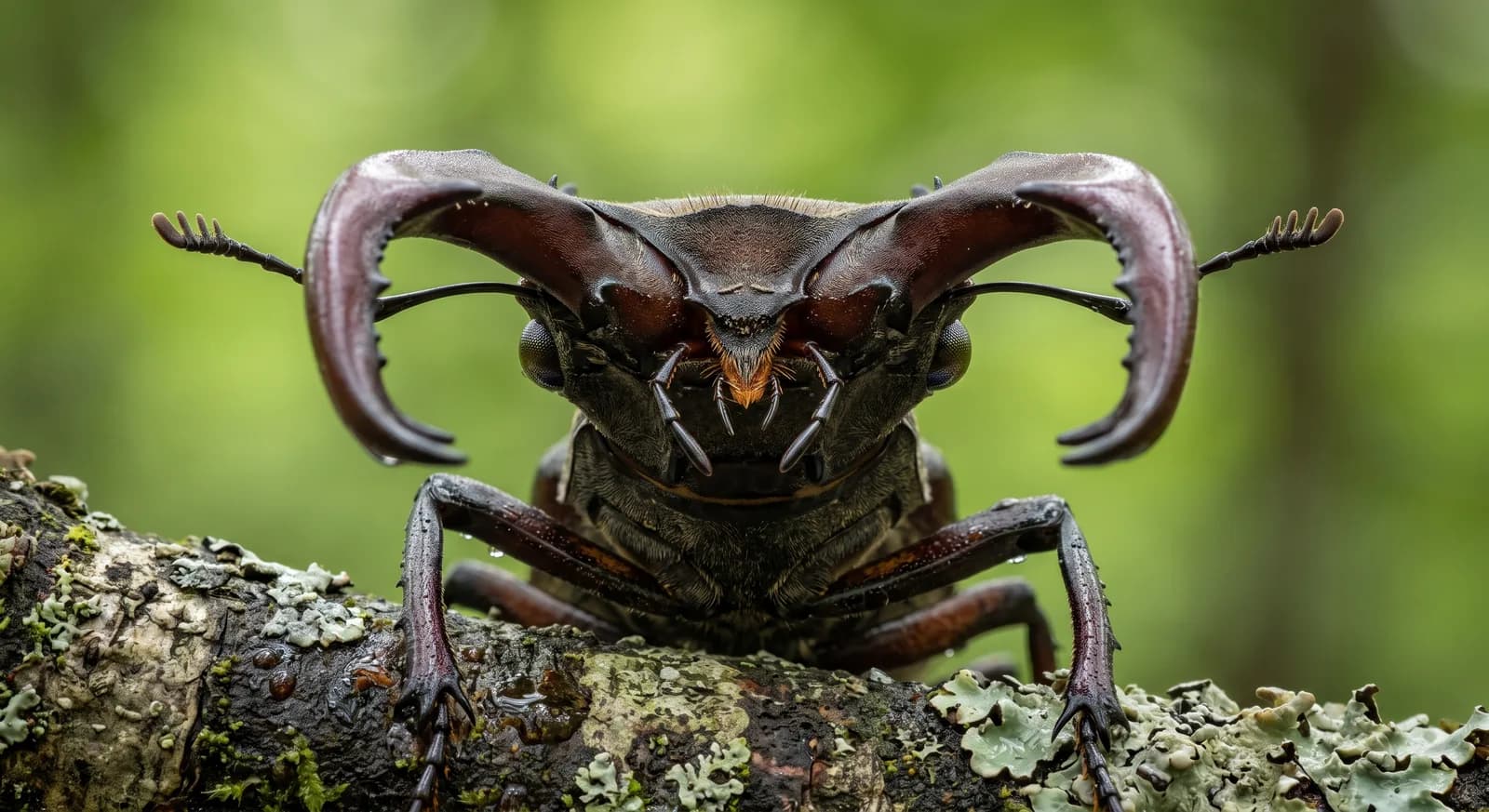
Stag Beetle
Lucanus cervus
 Near Threatened
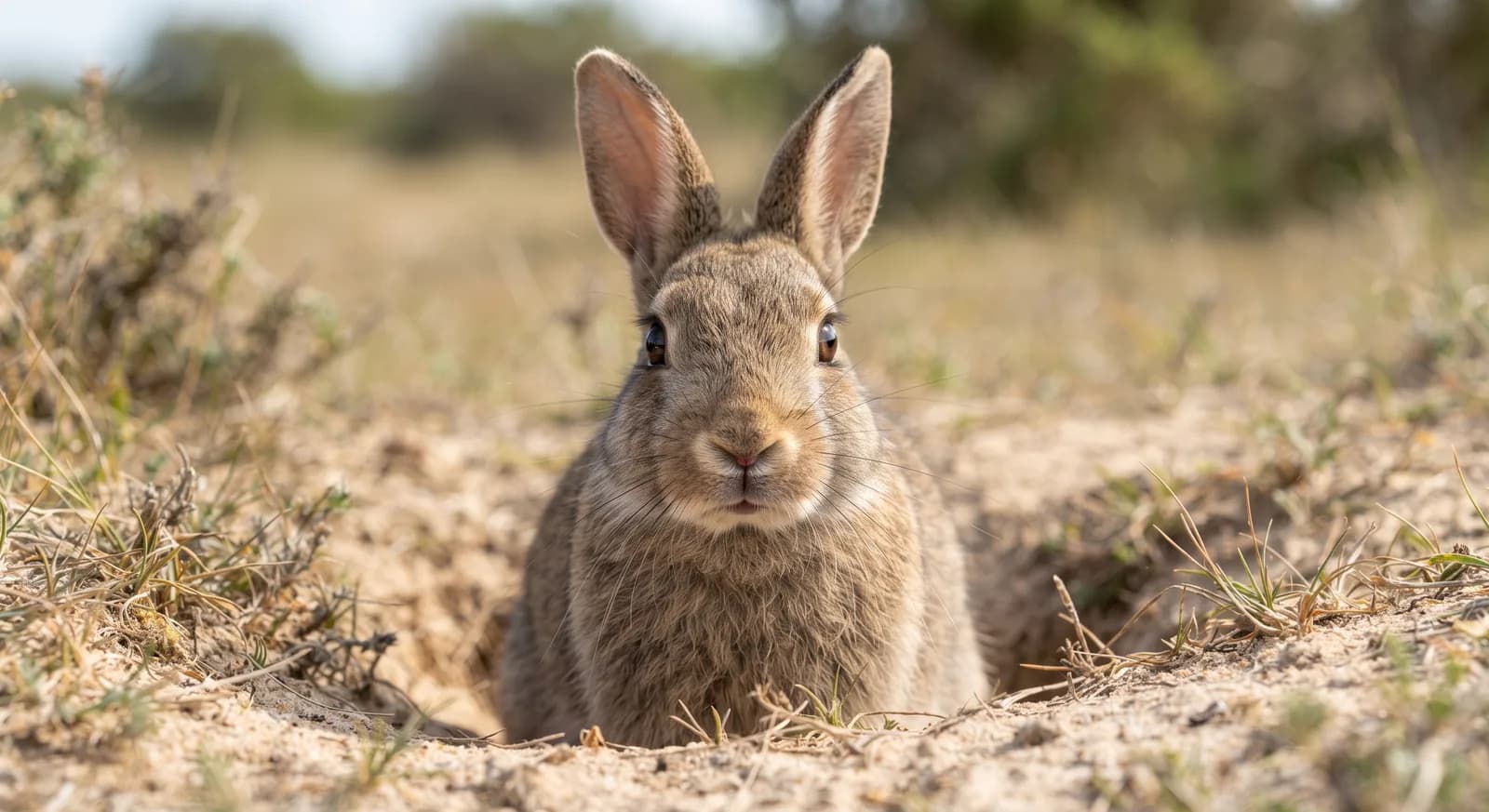
European Rabbit
Oryctolagus cuniculus
 Near Threatened
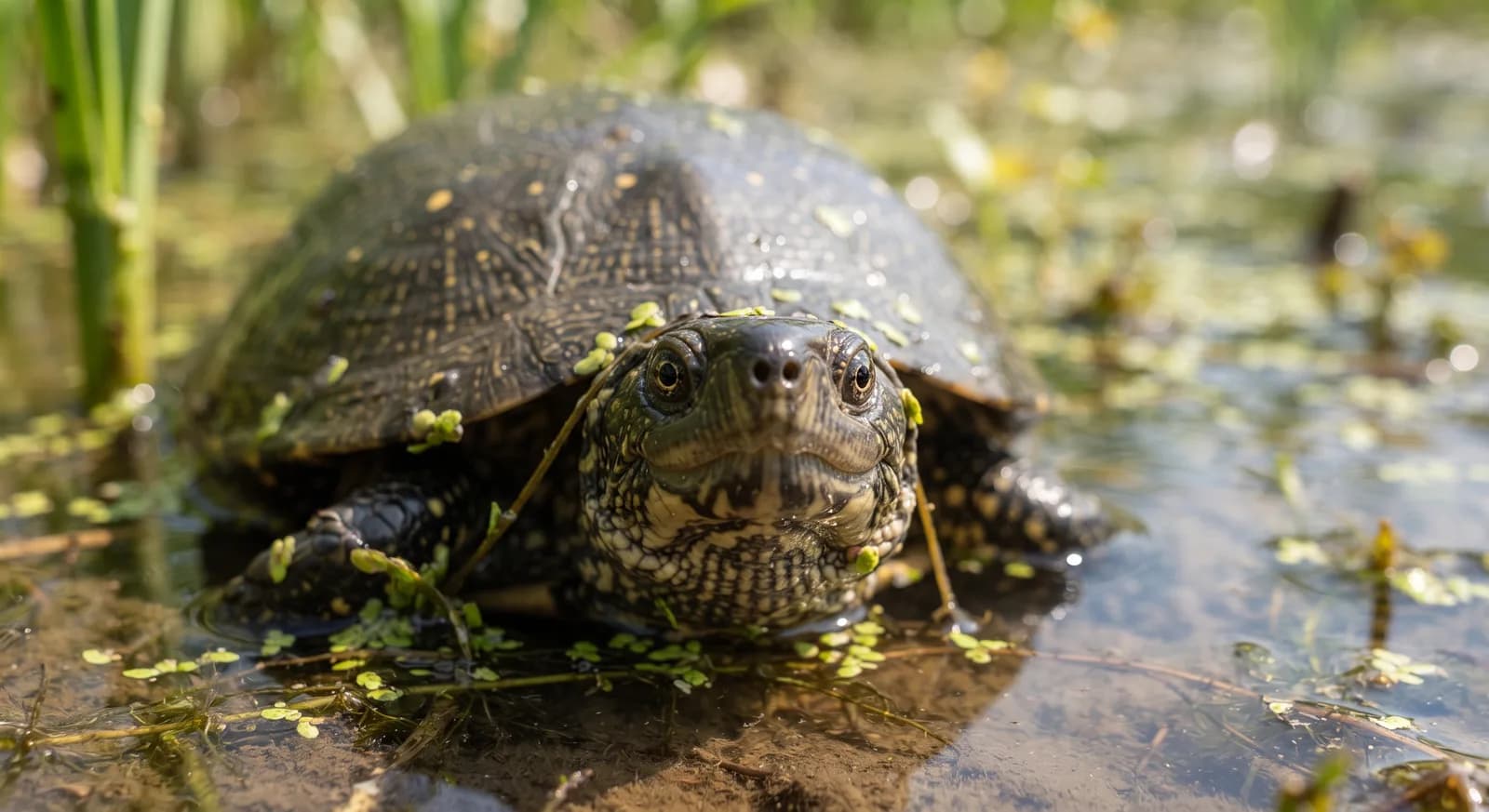
European Pond Turtle
Emys orbicularis
 Near Threatened
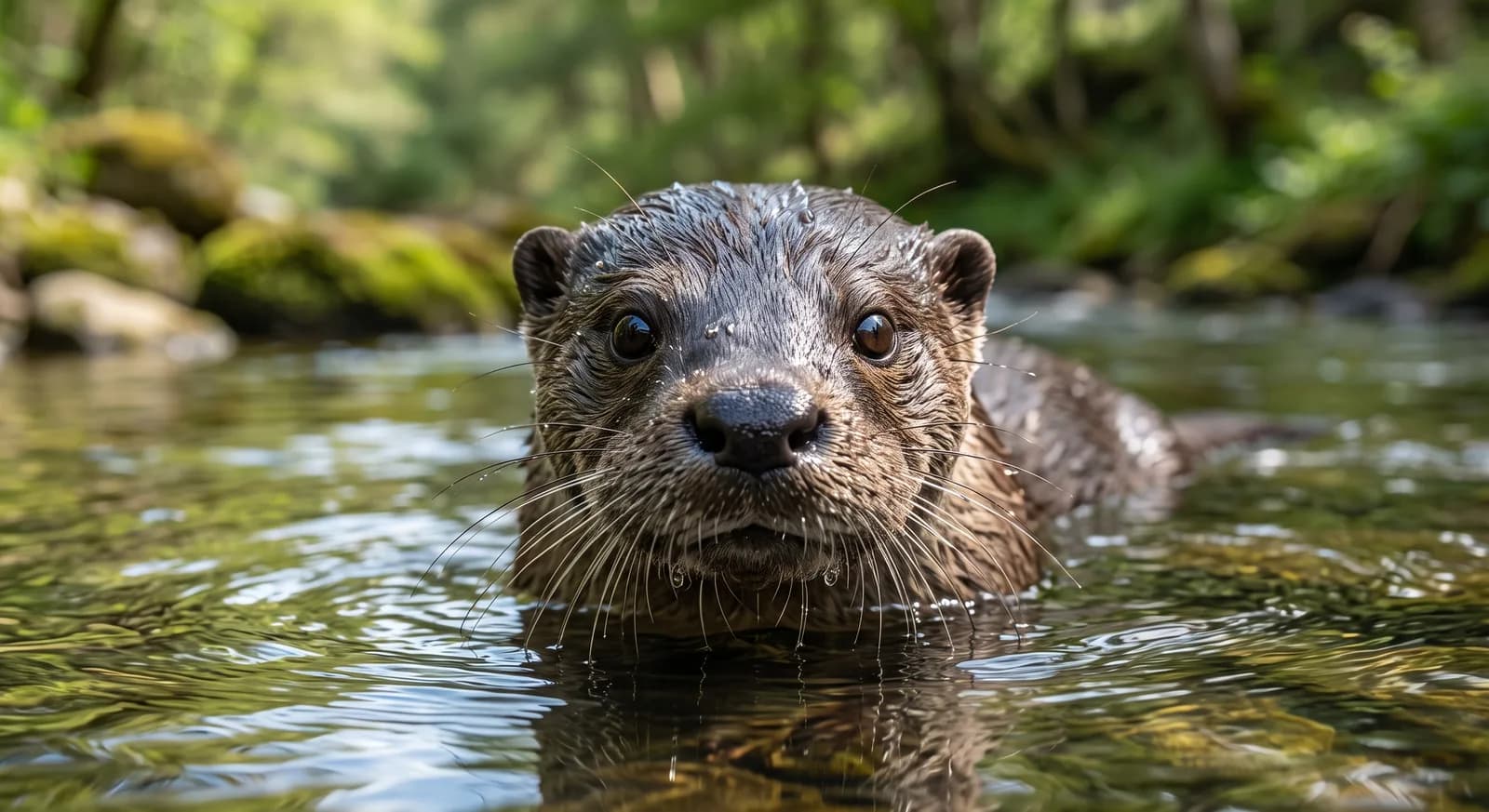
European Otter
Lutra lutra
Keep exploring
Based on what we already know about Greece.