Skip to content
WAnimals
  • Map
  • Species
  • Parks
  • Diving
Log inCreate account
WAnimals

The guide for travellers and animal lovers: discover, plan and share your wild adventures around the world.

Discover wildlife

  • Species
  • Ecosystems
  • Glossary
  • Tags

Explore places

  • Map
  • Countries
  • Parks
  • Diving

Plan experiences

  • Guides

Learn

  • Blog

Resources

  • Help centre
  • Contact
  • Install the app

Follow us

Account

  • Log in
  • Create account

© 2026 WAnimals. All rights reserved.

About usHow we build our profilesTerms of servicePrivacyLegal notice
MapSpeciesParksDiving
  1. Home
  2. Species
  3. Bath Sponge

Sponges · Dictyoceratida · Spongiidae

Bath Sponge

Spongia officinalis

Not Evaluated

It has not yet been assessed against the IUCN criteria.

Spotted something wrong?

The Mediterranean bath sponge is massive and rounded, its surface pitted with openings. It filters large volumes of water through a system of internal canals and retains bacteria and microscopic particles. Its skeleton is a mesh of spongin, an elastic protein fibre.

Size

10 cm – 35 cm

Life expectancy

25 years

Diet

Omnivore

Combines animal and plant food depending on availability.

Social structure

Solitary

Lives and hunts alone, joining others only to breed.

Sighting difficulty

Unknown

Ocean
28countries26parks70dive sites

Fun facts

  • The traditional bath sponge is this animal's cleaned skeleton: the living tissue is removed and only the spongin mesh remains, soft and absorbent.
  • Harvesting it sustained whole Mediterranean economies for centuries, first with breath-hold divers and later with diving suits, and it was one of the most dangerous underwater trades that has ever existed.
  • Successive epidemics since the 1980s, together with overharvesting, have cut its populations drastically.
  • It is the classic bath sponge, and its exploitation is one of the oldest fisheries in the Mediterranean: it has been harvested since antiquity and appears in Aristotle and in Homer.
  • What is used is not the animal but its skeleton: a mesh of spongin, a flexible, resistant protein, which is left when the living tissues are removed. It can absorb several times its own weight in water.
  • Sponge fishing by free-diving to tear the sponges loose was an enormous industry in Greece, Tunisia and Florida, and one of the most dangerous: the use of diving suits in the 20th century caused hundreds of cases of decompression sickness among the sponge divers of the Aegean.
  • Its populations collapsed in the 1980s and 1990s through mass epidemics of bacterial and fungal origin, on top of overexploitation, and have not recovered.
  • It filters thousands of litres a day and harbours an extremely dense microbial community, which can account for a third of its mass and from which numerous bioactive compounds have been isolated.
  • It grows very slowly and can live for decades, so a stripped bed takes a very long time to return.

Life cycle and biology

Skeleton type
Invertebrate - spongin skeleton (sponge)
Habitat and environment
Rocky, semi-dark bottoms of the Mediterranean, from 5 to 40 m

Sources consulted: Pronzato y Manconi (2008), Marine Ecology; Lista Roja de la UICN; Voultsiadou, trabajos sobre esponjas del Egeo; FAO

Where to find it

Loading map…

Where to see it

Parks and dive sites where this species has been documented — showing 20 of 96.

Related species

Other species in the catalogue with the most in common with Bath Sponge — same habitat, park, country, tags or family.

Shares a park
Shares a park
Shares a park
Shares a park
Shares a park
Shares a park

Keep exploring

Based on what we already know about bath sponge.

Comments

Share an experience, a fun fact or a tip for seeing the bath sponge.

Be the first to comment.

See full glossary
This page in other languages: Español · Deutsch · Français · Português · Italiano

The pins mark the parks and dive sites where its presence is documented.
See its range on the interactive map→
CalanquesFrance
Cinque TerreItaly
Alonissos and the Northern SporadesGreece
IchkeulTunisia
Majjistral ParkMalta
Port-CrosFrance
Cabrera ArchipelagoSpain
Ebro DeltaSpain
BeydağlarıTürkiye
Dilek YarımadasıTürkiye
Zenobia WreckCyprus
Medes IslandsSpain
Cap de CreusSpain
El Hierro / La RestingaSpain
Museo Atlántico (Lanzarote)Spain
Zakynthos (loggerhead turtle)Greece
Kastellorizo (Blue Cave)Greece
Malta (Blue Hole Gozo / Um El Faroud)Malta
Tavolara (Sardinia)Italy
Plemmirio Marine Reserve (Sicily)Italy
See all 26 parks
See all 70 dive sites
Not Evaluated

Yellow Clathrina

Clathrina clathrus

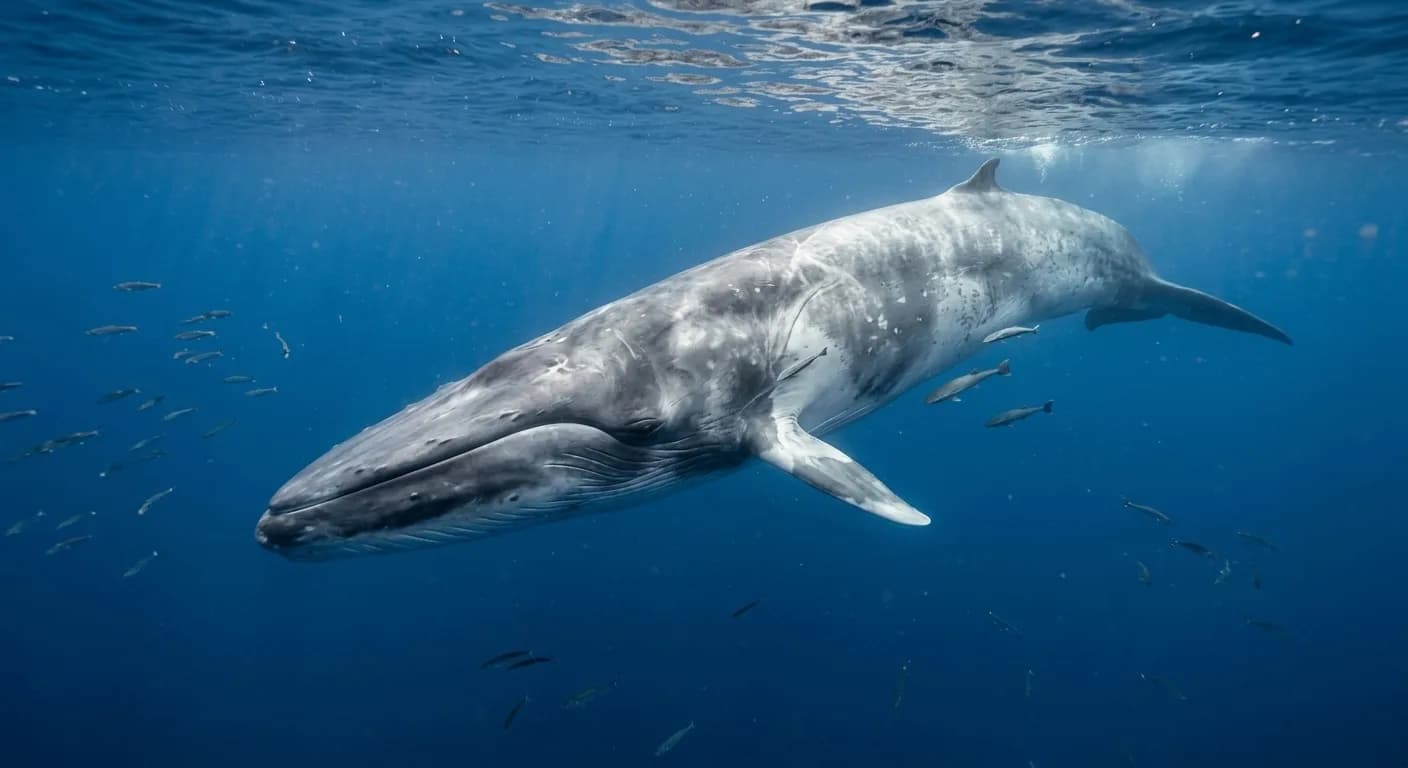
Fin WhaleEndangered

Fin Whale

Balaenoptera physalus

Basking SharkEndangered

Basking Shark

Cetorhinus maximus

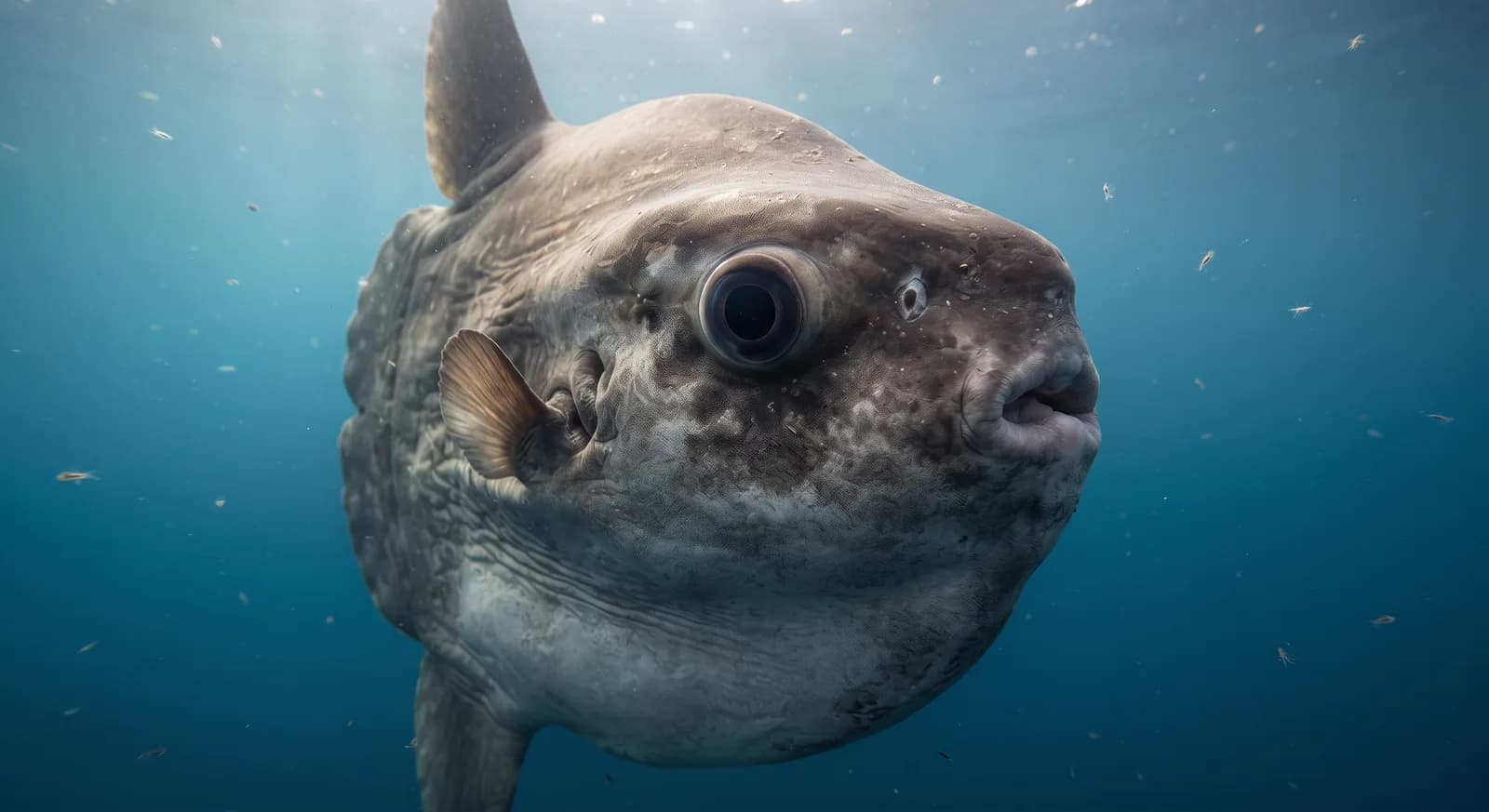
Ocean SunfishVulnerable

Ocean Sunfish

Mola mola

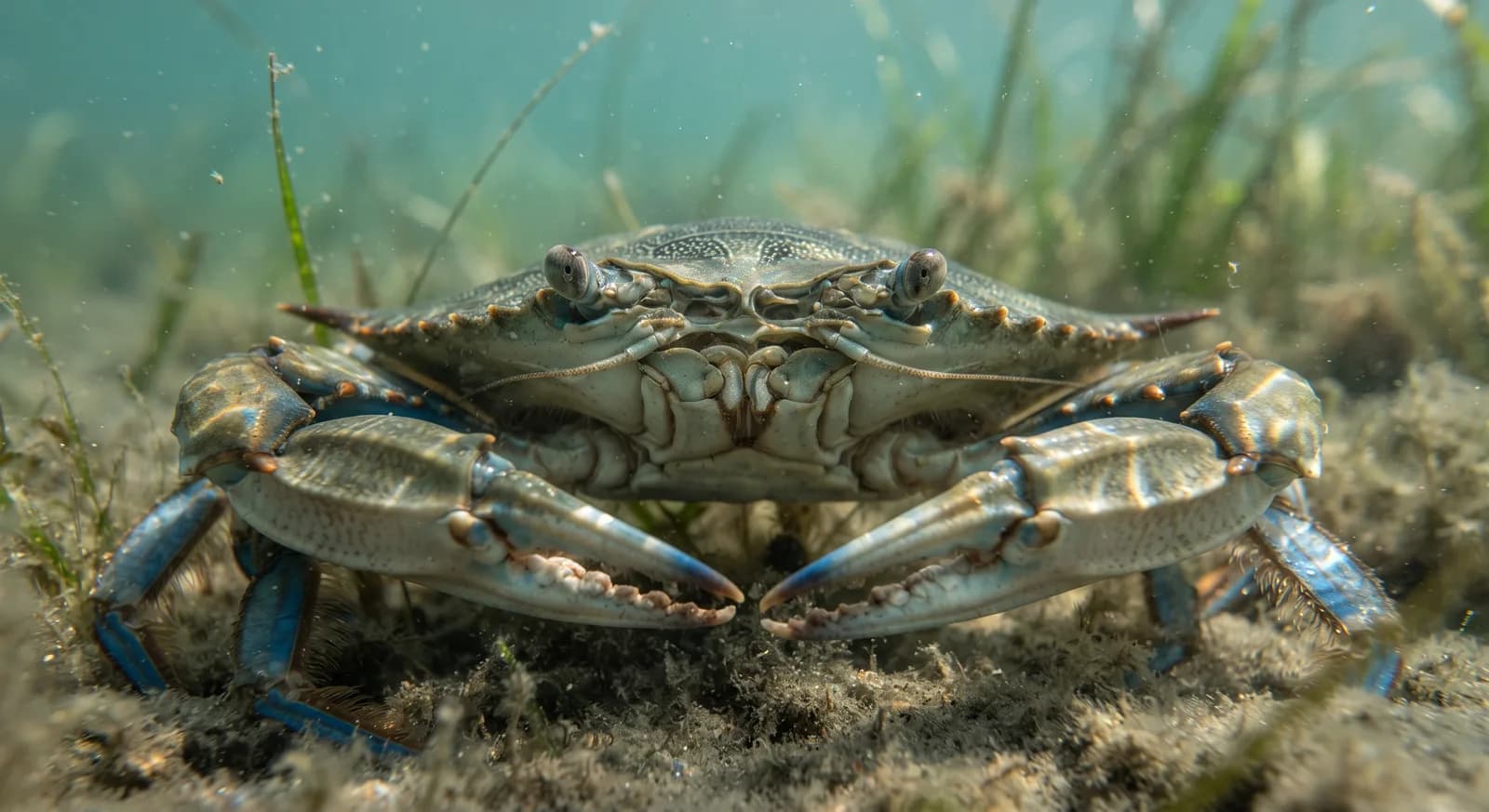
Blue CrabNot Evaluated

Blue Crab

Callinectes sapidus

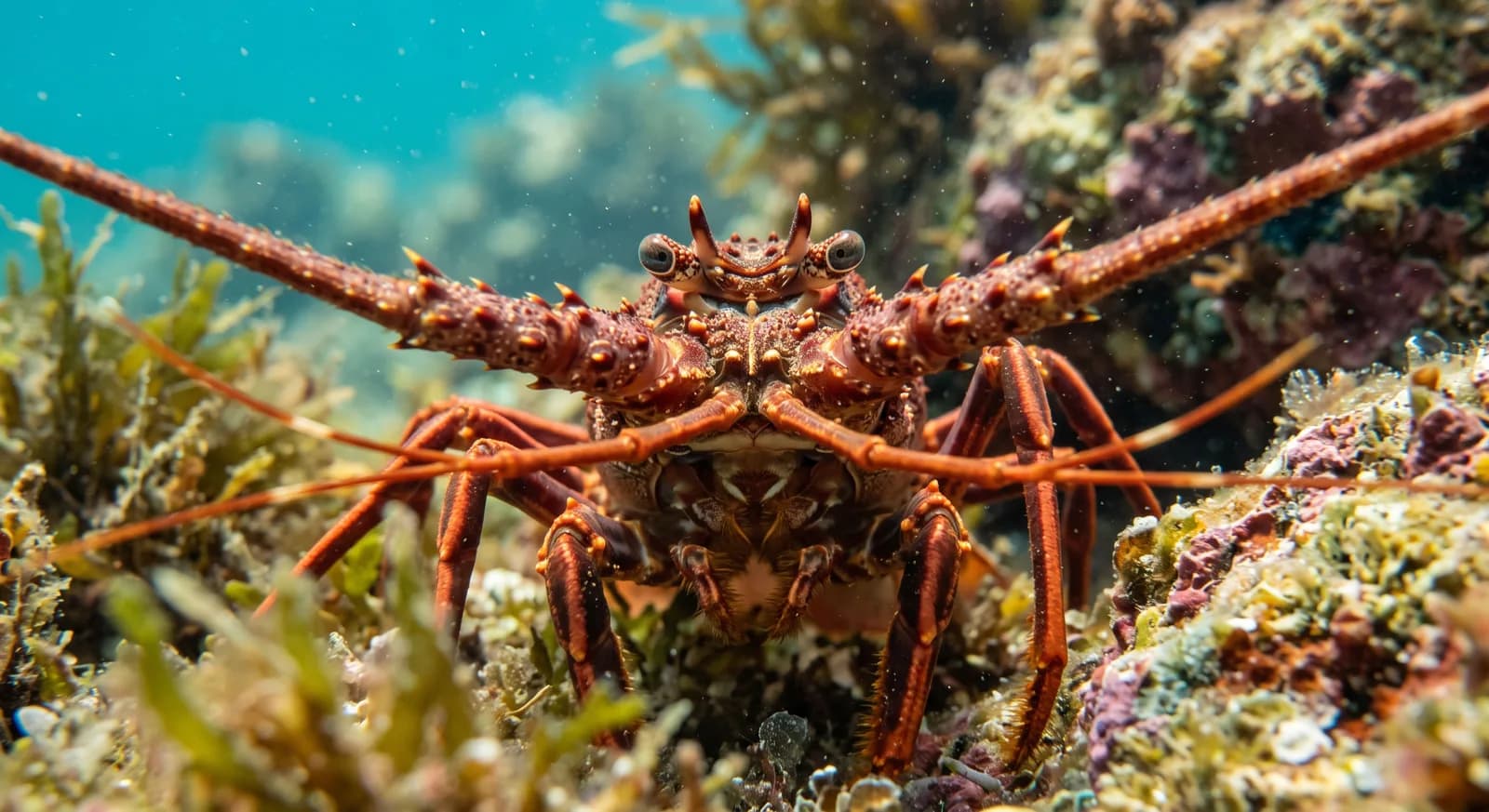
Common Spiny LobsterVulnerable

Common Spiny Lobster

Palinurus elephas

CountriesItaly
ParksCalanquesFrance
TagsOmnivore
Omnivore
Solitary
Ocean
Sponge

Europe17

Asia6

Africa5

Italy
Spain
Greece
Croatia
France
Türkiye
Albania
Bosnia and Herzegovina
Bulgaria
Croatia
Cyprus
France
Gibraltar
Greece
Italy
Malta
Monaco
Montenegro
Portugal
Romania
Slovenia
Spain
Ukraine
Georgia
Israel
Lebanon
Palestine
Syria
Türkiye
Algeria
Egypt
Libya
Morocco
Tunisia