Skip to content
WAnimals
  • Map
  • Species
  • Parks
  • Diving
Log inCreate account
WAnimals

The guide for travellers and animal lovers: discover, plan and share your wild adventures around the world.

Discover wildlife

  • Species
  • Ecosystems
  • Glossary
  • Tags

Explore places

  • Map
  • Countries
  • Parks
  • Diving

Plan experiences

  • Guides

Learn

  • Blog

Resources

  • About us
  • How we build our profiles
  • Help centre
  • Contact
  • Install the app

Follow us

Account

  • Log in
  • Create account

© 2026 WAnimals. All rights reserved.

Terms of servicePrivacyCookiesLegal notice
MapSpeciesParksDiving
  1. Home
  2. Species
  3. Common Piddock

Bivalves · Myida · Pholadidae

Common Piddock

Pholas dactylus

Not Evaluated

It has not yet been assessed against the IUCN criteria.

Spotted something wrong?

Pholas dactylus is a luminescent clam, as are the other species of the genus Pholas, found in the north-east Atlantic and the Mediterranean. It bores into rock. It was a highly prestigious food in Europe.

Size

6 cm – 15 cm

Diet

Omnivore

Combines animal and plant food depending on availability.

Social structure

Solitary

Lives and hunts alone, joining others only to breed.

29countries26parks70dive sites

Fun facts

  • It gives off a blue-green light from several parts of its body; Pliny the Elder already described how it glowed in the mouth of anyone who ate it.
  • The physiologist Raphaël Dubois coined the terms luciferin and luciferase in 1887 while studying the bioluminescence of this very species.
  • It bores into rock by mechanical abrasion, turning its shell, not with acid.
  • It is bioluminescent: when disturbed it shoots a glowing blue secretion out of its siphon.
  • Its light has a historic place in science. Pliny the Elder described it in the first century, and in the late nineteenth century the French pharmacist Raphaël Dubois used it to describe for the first time the oxygen-dependent luciferin-luciferase reaction, which turned out to be universal in bioluminescence.
  • The protein responsible is called pholasin, and today it is produced recombinantly and used in the laboratory as a sensitive indicator of reactive oxygen species.
  • It bores into rock mechanically, rasping with the teeth on the front of its shell while rotating on its own axis.
  • It was a highly prized delicacy in Europe, as it already had been in imperial Rome.

Life cycle and biology

Skeleton type
Invertebrate - external calcareous bivalve shell (mollusc)
Habitat and environment
Soft rock, clay and peat in the intertidal of the Mediterranean and the Atlantic

Sources consulted: Wikipedia (es): Pholas dactylus

Where to find it

Loading map…

Where to see it

Parks and dive sites where this species has been documented — showing 20 of 96.

Related species

Other species in the catalogue with the most in common with Common Piddock — same habitat, park, country, tags or family.

Shares a park
Shares a park
Shares a park
Shares a park
Shares a park
Shares a park

Keep exploring

Based on what we already know about common piddock.

Share an experience, a fun fact or a tip for seeing the common piddock.
See full glossary
This page in other languages: Español · Deutsch · Français · Português · Italiano
Ocean

The pins mark the parks and dive sites where its presence is documented.
See its range on the interactive map→
CalanquesFrance
Cinque TerreItaly
Alonissos and the Northern SporadesGreece
IchkeulTunisia
Majjistral ParkMalta
Port-CrosFrance
Cabrera ArchipelagoSpain
Ebro DeltaSpain
BeydağlarıTürkiye
Dilek YarımadasıTürkiye
Zenobia WreckCyprus
Medes IslandsSpain
Cap de CreusSpain
El Hierro / La RestingaSpain
Museo Atlántico (Lanzarote)Spain
Zakynthos (loggerhead turtle)Greece
Kastellorizo (Blue Cave)Greece
Malta (Blue Hole Gozo / Um El Faroud)Malta
Tavolara (Sardinia)Italy
Plemmirio Marine Reserve (Sicily)Italy
See all 26 parks
See all 70 dive sites
Not Evaluated

Old Cardita

Cardites antiquatus

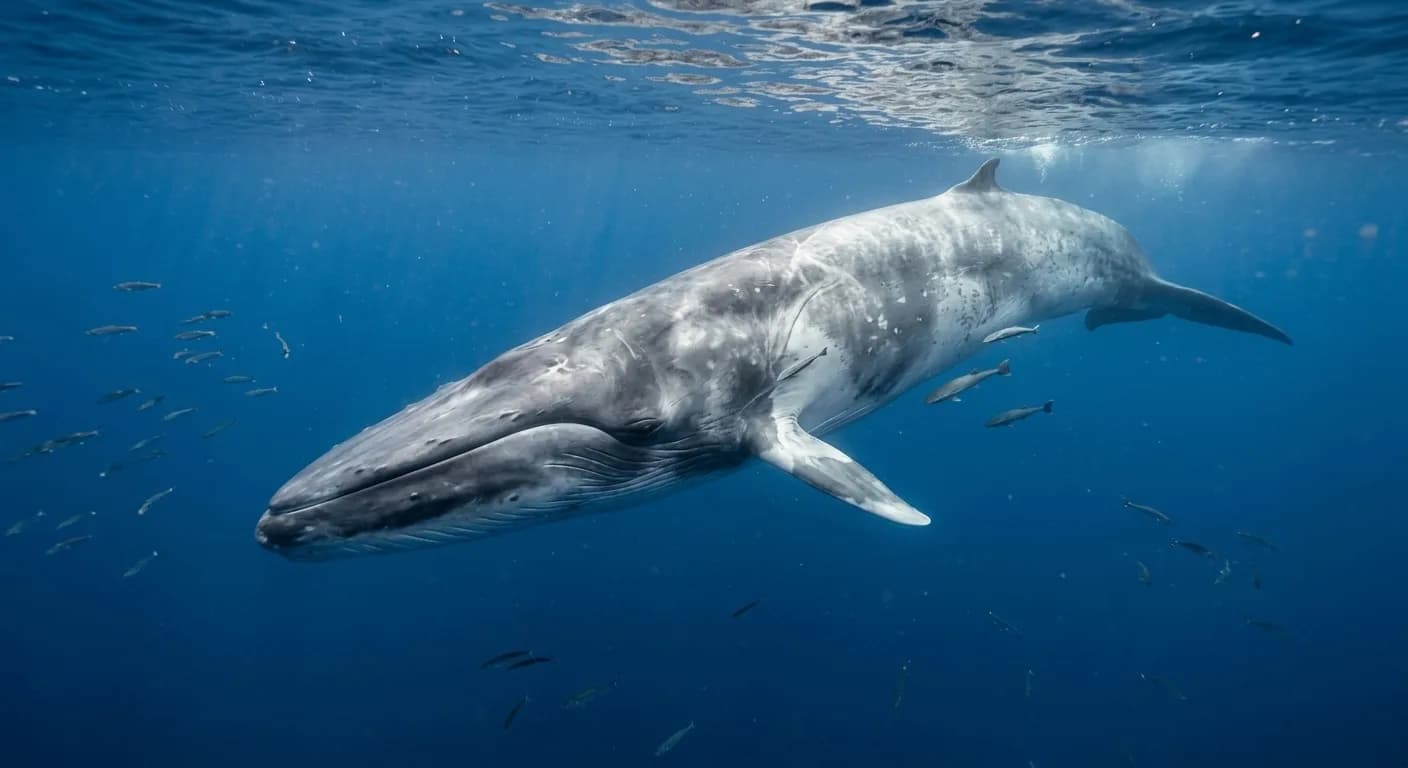
Fin WhaleEndangered

Fin Whale

Balaenoptera physalus

Basking SharkEndangered

Basking Shark

Cetorhinus maximus

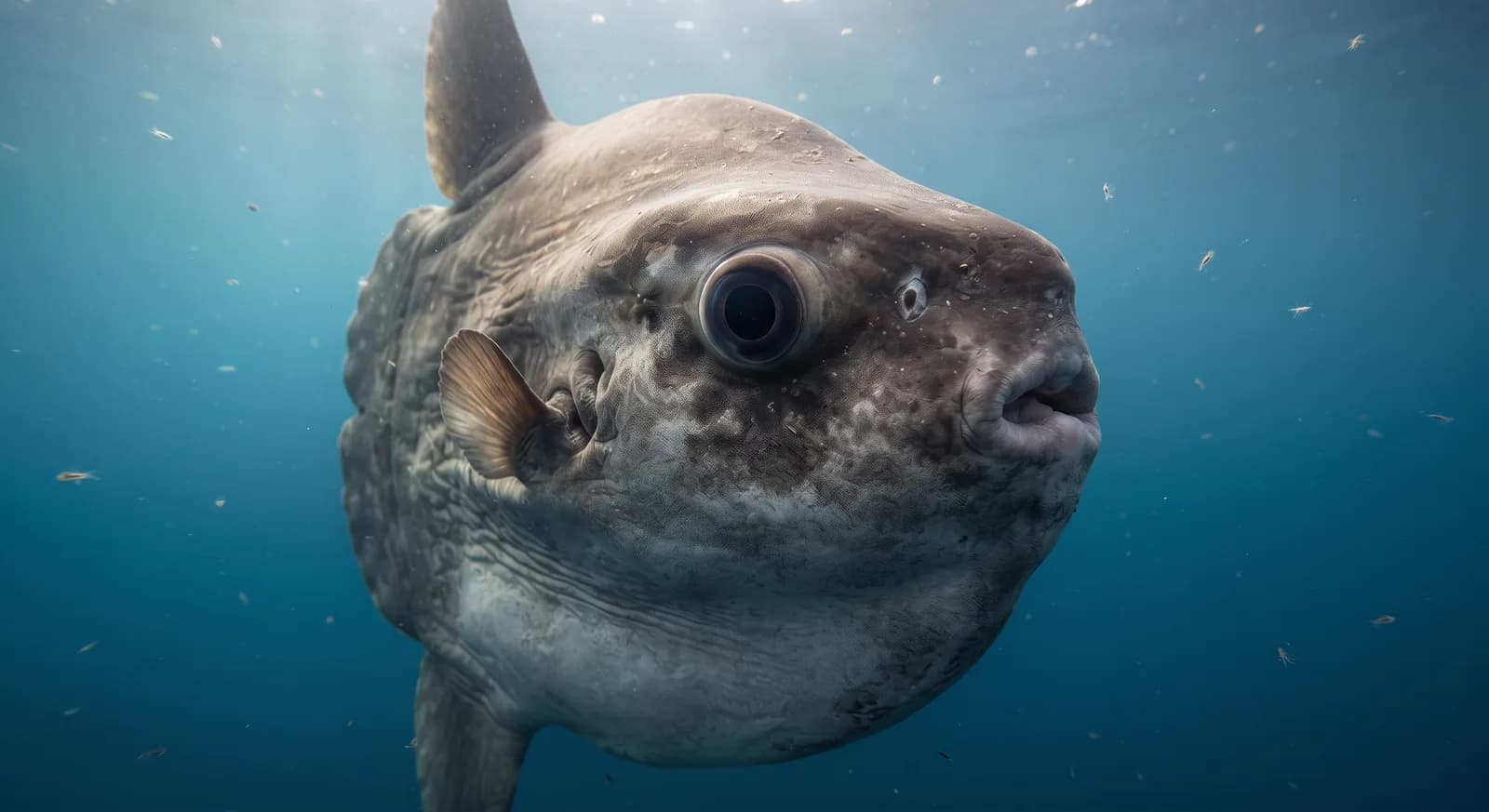
Ocean SunfishVulnerable

Ocean Sunfish

Mola mola

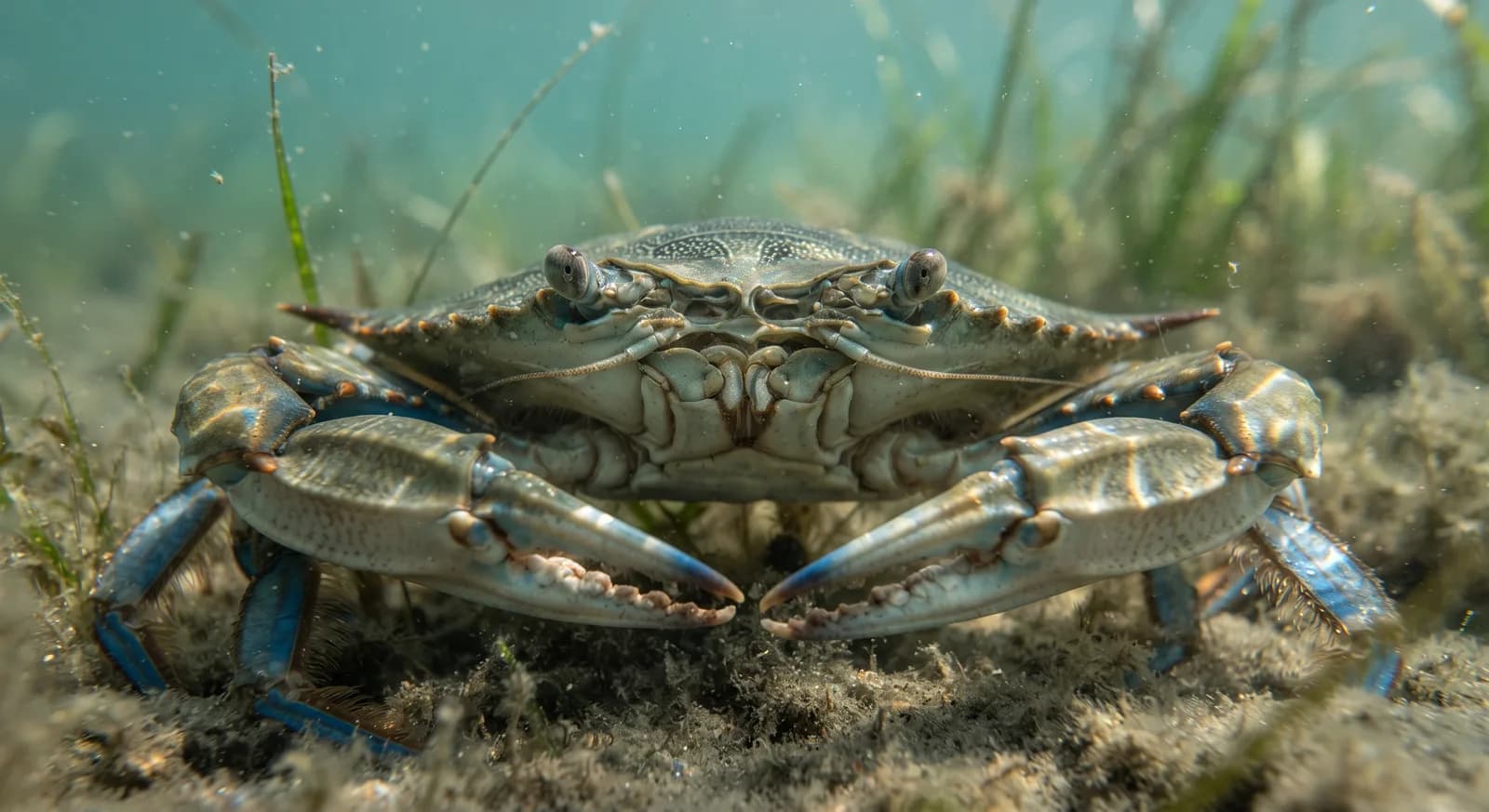
Blue CrabNot Evaluated

Blue Crab

Callinectes sapidus

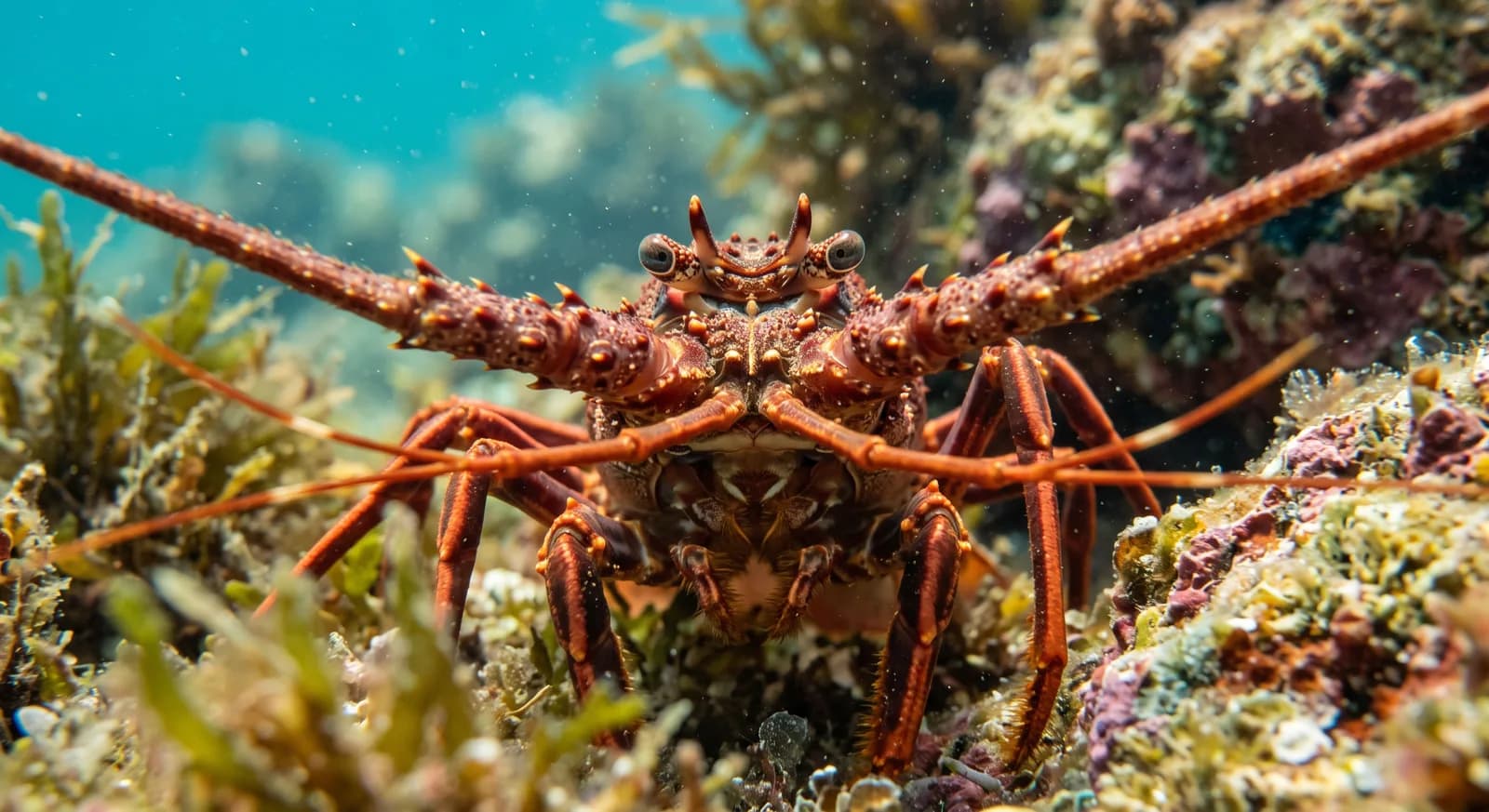
Common Spiny LobsterVulnerable

Common Spiny Lobster

Palinurus elephas

CountriesItaly
ParksCalanquesFrance
TagsOmnivore
Omnivore
Solitary
Ocean
Mollusc

Europe18

Asia6

Africa5

Italy
Spain
Greece
Croatia
France
Türkiye
Albania
Bosnia and Herzegovina
Bulgaria
Croatia
Cyprus
France
Gibraltar
Greece
Italy
Malta
Monaco
Montenegro
Portugal
Romania
Slovenia
Spain
Ukraine
United Kingdom
Georgia
Israel
Lebanon
Palestine
Syria
Türkiye
Algeria
Egypt
Libya
Morocco
Tunisia