 Vulnerable
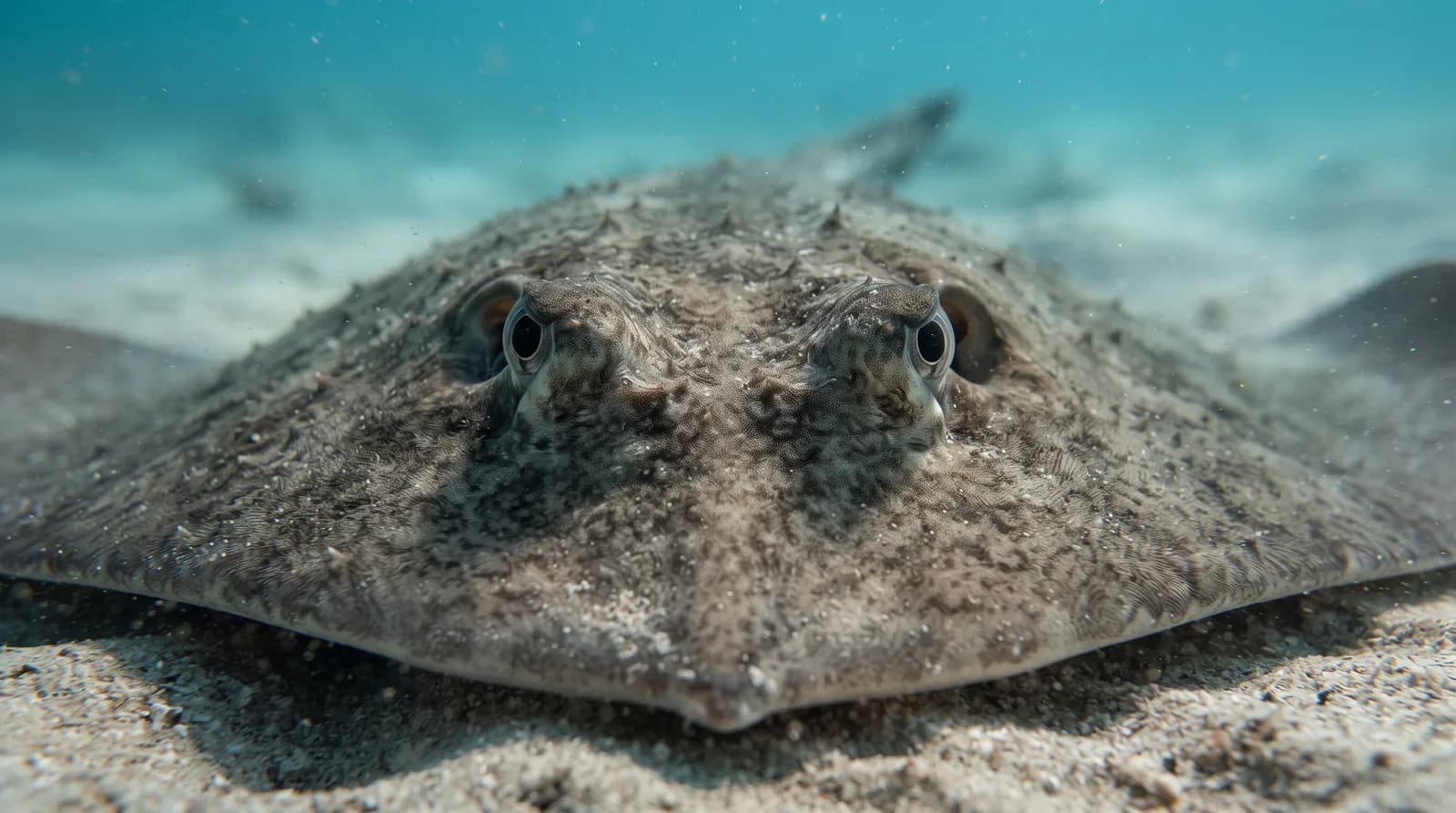
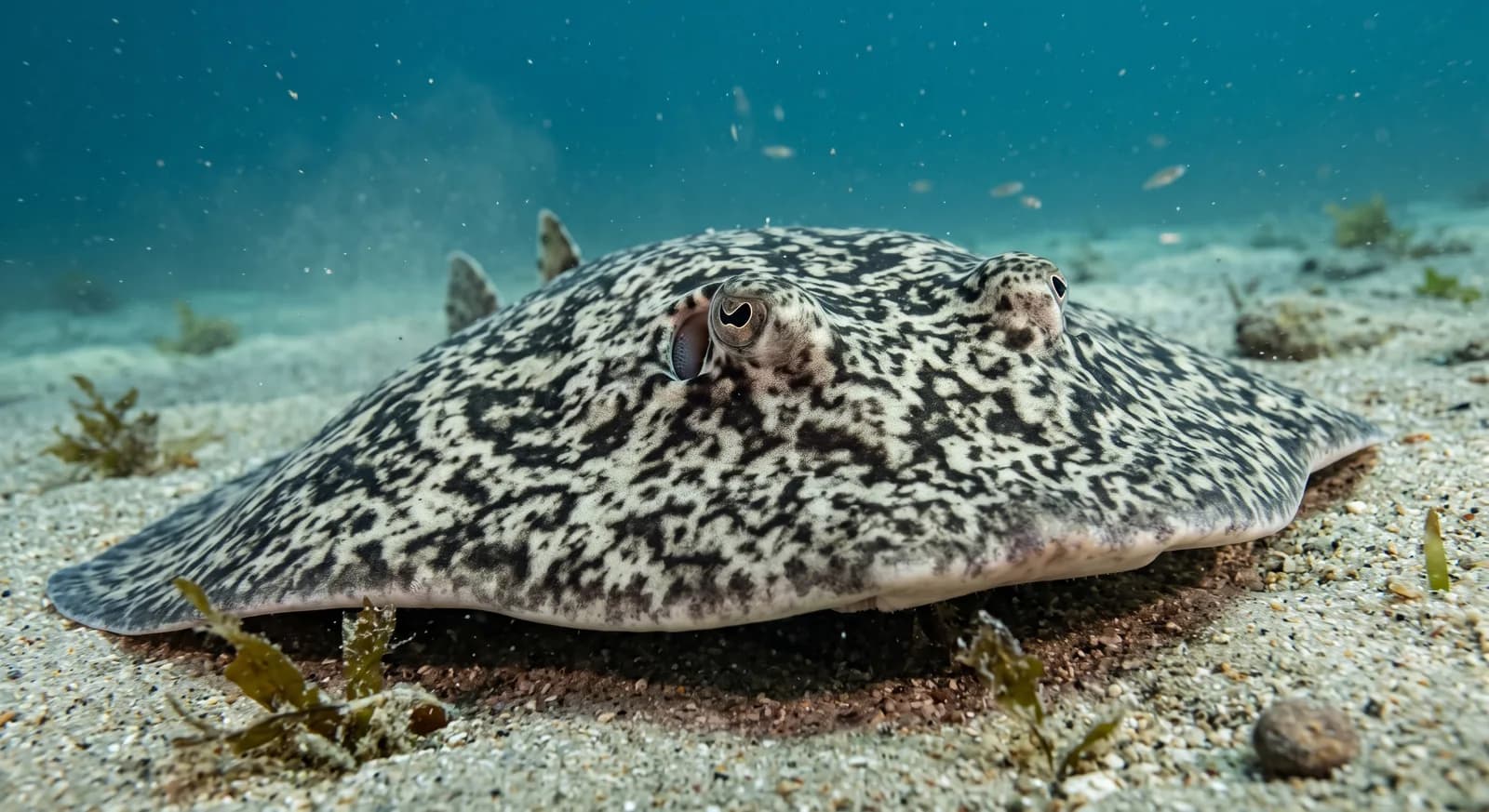
Marbled Electric Ray
Torpedo marmorata
25 countries27 parks76 dive sites
Species group · Cartilaginous fish
WAnimals has 6 species of ray, spread across 6 families (Arhynchobatidae, Dasyatidae, Gymnuridae, Potamotrygonidae, Rajidae, Torpedinidae).
Each one has its own full profile. This group does not replace them: it brings them together.
2 species in this group are in a threatened category according to the IUCN.
Recorded in 93 countries. The ones with the most species in the group:
Its electric organs are already working before it is born.
From
It hunts by wrapping its pectoral fins around prey before stunning it.
From
It can generate electric discharges of up to 200 volts.
From
The IUCN listed it in 2021 as Endangered globally and Critically Endangered in Europe and the Mediterranean, because of the decline of its populations under fishing pressure and habitat destruction.
From
It is ovoviviparous: the embryos develop inside the mother, feeding first on the yolk and then on a uterine secretion, and are born fully formed after about six months.
From
It is told apart from the smooth butterfly ray by the spine at the base of the tail and by a small fleshy appendage on the edge of each spiracle.
From
Its egg capsules, rectangular and with four horns, are the commonest mermaid's purses on European beaches, and there are citizen science schemes in several countries that ask beachgoers to collect and photograph them in order to map where the rays breed.
From
·
Ranges calculated from the profiles that record the figure, not from all 6.
The spines on its back have a broad, rounded base, like the head of a nail, and they are its main distinguishing feature among the European rays.
From Thornback Ray