One of the 4 urchins on WAnimals
Sea urchins · Spatangoida · Spatangidae
Purple Heart Urchin
Spatangus purpureus
It has not yet been assessed against the IUCN criteria. See full glossary
The purple heart urchin, with an oval, flattened test covered in short, flexible spines, living buried in coarse sandy bottoms. It feeds on organic particles in the sediment, gathered with tube feet modified into tentacles.
Size
6 cm – 12 cm
Diet
Omnivore
Combines animal and plant food depending on availability.
Social structure
Solitary
Lives and hunts alone, joining others only to breed.
Sighting difficulty
Unknown
Fun facts
- It has lost the radial symmetry typical of echinoderms and regained a bilateral one, with a front and a back, an adaptation to a buried and mobile life.
- It maintains a clean-water shaft to the surface using specialised tube feet that build and clean the tunnel.
- Its empty tests, heart-shaped and pale violet, are often found on beaches.
- It is not radially symmetrical like ordinary urchins: the irregular urchins regained bilateral symmetry, with a front and a back, on adapting to life buried in sediment.
- Its heart shape gives it its name, and the deep purple colour distinguishes it from the other European burrowing urchins.
- It digs in with spade-shaped modified spines and keeps a shaft open to the surface through which it renews its water.
- It swallows sediment and extracts the organic matter, turning over and aerating the seabed as it goes.
Life cycle & biology
- Habitat & environment
- Coarse sand and gravel bottoms of the eastern Atlantic and the Mediterranean, from 5 to 900 m
Sources consulted: Linneo (1758); Marine Life Information Network; Mortensen, Monograph of the Echinoidea
Where to find it
See its range on the interactive mapWhere to watch it
Parques y spots de buceo donde se ha documentado esta especie — se muestran 20 de 128 documentados.
Related species
Other species in the catalogue with the most in common with Purple Heart Urchin — same habitat, park, country, tags or family.
Red Starfish
Echinaster sepositus
 Endangered
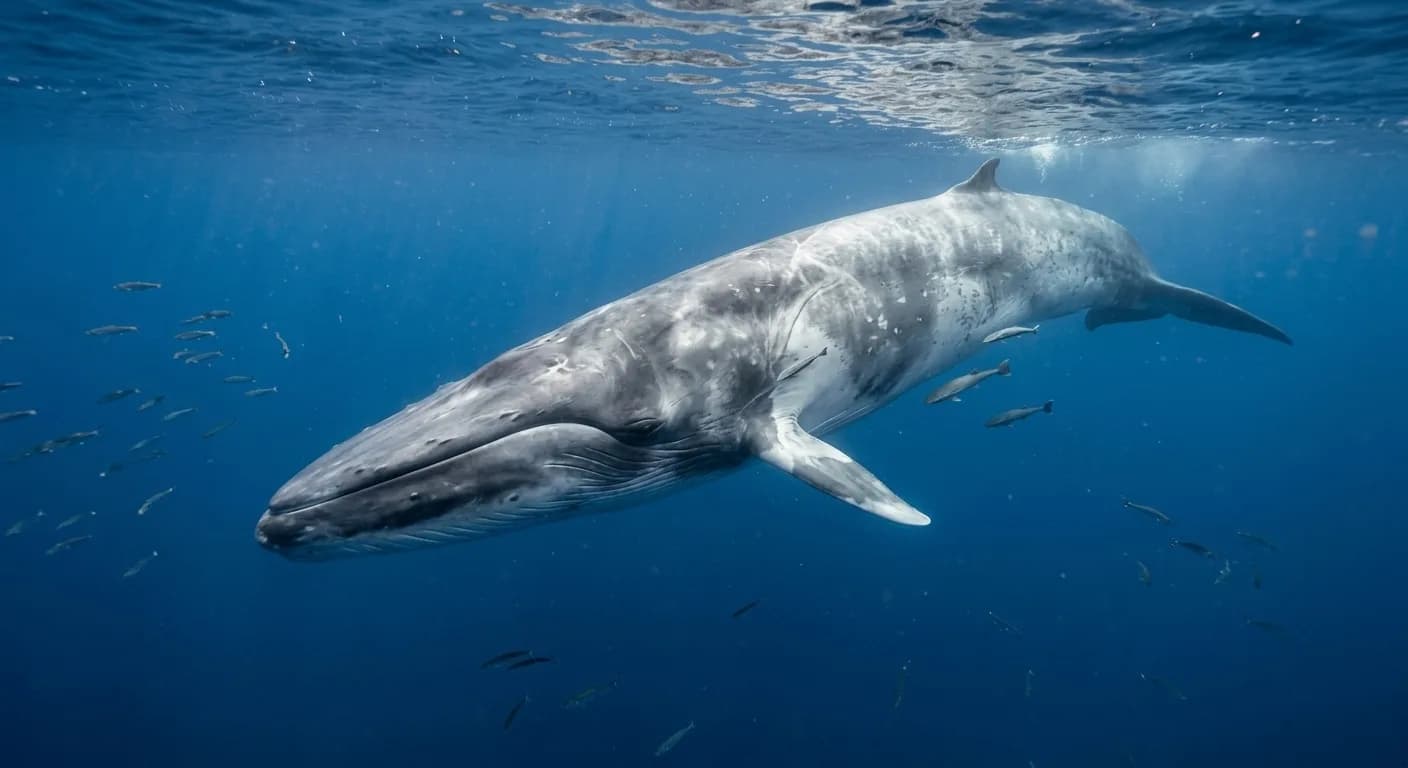
Fin Whale
Balaenoptera physalus
 Endangered
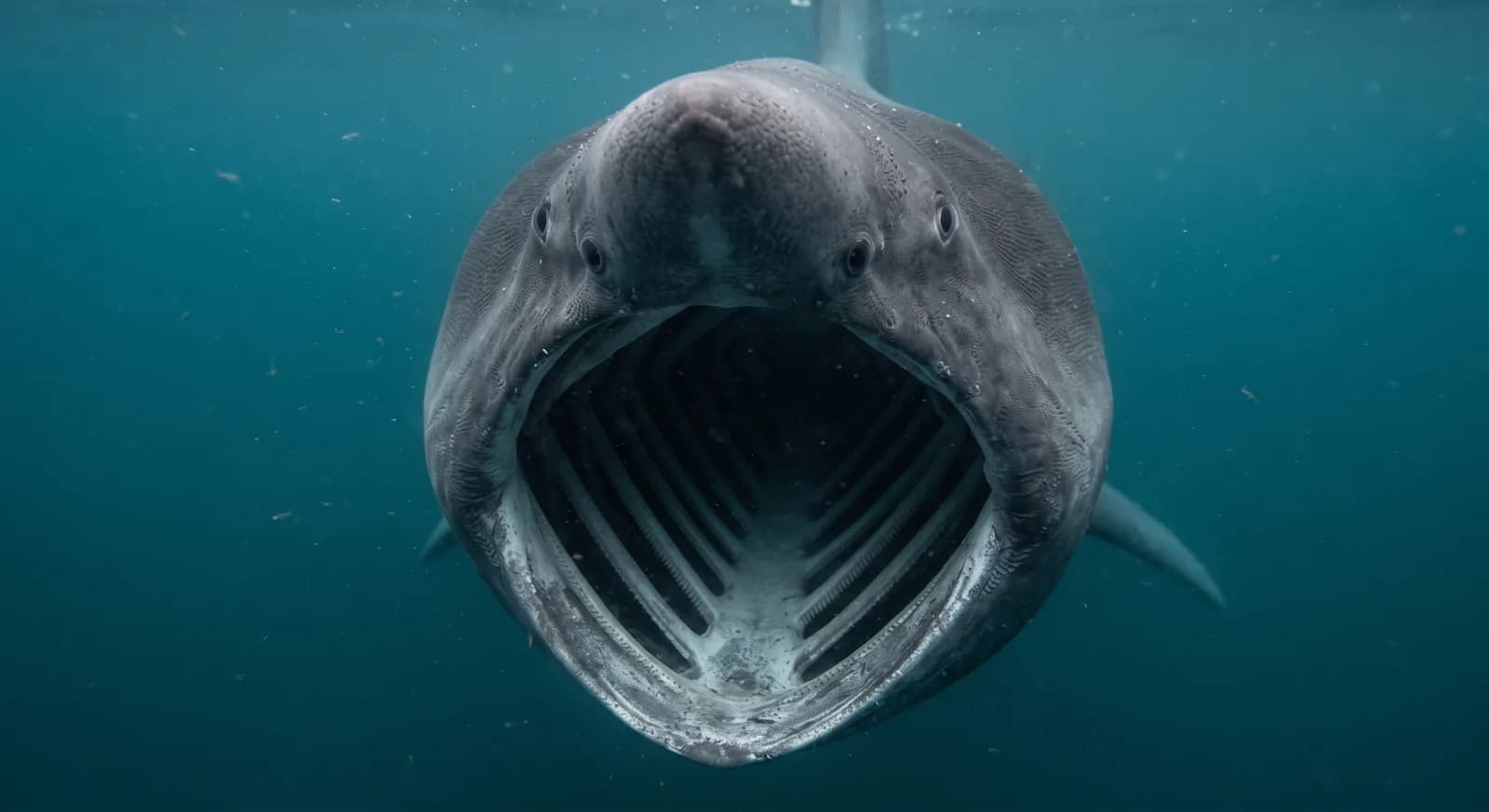
Basking Shark
Cetorhinus maximus
 Vulnerable
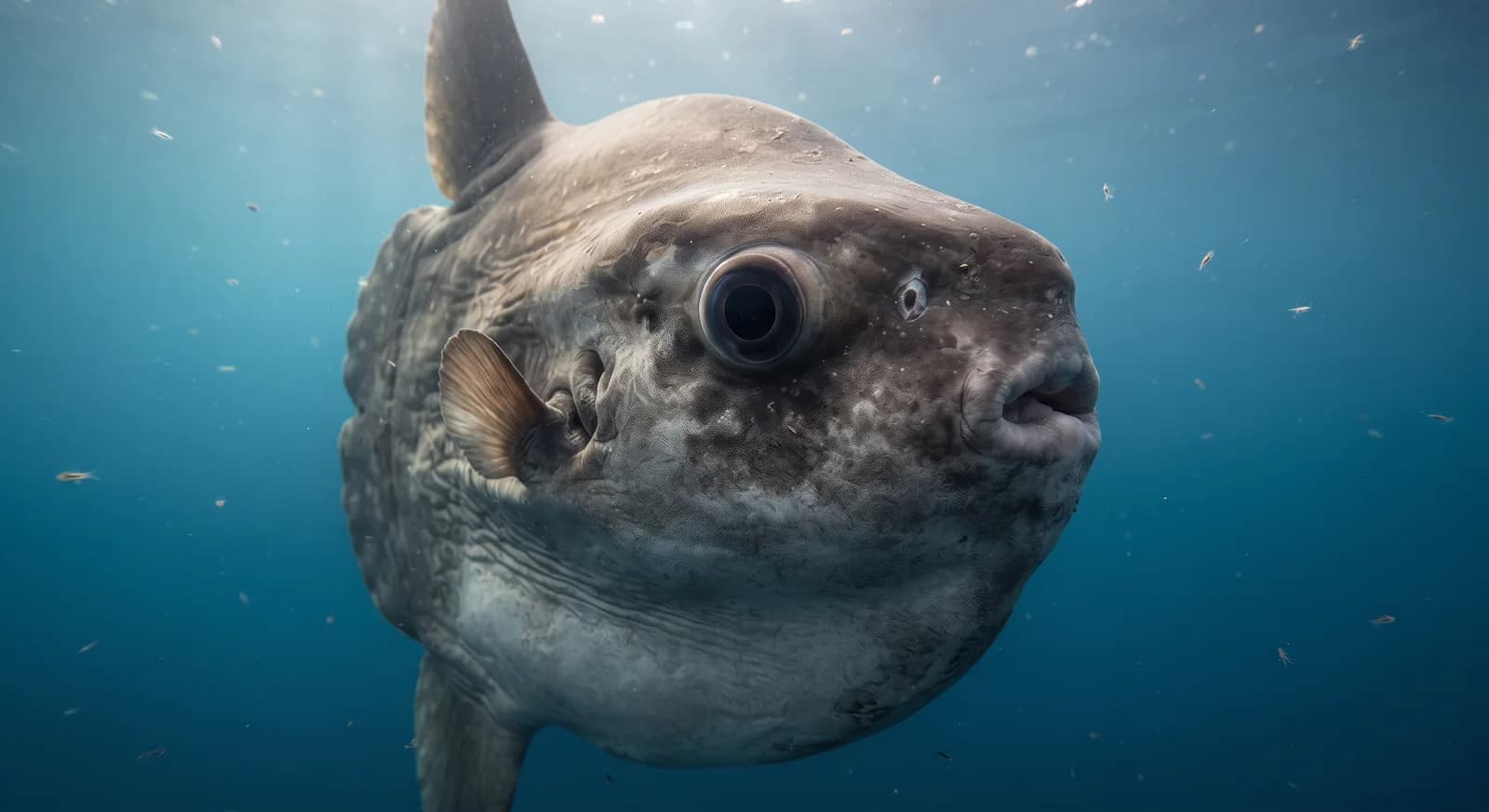
Ocean Sunfish
Mola mola
Blue Crab
Callinectes sapidus
Common Spiny Lobster
Palinurus elephas
Keep exploring
Based on what we already know about purple heart urchin.
Comments
Share an experience, a fun fact or a tip for seeing the purple heart urchin.
Be the first to comment.