Bony fish · Cypriniformes · Cobitidae
Pond Loach
Misgurnus anguillicaudatus
The species is abundant and widely distributed; it faces no significant short-term risk. See full glossary
The pond loach, or weather loach, has an eel-like body covered in mucus and barbels around the mouth. It lives buried in the mud of rice paddies and canals across eastern Asia, stirring the sediment in search of invertebrates. Introduced into Europe, the Americas and Australia, it has naturalised in many rivers.
Size
15 cm – 28 cm
Diet
Omnivore
Combines animal and plant food depending on availability.
Activity
Nocturnal
Active mainly at night.
Social structure
Colony
Lives in large concentrations, often for breeding reasons.
Sighting difficulty
Easy
Fun facts
- It becomes agitated and swims in circles when the air pressure drops before a storm, behaviour that earned it the name of weather loach and that was used for centuries as a household barometer in Japan.
- It breathes through its gut: it gulps air at the surface, absorbs the oxygen through the intestinal wall and expels the rest through the anus.
- It can survive buried in the mud for weeks if the pool dries out.
- It breathes air through its intestine, just like the bronze cory, which lets it hold out in almost oxygen-free water and survive buried in the mud when the water disappears.
- It is known as the weather loach because it grows restless when atmospheric pressure falls before a storm: it is sensitive to barometric changes.
- It has been introduced into Europe, North America and Australia, and in several of those places it is listed as invasive.
- It is farmed and eaten in Japan, Korea and China, where it is a traditional freshwater food fish.
Life cycle & biology
- Skeleton type
- Vertebrate - internal bony skeleton (fish)
- Habitat & environment
- Soft bottoms of rice paddies, canals, ponds and slow-flowing rivers
Sources consulted: FishBase (Froese & Pauly, eds.); Lista Roja de la UICN; Nico y Fuller, USGS
Where to find it
See its range on the interactive mapWhere to watch it
Parques y spots de buceo donde se ha documentado esta especie — se muestran 10 de 15 documentados.
Related species
Other species in the catalogue with the most in common with Pond Loach — same habitat, park, country, tags or family.
Tench
Tinca tinca
Common Bream
Abramis brama
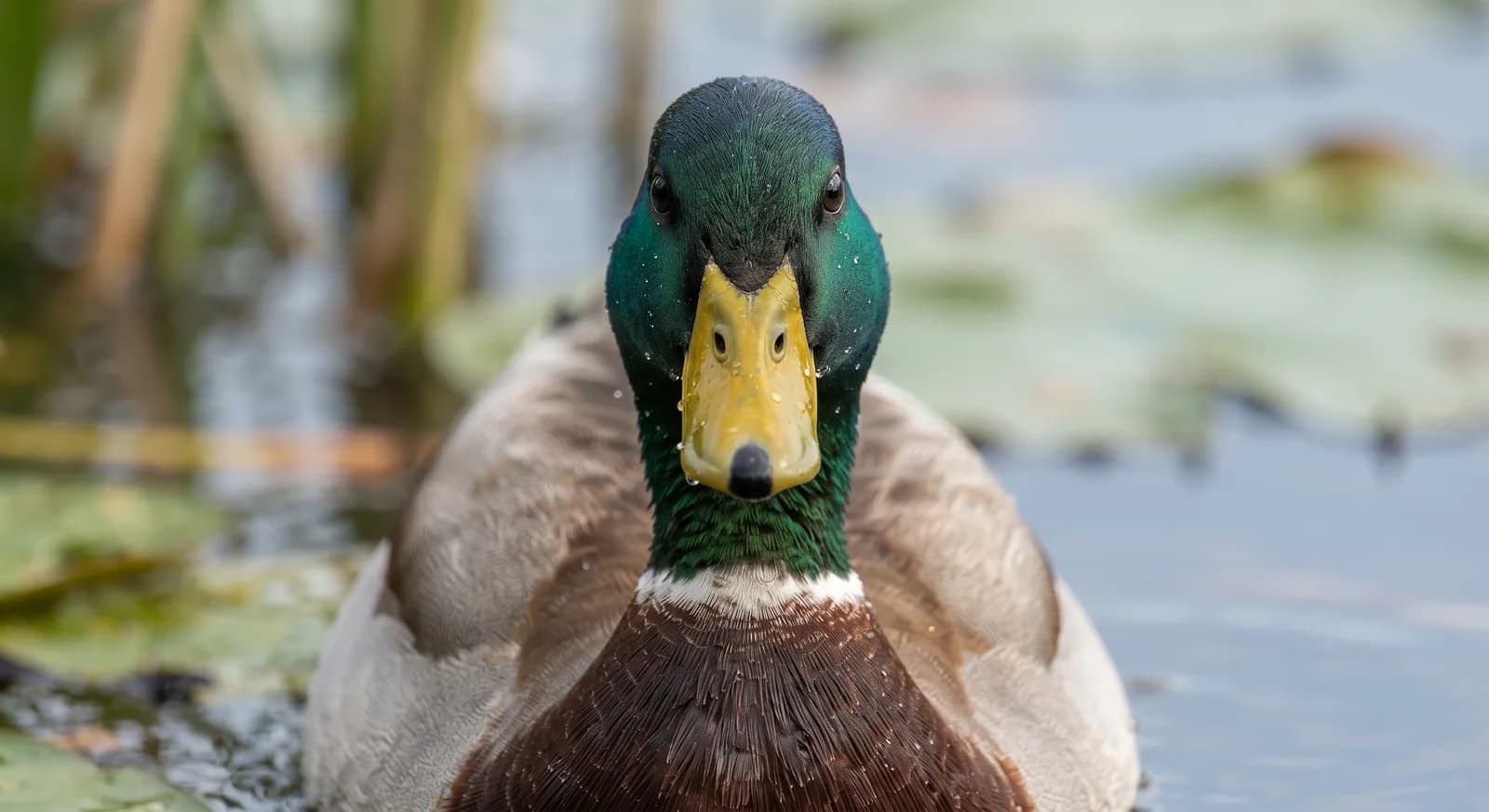 Least Concern
Mallard
Anas platyrhynchos
Eurasian Coot
Fulica atra
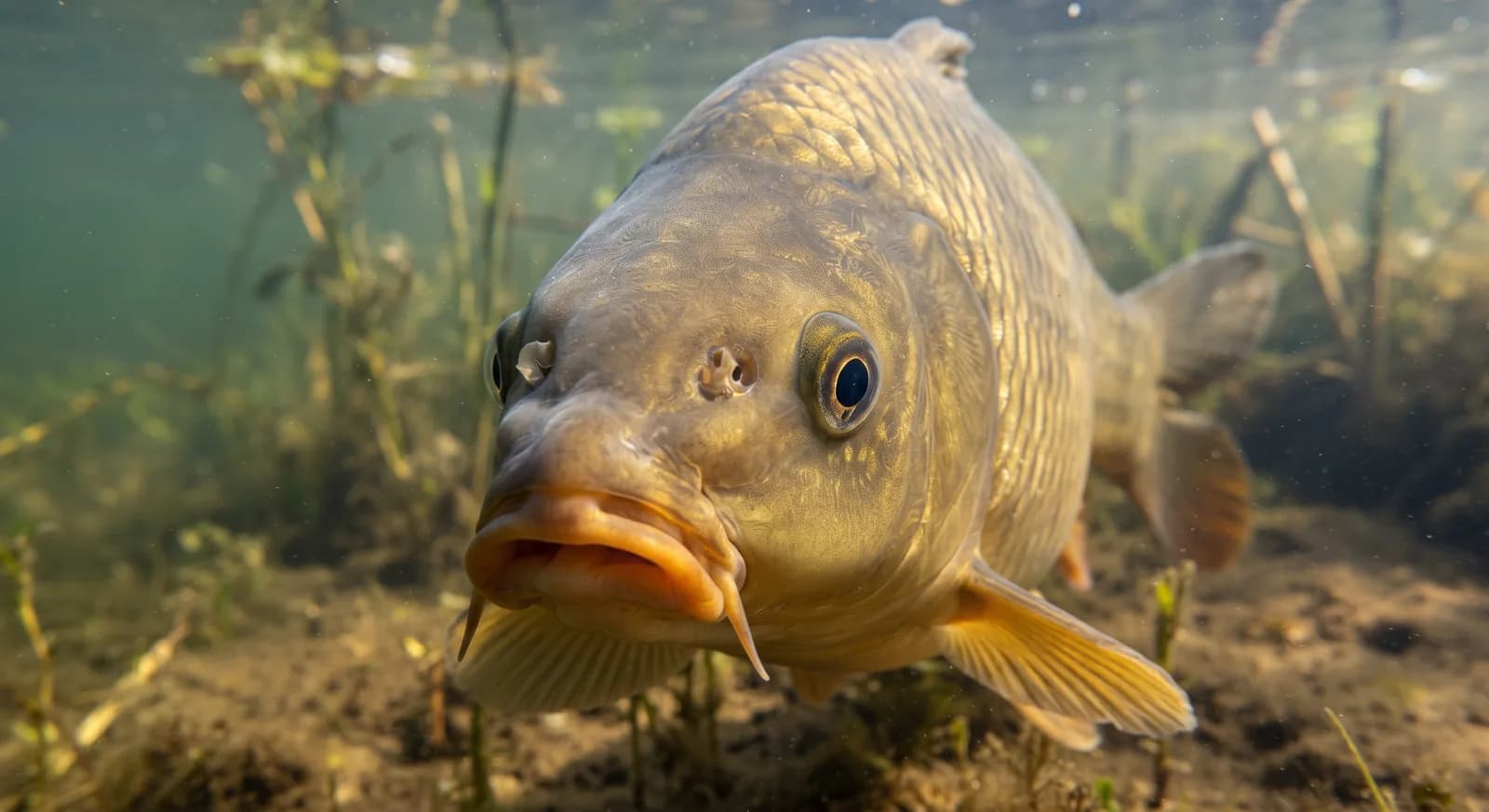 Least Concern
Common Carp
Cyprinus carpio
Barbel
Barbus barbus
Keep exploring
Based on what we already know about pond loach.
Comments
Share an experience, a fun fact or a tip for seeing the pond loach.
Be the first to comment.