One of the 2 barbs on WAnimals
Bony fish · Cypriniformes · Cyprinidae
Barbel
Barbus barbus
The species is abundant and widely distributed; it faces no significant short-term risk. See full glossary
Its eggs are toxic to mammals, humans included, an unusual defence among European cyprinids.
Weight
1 kg – 3 kg
Size
50 cm – 1 m
Lifespan
20 years
Diet
Carnivore
Feeds mainly on other animals.
Activity
Nocturnal
Active mainly at night.
Social structure
School
Gathers in coordinated schools, typical of fish.
Sighting difficulty
Easy
Fun facts
- As many as 130 males may take part in a single spawning over gravel scrapes.
- It eats invertebrates such as crustaceans, insect larvae and molluscs, and occasionally small fish.
- It lives in fast, deep river stretches with gravel or stone beds across northern Europe.
Life cycle & biology
- Skeleton type
- Vertebrate - internal bony skeleton (fish)
- Habitat & environment
- Fast, deep river stretches with gravel or stone beds (the 'barbel zone') of northern Europe, from Great Britain to Lithuania and the Danube basin
- Birth weight
- Tiny larva at hatching
- Size at birth
- Tiny larva at hatching
- Sexual maturity
- 3-4 years
- Gestation / incubation
- The eggs hatch 10-15 days after spawning
- Litter / clutch size
- Hundreds to thousands of non-adhesive eggs laid in 2-3 batches in gravel scrapes; as many as 130 males may take part in a single spawning
Sources consulted: Animalia.bio; Wikipedia; FishBase; ResearchGate; Journals.tubitak.gov.tr
Where to find it
See its range on the interactive mapBest time: From May to July, during spawning, when it runs upriver and gathers in fast stretches over gravel.
Where to watch it
Parques y spots de buceo donde se ha documentado esta especie — se muestran 10 de 67 documentados.
Related species
Other species in the catalogue with the most in common with Barbel — same habitat, park, country, tags or family.
Tench
Tinca tinca
Dace
Leuciscus leuciscus
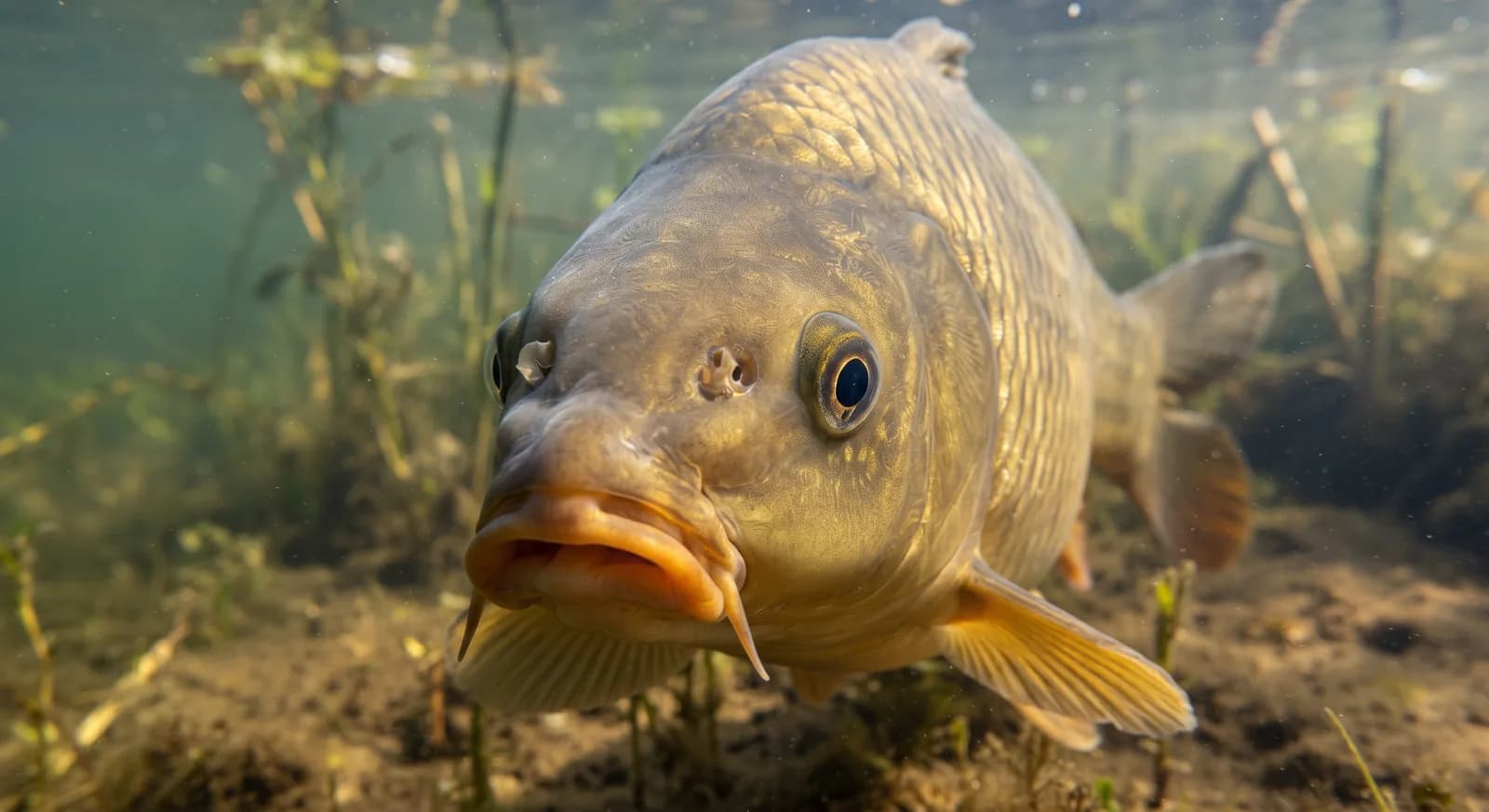 Least Concern
Common Carp
Cyprinus carpio
Wels
Silurus glanis
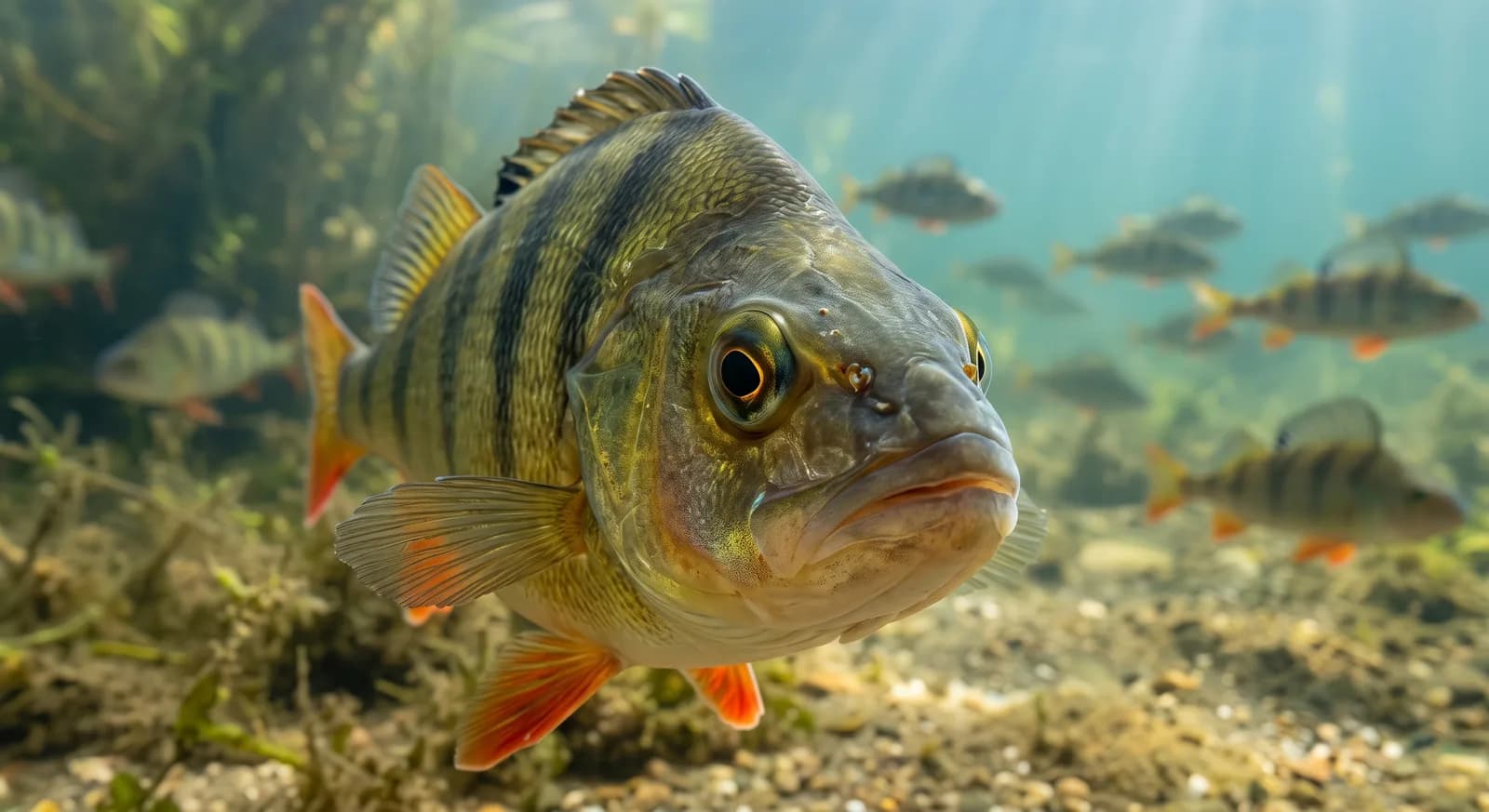 Least Concern
Perch
Perca fluviatilis
Zander
Sander lucioperca
Keep exploring
Based on what we already know about barbel.
Comments
Share an experience, a fun fact or a tip for seeing the barbel.
Be the first to comment.