Bony fish · Cypriniformes · Cyprinidae
Dace
Leuciscus leuciscus
The species is abundant and widely distributed; it faces no significant short-term risk. See full glossary
A cyprinid with an elongated silvery body, a darker back and pale-toned fins. The mouth is terminal or slightly subterminal and the dorsal and anal fins have a concave edge, features that separate it from the other European leuciscids it lives alongside.
Weight
550 g on average
Size
up to 40 cm
Lifespan
16 years
Diet
Omnivore
Combines animal and plant food depending on availability.
Activity
Diurnal
Active mainly during the day.
Social structure
School
Gathers in coordinated schools, typical of fish.
Sighting difficulty
Easy
Fun facts
- It arrived in Ireland as bait fish and has spread there; at least one country attributes negative ecological impacts to it by that route.
- The Siberian and East Asian populations once assigned to this species are in fact distinct species, Leuciscus baicalensis and L. dzungaricus.
Life cycle & biology
- Skeleton type
- Vertebrate - internal bony skeleton (bony fish)
- Habitat & environment
- Middle and upper reaches of European rivers with clear current and gravel beds
- Sexual maturity
- 3.3 years
Sources consulted: IUCN Red List; FishBase; MITECO (Atlas y Libro Rojo de los Peces Continentales de España)
Where to find it
See its range on the interactive mapWhere to watch it
Parques y spots de buceo donde se ha documentado esta especie — se muestran 10 de 101 documentados.
Related species
Other species in the catalogue with the most in common with Dace — same habitat, park, country, tags or family.
Roach
Rutilus rutilus
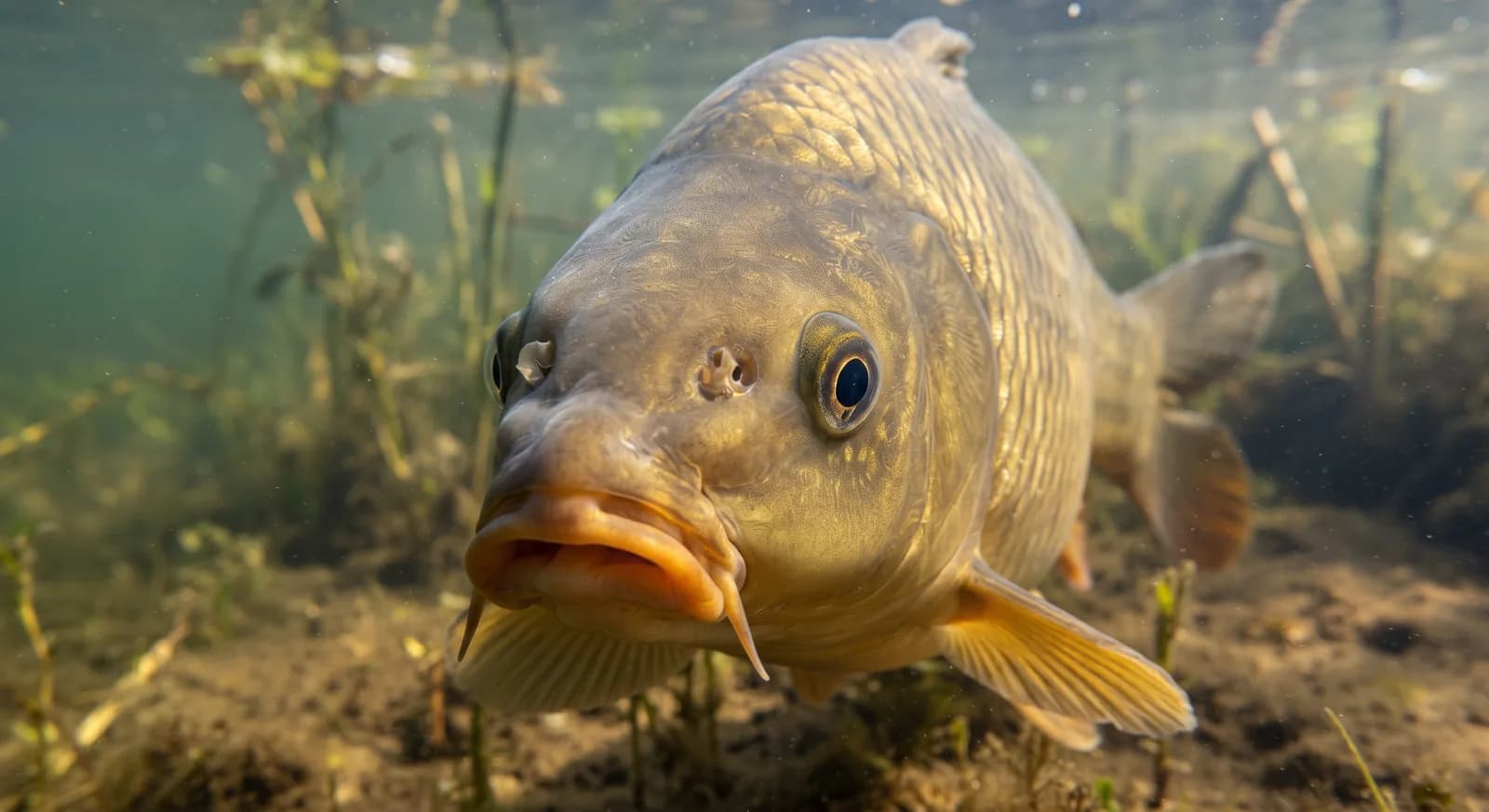 Least Concern
Common Carp
Cyprinus carpio
Barbel
Barbus barbus
Tench
Tinca tinca
Goldfish
Carassius auratus
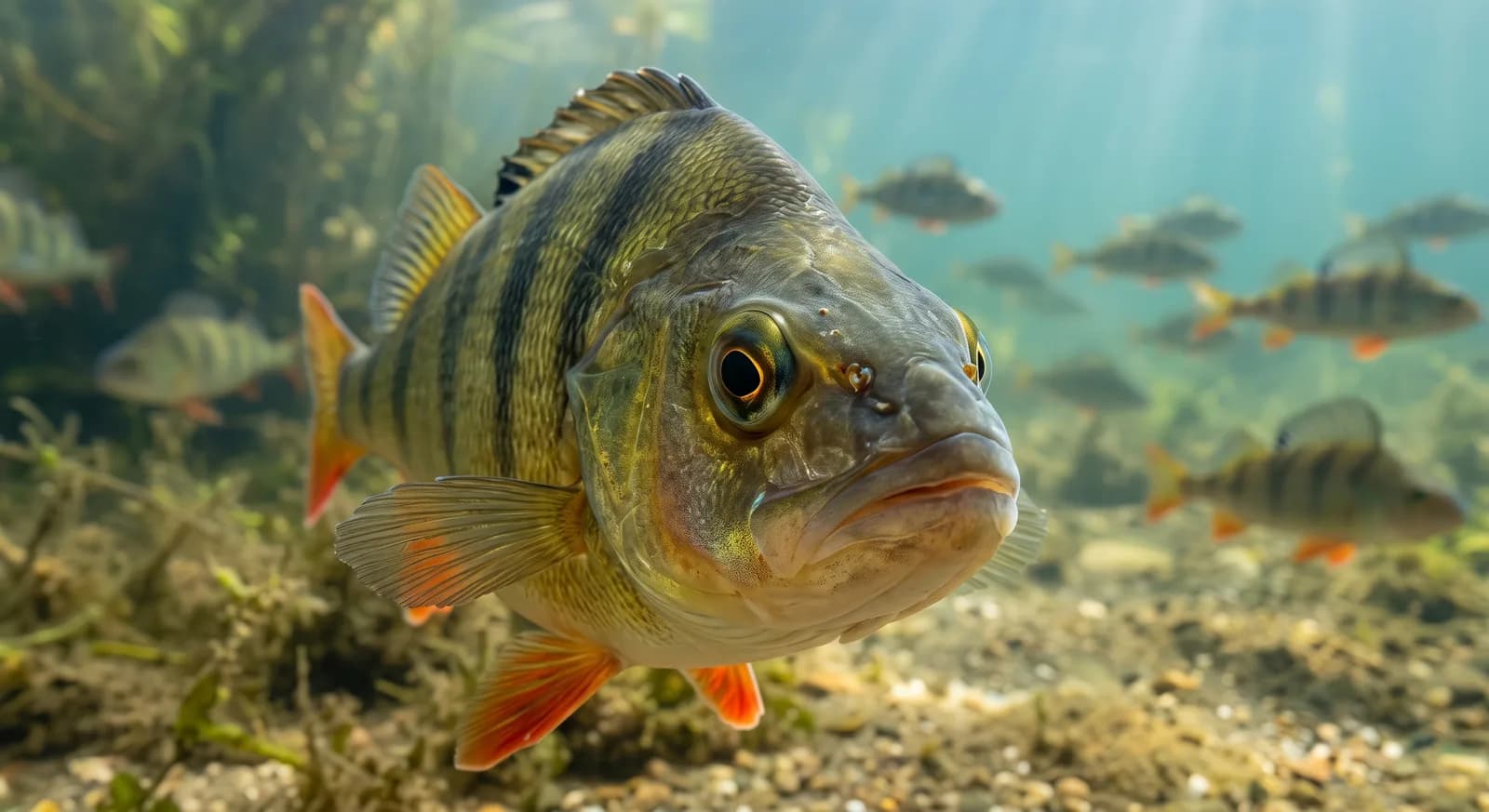 Least Concern
Perch
Perca fluviatilis
Keep exploring
Based on what we already know about dace.
Comments
Share an experience, a fun fact or a tip for seeing the dace.
Be the first to comment.