One of the 15 butterflies on WAnimals
Insects · Lepidoptera · Papilionidae
Apollo
Parnassius apollo
The species is abundant and widely distributed; it faces no significant short-term risk. See full glossary
Fun facts
- GeneralProtected across Europe; its populations sit isolated on mountaintops, like islands.
- The caterpillars feed almost exclusively on stonecrops of the genus Sedum, and overwinter as larvae.
- More than two hundred subspecies have been described, varying in size, wing shape and density of black spots from place to place.
- The red spots on the hindwing fade in the sun, so older individuals have them more orange.
- It is listed in Appendix II of CITES and of the Bern Convention and in Annex IV of the Habitats Directive; in Poland it is critically endangered and in the Czech Republic it is extinct.
Life cycle & biology
- Skeleton type
- Invertebrate - chitin exoskeleton (insect)
- Habitat & environment
- Stony pasture and rocky ground high in the mountains
Sources consulted: https://es.wikipedia.org/wiki/Parnassius_apollo
Where to find it
See its range on the interactive mapWhere to watch it
Parks and dive sites where this species has been documented.
Related species
Other species in the catalogue with the most in common with Apollo — same habitat, park, country, tags or family.
Swallowtail
Papilio machaon
Iberian Scarce Swallowtail
Iphiclides feisthamelii
Western Capercaillie
Tetrao urogallus
Black Grouse
Lyrurus tetrix
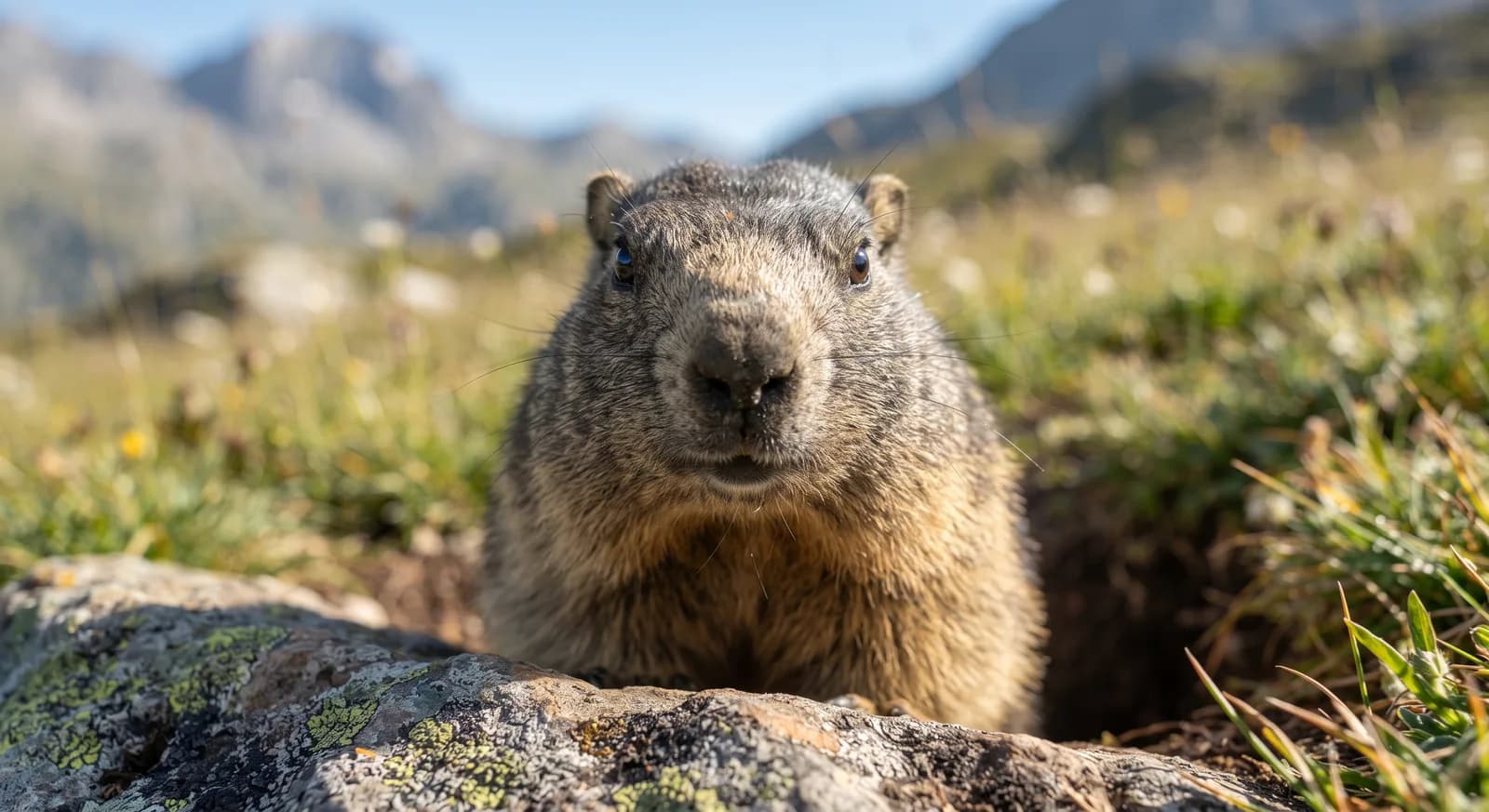 Least Concern
Alpine Marmot
Marmota marmota
Alpine Ibex
Capra ibex
Keep exploring
Based on what we already know about apollo.
Comments
Share an experience, a fun fact or a tip for seeing the apollo.
Be the first to comment.