One of the 3 mussels on WAnimals
Bivalves · Myida · Dreissenidae
Zebra Mussel
Dreissena polymorpha
The species is abundant and widely distributed; it faces no significant short-term risk. See full glossary
The zebra mussel is a freshwater and brackish-water bivalve mollusc. It feeds on plankton and suspended organic matter. It is on the list of the 100 most damaging invasive alien species in the world drawn up by the International Union for Conservation of Nature.
Size
up to 5 cm
Lifespan
5 years
Social structure
Colony
Lives in large concentrations, often for breeding reasons.
Sighting difficulty
Easy
Fun facts
- GeneralAn invader that clogs pipes and channels; it reached the Ebro in 2001.
- It is the only freshwater bivalve that attaches to hard surfaces with a byssus, as marine mussels do, and that is the key to its success as an invader: it colonises pipes, screens and hulls, which native freshwater clams do not.
- It comes from the Ponto-Caspian region and has invaded much of western Europe and North America, above all the Great Lakes.
- It filters so much that it clears the water: by removing phytoplankton it increases light penetration, which changes the temperature and the bottom vegetation and reorders the whole ecosystem.
- In the Great Lakes its invasion was estimated to cost between 2 and 5 billion dollars over a decade, mainly through blockage of water intakes and cooling systems.
- Its ability to accumulate pollutants has made it a standard sentinel species in freshwater biomonitoring, and it is now used as an indicator of microplastics too.
- In some areas it is being displaced by a related Ponto-Caspian invader, the quagga mussel.
Life cycle & biology
- Skeleton type
- Invertebrate - external calcareous bivalve shell (mollusc)
- Habitat & environment
- Reservoirs, rivers and irrigation canals
Sources consulted: https://es.wikipedia.org/wiki/Dreissena_polymorpha
Where to find it
See its range on the interactive mapWhere to watch it
Parks and dive sites where this species has been documented.
Related species
Other species in the catalogue with the most in common with Zebra Mussel — same habitat, park, country, tags or family.
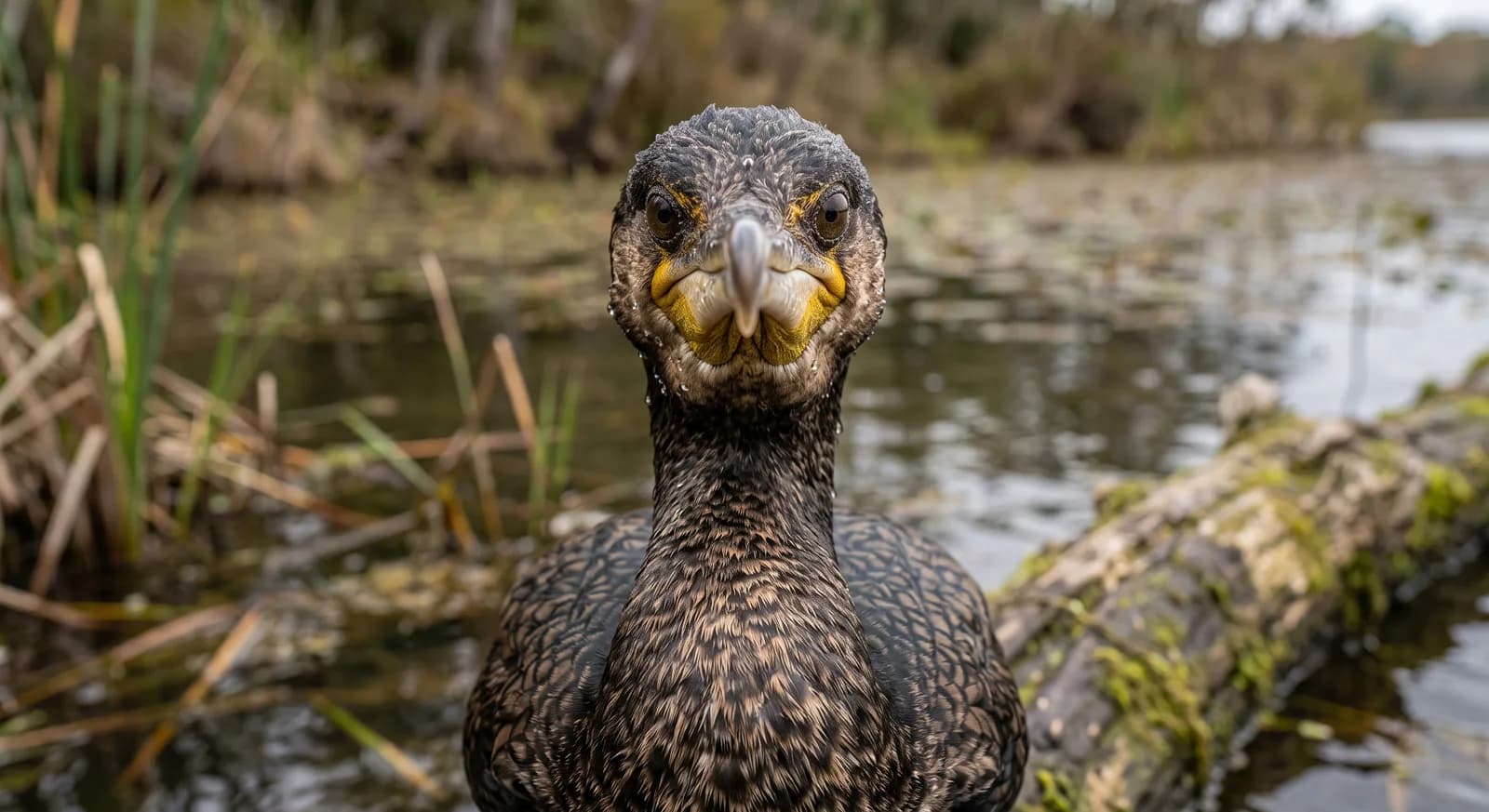 Least Concern
Great Cormorant
Phalacrocorax carbo
Common Cockle
Cerastoderma edule
Painted Turtle
Chrysemys picta
Common Muskrat
Ondatra zibethicus
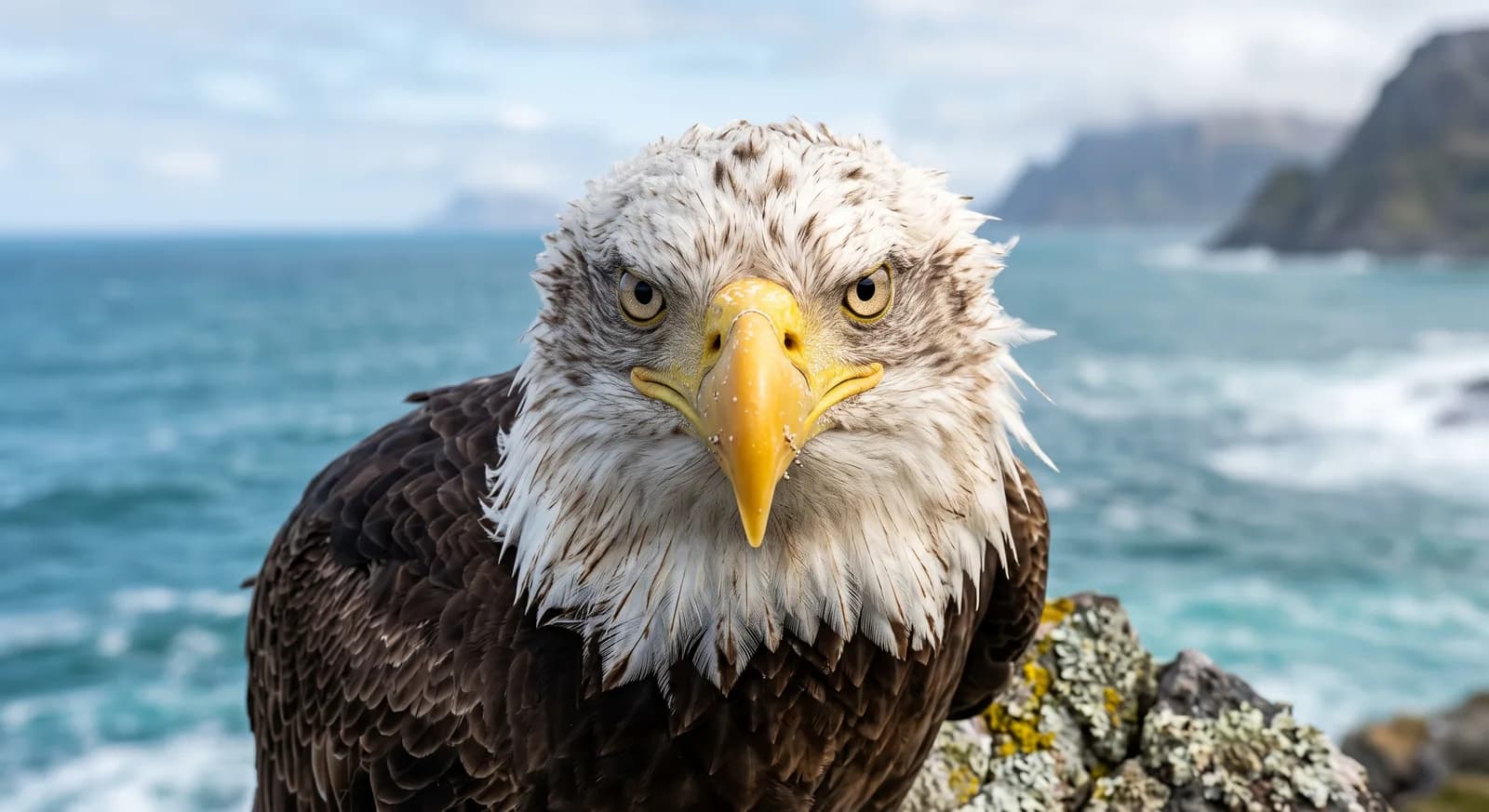 Least Concern
White-tailed Eagle
Haliaeetus albicilla
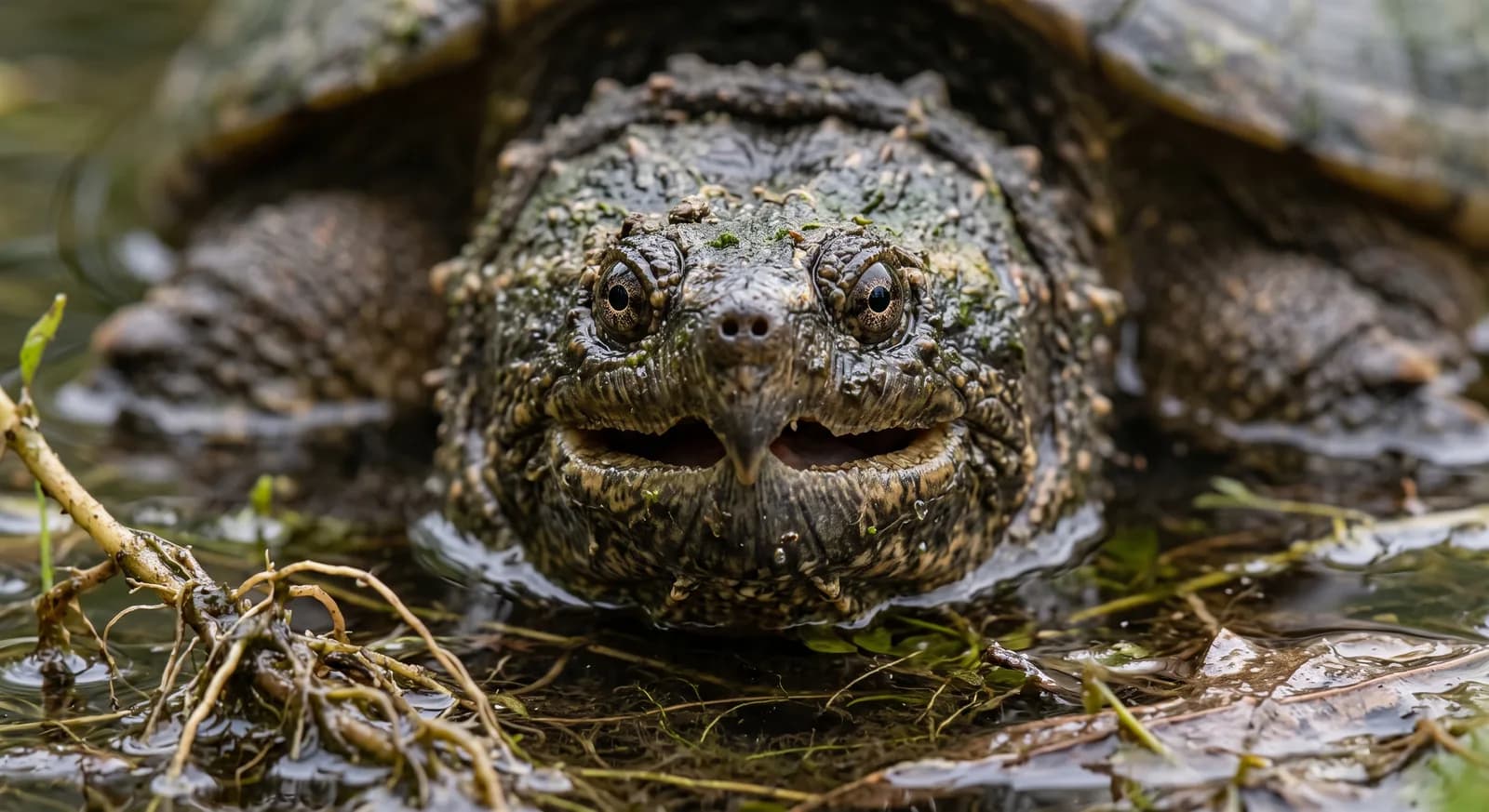 Least Concern
Common Snapping Turtle
Chelydra serpentina
Keep exploring
Based on what we already know about zebra mussel.
Comments
Share an experience, a fun fact or a tip for seeing the zebra mussel.
Be the first to comment.