One of the 5 mosquitoes on WAnimals
Insects · Diptera · Culicidae
African Malaria Mosquito
Anopheles gambiae
It has not yet been assessed against the IUCN criteria. See full glossary
The Anopheles gambiae complex is a species complex comprising 6 species of culicid mosquito, morphologically indistinguishable and belonging to the genus Anopheles, which includes the most important malaria vectors in sub-Saharan Africa and the most efficient malaria vectors in the world. This species complex consists of: Anopheles arabiensis, Anopheles bwambae, Anopheles merus, Anopheles melas, Anopheles quadriannulatus and Anopheles gambiae sensu stricto.
Size
4 cm – 6 cm
Diet
Carnivore
Feeds mainly on other animals.
Activity
Nocturnal
Active mainly at night.
Social structure
Solitary
Lives and hunts alone, joining others only to breed.
Sighting difficulty
Unknown
Fun facts
- It is not one species but a complex of several almost identical species that can be told apart only genetically and that differ greatly in their ability to transmit malaria.
- Its preference for biting at night and indoors is what makes insecticide-treated bed nets so effective, the single measure that has prevented most malaria deaths over the past two decades.
- It is the subject of the first gene drive trials, a technique that seeks to spread through the population a gene that makes it sterile or unable to transmit the parasite.
- It is the main vector of malaria in Africa and, by that route, one of the animals that causes the most human deaths each year.
- Only the females bite, and only to obtain the blood proteins needed to mature their eggs; both sexes normally feed on nectar.
- Its preference for people is extreme: it is almost strictly anthropophilic and bites mostly at night, inside houses. That combination is what makes it so effective at transmitting the parasite, and also what makes treated bed nets work.
- What is called Anopheles gambiae is actually a complex of at least eight sibling species, morphologically identical and with very different transmission capacities, which can only be told apart genetically. That confusion set the fight against malaria back by decades.
- It is the species on which gene drives are being trialled: CRISPR constructs designed to spread through the population a gene that causes female sterility and collapses the species locally. Laboratory trials managed to wipe out entire caged populations, and their possible release in the field is one of the most important open bioethical debates.
Life cycle & biology
- Skeleton type
- Invertebrate - chitin exoskeleton (insect)
- Habitat & environment
- Sunlit pools, cattle hoofprints and temporary standing water in sub-Saharan Africa
Sources consulted: https://es.wikipedia.org/wiki/Complejo_Anopheles_gambiae
Where to find it
See its range on the interactive mapRelated species
Other species in the catalogue with the most in common with African Malaria Mosquito — same habitat, park, country, tags or family.
Northern House Mosquito
Culex pipiens
Yellow Fever Mosquito
Aedes aegypti
Tiger Mosquito
Aedes albopictus
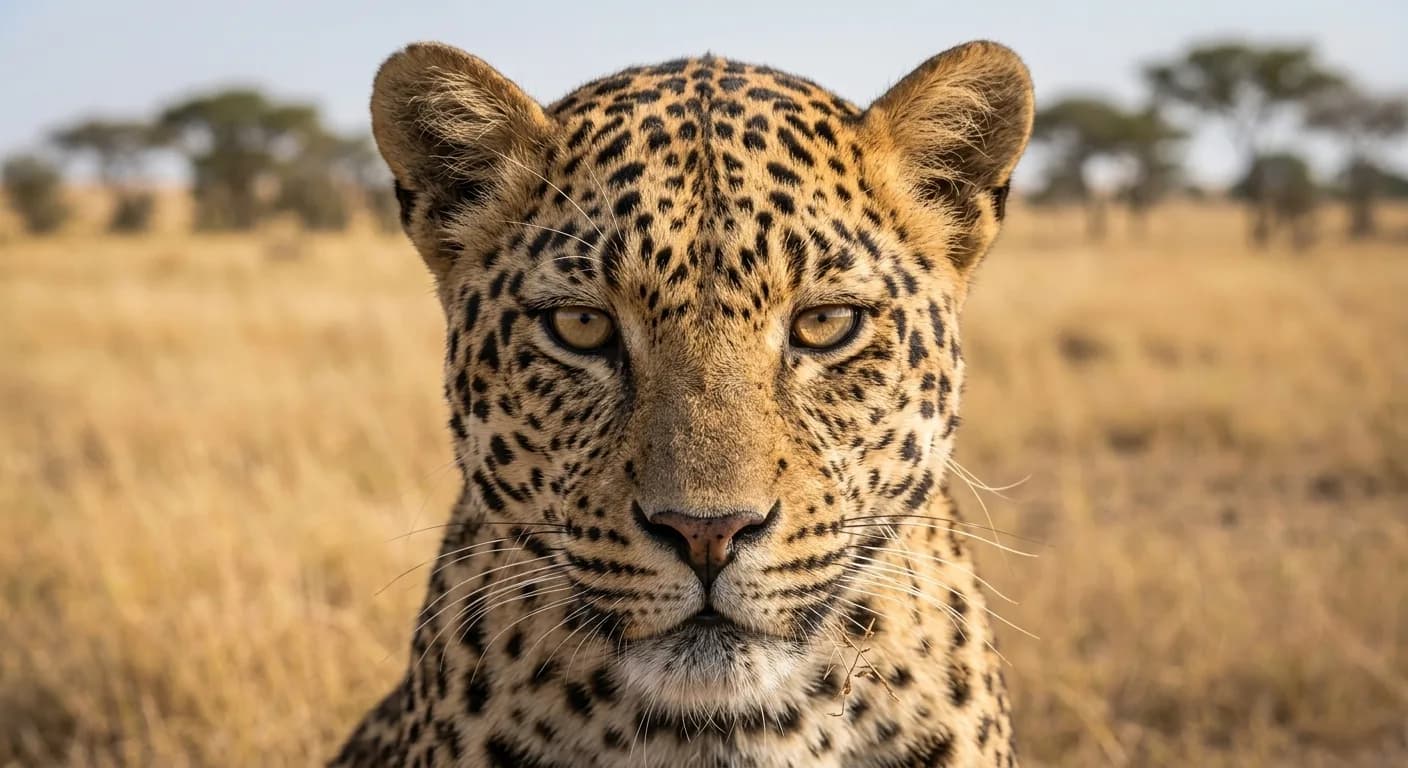 Vulnerable
African Leopard
Panthera pardus pardus
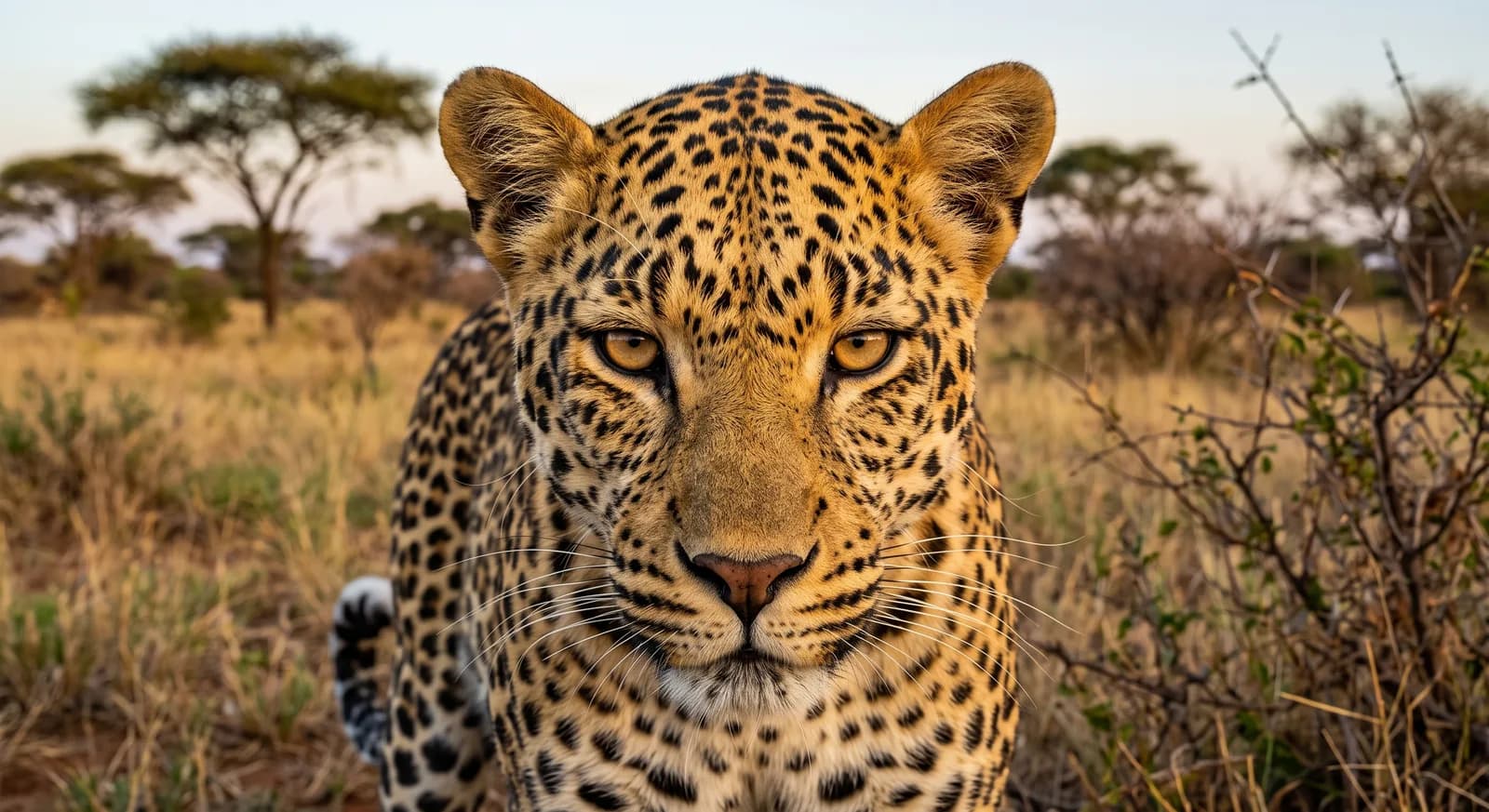 Vulnerable
Leopard
Panthera pardus
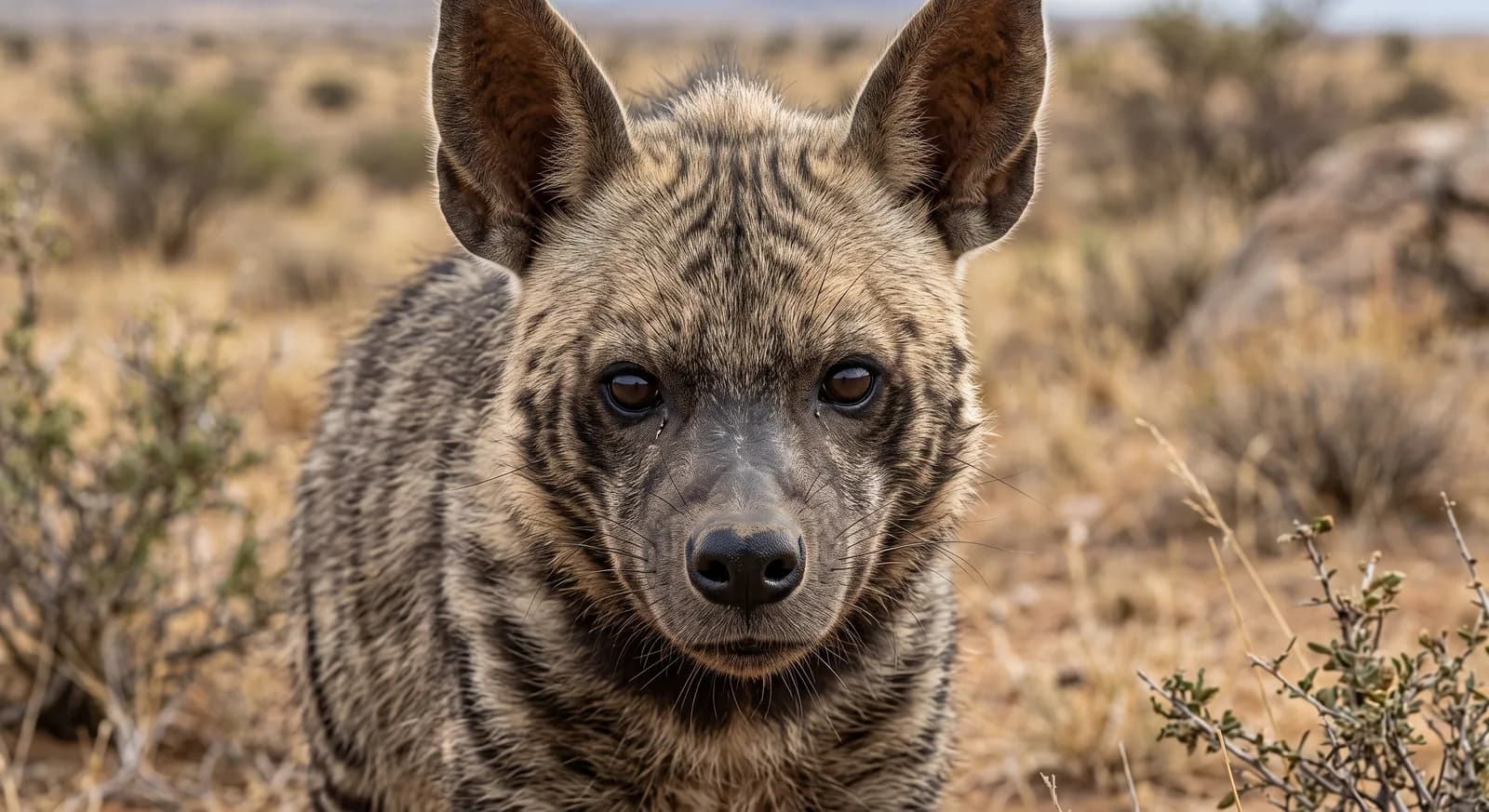 Near Threatened
Striped Hyaena
Hyaena hyaena
Keep exploring
Based on what we already know about african malaria mosquito.
Comments
Share an experience, a fun fact or a tip for seeing the african malaria mosquito.
Be the first to comment.