One of the 5 mosquitoes on WAnimals
Insects · Diptera · Culicidae
Yellow Fever Mosquito
Aedes aegypti
It has not yet been assessed against the IUCN criteria. See full glossary
Aedes aegypti, better known as the yellow fever mosquito, and in Spanish as mosquito del dengue or mosquito momia, is a mosquito that can carry the dengue and yellow fever viruses, as well as other diseases such as chikungunya, Zika fever and Mayaro virus. It is a member of the subgenus Stegomyia, within the genus Aedes.
Size
4 cm – 7 cm
Diet
Carnivore
Feeds mainly on other animals.
Activity
Diurnal
Active mainly during the day.
Social structure
Solitary
Lives and hunts alone, joining others only to breed.
Sighting difficulty
Unknown
Fun facts
- It breeds almost exclusively in artificial containers of clean water: plant pot saucers, tyres, drums and guttering, which has made it a fully urban mosquito.
- Its eggs survive for months when dry and hatch as soon as they are wetted, so they travel the world inside used tyres and ornamental plants.
- Two new techniques are used against it: releasing sterile males and introducing the bacterium Wolbachia, which stops the mosquito from transmitting the viruses.
- It transmits dengue, yellow fever, Zika and chikungunya, and it is the urban mosquito par excellence: it breeds in any container holding clean water in and around houses.
- It bites by day, above all at dawn and dusk, which makes bed nets of little use against it.
- It is an intermittent biter: it interrupts and resumes feeding several times and on several people, which multiplies its effectiveness as a transmitter.
- Its eggs withstand desiccation for months. Laid on the dry wall of a container, they wait for the first rain to hatch, and that is the mechanism by which it travels around the world in used tyres.
- A remarkable strategy is being deployed against it: infecting it with the bacterium Wolbachia, which blocks the replication of the dengue virus inside the mosquito itself and spreads through the population on its own. Trials by the World Mosquito Program in Indonesia managed to cut dengue cases by around 77%.
- It is native to Africa and spread with the slave trade and maritime traffic from the 17th century onwards.
Life cycle & biology
- Skeleton type
- Invertebrate - chitin exoskeleton (insect)
- Habitat & environment
- Tropical and subtropical urban areas, in containers of standing water
Sources consulted: https://es.wikipedia.org/wiki/Aedes_aegypti
Where to find it
See its range on the interactive mapRelated species
Other species in the catalogue with the most in common with Yellow Fever Mosquito — same habitat, park, country, tags or family.
Tiger Mosquito
Aedes albopictus
African Malaria Mosquito
Anopheles gambiae
Northern House Mosquito
Culex pipiens
Common Buzzard
Buteo buteo
Eurasian Hoopoe
Upupa epops
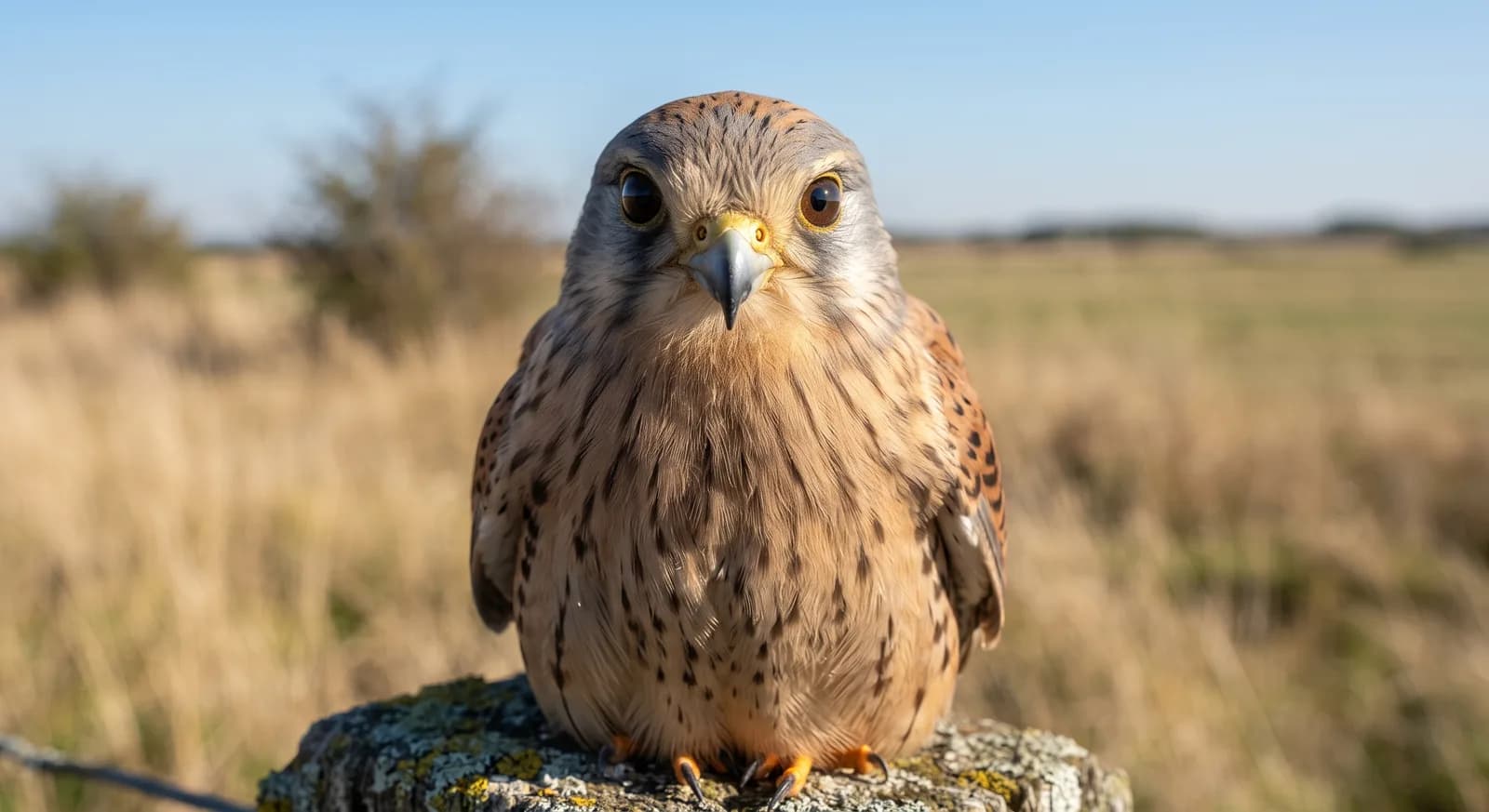 Least Concern
Common Kestrel
Falco tinnunculus
Keep exploring
Based on what we already know about yellow fever mosquito.
Comments
Share an experience, a fun fact or a tip for seeing the yellow fever mosquito.
Be the first to comment.