Skip to content
WAnimals
  • Map
  • Species
  • Parks
  • Diving
Log inCreate account
WAnimals

The guide for travellers and animal lovers: discover, plan and share your wild adventures around the world.

Discover wildlife

  • Species
  • Ecosystems
  • Glossary
  • Tags

Explore places

  • Map
  • Countries
  • Parks
  • Diving

Plan experiences

  • Guides

Learn

  • Blog

Resources

  • Help centre
  • Contact
  • Install the app

Follow us

Account

  • Log in
  • Create account

© 2026 WAnimals. All rights reserved.

About usHow we build our profilesTerms of servicePrivacyLegal notice
MapSpeciesParksDiving
  1. Home
  2. Species
  3. Indian Peafowl

One of the 4 peafowls on WAnimals

Birds · Galliformes · Phasianidae

Indian Peafowl

Pavo cristatus

Least Concern

The species is abundant and widely distributed; it faces no significant short-term risk.

Spotted something wrong?

The Indian peafowl is the national bird of India and probably the best-known ornamental bird on the planet. The male spreads a fan more than two metres across formed from the covert feathers of the tail, covered in iridescent eyespots. It lives in open woodland and farmland on the Indian subcontinent, where it is protected by law and by its religious role, and it has been introduced as an ornamental bird in dozens of countries.

Weight

2.7 kg – 6 kg

Size

1 m – 2.3 m

Life expectancy

20 years

Diet

Omnivore

Combines animal and plant food depending on availability.

Activity

Diurnal

Active mainly during the day.

Social structure

Family group

Lives in small family groups with close bonds.

Sighting difficulty

Easy

RainforestTemperate forestGrassland
37countries34parks21same family

Fun facts

  • The fan is not the tail: it is made of the upper tail coverts, and the real tail is short, grey and hidden behind, holding the structure up from within.
  • The eyespots are not pigment: their colour comes from microscopic photonic crystals in the barbs of the feather, and shifts in tone with the angle of the light.
  • As the male spreads his fan he makes it vibrate, producing a low-frequency sound that females sense at a distance even when they cannot see it: the display is acoustic as well as visual.

Life cycle and biology

Skeleton type
Vertebrate - internal bony skeleton (bird)
Habitat and environment
Open woodland, scrub, crops and gardens of the Indian subcontinent; introduced across half the world
Birth weight
Precocial: born covered in down and leaves the nest within a few hours
Size at birth
Precocial: born covered in down and leaves the nest within a few hours
Sexual maturity
2 years
Gestation / incubation
29 days
Litter / clutch size
5

Sources consulted: https://es.wikipedia.org/wiki/Pavo_cristatus

Where to find it

Best time: From April to September in India and Sri Lanka, in the months before and during the monsoon, when the males display their trains and their call carries a long way.

Loading map…

Where to see it

Parks and dive sites where this species has been documented — showing 10 of 34.

Related species

Other species in the catalogue with the most in common with Indian Peafowl — same habitat, park, country, tags or family.

Same taxonomic family

Keep exploring

Based on what we already know about indian peafowl.

Comments

Share an experience, a fun fact or a tip for seeing the indian peafowl.

Be the first to comment.

See full glossary
This page in other languages: Español · Deutsch · Français · Português · Italiano

The pins mark the parks where its presence is documented.
See its range on the interactive map→
Chitwan National ParkNepal
RanthamboreIndia
GirIndia
PeriyarIndia
Jim CorbettIndia
YalaSri Lanka
Keoladeo (Bharatpur)India
KanhaIndia
BandhavgarhIndia
BardiyaNepal
See all 34 parks
Least Concern

Sri Lanka Junglefowl

Gallus lafayettii

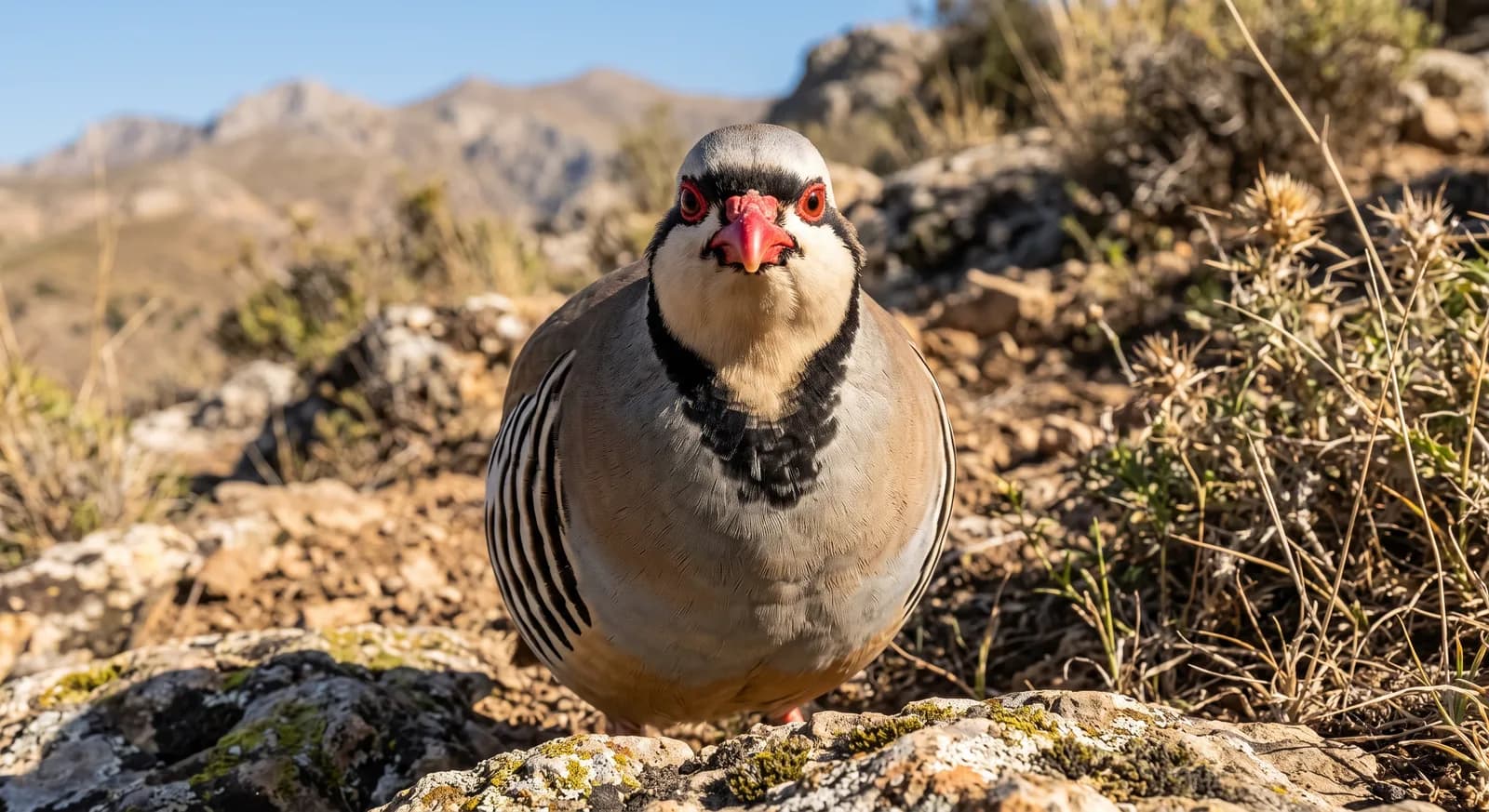
ChukarLeast Concern

Chukar

Alectoris chukar

Least Concern

Wild Turkey

Meleagris gallopavo

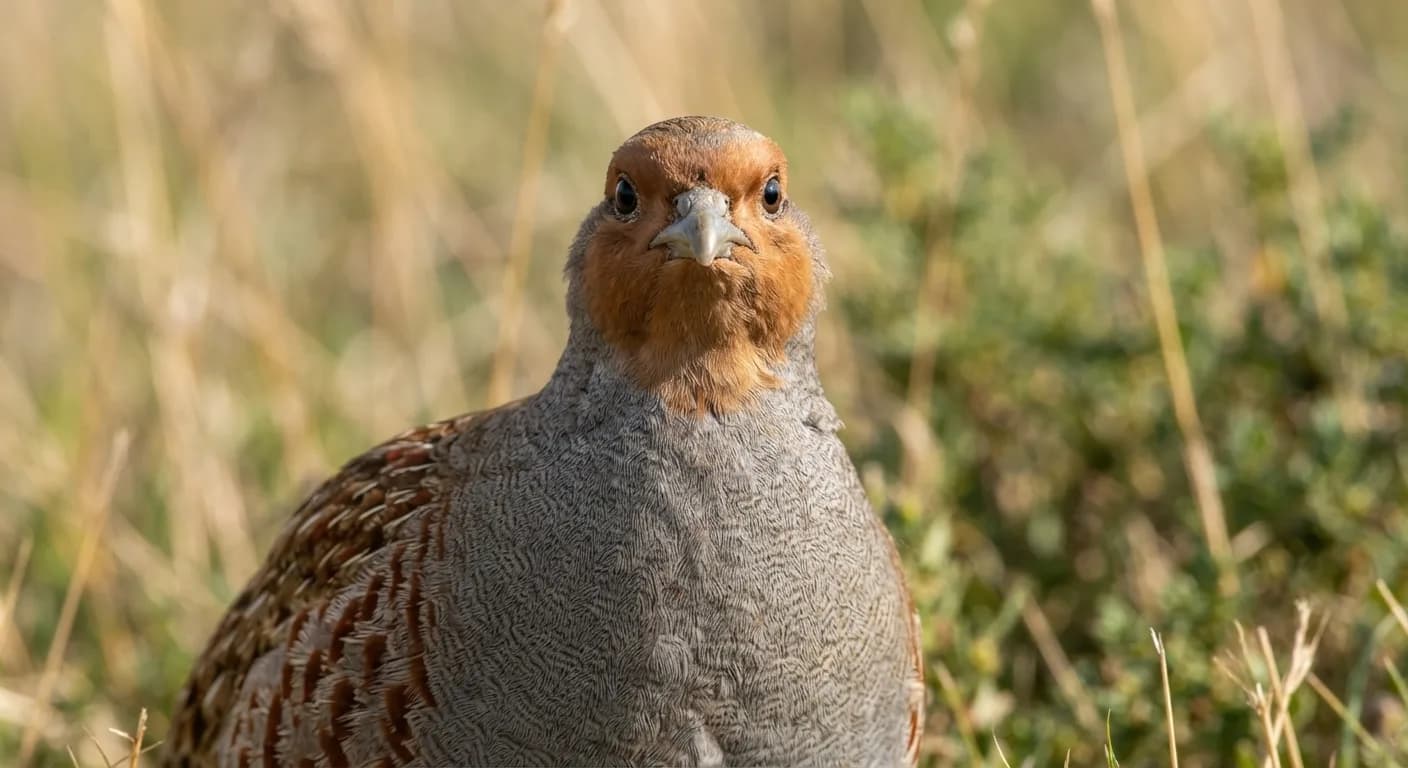
Grey PartridgeLeast Concern

Grey Partridge

Perdix perdix

Golden PheasantLeast Concern

Golden Pheasant

Chrysolophus pictus

Least Concern

Red Junglefowl

Gallus gallus

CountriesIndia
ParksChitwan National ParkNepal
TagsOmnivore
Omnivore
Diurnal
Family group
Bird
Rainforest
Temperate forest
Grassland

Asia15

Europe6

Africa5

North America4

Oceania4

South America3

India
Sri Lanka
Nepal
Pakistan
Afghanistan
Argentina
Afghanistan
Bangladesh
Bhutan
China
India
Indonesia
Iran
Japan
Malaysia
Myanmar
Nepal
Pakistan
Philippines
Sri Lanka
Thailand
France
Germany
Italy
Portugal
Spain
United Kingdom
Kenya
Mauritius
Réunion
South Africa
Tanzania
Bahamas
Mexico
Puerto Rico
United States
Australia
Fiji
New Zealand
Papua New Guinea
Argentina
Brazil
Colombia