Skip to content
WAnimals
  • Map
  • Species
  • Parks
  • Diving
Log inCreate account
WAnimals

The guide for travellers and animal lovers: discover, plan and share your wild adventures around the world.

Discover wildlife

  • Species
  • Ecosystems
  • Glossary
  • Tags

Explore places

  • Map
  • Countries
  • Parks
  • Diving

Plan experiences

  • Guides

Learn

  • Blog

Resources

  • About us
  • How we build our profiles
  • Help centre
  • Contact
  • Install the app

Follow us

Account

  • Log in
  • Create account

© 2026 WAnimals. All rights reserved.

Terms of servicePrivacyCookiesLegal notice
MapSpeciesParksDiving
  1. Home
  2. Species
  3. Red Comb Star

One of the 7 starfish on WAnimals

Starfish · Paxillosida · Astropectinidae

Red Comb Star

Astropecten aranciacus

Not Evaluated

It has not yet been assessed against the IUCN criteria.

Spotted something wrong?

A large orange-red sand star with five stiff arms edged by two rows of plates and spines that give it a comb-like profile. It spends the day buried in the sand and roams the bottom by night hunting molluscs.

Size

20 cm – 60 cm

Diet

Carnivore

Feeds mainly on other animals.

Activity

Nocturnal

Active mainly at night.

Social structure

Solitary

Lives and hunts alone, joining others only to breed.

Ocean
22countries70dive sites

Fun facts

  • Unlike the sea stars that evert their stomach over their prey, this one swallows its victims whole and afterwards expels the empty shells through its mouth.
  • Its tube feet end in a point rather than a sucker: they are adapted for digging in sand, not for gripping rock.
  • It is one of the largest sea stars in the Mediterranean and can exceed half a metre across.
  • It is one of the largest starfish in the Mediterranean, at up to 60 cm from tip to tip.
  • Its tube feet have no suckers, unlike those of the common starfish: they end in a point, and serve for digging and moving over the sand, not for gripping rock.
  • That shapes the way it feeds: since it cannot pull open the valves of a bivalve, it swallows the prey whole, digests it inside its stomach and then expels the empty shell.
  • Its large, spiny marginal plates give it a very pronounced edge that identifies it at a glance.
  • It moves about buried just beneath the surface of the sand, leaving a visible trail.
  • It is an important predator of the soft-bottom bivalves of the Mediterranean.

Life cycle and biology

Skeleton type
Invertebrate - endoskeleton of calcareous plates (echinoderm)
Habitat and environment
Sandy bottoms of the Mediterranean and the nearby Atlantic, from 1 to 180 m

Sources consulted: Marine Life Information Network · Ribi et al., trabajos sobre alimentación en Astropecten · Fauna Ibérica

Where to find it

Loading map…

Where to see it

Parks and dive sites where this species has been documented — showing 10 of 70.

Related species

Other species in the catalogue with the most in common with Red Comb Star — same habitat, park, country, tags or family.

Shares a dive site
Shares a dive site
Shares a dive site
Shares a dive site
Shares a dive site
Shares a dive site

Keep exploring

Based on what we already know about red comb star.

Share an experience, a fun fact or a tip for seeing the red comb star.
See full glossary
This page in other languages: Español · Deutsch · Français · Português · Italiano

The pins mark the dive sites where its presence is documented.
See its range on the interactive map→
Zenobia WreckCyprus
Medes IslandsSpain
Cap de CreusSpain
El Hierro / La RestingaSpain
Museo Atlántico (Lanzarote)Spain
Zakynthos (loggerhead turtle)Greece
Kastellorizo (Blue Cave)Greece
Malta (Blue Hole Gozo / Um El Faroud)Malta
Tavolara (Sardinia)Italy
Plemmirio Marine Reserve (Sicily)Italy
See all 70 dive sites
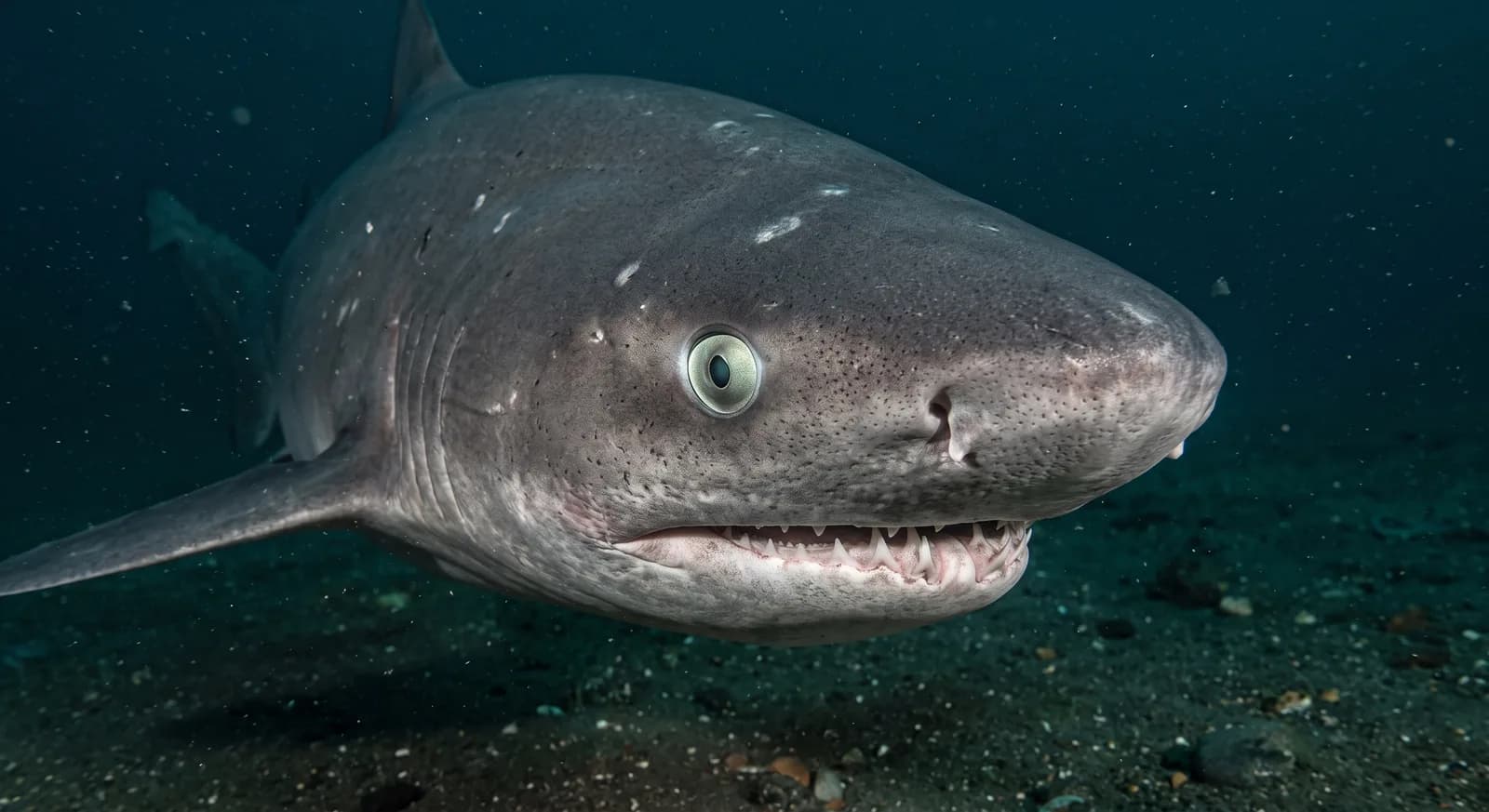
Bluntnose Sixgill SharkNear Threatened

Bluntnose Sixgill Shark

Hexanchus griseus

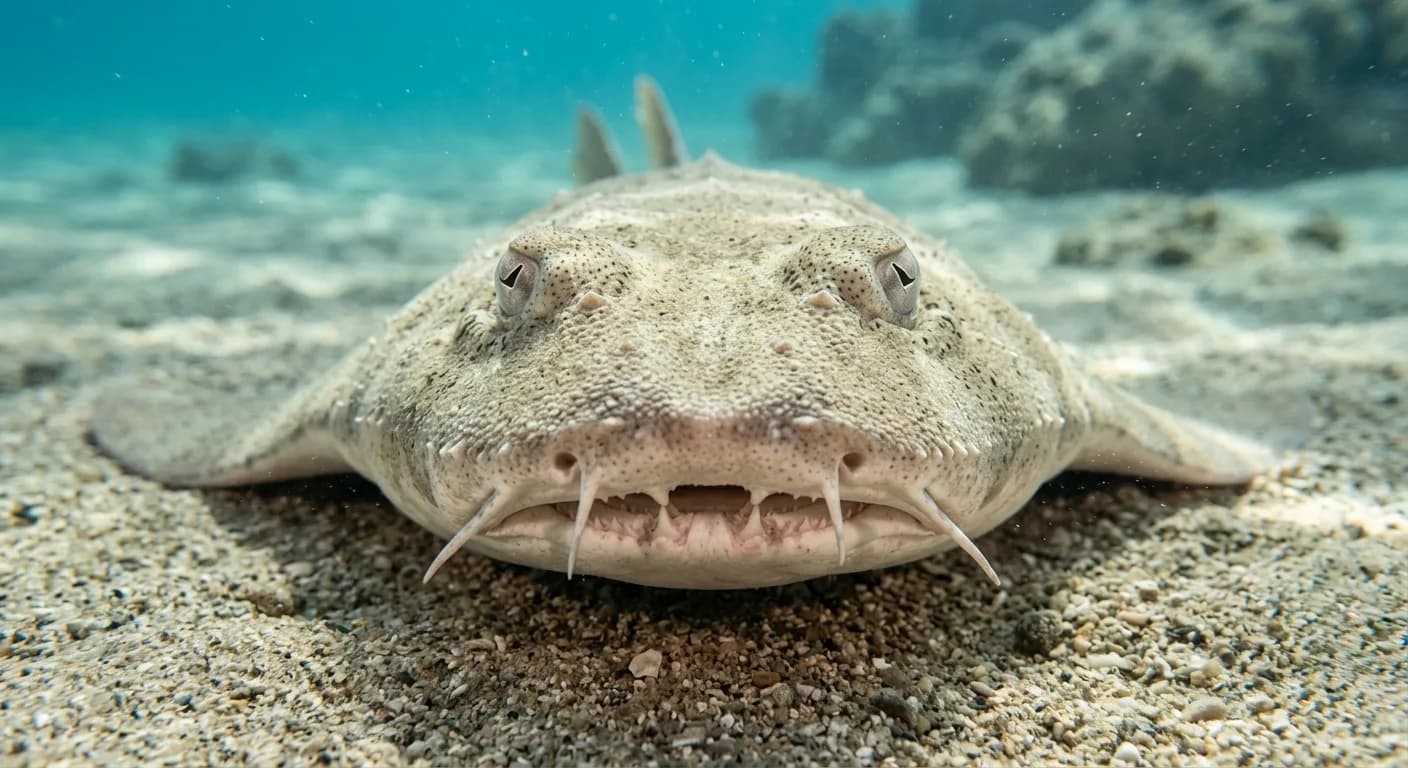
AngelsharkCritically Endangered

Angelshark

Squatina squatina

Near Threatened

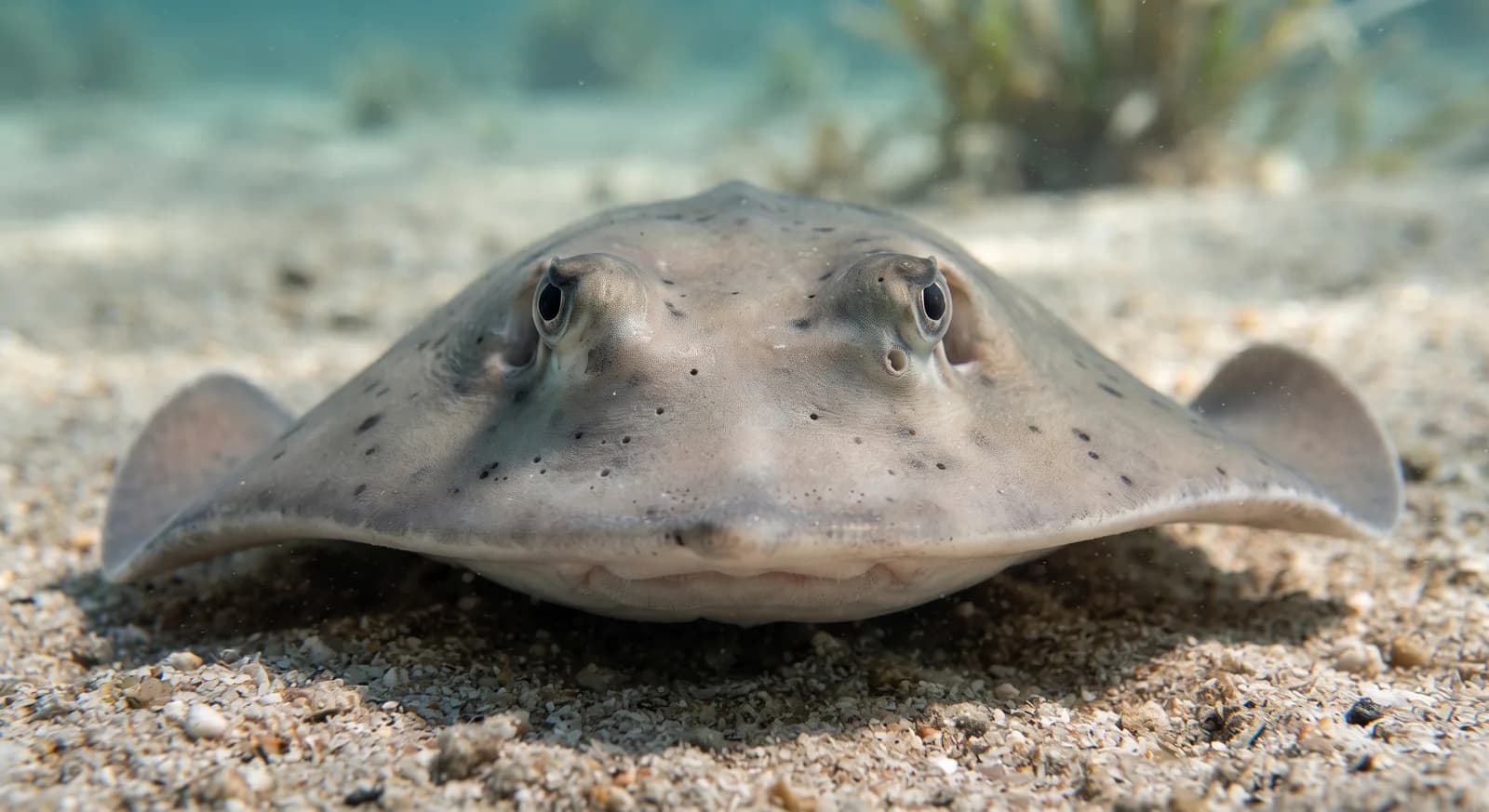
Thornback Ray

Raja clavata

Near Threatened

Common Stingray

Dasyatis pastinaca

Ocellate TorpedoVulnerable

Ocellate Torpedo

Torpedo torpedo

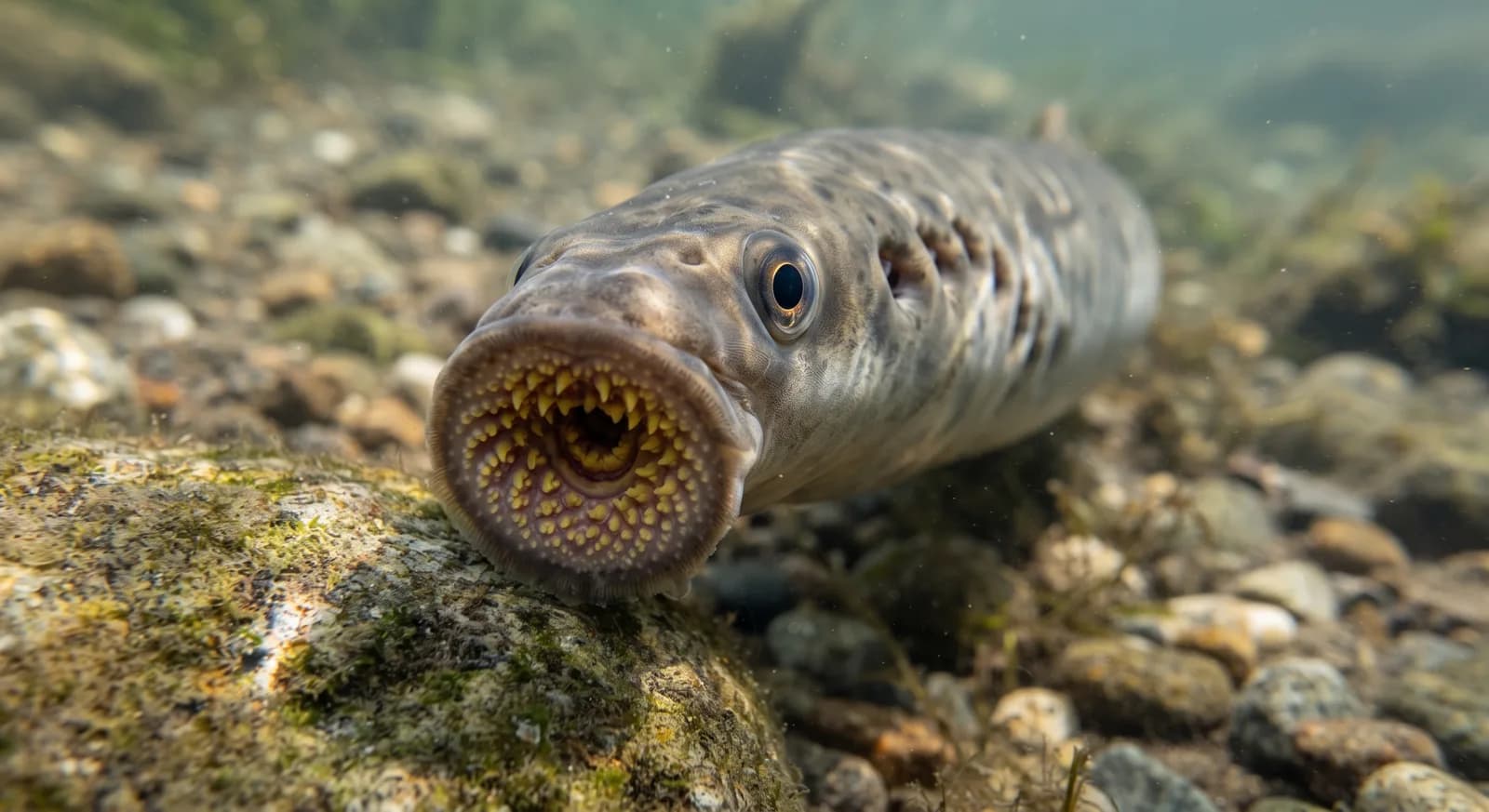
Sea LampreyLeast Concern

Sea Lamprey

Petromyzon marinus

CountriesSpain
TagsCarnivore
Carnivore
Nocturnal
Solitary
Ocean
Echinoderm

Europe13

Africa5

Asia4

Spain
Italy
Greece
Croatia
Portugal
France
Albania
Bosnia and Herzegovina
Croatia
Cyprus
France
Greece
Italy
Malta
Monaco
Montenegro
Portugal
Slovenia
Spain
Algeria
Egypt
Libya
Morocco
Tunisia
Israel
Lebanon
Syria
Türkiye