Skip to content
WAnimals
  • Map
  • Species
  • Parks
  • Diving
Log inCreate account
WAnimals

The guide for travellers and animal lovers: discover, plan and share your wild adventures around the world.

Discover wildlife

  • Species
  • Ecosystems
  • Glossary
  • Tags

Explore places

  • Map
  • Countries
  • Parks
  • Diving

Plan experiences

  • Guides

Learn

  • Blog

Resources

  • About us
  • How we build our profiles
  • Help centre
  • Contact
  • Install the app

Follow us

Account

  • Log in
  • Create account

© 2026 WAnimals. All rights reserved.

Terms of servicePrivacyCookiesLegal notice
MapSpeciesParksDiving
  1. Home
  2. Species
  3. Sea Biscuit

Sea urchins · Clypeasteroida · Clypeasteridae

Sea Biscuit

Clypeaster rosaceus

Not Evaluated

It has not yet been assessed against the IUCN criteria.

Spotted something wrong?

The sea biscuit is a flattened, domed urchin covered in very short, velvety spines, with a five-petalled pattern on its upper surface. It lives half-buried in sandy bottoms and seagrass meadows, digesting the organic matter in the sediment.

Size

8 cm – 15 cm

Diet

Omnivore

Combines animal and plant food depending on availability.

Social structure

Solitary

Lives and hunts alone, joining others only to breed.

33countries27parks

Fun facts

  • The five-petalled pattern on its test marks out areas of tube feet specialised for gas exchange: these are its gills.
  • It covers itself with shell fragments and plant debris held in place by its spines, both to camouflage itself and to weigh itself down against the current.
  • Sea biscuits are urchins that have flattened out to live buried, and have lost the long defensive spines of their relatives.
  • It is a thick, domed sea biscuit, not flat like the sand dollars of Atlantic beaches, and has a characteristic oval outline.
  • It camouflages itself by covering its back with sand grains, shell fragments and scraps of seagrass held in place by its tube feet.
  • Its larvae do something exceptional: they can clone themselves by splitting in two, multiplying the number of individuals at no cost in fertilisation. It was discovered in this species and in other sand dollars.
  • It swallows sediment continuously and sifts it with a set of internal jaws, Aristotle's lantern, which in the sand dollars is flattened.

Life cycle and biology

Skeleton type
Invertebrate - endoskeleton of calcareous plates (echinoderm)
Habitat and environment
Seagrass meadows and sandy bottoms of the Caribbean, from 0 to 50 m

Sources consulted: Linneo (1758) · Eaves y Palmer (2003), Nature · Smithsonian Marine Station

Where to find it

Loading map…

Where to see it

Parks and dive sites where this species has been documented — showing 10 of 27.

Related species

Other species in the catalogue with the most in common with Sea Biscuit — same habitat, park, country, tags or family.

Shares a park
Shares a park
Shares a park
Shares a park
Shares a park
Shares a park

Keep exploring

Based on what we already know about sea biscuit.

Share an experience, a fun fact or a tip for seeing the sea biscuit.
See full glossary
This page in other languages: Español · Deutsch · Français · Português · Italiano
Ocean

The pins mark the parks where its presence is documented.
See its range on the interactive map→
EvergladesUnited States
AcadiaUnited States
Sian Ka'anMexico
Bacalar ChicoBelize
GuanicaPuerto Rico
JaraguaDominican Republic
Virgin Islands (St John)U.S. Virgin Islands
Tobago Main RidgeTrinidad and Tobago
Exuma Cays Land and Sea ParkBahamas
TayronaColombia
See all 27 parks
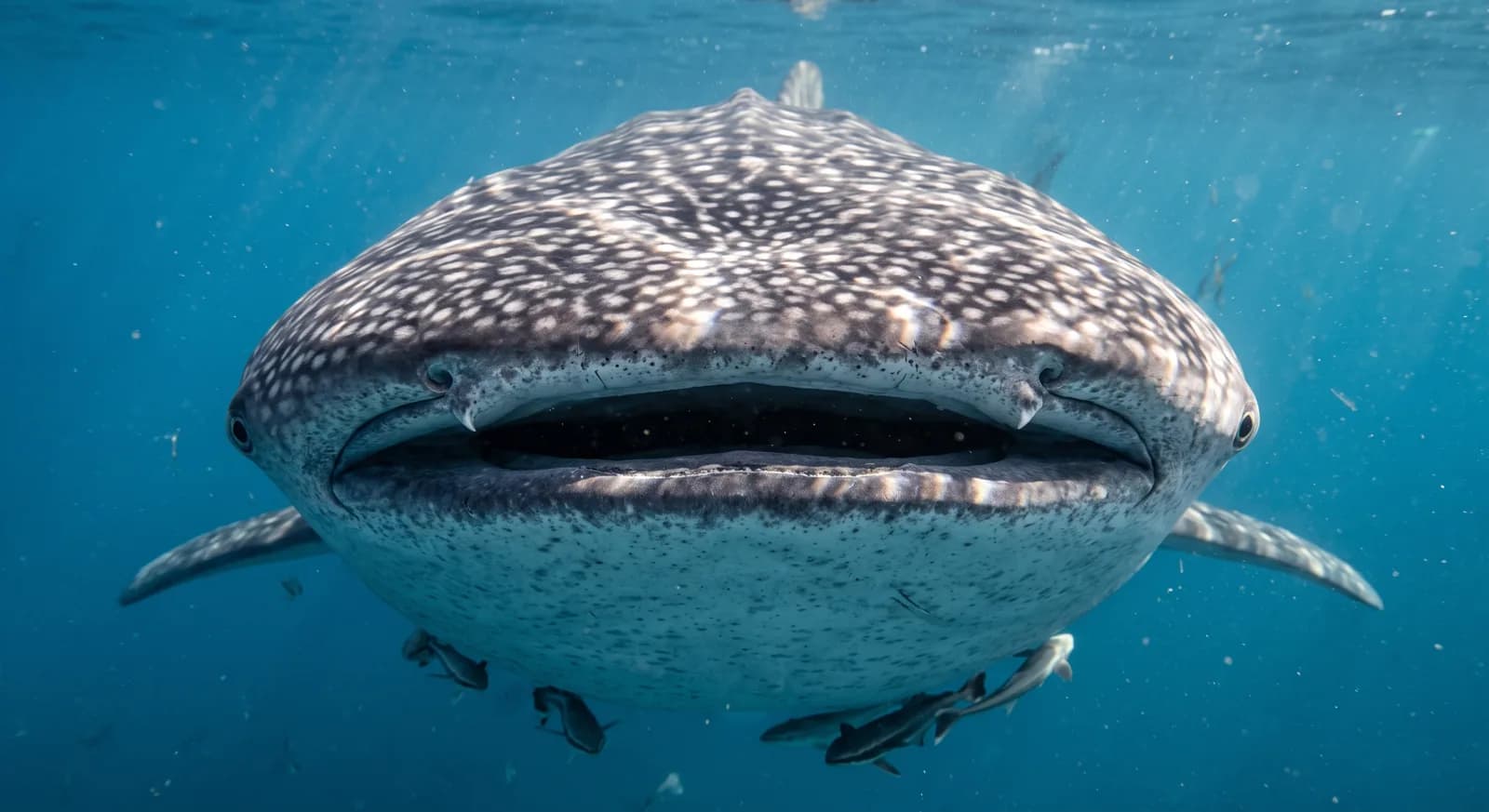
Whale SharkEndangered

Whale Shark

Rhincodon typus

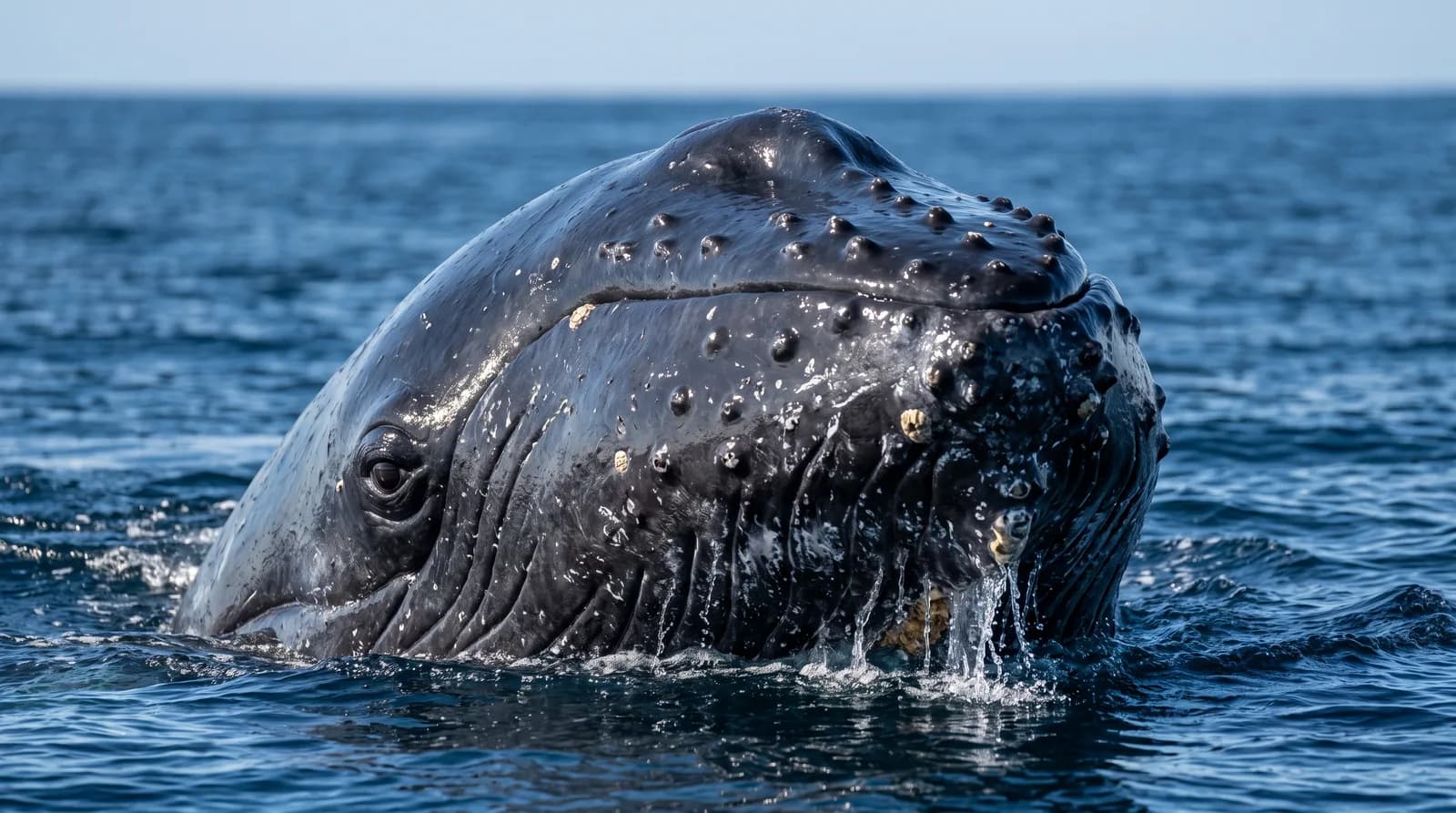
Humpback WhaleLeast Concern

Humpback Whale

Megaptera novaeangliae

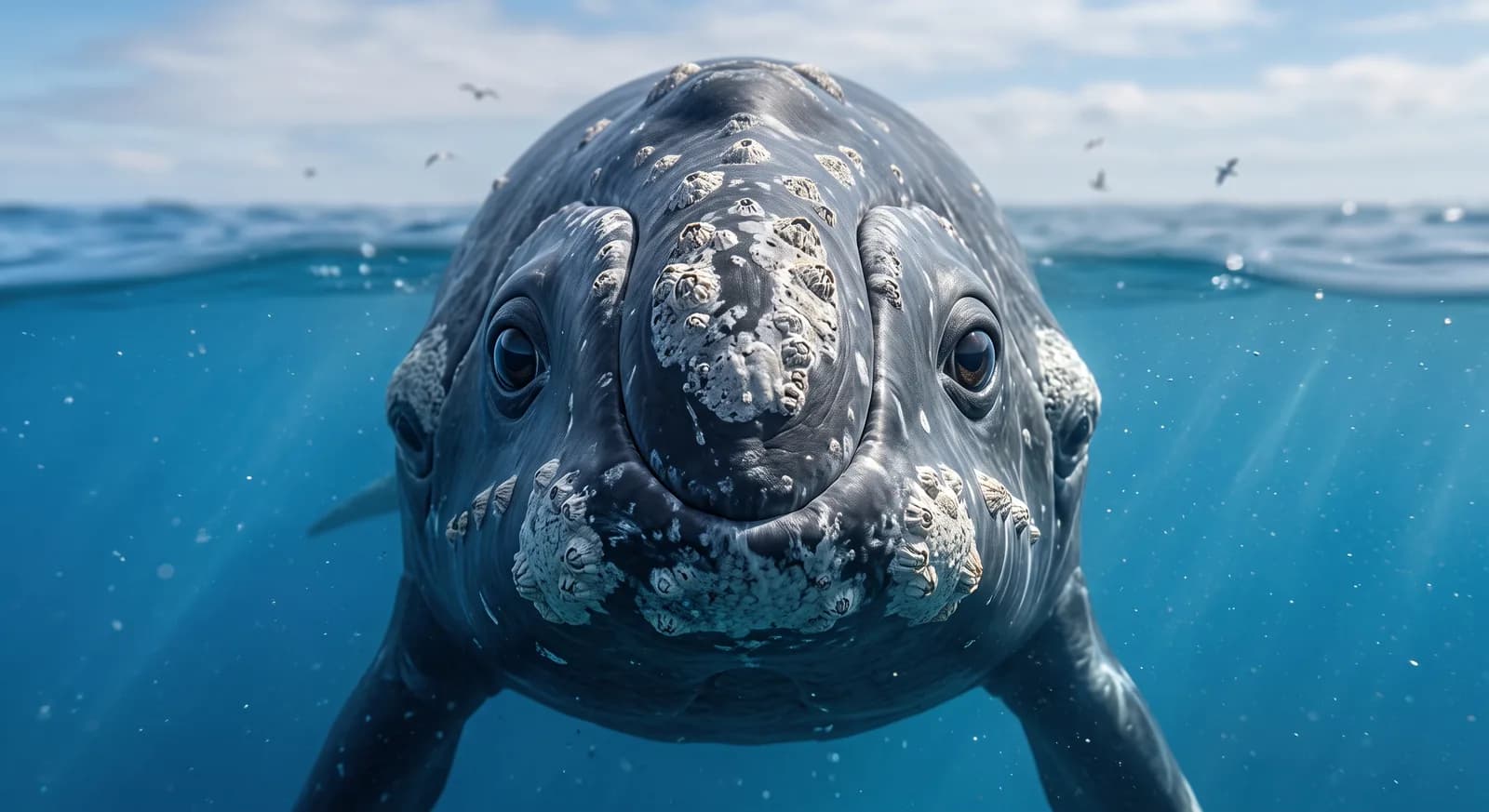
North Atlantic Right WhaleEndangered

North Atlantic Right Whale

Eubalaena glacialis

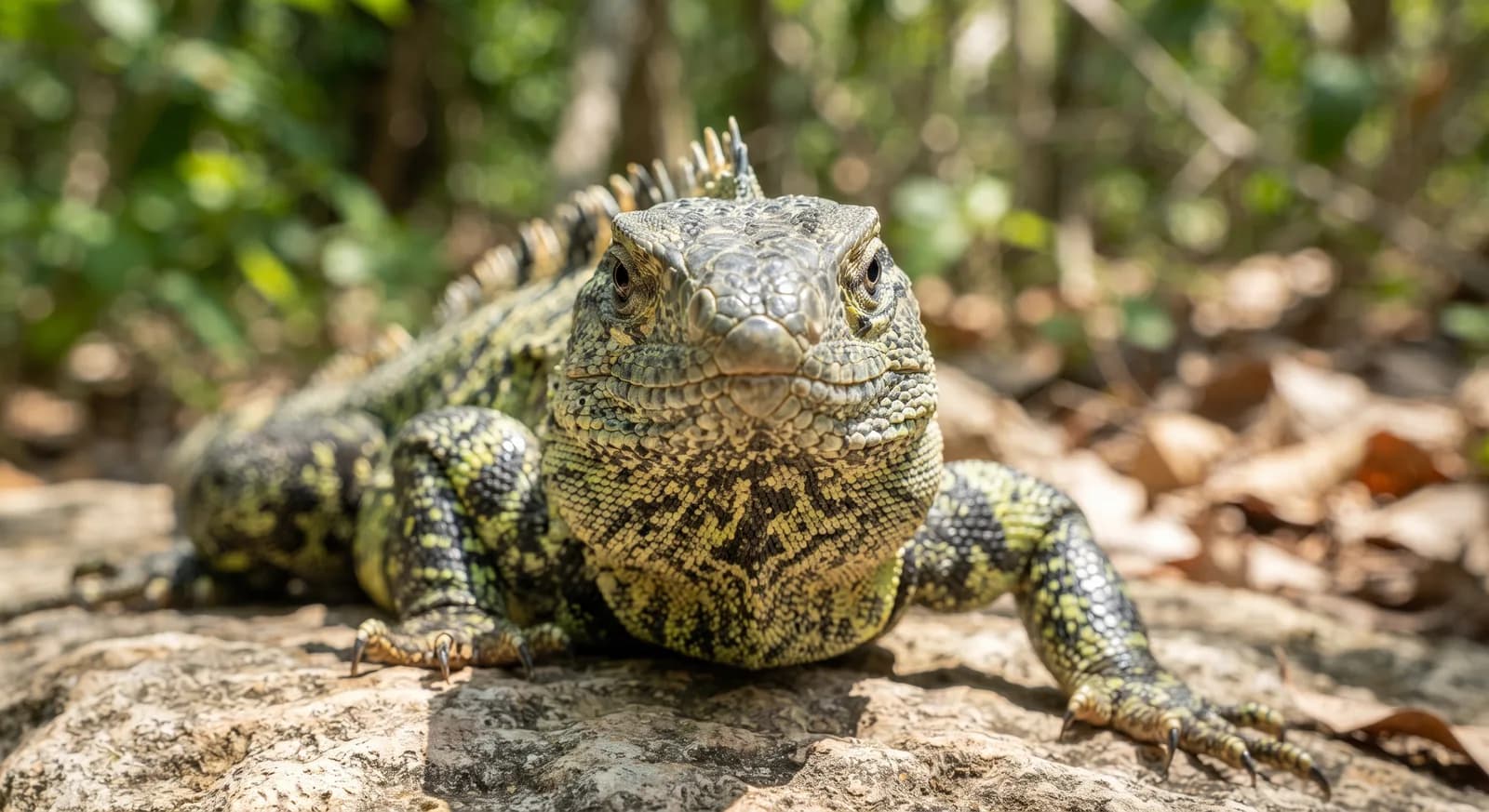
Common Spiny-tailed IguanaLeast Concern

Common Spiny-tailed Iguana

Ctenosaura similis

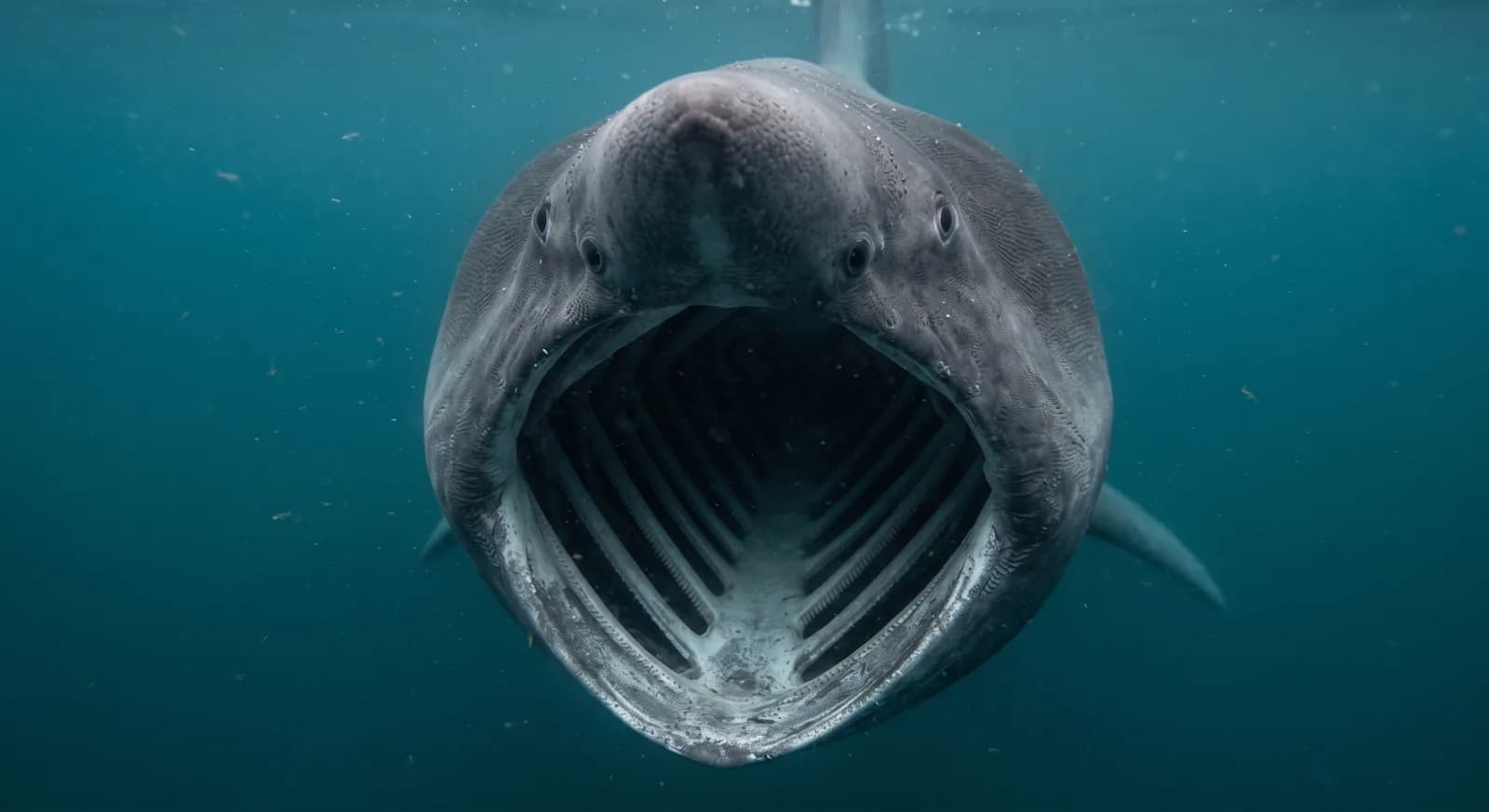
Basking SharkEndangered

Basking Shark

Cetorhinus maximus

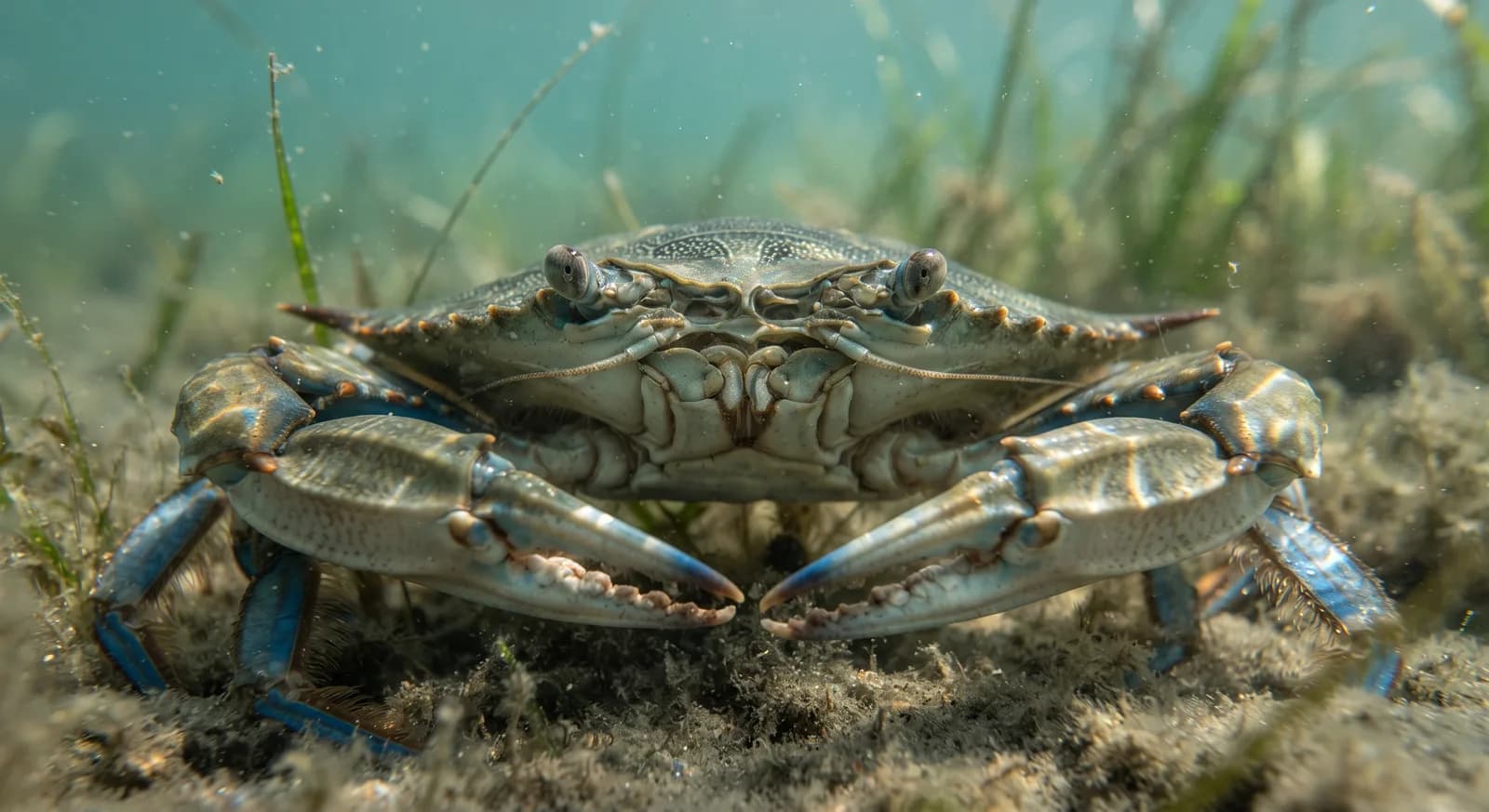
Blue CrabNot Evaluated

Blue Crab

Callinectes sapidus

CountriesUnited States
ParksEvergladesUnited States
TagsOmnivore
Omnivore
Solitary
Ocean
Echinoderm

North America31

South America2

United States
Belize
Mexico
Venezuela
Colombia
Dominican Republic
Anguilla
Antigua and Barbuda
Aruba
Bahamas
Barbados
Belize
Bermuda
British Virgin Islands
Cayman Islands
Costa Rica
Cuba
Curaçao
Dominica
Dominican Republic
Grenada
Guadeloupe
Haiti
Honduras
Jamaica
Martinique
Mexico
Nicaragua
Panama
Puerto Rico
Saint Kitts and Nevis
Saint Lucia
Saint Vincent and Grenadines
Trinidad and Tobago
Turks and Caicos Islands
U.S. Virgin Islands
United States
Colombia
Venezuela