Skip to content
WAnimals
  • Map
  • Species
  • Parks
  • Diving
Log inCreate account
WAnimals

The guide for travellers and animal lovers: discover, plan and share your wild adventures around the world.

Discover wildlife

  • Species
  • Ecosystems
  • Glossary
  • Tags

Explore places

  • Map
  • Countries
  • Parks
  • Diving

Plan experiences

  • Guides

Learn

  • Blog

Resources

  • About us
  • How we build our profiles
  • Help centre
  • Contact
  • Install the app

Follow us

Account

  • Log in
  • Create account

© 2026 WAnimals. All rights reserved.

Terms of servicePrivacyCookiesLegal notice
MapSpeciesParksDiving
  1. Home
  2. Species
  3. Mediterranean Black Widow

One of the 2 widow spiders on WAnimals

Arachnids · Araneae · Theridiidae

Mediterranean Black Widow

Latrodectus tredecimguttatus

Not Evaluated

It has not yet been assessed against the IUCN criteria.

Spotted something wrong?

The Mediterranean black widow has a glossy black body dotted with thirteen red or orange spots on the back. It weaves irregular, tough webs at ground level, among stones and stubble on cereal steppes. Its venom is neurotoxic and causes latrodectism, a painful but rarely fatal condition.

Size

up to 1.5 cm

Diet

Carnivore

Feeds mainly on other animals.

Activity

Nocturnal

Active mainly at night.

Social structure

Solitary

Lives and hunts alone, joining others only to breed.

Grassland
26countries81parks3same family

Fun facts

  • GeneralIt has 13 red spots on its abdomen; it occurs in Spain but is very unaggressive.
  • Historically it caused outbreaks of latrodectism among harvesters in Spain, Italy and the Balkans, when hand reaping coincided with the peak abundance of the females.
  • Only the adult female can bite effectively: the male is minute and his chelicerae cannot pierce human skin.
  • A specific antivenom exists, and with treatment the outlook is good.
  • It is the European black widow, and it is identified by the thirteen red spots on its back that give it its name.
  • Its bites have historically been an agricultural occupational problem: in southern Russia, Spain and Italy, waves of cases were documented among reapers and day labourers, who worked at ground level exactly where it weaves.
  • From that association comes tarantism, the southern Italian phenomenon in which bitten people danced for days to the sound of the tarantella to cure themselves. Today it is attributed to this spider and not to the tarantula, which is harmless and was blamed in error.
  • Its venom is the same type of latrotoxin as that of the other widows and produces the same picture of spasms and intense pain.
  • Antivenom exists and deaths are exceptional.
  • In Spain it is very scarce and tied to little-disturbed steppe environments.

Life cycle and biology

Skeleton type
Invertebrate - chitin exoskeleton (arachnid)
Habitat and environment
Cereal steppe, field banks and dry farmland

Sources consulted: Vetter e Isbister (2008), Annual Review of Entomology · Fauna Ibérica · Lucchesi, trabajos sobre tarantismo

Where to find it

Best time: Summer, when the adult females occupy their webs on field banks

Loading map…

Where to see it

Parks and dive sites where this species has been documented — showing 10 of 81.

Related species

Other species in the catalogue with the most in common with Mediterranean Black Widow — same habitat, park, country, tags or family.

Same taxonomic family
Shares a park
Shares a park
Shares a park
Shares a park
Shares a park

Keep exploring

Based on what we already know about mediterranean black widow.

Share an experience, a fun fact or a tip for seeing the mediterranean black widow.
See full glossary
This page in other languages: Español · Deutsch · Français · Português · Italiano

The pins mark the parks where its presence is documented.
See its range on the interactive map→
Picos de EuropaSpain
Ordesa y Monte PerdidoSpain
Aigüestortes i Estany de Sant MauriciSpain
Peneda-GerêsPortugal
CalanquesFrance
Abruzzo, Lazio and MoliseItaly
Cinque TerreItaly
Alta MurgiaItaly
Alonissos and the Northern SporadesGreece
IchkeulTunisia
See all 81 parks
Not Evaluated

Brown Widow

Latrodectus geometricus

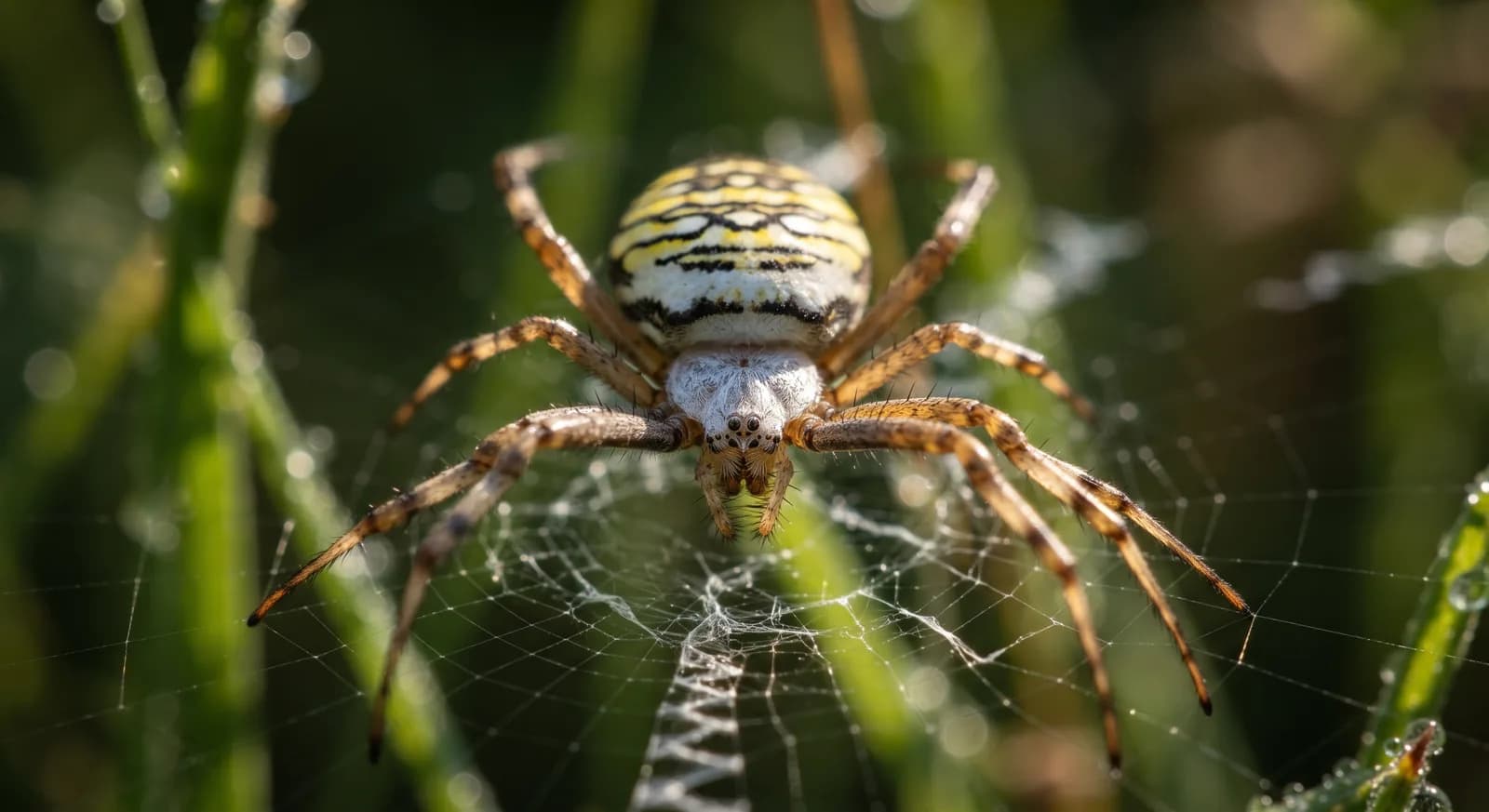
Wasp SpiderNot Evaluated

Wasp Spider

Argiope bruennichi

Not Evaluated

European Wolf Spider

Lycosa tarantula

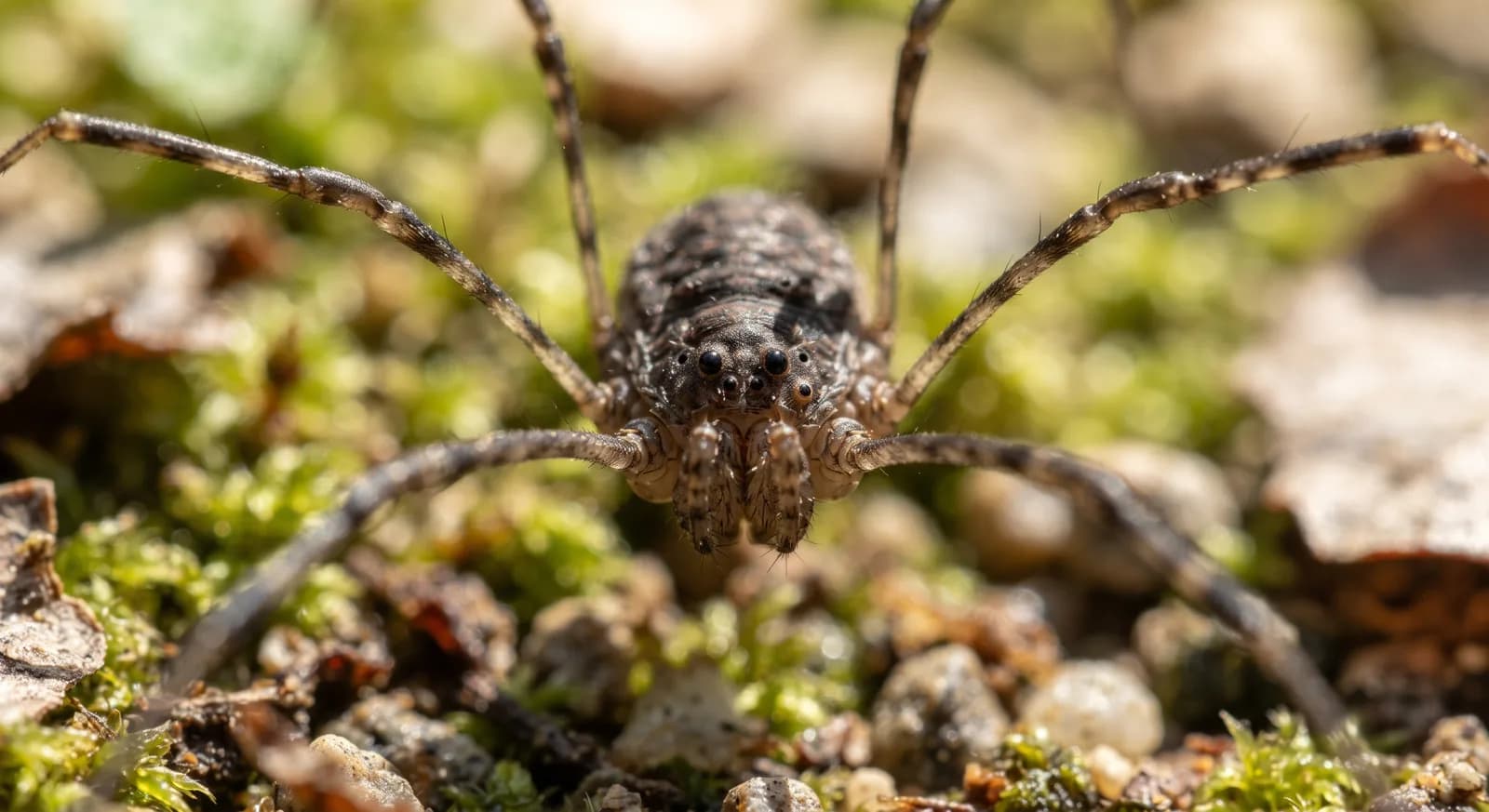
European HarvestmanNot Evaluated

European Harvestman

Phalangium opilio

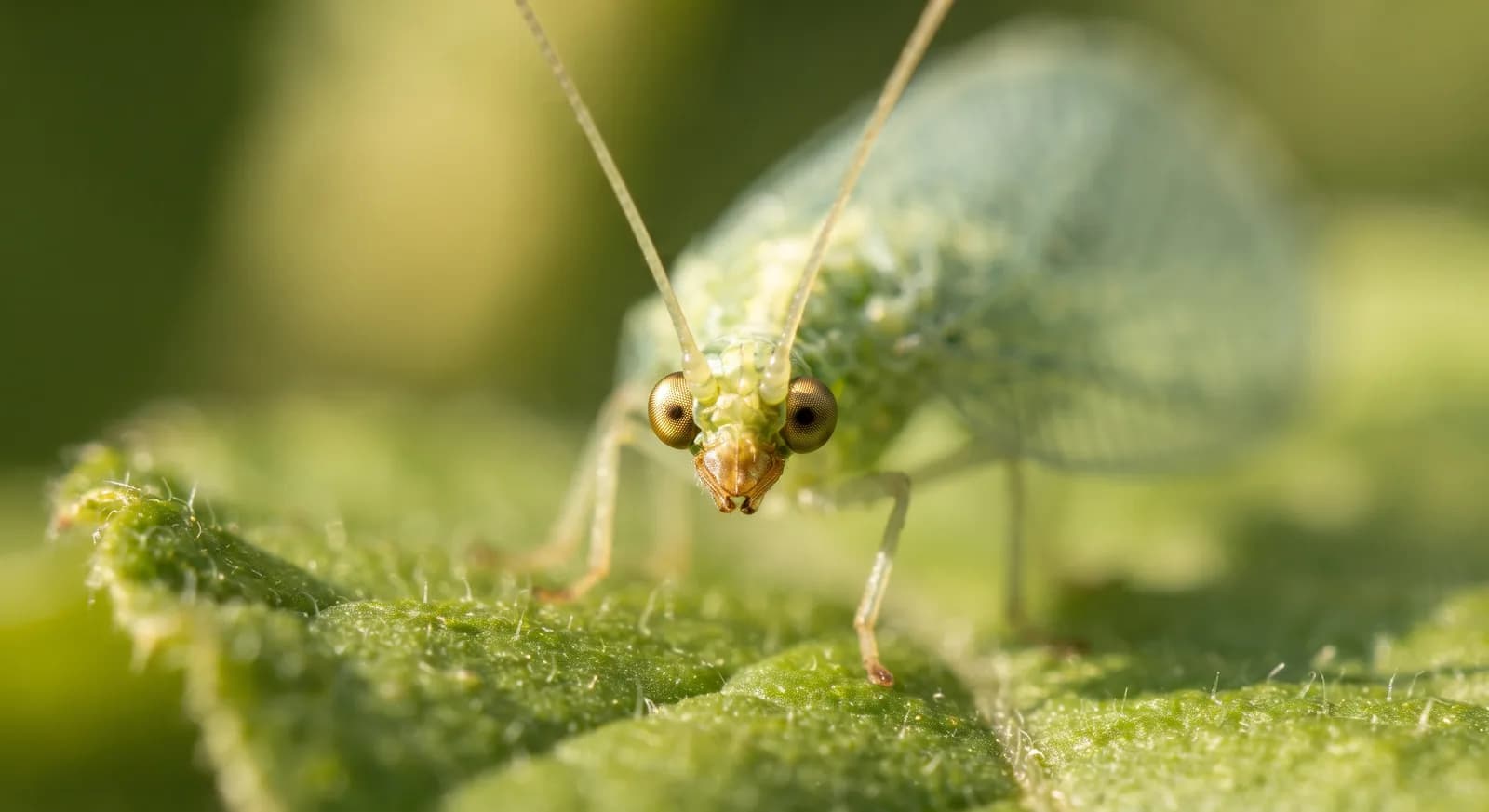
Common Green LacewingNot Evaluated

Common Green Lacewing

Chrysoperla carnea

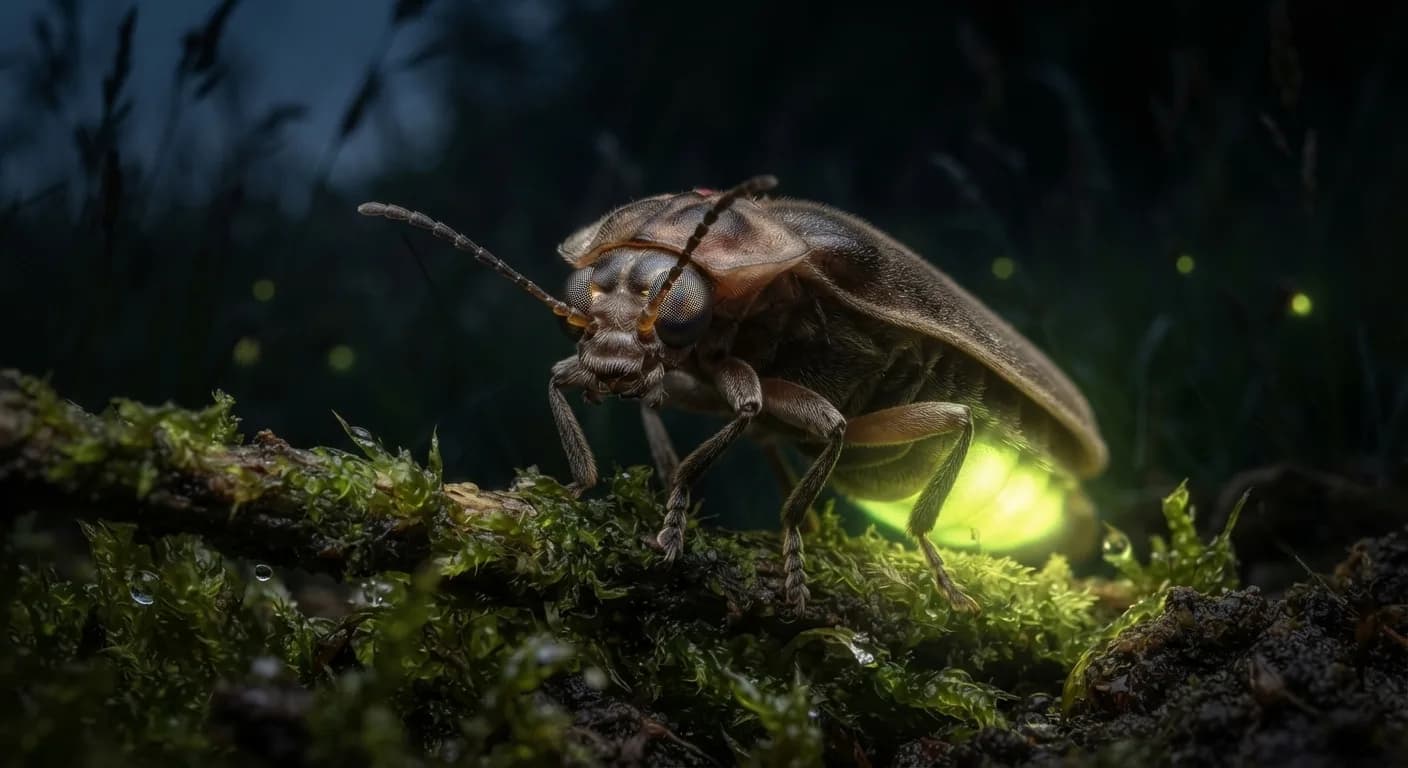
Glow-wormNot Evaluated

Glow-worm

Lampyris noctiluca

CountriesSpain
ParksPicos de EuropaSpain
TagsCarnivore
Carnivore
Nocturnal
Solitary
Grassland
Arachnid

Europe11

Asia10

Africa5

Spain
Italy
Morocco
Portugal
France
Algeria
Albania
Croatia
Cyprus
France
Greece
Italy
Malta
Montenegro
Portugal
Spain
Ukraine
Armenia
Azerbaijan
Georgia
Iran
Israel
Kazakhstan
Russia
Türkiye
Turkmenistan
Uzbekistan
Algeria
Egypt
Libya
Morocco
Tunisia