One of the 9 corals on WAnimals
Anthozoans · Scleractinia · Poritidae
Hump Coral
Porites lobata
It could become endangered in the near future if current threats go unchecked. See full glossary
Lobe coral is a reef builder that forms massive dome-shaped colonies, some of them several metres across and centuries old. Its polyps are tiny and its skeleton, very dense, withstands the surf and forms the basic structure of many Pacific reefs.
Size
50 cm – 6 m
Lifespan
500 years
Diet
Carnivore
Feeds mainly on other animals.
Social structure
Colony
Lives in large concentrations, often for breeding reasons.
Sighting difficulty
Moderate
Fun facts
- Its largest colonies are hundreds of years old and are living organisms older than most of the trees in the region.
- Cores drilled from its skeleton are a first-rate climate archive: its annual bands record temperature, rainfall and river inputs century by century.
- It is one of the corals most resistant to warming and to sedimentation, and on many degraded reefs it is the last builder left standing.
- It forms hemispherical mounds up to six metres high and wide, and is the commonest coral species in Hawai'i.
- It grows very slowly, sometimes barely a centimetre a year, so the large colonies are extremely old.
- Its skeletons are climate archives: they lay down annual bands that are read like tree rings. Cores taken from these colonies allow sea temperature and ocean conditions to be reconstructed as far back as 400 years.
- Its polyps are barely a millimetre across. The greenish or brown colour comes from zooxanthellae, single-celled symbiotic algae that supply it with nutrients through photosynthesis.
- It has separate male and female colonies and spawns en masse around the full moon.
- It tolerates human pressure better than many corals, and in Palau lineages with greater heat tolerance have been identified.
Life cycle & biology
- Habitat & environment
- Surf-exposed Indo-Pacific reefs, from 0 to 30 m
Sources consulted: Dana (1846); Lista Roja de la UICN; Woods Hole Oceanographic Institution; NOAA Office of National Marine Sanctuaries
Where to find it
See its range on the interactive mapWhere to watch it
Parques y spots de buceo donde se ha documentado esta especie — se muestran 20 de 287 documentados.
Related species
Other species in the catalogue with the most in common with Hump Coral — same habitat, park, country, tags or family.
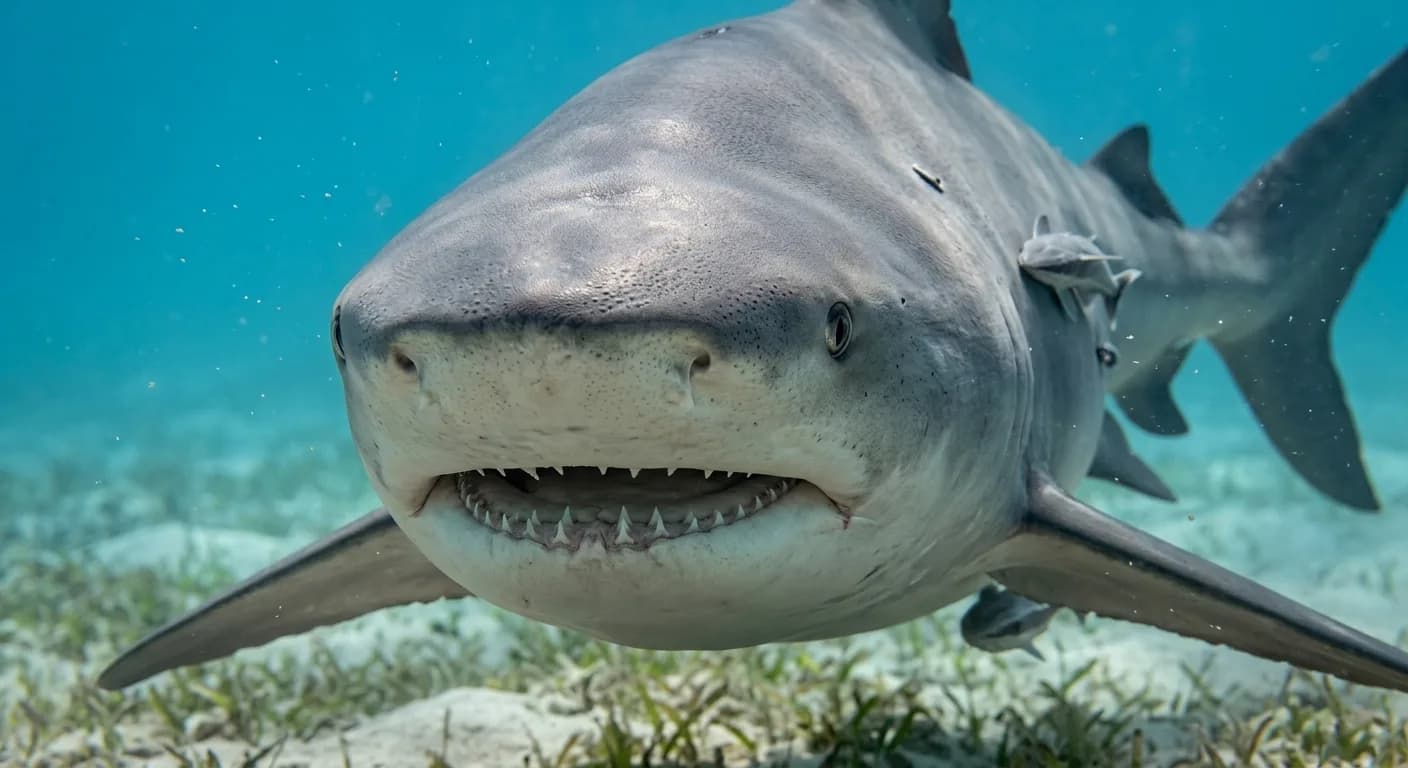 Near Threatened
Bull Shark
Carcharhinus leucas
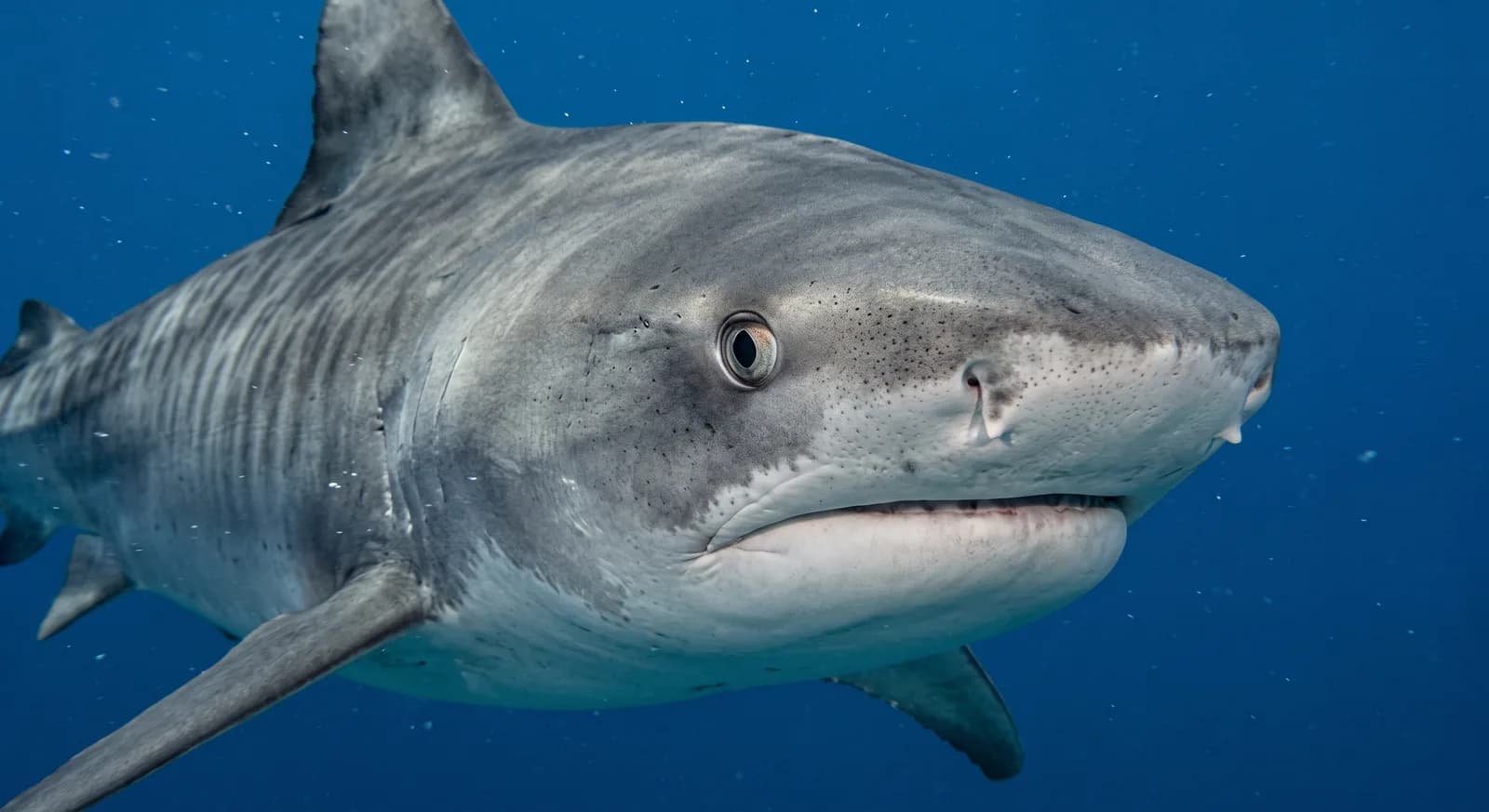 Near Threatened
Tiger Shark
Galeocerdo cuvier
False Killer Whale
Pseudorca crassidens
Common Mushroom Coral
Fungia fungites
Organ Pipe Coral
Tubipora musica
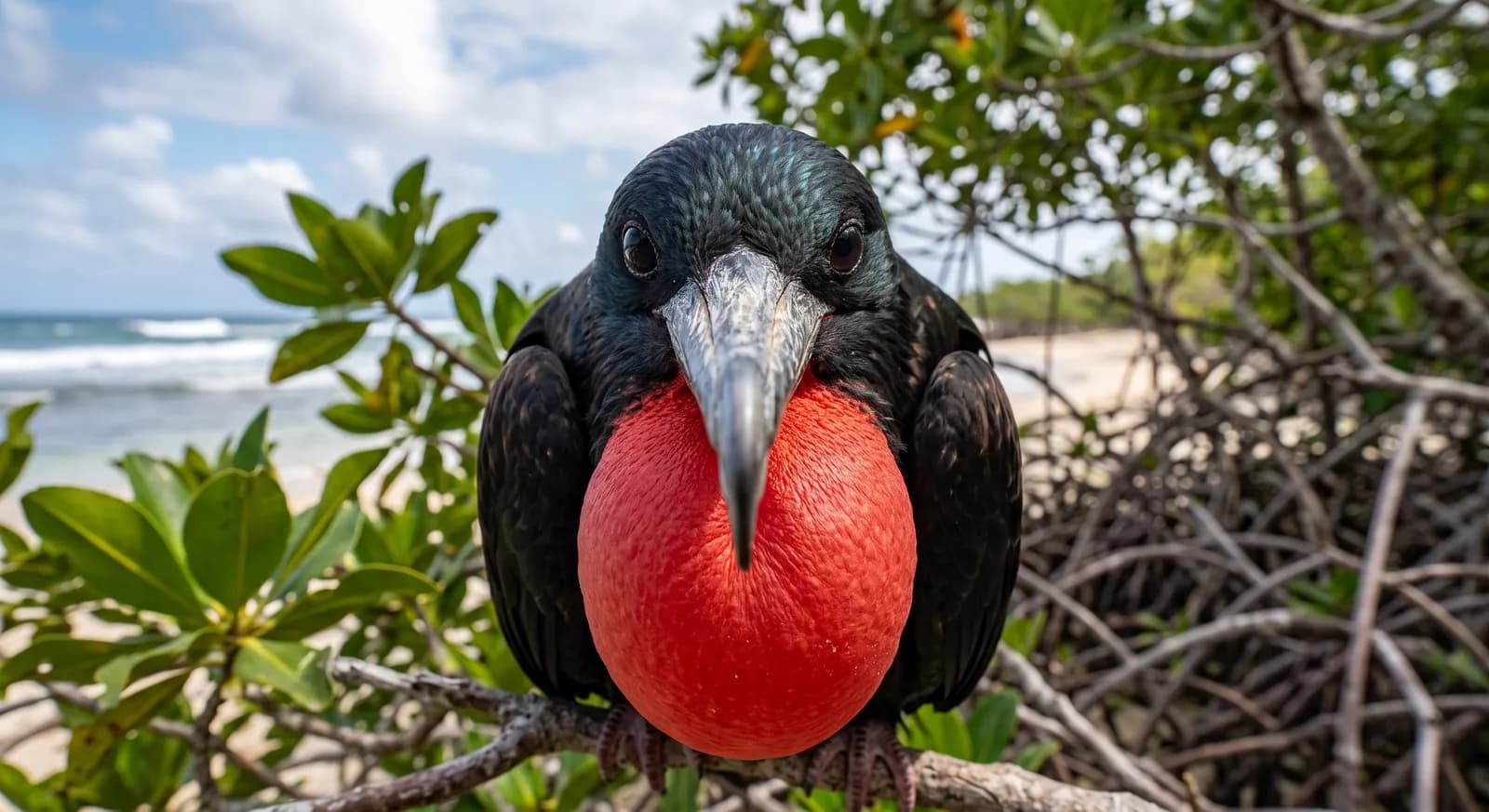 Least Concern
Magnificent Frigatebird
Fregata magnificens
Keep exploring
Based on what we already know about hump coral.
Comments
Share an experience, a fun fact or a tip for seeing the hump coral.
Be the first to comment.