 Not Evaluated
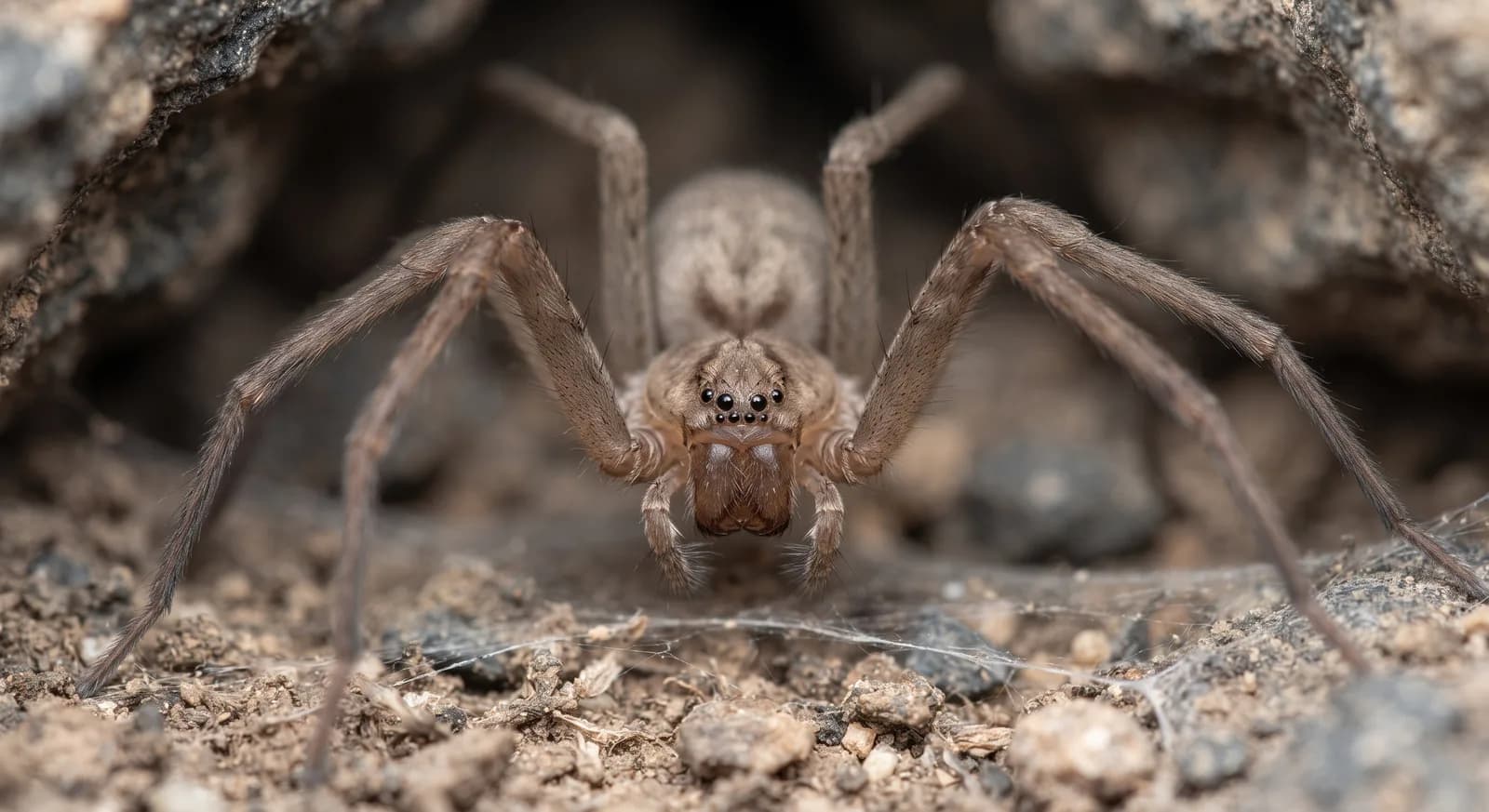
Chilean Recluse
Loxosceles laeta
16 countries11 parks
Species group · Arachnids
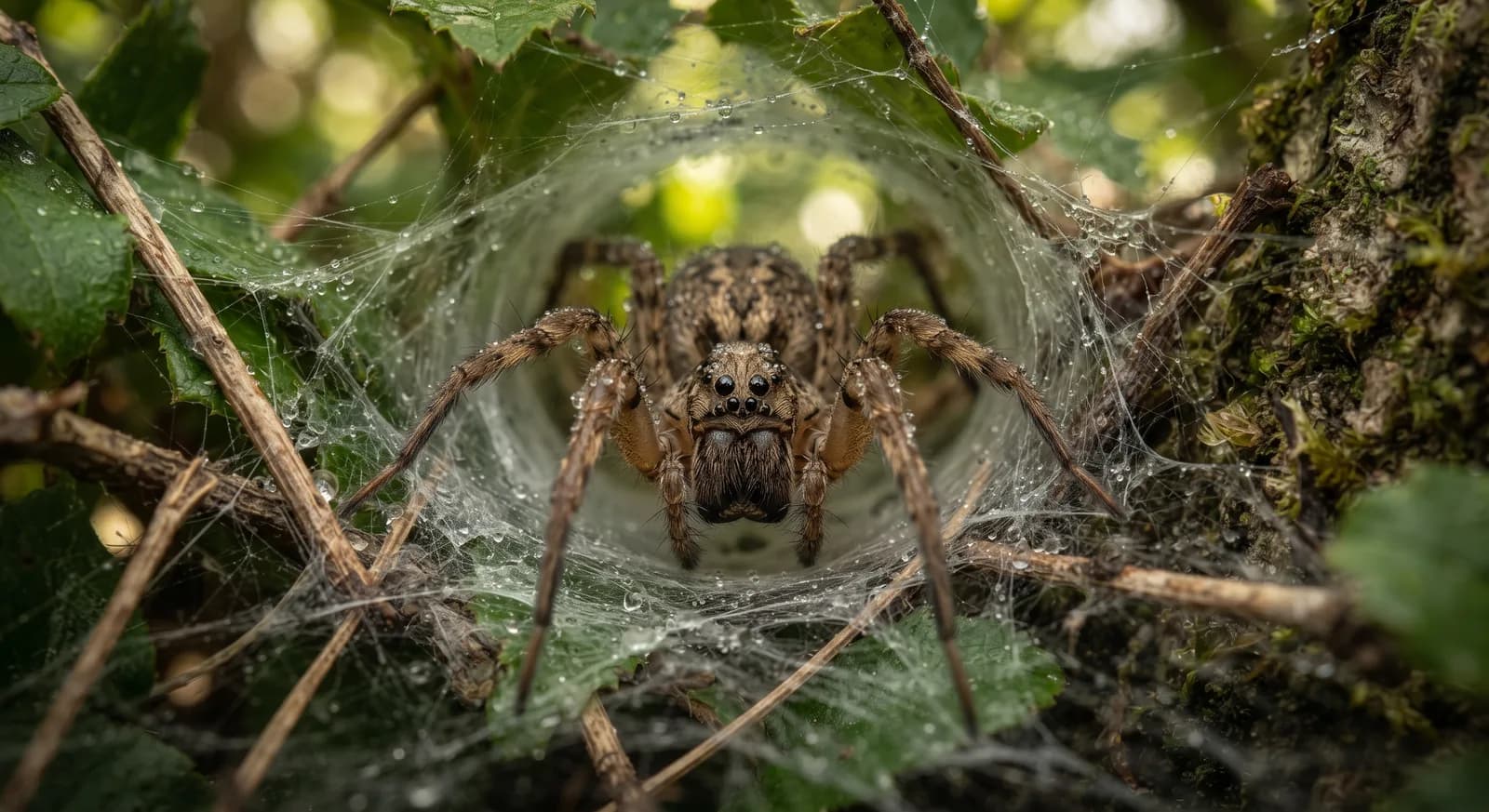
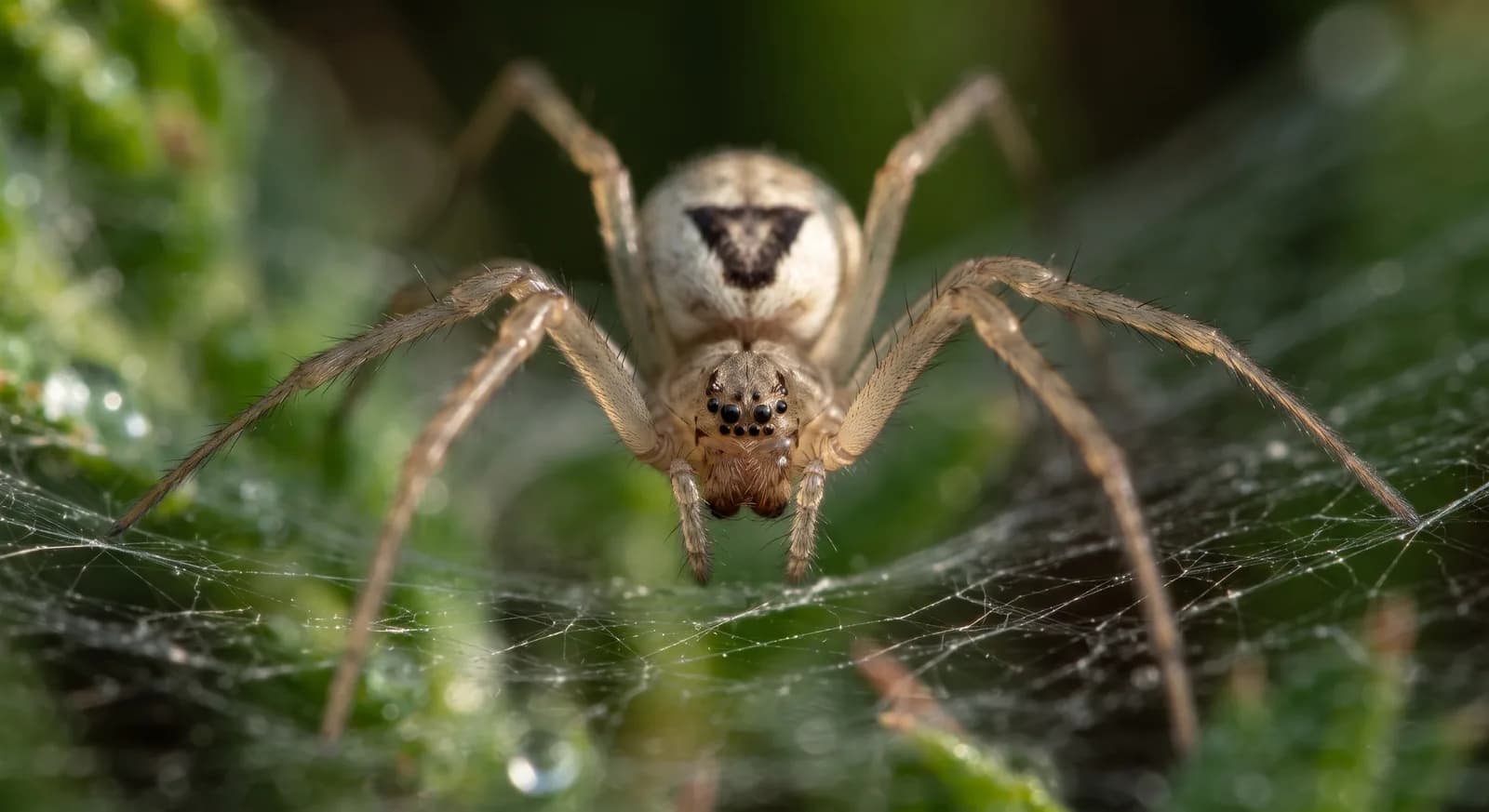
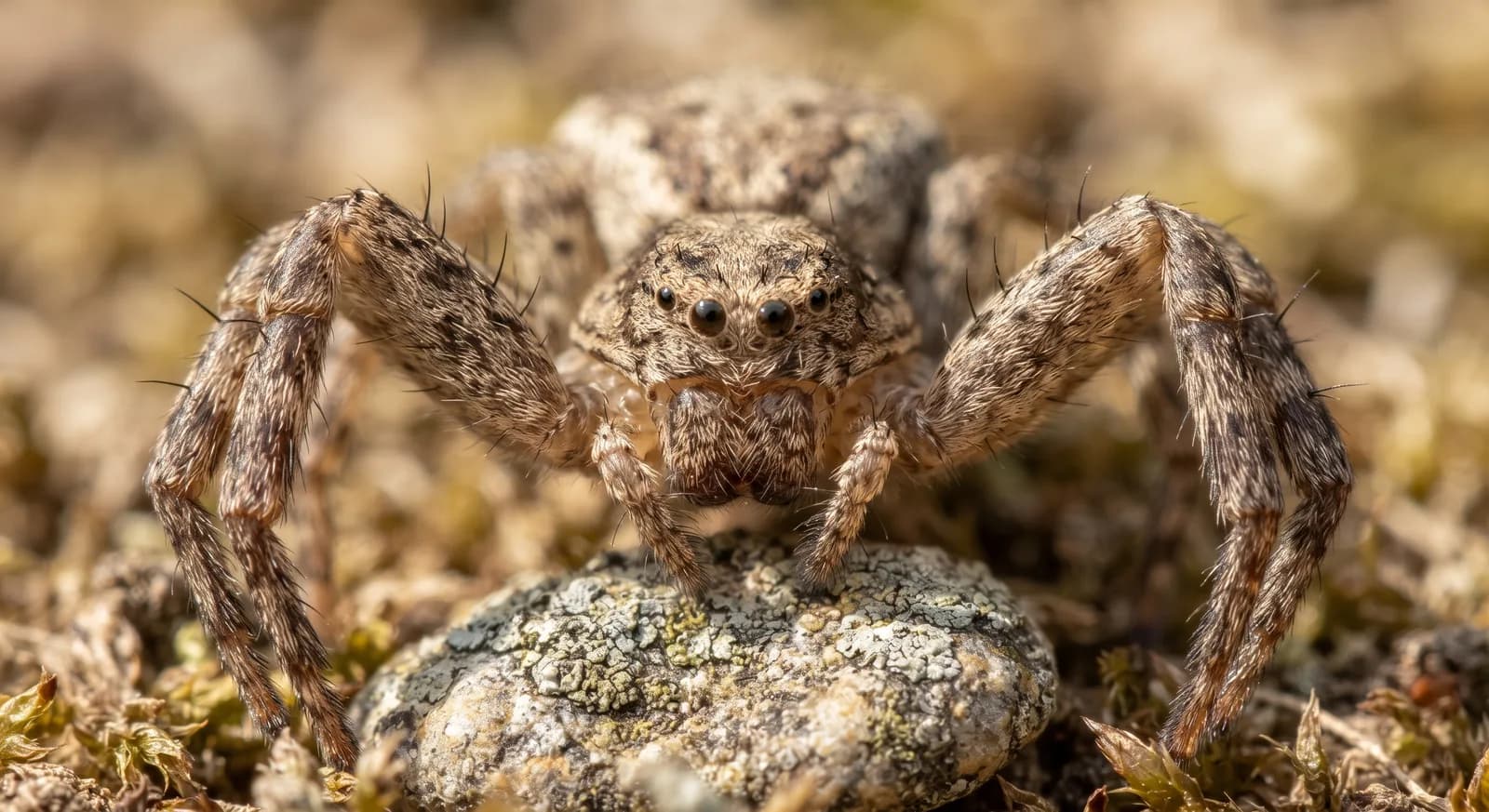
WAnimals has 26 species of spider, spread across 21 families (Agelenidae, Araneidae, Ctenidae, Deinopidae, Dictynidae, Eresidae, Filistatidae, Linyphiidae, Lycosidae, Nephilidae, Oxyopidae, Pholcidae, Pisauridae, Salticidae, Segestriidae, Sicariidae, Sparassidae, Tetragnathidae, Theridiidae, Thomisidae, Uloboridae).
Each one has its own full profile. This group does not replace them: it brings them together.
No species documented in this group is genuinely at risk according to the IUCN, with the data available today.
Recorded in 121 countries. The ones with the most species in the group:
Its bite can cause the skin to necrose; it is the most dangerous of the recluse spiders.
From
It has six eyes in three pairs rather than eight, a feature it shares with the other recluse spiders.
From
It can survive for months without food or water, which lets it persist in corners of a house that nobody disturbs for long stretches.
From
The male is so small that he can enter the female's web undetected, and waits for her to finish her final moult so as to mate while her chelicerae are still soft. Even so, many end up eaten.
From
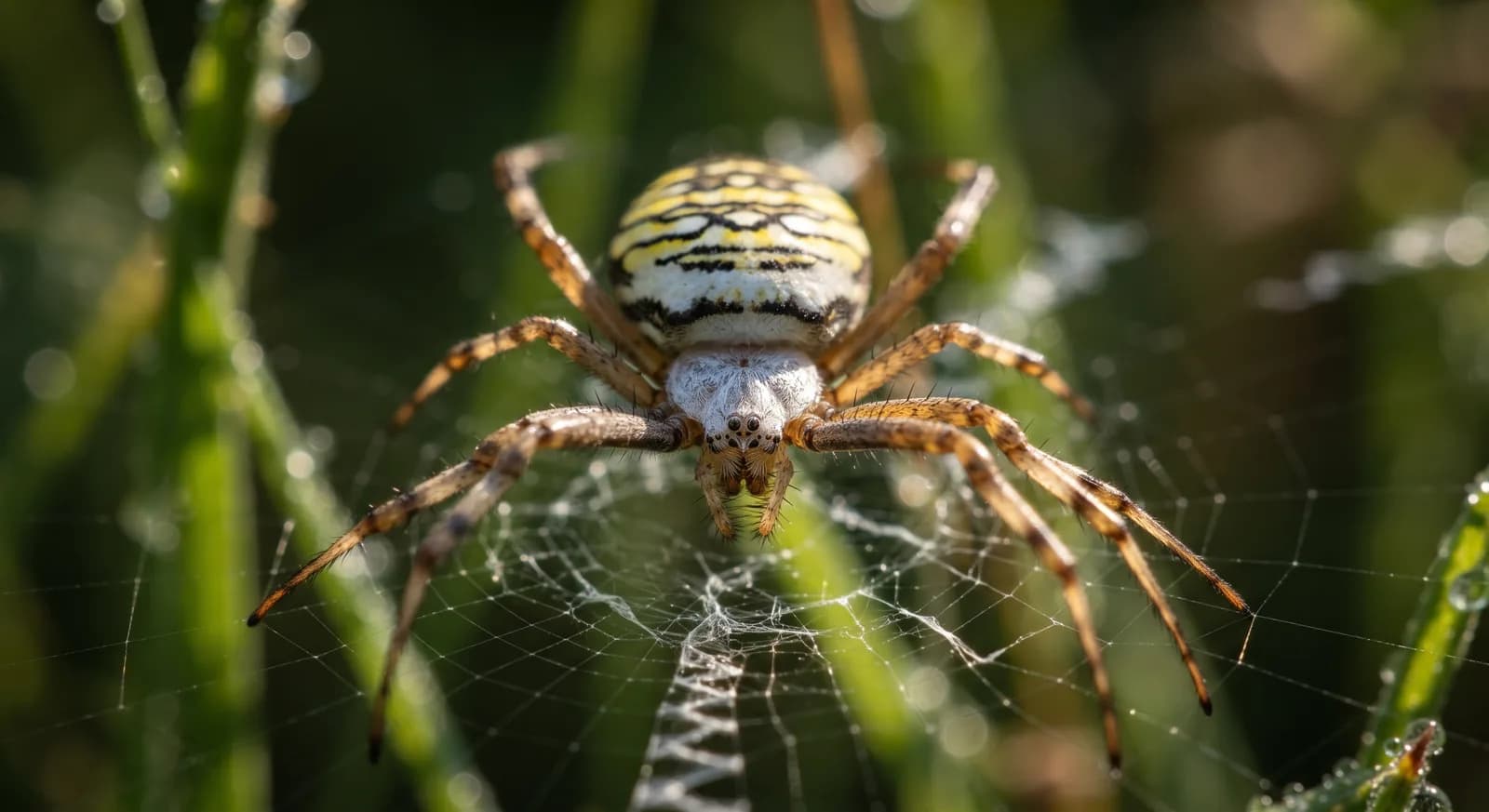
In the centre of the web it weaves a zigzag called a stabilimentum whose function is still unclear: it has been suggested that it attracts insects, that it strengthens the web, or that it warns birds off so they do not fly through and destroy it.
From
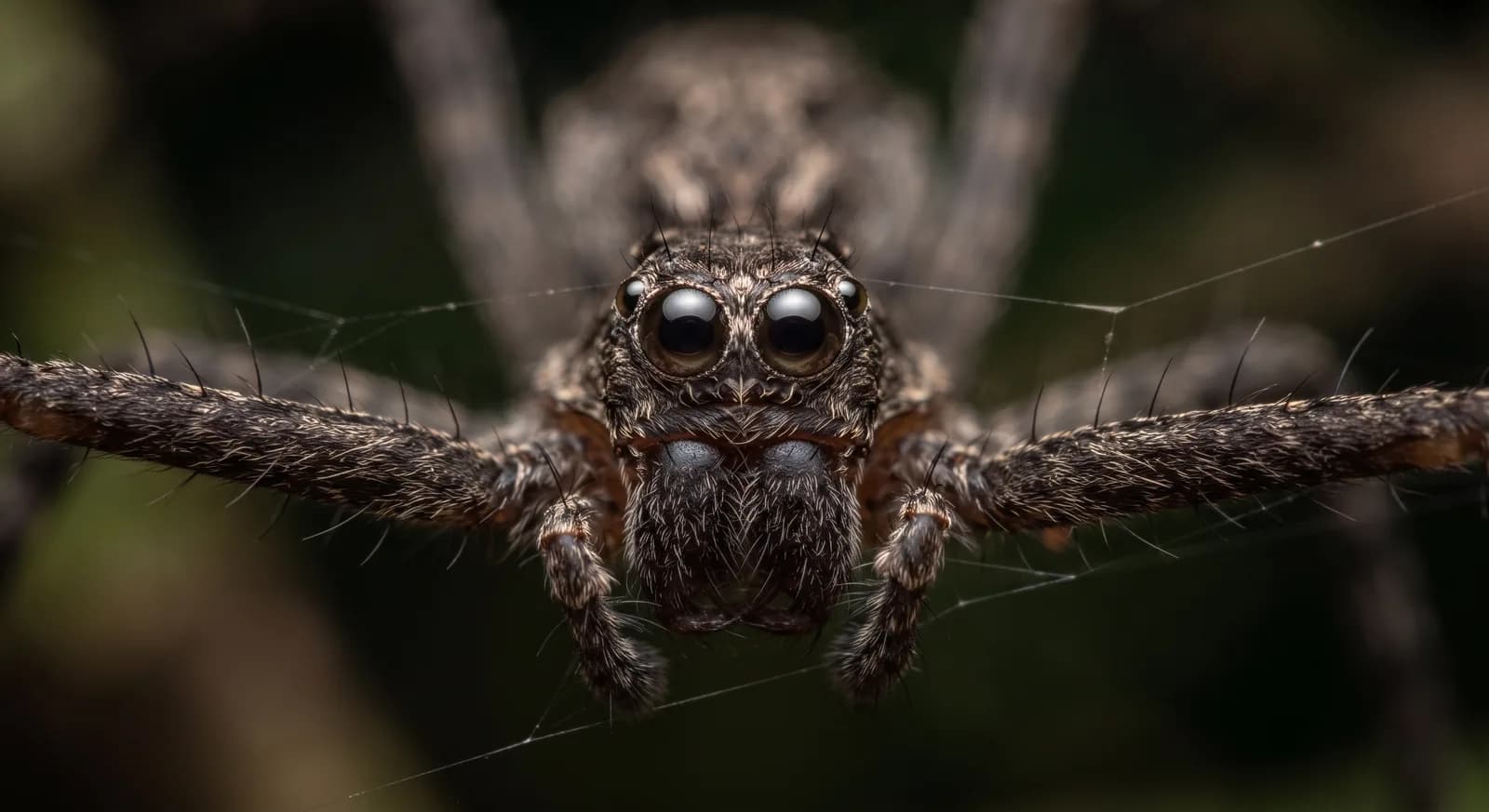
Its eyes shine in the dark because of the tapetum lucidum, the same tissue that makes cats' eyes shine, even though its own eyesight is very poor.
From
It weaves a small net, holds it in its front legs and throws it over passing prey, rather than waiting for anything to blunder into a fixed web.
·
Ranges calculated from the profiles that record the figure, not from all 26.
From
Its two posterior median eyes are the largest simple eyes of any arthropod and let it hunt in light hundreds of times dimmer than a cat needs.
From