Skip to content
WAnimals
  • Map
  • Species
  • Parks
  • Diving
Log inCreate account
WAnimals

The guide for travellers and animal lovers: discover, plan and share your wild adventures around the world.

Discover wildlife

  • Species
  • Ecosystems
  • Glossary
  • Tags

Explore places

  • Map
  • Countries
  • Parks
  • Diving

Plan experiences

  • Guides

Learn

  • Blog

Resources

  • About us
  • How we build our profiles
  • Help centre
  • Contact
  • Install the app

Follow us

Account

  • Log in
  • Create account

© 2026 WAnimals. All rights reserved.

Terms of servicePrivacyCookiesLegal notice
MapSpeciesParksDiving
  1. Home
  2. Species
  3. Featherleg Spider

One of the 26 spiders on WAnimals

Arachnids · Araneae · Uloboridae

Featherleg Spider

Uloborus plumipes

Not Evaluated

It has not yet been assessed against the IUCN criteria.

Spotted something wrong?

A small, scruffy-looking spider, its front legs adorned with tufts of hair, which spins a horizontal orb web in the corners of greenhouses and nurseries throughout Europe. Growers value it highly because it catches whitefly and other pests.

Size

3 cm – 6 cm

Diet

Carnivore

Feeds mainly on other animals.

Social structure

Solitary

Lives and hunts alone, joining others only to breed.

40countries

Fun facts

  • It is one of the very few spiders in the world with no venom glands at all: it kills its prey by swathing them in hundreds of metres of silk until they are crushed.
  • Its silk is not sticky: it is cribellate, a weave of thousands of extremely fine fibres that traps insects by electrostatic entanglement rather than by adhesion.
  • It has spread across northern Europe on the back of the warm, stable climate of greenhouses.
  • It has no venom glands. It is one of the very few spiders in the world without venom, and kills its prey by wrapping it in silk until it suffocates or is crushed.
  • Its silk is cribellate: instead of glue, it produces thousands of extremely fine, combed filaments that entangle prey mechanically.
  • In English it is called the garden centre spider, because in northern Europe it lives almost exclusively in glasshouses.
  • The tufts of hair on its front legs, which give it the name feather-legged spider, distinguish it from its congener Uloborus walckenaerius.

Life cycle and biology

Skeleton type
Invertebrate - chitin exoskeleton (arachnid)
Habitat and environment
Greenhouses, nurseries and heated buildings; originally, Mediterranean scrub

Sources consulted: Lucas (1846) · Animalia · British Arachnological Society

Where to find it

Loading map…

Related species

Other species in the catalogue with the most in common with Featherleg Spider — same habitat, park, country, tags or family.

Related to
Related to
Related to
Related to
Related to
Related to

Keep exploring

Based on what we already know about featherleg spider.
Share an experience, a fun fact or a tip for seeing the featherleg spider.
See full glossary
Grassland
CarnivoreSolitaryGrasslandArachnid
This page in other languages: Español · Deutsch · Français · Português · Italiano
See its range on the interactive map→
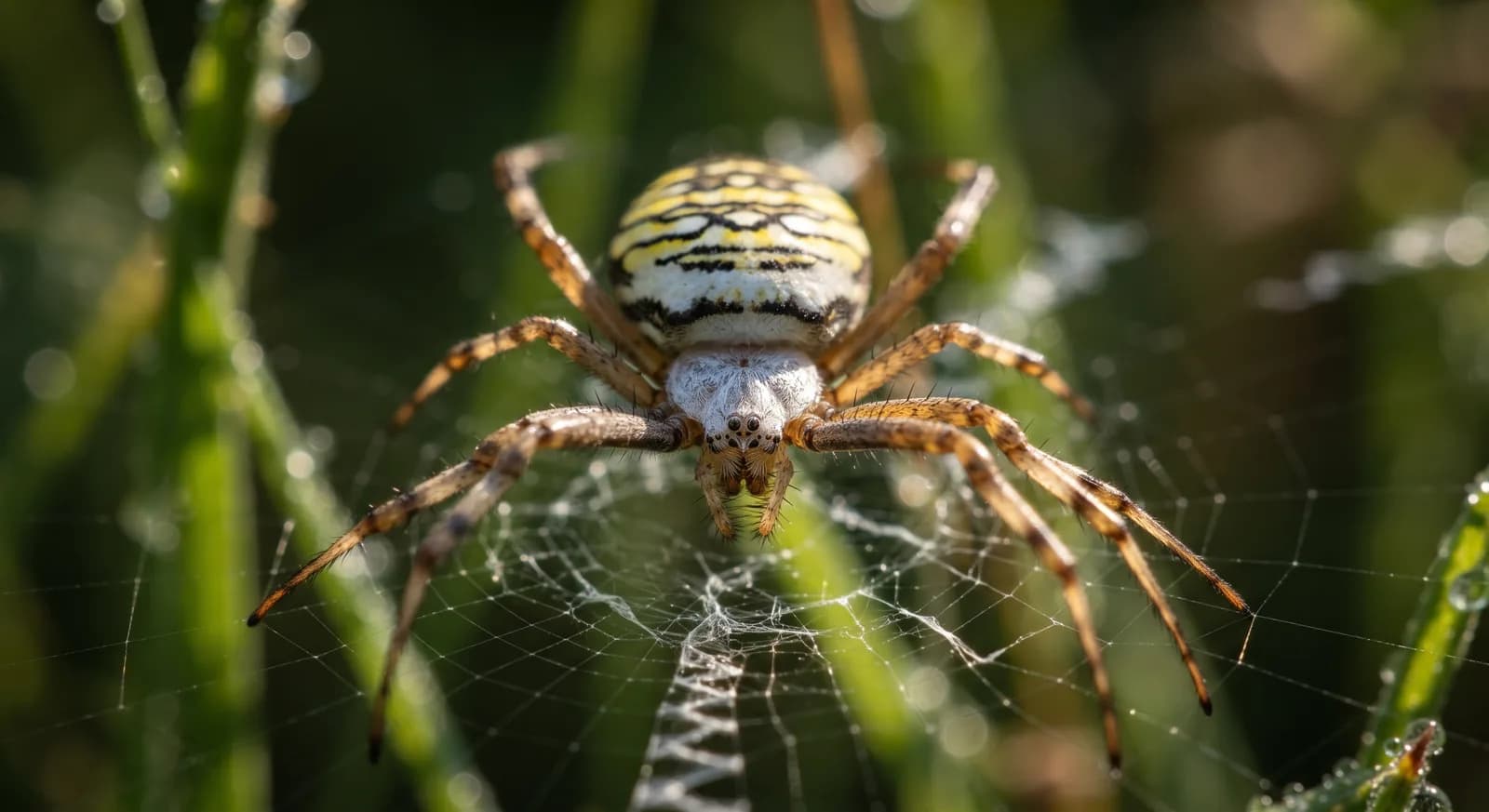
Wasp SpiderNot Evaluated

Wasp Spider

Argiope bruennichi

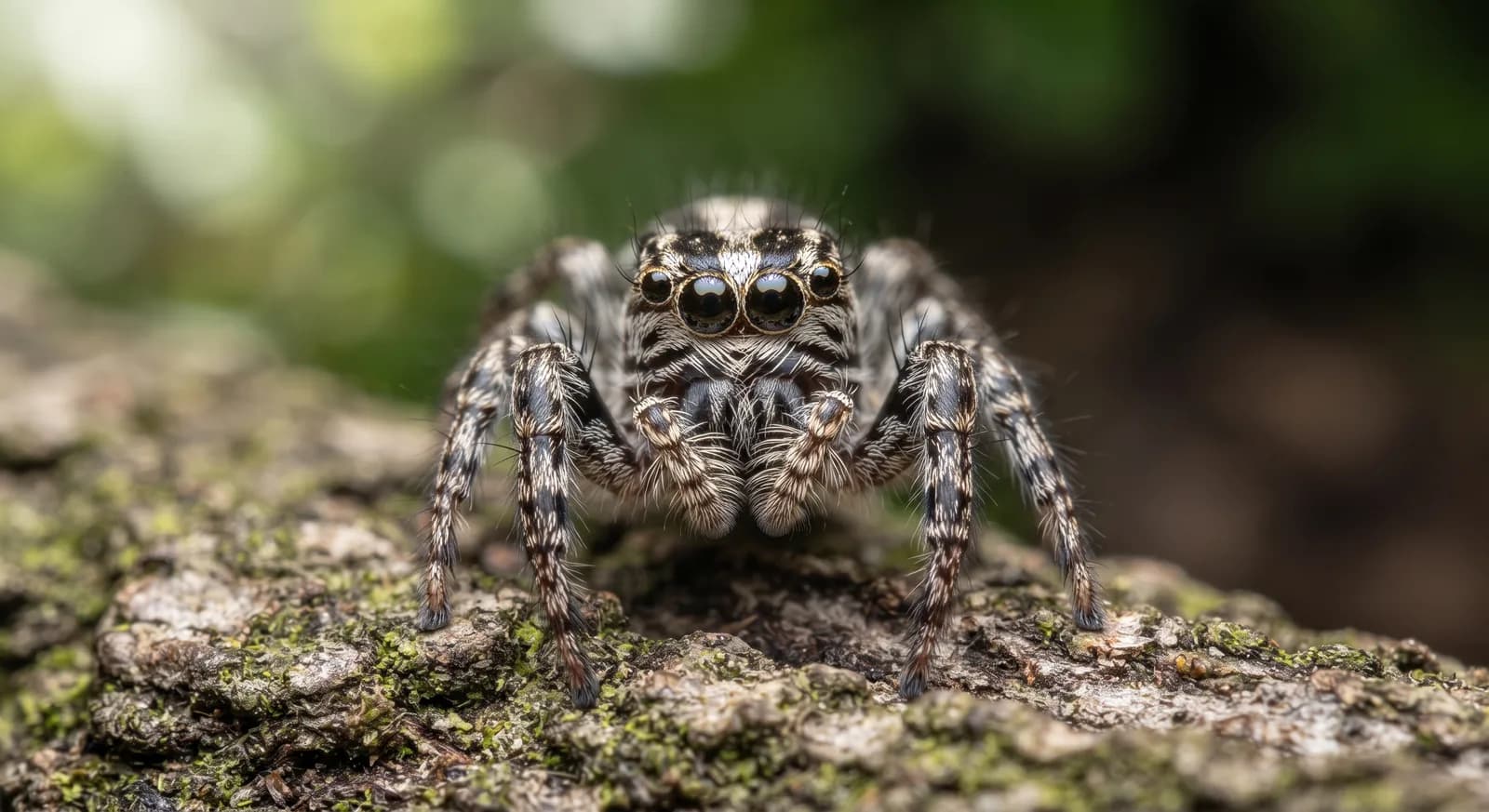
Zebra JumperNot Evaluated

Zebra Jumper

Salticus scenicus

Not Evaluated

European Wolf Spider

Lycosa tarantula

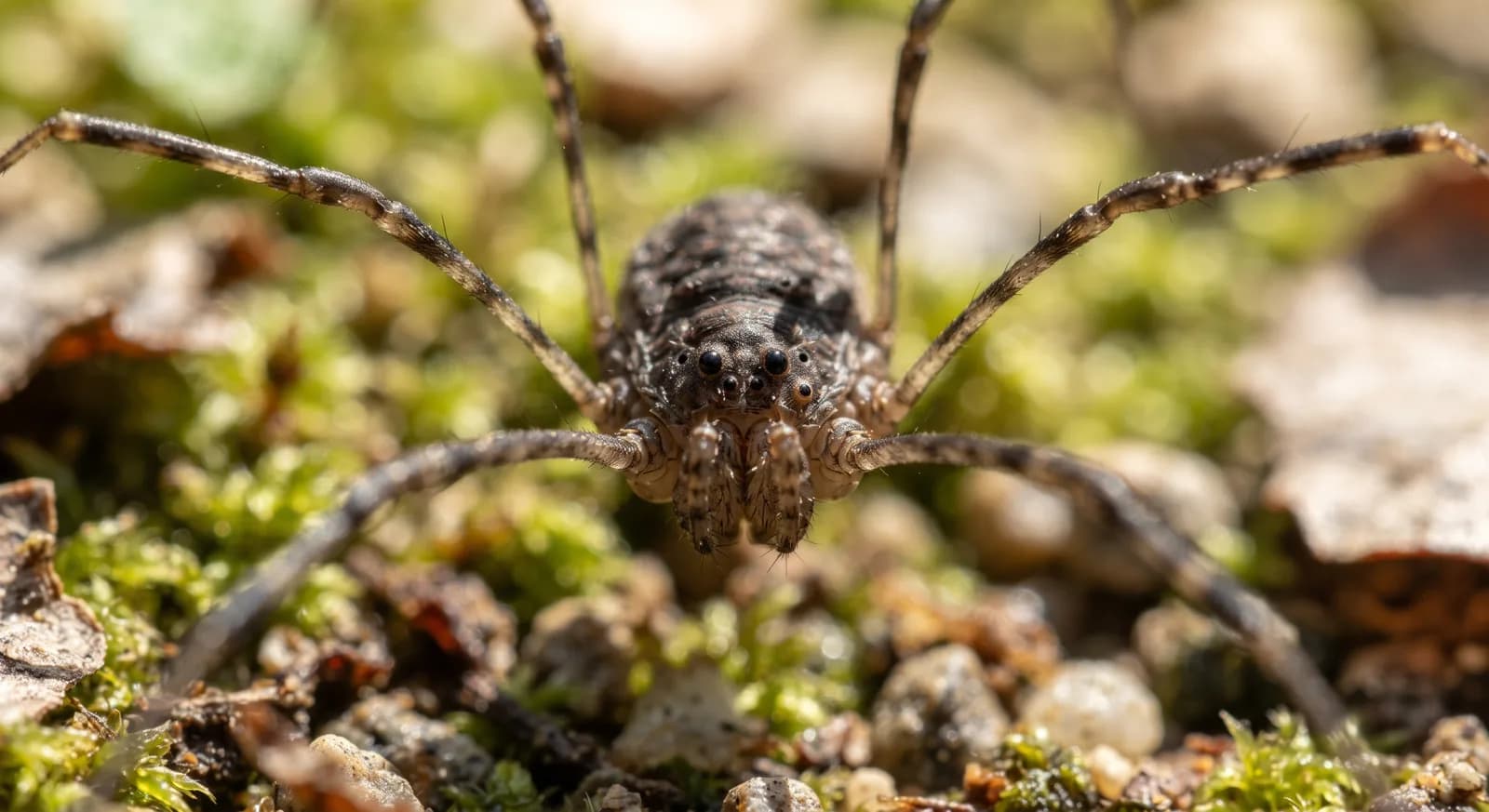
European HarvestmanNot Evaluated

European Harvestman

Phalangium opilio

Not Evaluated

Goldenrod Crab Spider

Misumena vatia

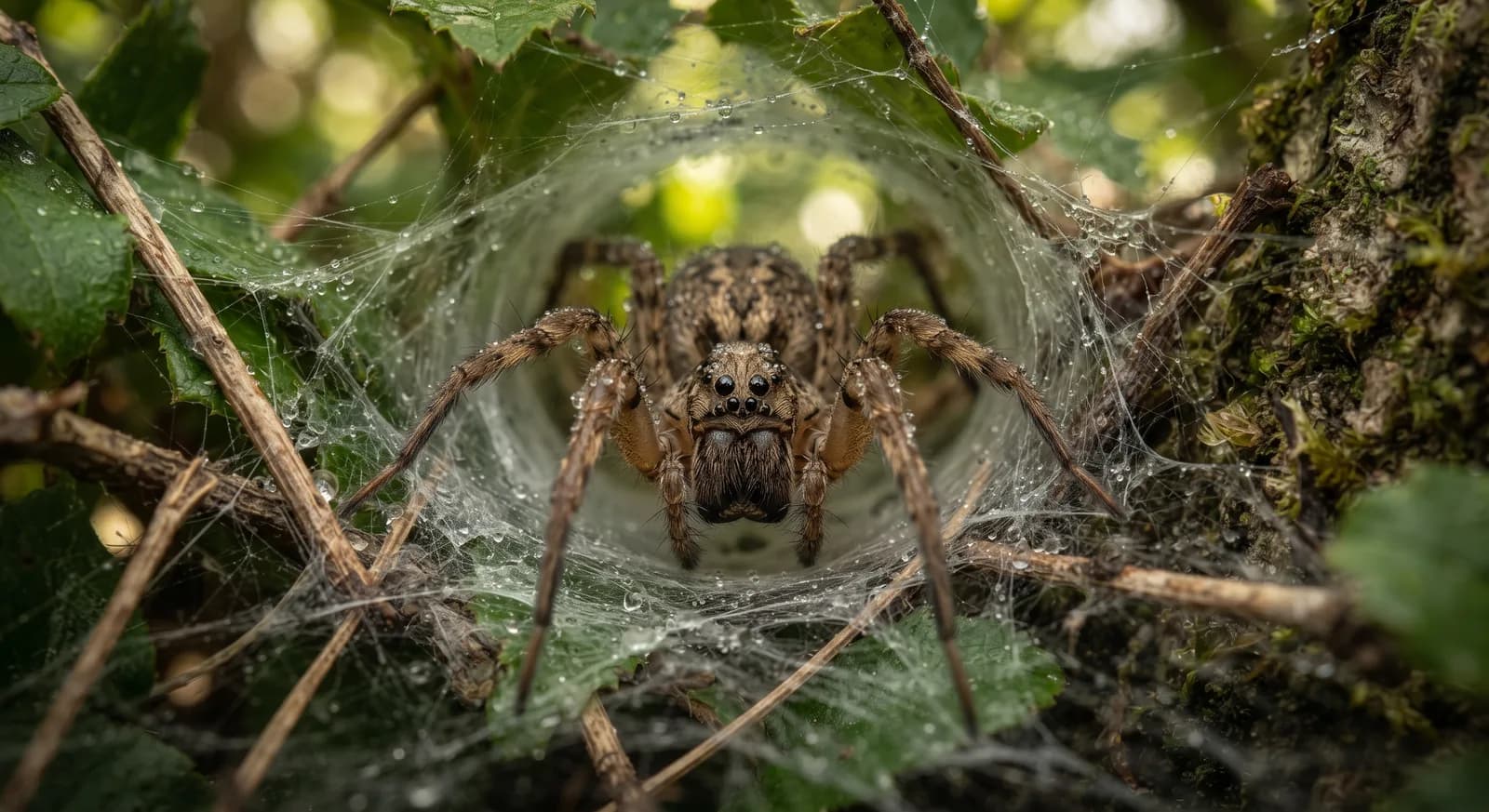
Labyrinth SpiderNot Evaluated

Labyrinth Spider

Agelena labyrinthica

CountriesAlbania
TagsCarnivore

Europe39

Asia1

Albania
Andorra
Austria
Belarus
Belgium
Bosnia and Herzegovina
Albania
Andorra
Austria
Belarus
Belgium
Bosnia and Herzegovina
Bulgaria
Croatia
Czechia
Denmark
Estonia
Finland
France
Germany
Greece
Hungary
Ireland
Italy
Latvia
Liechtenstein
Lithuania
Luxembourg
Moldova
Monaco
Montenegro
Netherlands
North Macedonia
Norway
Poland
Portugal
Romania
Serbia
Slovakia
Slovenia
Spain
Sweden
Switzerland
Ukraine
United Kingdom
Russia