Skip to content
WAnimals
  • Map
  • Species
  • Parks
  • Diving
Log inCreate account
WAnimals

The guide for travellers and animal lovers: discover, plan and share your wild adventures around the world.

Discover wildlife

  • Species
  • Ecosystems
  • Glossary
  • Tags

Explore places

  • Map
  • Countries
  • Parks
  • Diving

Plan experiences

  • Guides

Learn

  • Blog

Resources

  • Help centre
  • Contact
  • Install the app

Follow us

Account

  • Log in
  • Create account

© 2026 WAnimals. All rights reserved.

About usHow we build our profilesTerms of servicePrivacyLegal notice
MapSpeciesParksDiving
  1. Home
  2. Species
  3. Species groups
  4. Treefrogs

Species group · Amphibians

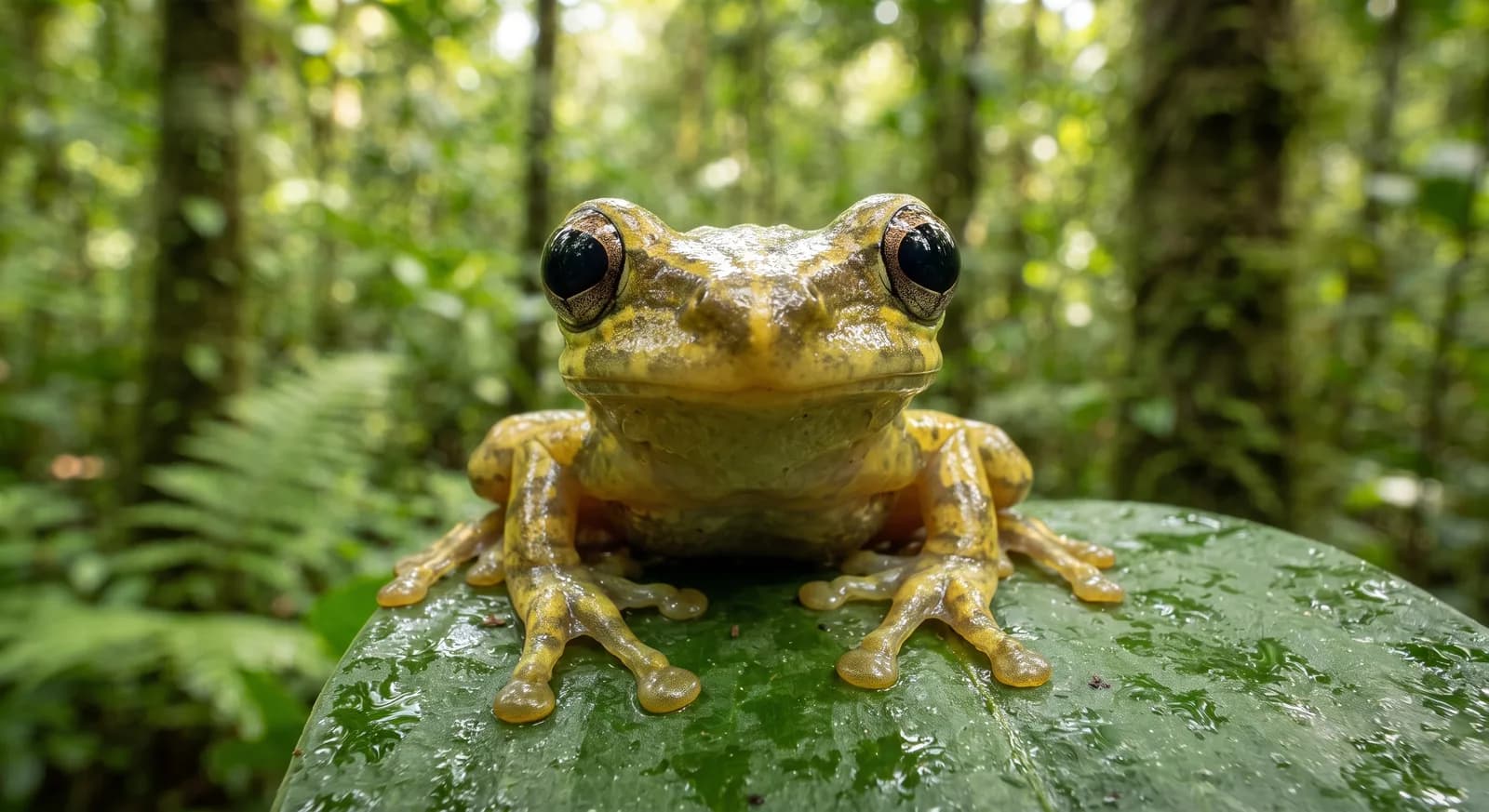
Treefrogs

WAnimals has 4 species of treefrog, in the family Hylidae.

4 species
1 family
61 countries
62 parks
Length
2 cm – 6.5 cm
Lifespan
4 – 10 years

Ranges calculated from the profiles that record the figure, not from all 4.

All 4 species of treefrogs on WAnimals

Each one has its own full profile. This group does not replace them: it brings them together.

Conservation status

4 Least Concern

No species documented in this group is genuinely at risk according to the IUCN, with the data available today.

Where they live

Recorded in 61 countries. The ones with the most species in the group:

Where to see them

Did you know…?

  • Its choruses are among the densest in the Neotropics: hundreds of males calling at once from the vegetation over a pool make a noise that makes conversation difficult a few metres away.

    From

  • The males time their calls so as not to overlap with their neighbour, alternating within microseconds so that each is audible separately to the females.

    From

  • It is one of the most abundant frogs in the ditches and pools of tropical America, and it benefits from the waterlogged areas created by roads and clearance.

    From

  • The night chorus of calling males carries several hundred metres, despite how small the frog is.

    From

  • It eats small insects and other invertebrates.

    From

  • It lives in woodland, hedgerows, gardens and ground near standing water across much of Europe.

    From

  • It can shift in tone between bright green, bluish and yellowish with temperature and humidity.

    From

Ecosystems

·

Among the small arthropods it hunts, it favours moths and mosquito larvae.

From

Small-headed TreefrogLeast Concern

Small-headed Treefrog

Dendropsophus microcephalus

13 countries
Least Concern

Common Tree Frog

Hyla arborea

45 countries47 parks
Least Concern

Stripeless Treefrog

Hyla meridionalis

5 countries15 parks
Least Concern

American Green Treefrog

Dryophytes cinereus

1 country
France2
Portugal2
Spain2
Albania1
Algeria1
Andorra1
Armenia1
Austria1
Azerbaijan1
Belarus1
Belgium1
Bosnia and Herzegovina1
Brazil1
Bulgaria1
Colombia1
Costa Rica1
Croatia1
Czechia1
Denmark1
Ecuador1
Estonia1
Finland1
Georgia1
Germany1
Aggtelek1 species
Al Hoceima1 species
Albufera de Valencia1 species
Arrábida1 species
Aukštaitija National Park1 species
Balaton-felvidék1 species
Białowieża1 species
Biebrzański1 species
Biesbosch1 species
Bory Tucholskie1 species
Bükk1 species
Calanques1 species
Small-headed Treefrog
Common Tree Frog
Common Tree Frog
Common Tree Frog
Stripeless Treefrog
Freshwater4
Temperate forest3
Grassland1
Rainforest1
See every species group
Explore the species one by one
This page in other languages: Español · Deutsch · Français · Português · Italiano
Stripeless Treefrog