Skip to content
WAnimals
  • Map
  • Species
  • Parks
  • Diving
Log inCreate account
WAnimals

The guide for travellers and animal lovers: discover, plan and share your wild adventures around the world.

Discover wildlife

  • Species
  • Ecosystems
  • Glossary
  • Tags

Explore places

  • Map
  • Countries
  • Parks
  • Diving

Plan experiences

  • Guides

Learn

  • Blog

Resources

  • About us
  • How we build our profiles
  • Help centre
  • Contact
  • Install the app

Follow us

Account

  • Log in
  • Create account

© 2026 WAnimals. All rights reserved.

Terms of servicePrivacyCookiesLegal notice
MapSpeciesParksDiving
  1. Home
  2. Species
  3. Tub Gurnard

Bony fish · Scorpaeniformes · Triglidae

Tub Gurnard

Chelidonichthys lucerna

Least Concern

The species is abundant and widely distributed; it faces no significant short-term risk.

Spotted something wrong?

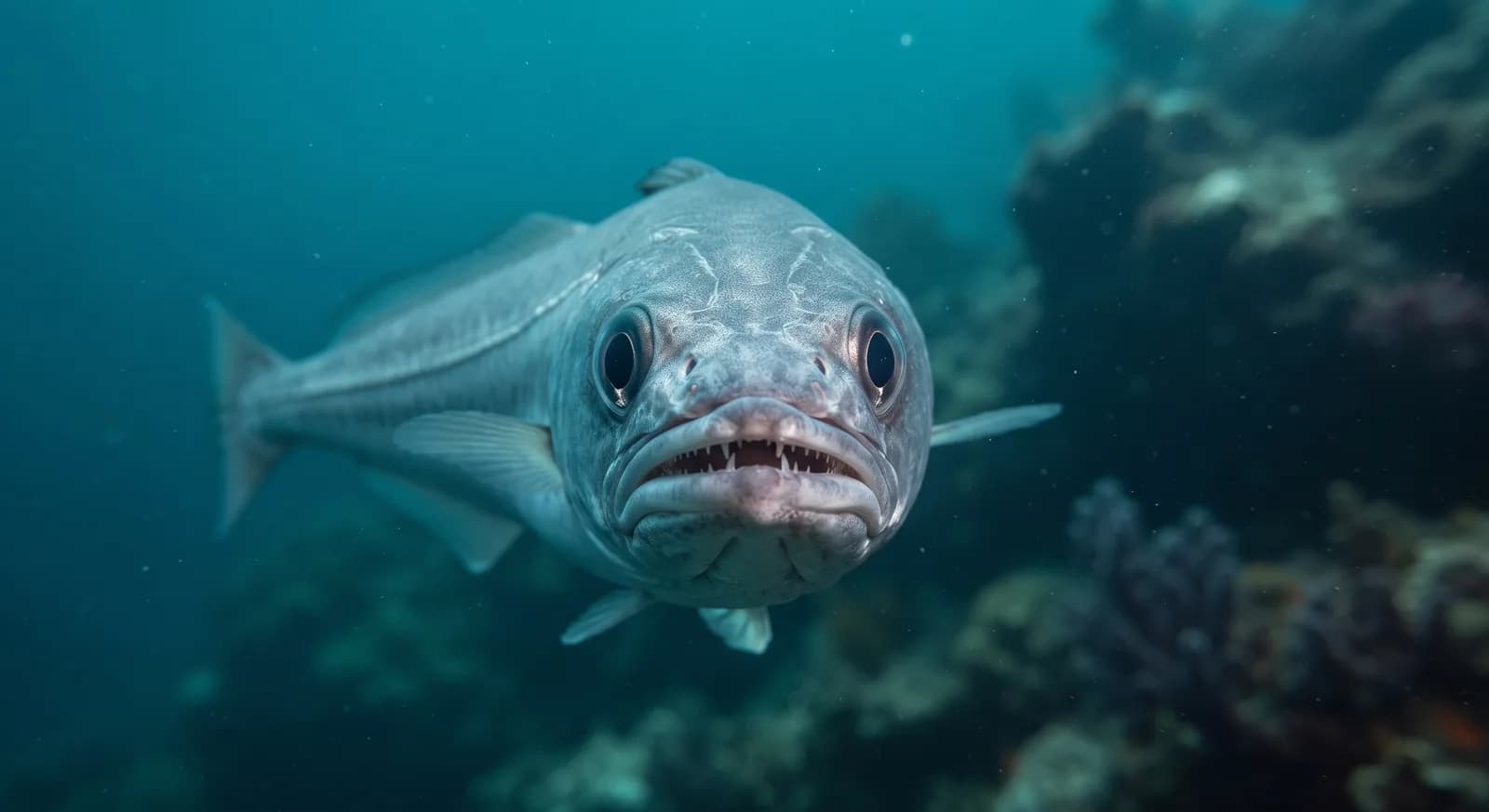
The tub gurnard is a marine fish of the family Triglidae in the order Scorpaeniformes. It is a coastal fish that lives on the bottom, with an armoured, spiny head and finger-like pectoral fins used to crawl along the sea floor. The tub gurnard is a reddish fish with blue pectoral fins.

Weight

up to 6.6 kg

Size

30 cm – 75 cm

Life expectancy

15 years

Diet

Carnivore

Feeds mainly on other animals.

Social structure

Solitary

Lives and hunts alone, joining others only to breed.

Ocean
31countries47parks79dive sites

Fun facts

  • Its free pectoral rays carry taste receptors: it literally tastes the sand with its fingers as it walks in search of buried crustaceans.
  • It produces audible grunts by contracting muscles against its swim bladder, a sound fishermen recognise as the nets come up.
  • The brilliant blue of its pectorals, hidden while it swims, is flashed open as a warning signal at a predator.
  • It walks along the seabed. The first three rays of each pectoral fin are free and modified into stiff appendages on which it props itself and steps across the sand.
  • Those rays also carry chemoreceptors: they serve not only for walking but for tasting the bottom as it goes and locating buried prey.
  • It produces sound with its swim bladder, which it vibrates with specialised muscles. The grunts are audible out of the water when it is landed, and this is the origin of the English name gurnard, from the French grogner, to grunt.
  • Its spread pectoral fins are enormous and a deep blue with a bright edge: it flares them open suddenly as a warning.
  • It migrates seasonally by depth: it gathers in shallow waters in spring and summer and moves deeper in winter.
  • Until 2006 it was mostly discarded; since ICES recognised its commercial potential it has gained value at the fish market.

Life cycle and biology

Skeleton type
Vertebrate - internal bony skeleton (fish)
Habitat and environment
Sandy and muddy bottoms of the eastern Atlantic and the Mediterranean, from 5 to 300 m
Sexual maturity
Size at first maturity 24.7 cm

Sources consulted: Wikipedia (en): Tub gurnard

Where to find it

Loading map…

Where to see it

Parks and dive sites where this species has been documented — showing 20 of 126.

Related species

Other species in the catalogue with the most in common with Tub Gurnard — same habitat, park, country, tags or family.

Shares a park
Shares a park
Shares a park
Shares a park
Shares a park
Shares a park

Keep exploring

Based on what we already know about tub gurnard.

Share an experience, a fun fact or a tip for seeing the tub gurnard.
See full glossary
This page in other languages: Español · Deutsch · Français · Português · Italiano

The pins mark the parks and dive sites where its presence is documented.
See its range on the interactive map→
Doñana National ParkSpain
CalanquesFrance
Cinque TerreItaly
Alonissos and the Northern SporadesGreece
IchkeulTunisia
Majjistral ParkMalta
Port-CrosFrance
Pembrokeshire CoastUnited Kingdom
NorthumberlandUnited Kingdom
Cabrera ArchipelagoSpain
Scapa FlowUnited Kingdom
Zenobia WreckCyprus
Medes IslandsSpain
Cap de CreusSpain
El Hierro / La RestingaSpain
Museo Atlántico (Lanzarote)Spain
Zakynthos (loggerhead turtle)Greece
Kastellorizo (Blue Cave)Greece
Malta (Blue Hole Gozo / Um El Faroud)Malta
Tavolara (Sardinia)Italy
See all 47 parks
See all 79 dive sites
Moray EelLeast Concern

Moray Eel

Muraena helena

European HakeLeast Concern

European Hake

Merluccius merluccius

AnglerLeast Concern

Angler

Lophius piscatorius

Three-spined SticklebackLeast Concern

Three-spined Stickleback

Gasterosteus aculeatus

Greater PipefishLeast Concern

Greater Pipefish

Syngnathus acus

Red ScorpionfishLeast Concern

Red Scorpionfish

Scorpaena scrofa

CountriesSpain
ParksDoñana National ParkSpain
TagsCarnivore
Carnivore
Solitary
Fish
Ocean

Europe22

Africa5

Asia4

Spain
Italy
Greece
United Kingdom
Croatia
Portugal
Albania
Belgium
Bosnia and Herzegovina
Croatia
Cyprus
Denmark
France
Germany
Greece
Iceland
Ireland
Italy
Malta
Monaco
Montenegro
Netherlands
Norway
Portugal
Slovenia
Spain
Sweden
United Kingdom
Algeria
Egypt
Libya
Morocco
Tunisia
Israel
Lebanon
Syria
Türkiye