Birds · Charadriiformes · Jacanidae
Wattled Jacana
Jacana jacana
The species is abundant and widely distributed; it faces no significant short-term risk. See full glossary
An unmistakable wader with a black body and chestnut back, with a yellow bill extended into a red frontal shield and hanging wattles of the same colour. Its disproportionately long toes and claws spread its weight and let it walk on floating vegetation.
Weight
70 g – 143 g
Size
17 cm – 23 cm
Lifespan
6 years
Diet
Omnivore
Combines animal and plant food depending on availability.
Activity
Diurnal
Active mainly during the day.
Sighting difficulty
Easy
Estimated population
Between 5 and 50 million mature individuals
Fun facts
- It has reversed sex roles: the female is larger, defends the territory and keeps a harem of up to four or five males, each incubating his own clutch.
- The male incubates by holding two eggs under each wing against his breast, and carries the chicks the same way; with that load he cannot fly and has to walk them to safety.
- A study in Panama found that the male was the sole incubator in all 515 clutches observed and the sole carer of the chicks in 97% of cases.
Life cycle & biology
- Skeleton type
- Vertebrate - internal bony skeleton (bird)
- Habitat & environment
- Freshwater wetlands with plenty of floating vegetation in South America east of the Andes, plus western Panama and Trinidad. It is the only jacana with such a wide range
- Size at birth
- The chicks are precocial: they leave the nest within hours and feed themselves almost at once
- Sexual maturity
- Between one and two years
- Gestation / incubation
- 22-28 days of incubation, by the male alone
- Litter / clutch size
- 4 brown eggs with black markings, laid in a floating nest built by the male
Sources consulted: IUCN Red List (evaluación de 2019); Birds of the World / Cornell Lab; Emlen y Wrege 2004, Animal Behaviour (Smithsonian Tropical Research Institute); Dallas World Aquarium; Animal Diversity Web
Where to find it
See its range on the interactive mapBest time: All year round; breeding usually coincides with the rainy season
Related species
Other species in the catalogue with the most in common with Wattled Jacana — same habitat, park, country, tags or family.
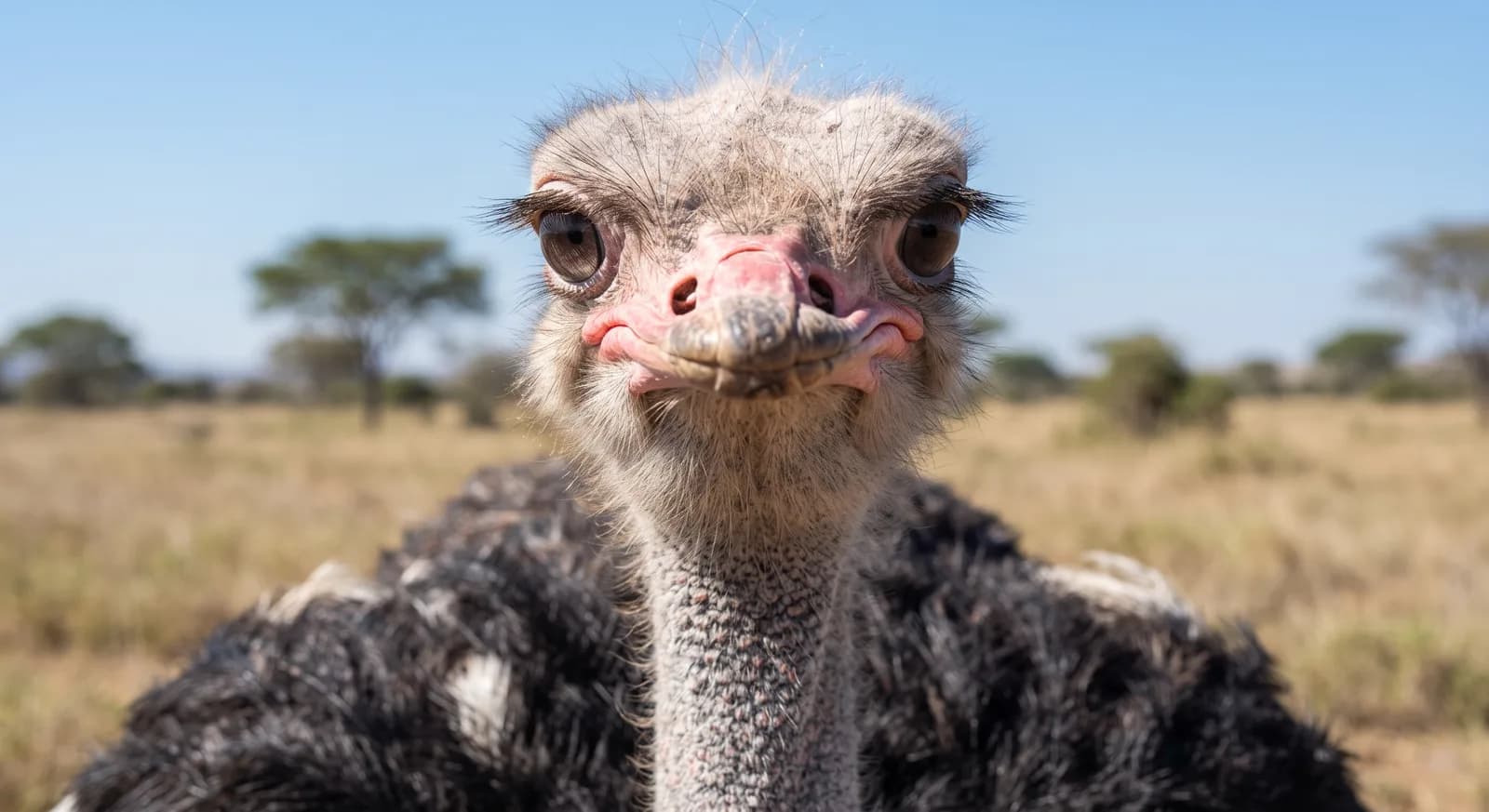 Least Concern
Common Ostrich
Struthio camelus
Red-winged Tinamou
Rhynchotus rufescens
Indian Peafowl
Pavo cristatus
Helmeted Guineafowl
Numida meleagris
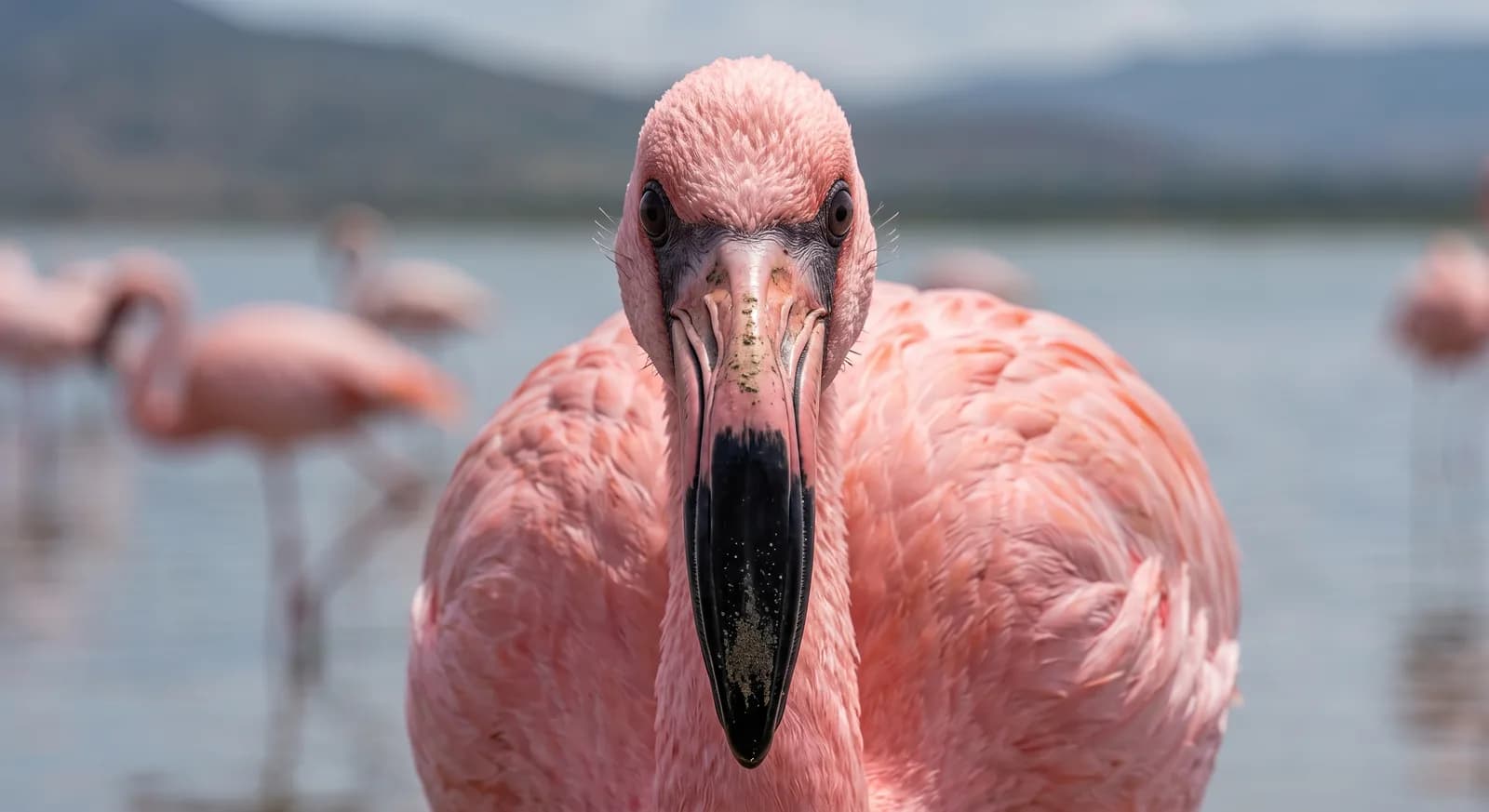 Least Concern
Greater Flamingo
Phoenicopterus roseus
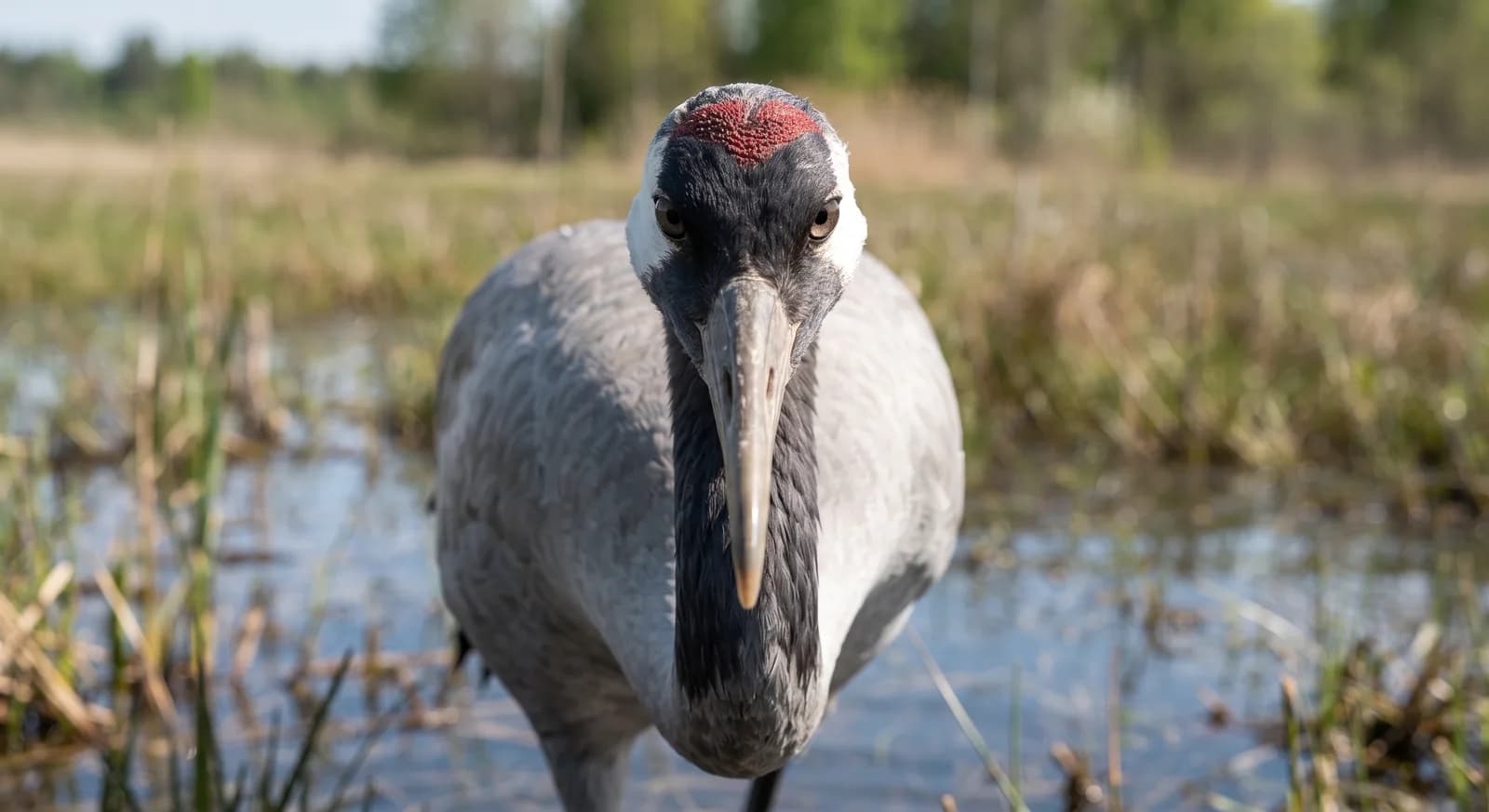 Least Concern
Common Crane
Grus grus
Keep exploring
Based on what we already know about wattled jacana.
Comments
Share an experience, a fun fact or a tip for seeing the wattled jacana.
Be the first to comment.