One of the 15 flies on WAnimals
Insects · Diptera · Simuliidae
Black Fly
Simulium erythrocephalum
It has not yet been assessed against the IUCN criteria. See full glossary
A small, hump-backed blackfly whose females need blood to mature their eggs and bite by tearing the skin, which causes a far more dramatic reaction than a mosquito bite. Its larvae live attached to stones in fast, well-oxygenated stretches of river.
Size
2 cm – 5 cm
Diet
Carnivore
Feeds mainly on other animals.
Activity
Diurnal
Active mainly during the day.
Social structure
Colony
Lives in large concentrations, often for breeding reasons.
Sighting difficulty
Unknown
Fun facts
- GeneralIts larvae live fixed to the stones of the river; its bite tears the skin and bleeds.
- The larva anchors itself to the substrate with a crown of hooks and filters the water with two folding fans on its head.
- It does not bite like a mosquito, which pierces: it cuts the skin with its mouthparts and laps up the blood that wells out, which is why the wound is more painful and longer-lasting.
- Its proliferation in some Spanish rivers has been linked to flow regulation by dams, which stabilises the conditions its larvae need.
- The larva is a filter feeder: it anchors itself to stone with silk and unfurls head fans to strain particles from the current, which is why it lives only in moving water.
- The pupa encloses itself in a silk cocoon glued to the substrate, and the adult emerges through a slit and rises to the surface inside a bubble of air.
- Only the adult stage is terrestrial; egg, larva and pupa all develop in the water.
- In Europe it is a competent vector of Onchocerca lienalis and O. gutturosa, nematodes that cause bovine onchocerciasis. Human onchocerciasis, river blindness, is transmitted by other species of the genus in Africa and the Americas.
- The larvae are used as bioindicators because they are highly sensitive to degradation of the watercourse.
Life cycle & biology
- Habitat & environment
- The banks of fast rivers and irrigation channels
Sources consulted: Adler y McCreadie (2019); Science of the Total Environment (2024); Organización Mundial de la Salud
Where to find it
See its range on the interactive mapBest time: Spring and early summer, beside fast-flowing rivers
Related species
Other species in the catalogue with the most in common with Black Fly — same habitat, park, country, tags or family.
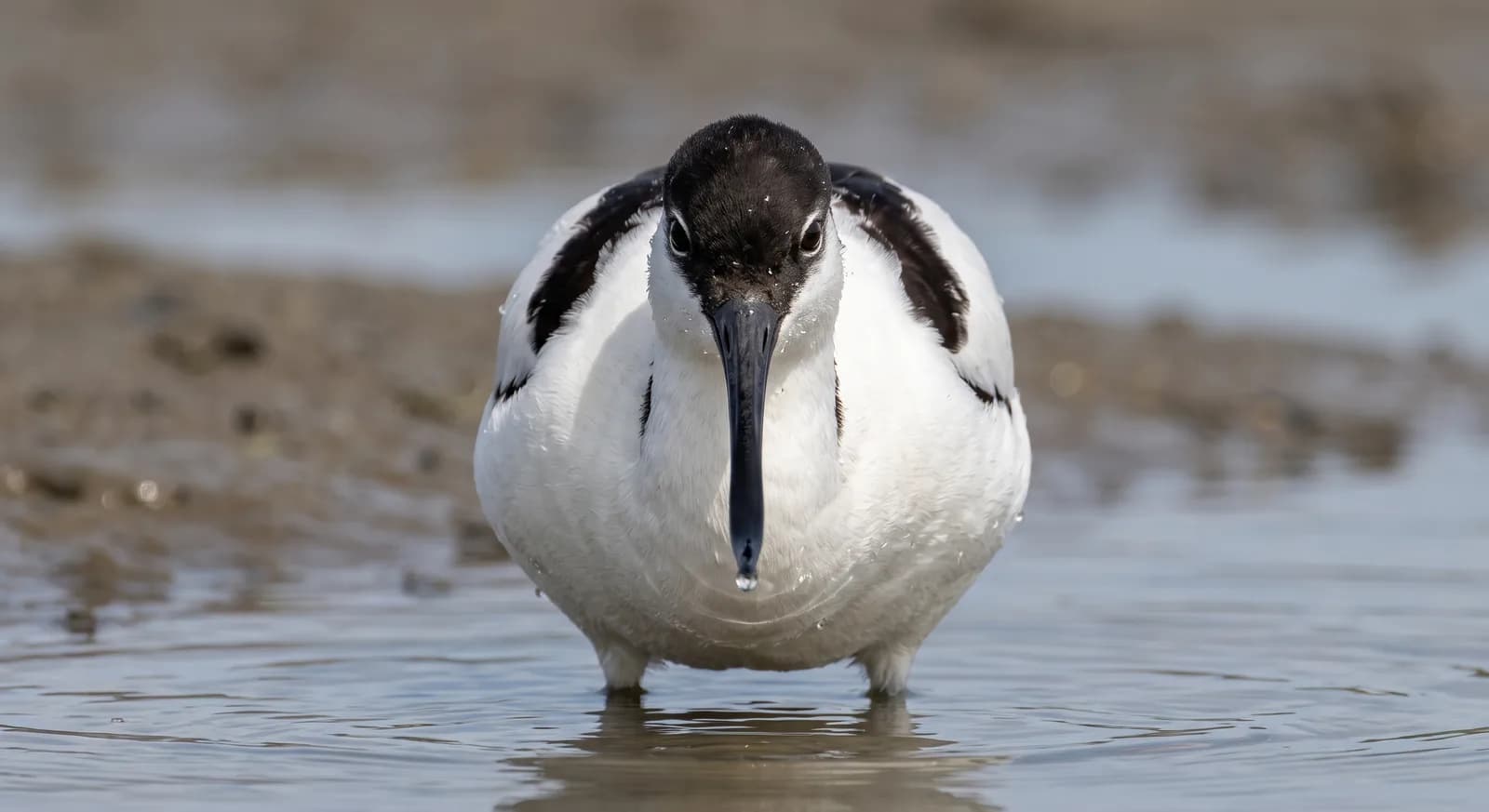 Least Concern
Pied Avocet
Recurvirostra avosetta
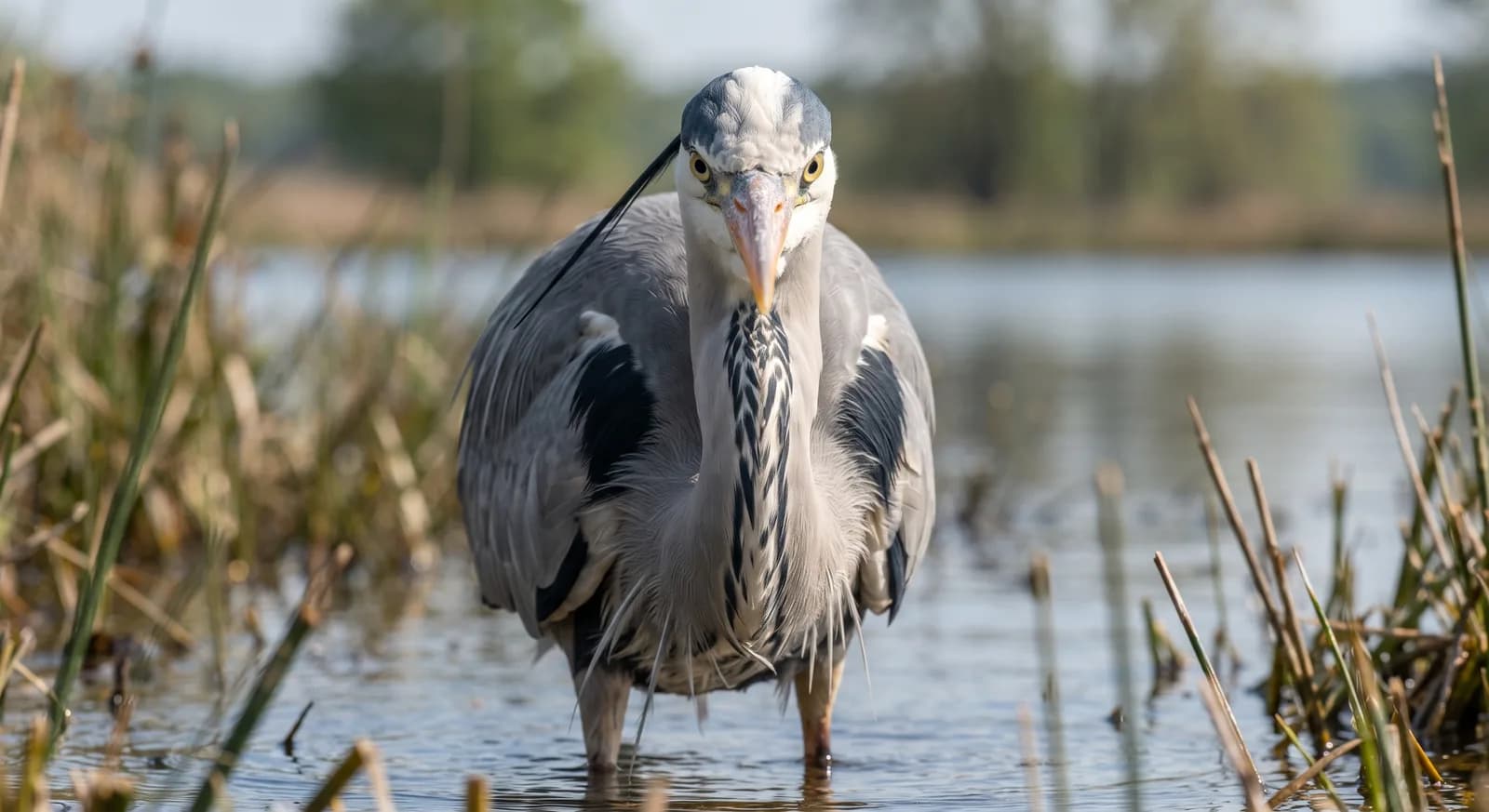 Least Concern
Grey Heron
Ardea cinerea
Little Egret
Egretta garzetta
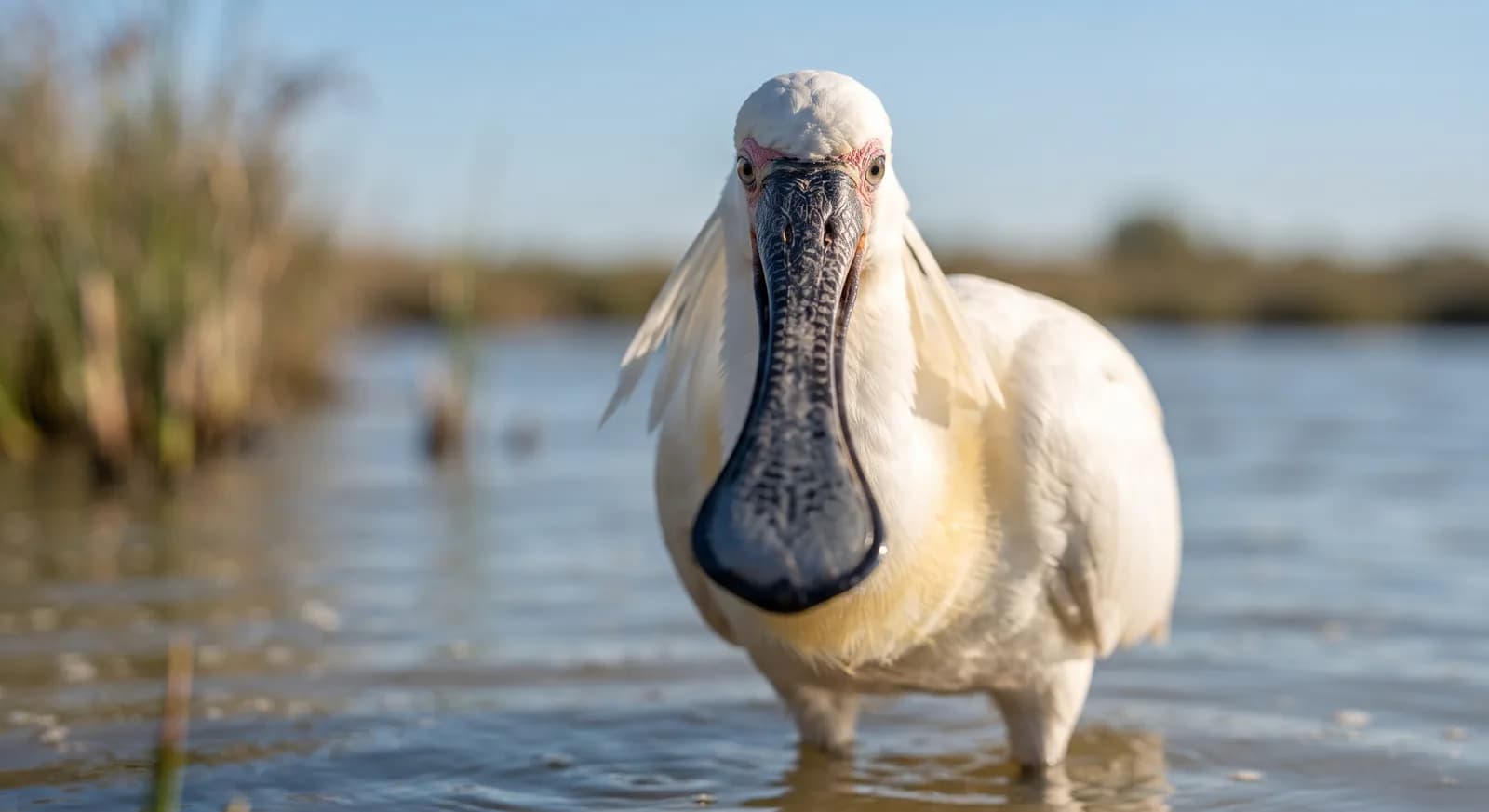 Least Concern
Eurasian Spoonbill
Platalea leucorodia
Scarlet Ibis
Eudocimus ruber
Four-Spotted Chaser
Libellula quadrimaculata
Keep exploring
Based on what we already know about black fly.
Comments
Share an experience, a fun fact or a tip for seeing the black fly.
Be the first to comment.