Spain
Europa
Spain has the greatest diversity of vertebrates in western Europe, a consequence of its position as a bridge between the European continent and Africa and of a relief that strings together high mountains, arid plateaux, Atlantic marshes and Mediterranean coasts. The dehesa, an open woodland of holm and cork oaks maintained by grazing, is a unique cultural landscape that supports large raptors and ungulates. In the north, the Cantabrian range keeps Atlantic beech and oak forests with brown bear and Iberian wolf; the Pyrenees add alpine fauna such as the bearded vulture and the chamois. Doñana forms the largest marshland system on the continent, an essential stopover for birds migrating between Europe and Africa. The Canary archipelago, volcanic in origin and Macaronesian in biogeography, works as a laboratory of evolution apart, with giant lizards, relict laurel forest and a marine fauna of resident cetaceans.
The nature of Spain
National animal: No official national animal; the fighting bull is the popular symbol and the Iberian lynx the conservation emblem
Did you know?
The Iberian lynx was once the most endangered cat on the planet: in the early 2000s fewer than a hundred were left, split between two isolated populations in Andalusia. The captive breeding and reintroduction programme passed 2,000 individuals in 2023 and led the IUCN to downgrade the species from Endangered to Vulnerable in 2024, one of the greatest conservation successes for any cat in the world.
Biodiversity profile
Climate
- •Mediterraneo (Csa/Csb) en la mayor parte del pais
- •Oceanico templado (Cfb) en el norte (cornisa cantabrica)
- •Semiarido (BSk) en el sureste
- •Clima de alta montaña en Pirineos y Sierra Nevada
Main biomes
- •Bosque y matorral mediterraneo (dehesa, encinar)
- •Bosque caducifolio atlantico (norte)
- •Estepa semiarida (sureste)
- •Bosque de coniferas de alta montaña (Pirineos, Sierra Nevada)
- •Dehesa
- •Bosque mediterráneo
- •Bosque atlántico
- •Alta montaña alpina
- •Marisma
- •Estepa cerealista
- •Laurisilva
- •Litoral volcánico
Marine and coastal ecosystems
- •Costas atlantica, cantabrica y mediterranea, con marismas de Doñana (delta del Guadalquivir) de importancia mundial para aves acuaticas
Flagship wildlife
- •Lince iberico (unico felino endemico de Europa, exito de conservacion global)
- •Aguila imperial iberica
- •Oso pardo cantabrico
- •Cabra montes iberica
- •Oso pardo
- •Lobo ibérico
- •Quebrantahuesos
- •Buitre negro
- •Flamenco común
- •Cabra montés
- •Rebeco
- •Calderón tropical
Notable endemic species
- •Aprox. 9.000 especies de plantas vasculares, de las cuales 25% son endemicas de la Peninsula Iberica, uno de los hotspots de biodiversidad de Europa
- •Lince iberico, uno de los dos carnivoros endemicos de Europa (junto al vison europeo)
- •Lince ibérico
- •Águila imperial ibérica
- •Lagarto gigante de El Hierro
- •Pinzón azul del Teide
- •Desmán ibérico
- •Urogallo cantábrico
Notable threatened species
- •Lince iberico (Vulnerable desde 2024, recuperado de 62 individuos maduros en 2001 a mas de 2.000 en la actualidad, uno de los mayores exitos de conservacion felina del mundo)
- •Vison europeo (En Peligro Critico)
- •Aguila imperial iberica (Vulnerable, en recuperacion)
Notable protected areas
- •Parque Nacional de Doñana (marismas del Guadalquivir, Patrimonio Mundial)
- •Parque Nacional de Sierra Nevada
- •Parque Nacional de los Picos de Europa
- •Parque Nacional de Ordesa y Monte Perdido
- •Parque Nacional del Teide
- •Parque Nacional de Garajonay
- •Parque Natural Sierra de Andújar
Main conservation threats
- •Fragmentacion de habitat mediterraneo por agricultura intensiva y urbanizacion costera
- •Fluctuaciones en la poblacion de conejo europeo (presa clave del lince iberico) por enfermedades virales
- •Incendios forestales cada vez mas intensos por el cambio climatico
Notable natural phenomena
- •La recuperacion del lince iberico, de 62 a mas de 2.000 individuos en dos decadas, es reconocida internacionalmente como uno de los mayores exitos de conservacion de felinos del mundo
Conservation
A success story with the Iberian lynx and the Spanish imperial eagle; the persistent threats are fragmentation by infrastructure, road deaths, illegal poisoning and the over-extraction of groundwater that is drying out the Doñana marshes.
Where and when to watch wildlife
Sierra de Andújar and Sierra Morena for the lynx, between November and February, during the rut. Somiedo and the Cantabrian range for brown bear in spring and autumn. The Strait of Gibraltar concentrates one of the greatest migrations of raptors and storks on the planet in August and September.
Sources: WorldAtlas - Iberian Peninsula | IUCN - Recovery of the Iberian lynx conservation success Spain | Animal Diversity Web - Lynx pardinus
Natural phenomena in Spain
- Migración de aves en Doñana — Marzo a mayo y septiembre a octubre
- La berrea del ciervo ibérico — Septiembre a octubre
- Época de apareamiento del lince ibérico — Enero a julio
Parks and reserves
Teide
Spain's most visited national park; the highest peak in Spain (3,718 m)
View parkNational ParkGarajonay
The finest surviving example of laurisilva, a subtropical forest that covered southern Europe millions of years ago
View parkWorld Heritage Site (Mixed)Ibiza, biodiversidad y cultura
A mixed property combining the best-preserved Posidonia meadows in the Mediterranean with Phoenician-Punic and Renaissance Ibiza.
View parkNational ParkTablas de Daimiel
One of the last surviving wetlands of La Mancha after decades of aquifer overdraw, with episodes of total drought on record
View parkNational ParkDoñana National Park
A wetland of world importance and one of the last strongholds of the Iberian lynx in the wild.
View parkNational ParkSierra de las Nieves
Spain's newest national park; forests of Spanish fir
View parkNational ParkSierra Nevada
The highest massif in Mediterranean Europe outside the Caucasus, with more than 20 peaks above 3,000 metres
View parkNature ParkBardenas Reales
A semi-desert badlands landscape carved into gypsum and clay, with isolated buttes and gullies in south-eastern Navarre.
View parkNature ParkCabo de Gata-Níjar
The most arid landscape in Europe, a volcanic coastline of coves and cliffs that was Andalusia's first combined land and sea park.
View parkNature ParkMontseny
A Catalan pre-coastal massif where the three great European biomes meet, a biosphere reserve since 1978.
View parkDiving and snorkelling
Formentera (Es Freus)
The channel between Ibiza and Formentera holds meadows of Posidonia oceanica designated a UNESCO World Heritage Site.
View dive siteRock wallCap de Creus
Catalonia's only combined land and marine nature park, with underwater schist cliffs.
View dive siteVolcanic marine reserve / Posidonia meadow / WreckCabo de Gata-Níjar
The first protected marine and land area in Andalusia, declared in 1987, on a volcanic coastline of cliffs, caves and Posidonia meadows. The classic dives include the Arrecife de las Sirenas, the Cueva del Francés, the Piedra de los Meros, El Ancla — a historic anchorage for mining ships where the anchor that gives the site its name lies at 18 m — and the wreck of El Arna, a Czechoslovak steamer some 100 m long that sank in 1928 off the Cabo de Gata lighthouse and lies between 27 and 42 m.
View dive siteMarine reserve/WreckCabo de Palos
A rectangular reserve of 1,931 ha between the Cabo de Palos lighthouse and the Islas Hormigas, in an area where Mediterranean waters meet Atlantic water entering through Gibraltar. The classic sites are ridges and rocky shoals: Piles I (7-29 m), Piles II (11-32 m), Bajo de la Testa (8-24 m), Bajo de Dentro (3-50 m) and Bajo de Fuera, a 100 m bank with pinnacles just 3 m from the surface. Outside the reserve lie the deep wrecks, such as the Isla Gomera — the 'Naranjito' — between 27 and 46 m and the Stanfield between 45 and 60 m.
View dive siteBlue light caveCabrera (Cova Blava)
A blue light cave within Cabrera National Park, with an optical effect much like the Blue Grotto of Capri.
View dive siteRocky reef/CaveCavalleria (Menorca)
The north coast of Menorca with underwater cliffs and very clear water inside the Biosphere Reserve.
View dive siteVolcanic/WallEl Hierro / La Restinga
A marine reserve of volcanic origin with basalt walls and the most important habitat of the critically endangered angelshark.
View dive siteVolcanic/ReserveAlboran Island
A volcanic islet in the westernmost stretch of the Mediterranean, where it connects with the Atlantic through the Strait of Gibraltar. That position on a biogeographic frontier explains its distinctive marine community.
View dive siteReef/ReserveChafarinas Islands
A Spanish national game refuge off the Moroccan coast, with one of the most strictly protected grouper populations in the Mediterranean.
View dive siteAtlantic rocky reefCíes Islands
A Galician Atlantic national park with cold water, rich in octopus and crustaceans, very different from Mediterranean diving.
View dive siteEspecies documentadas en Spain
840 species found
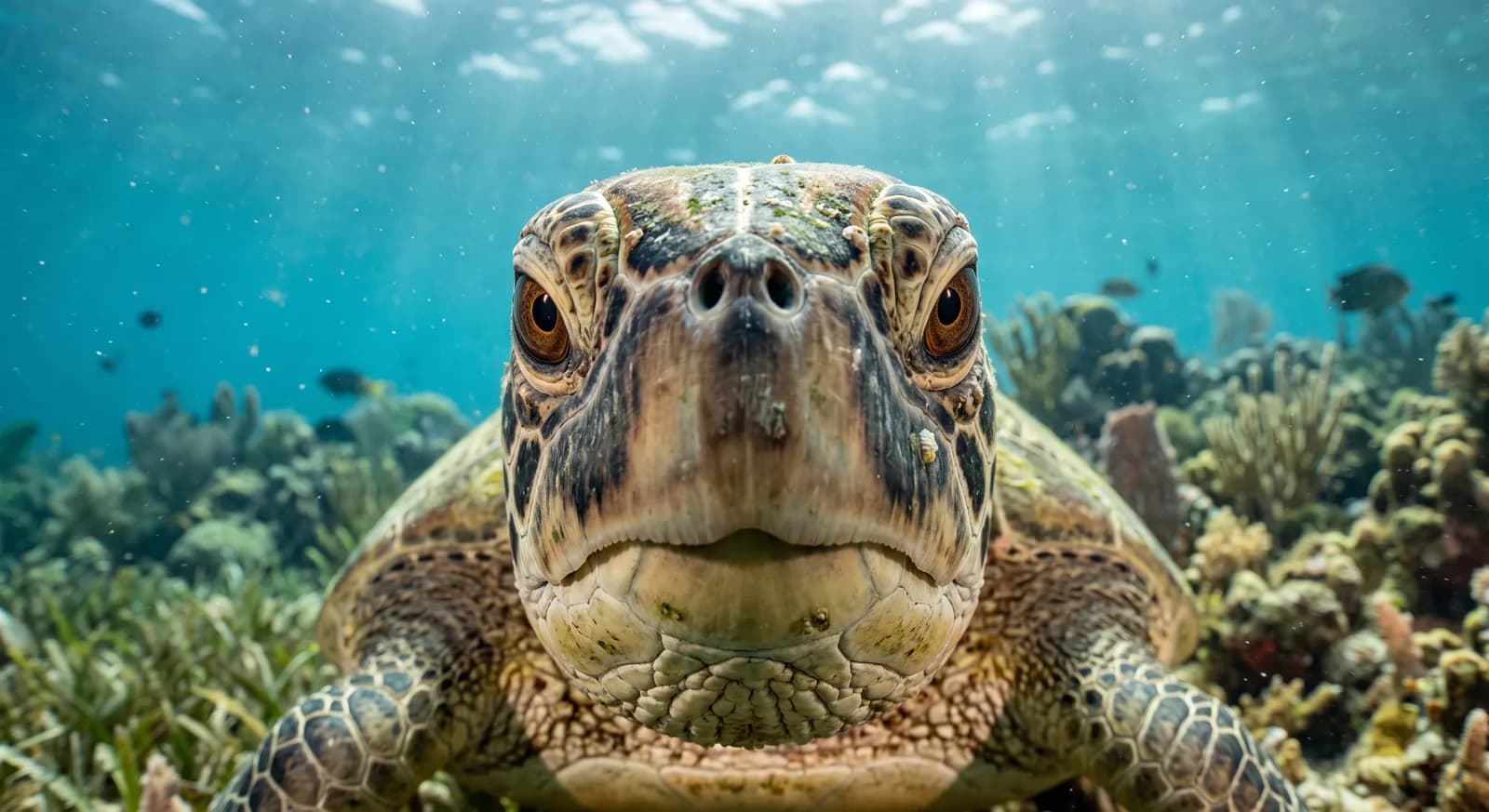 Endangered
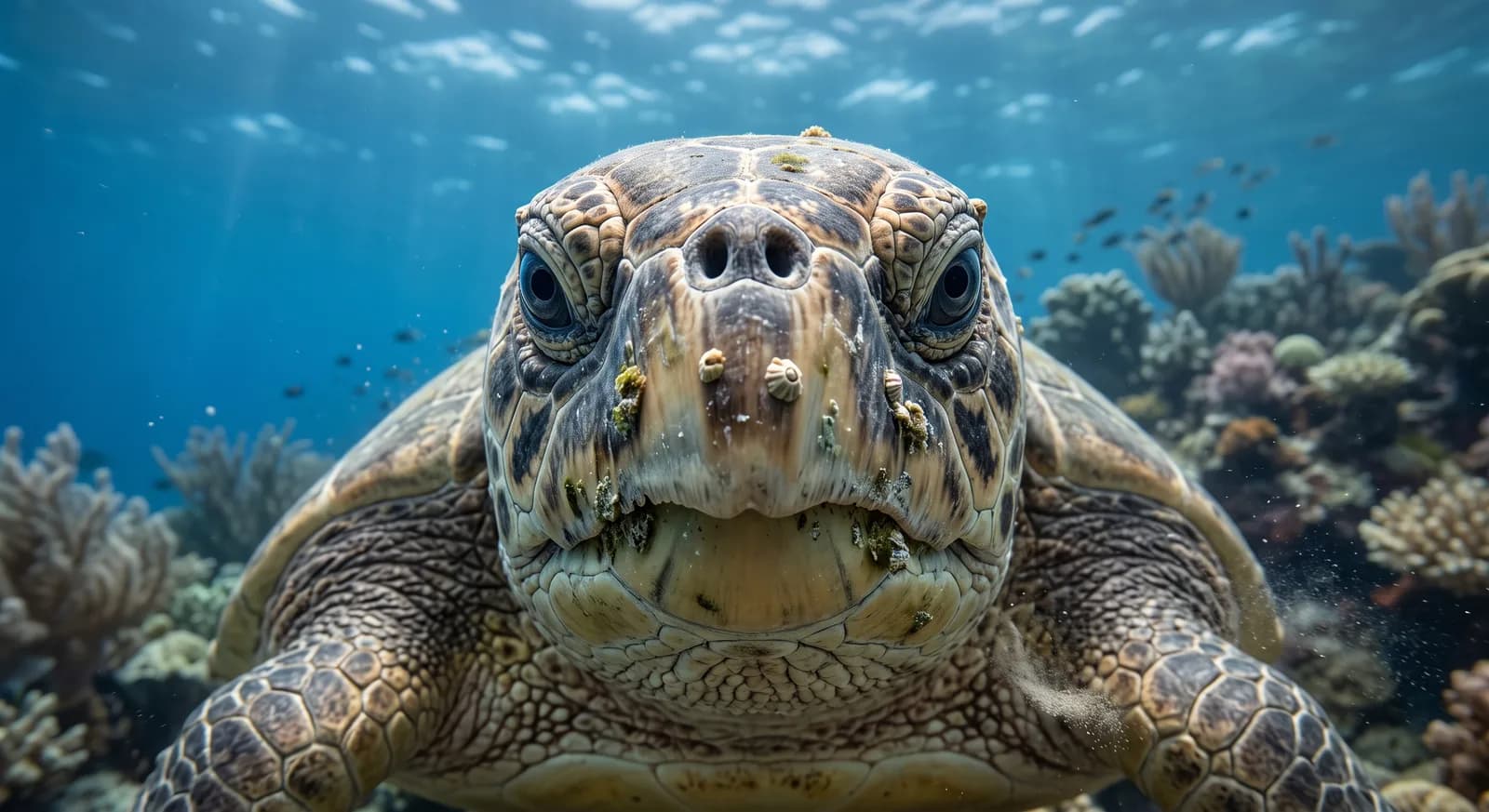
Green Turtle
Chelonia mydas
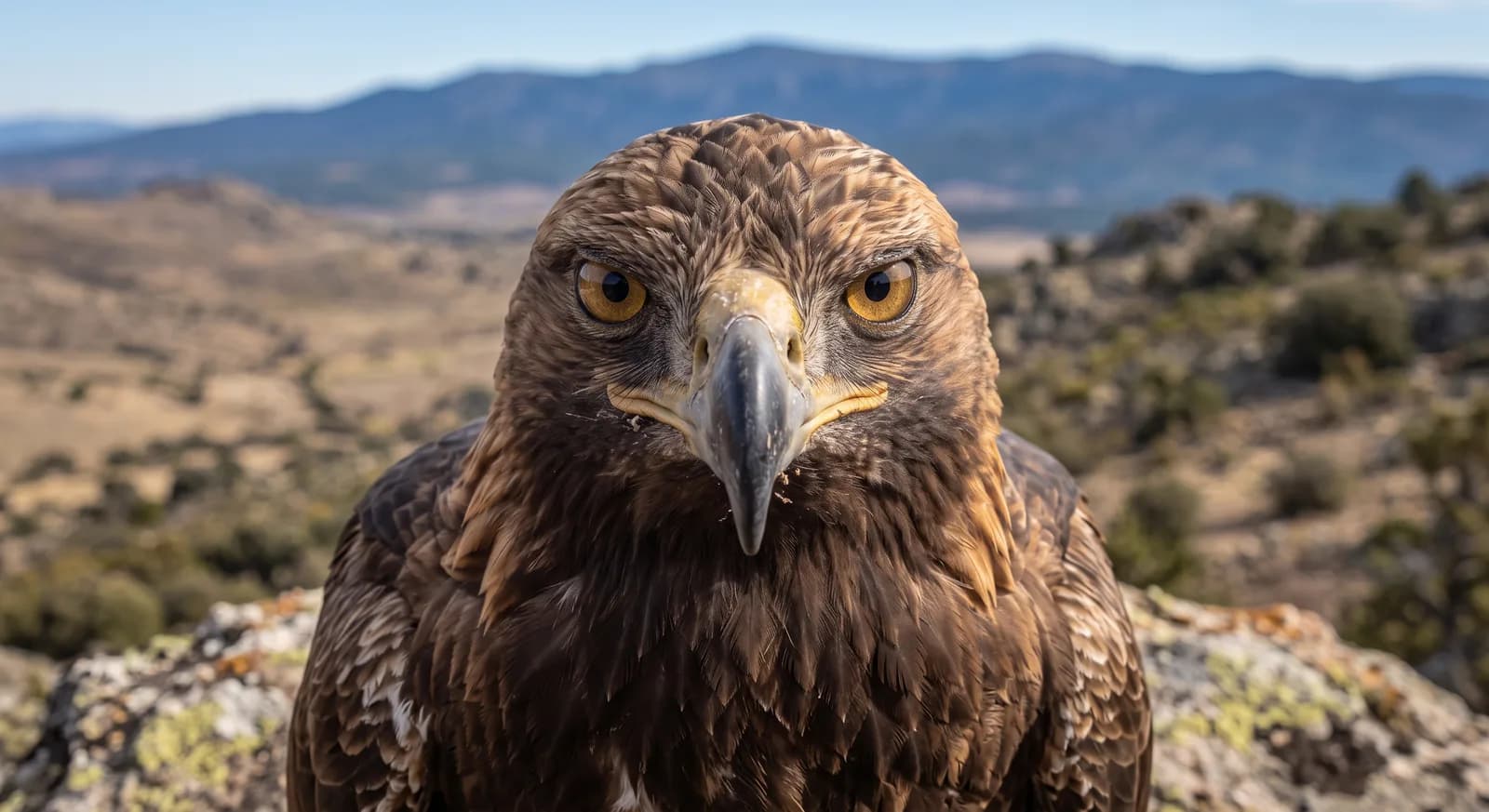 Vulnerable
Spanish Imperial Eagle
Aquila adalberti
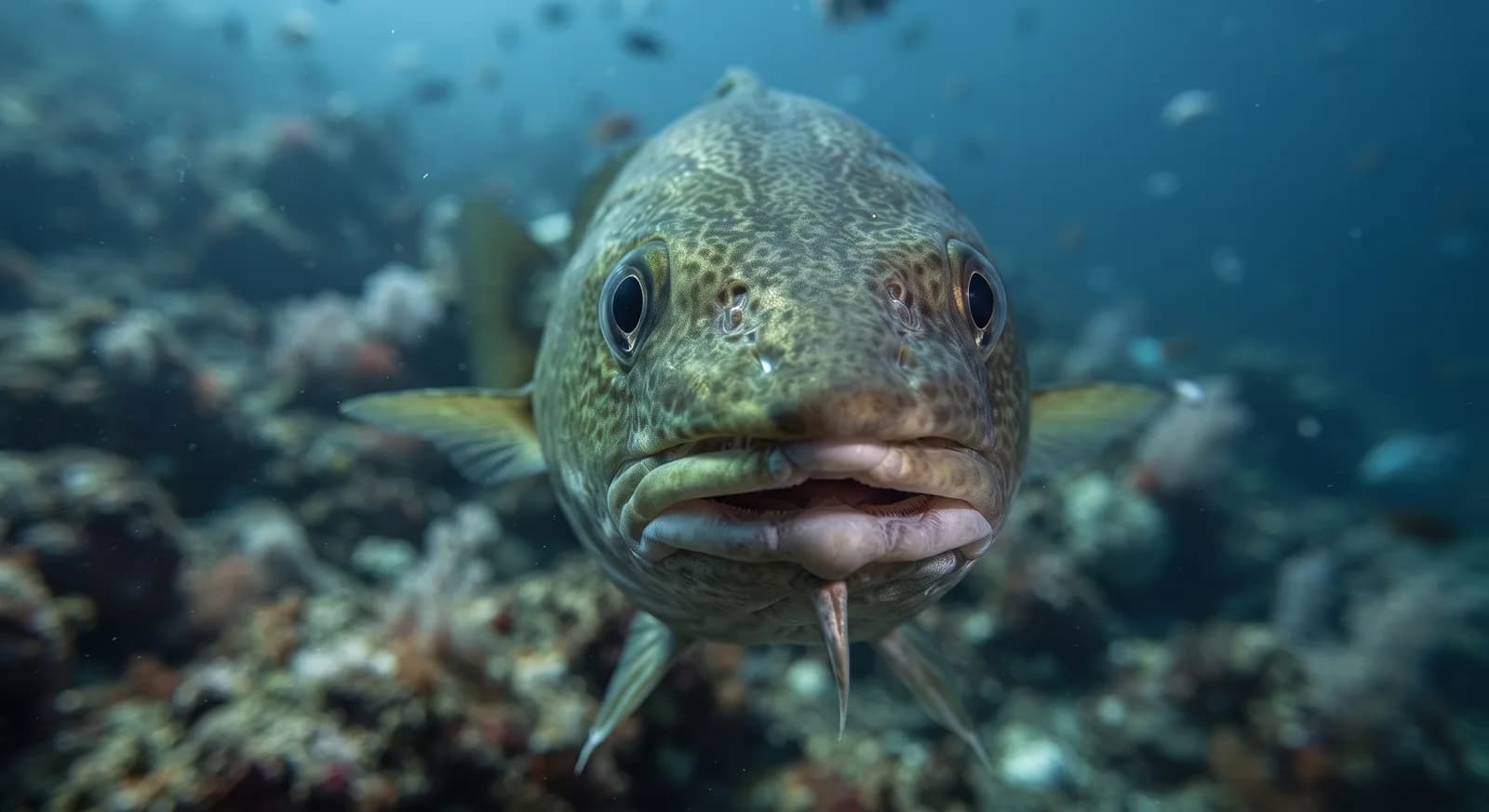 Vulnerable
Cod
Gadus morhua
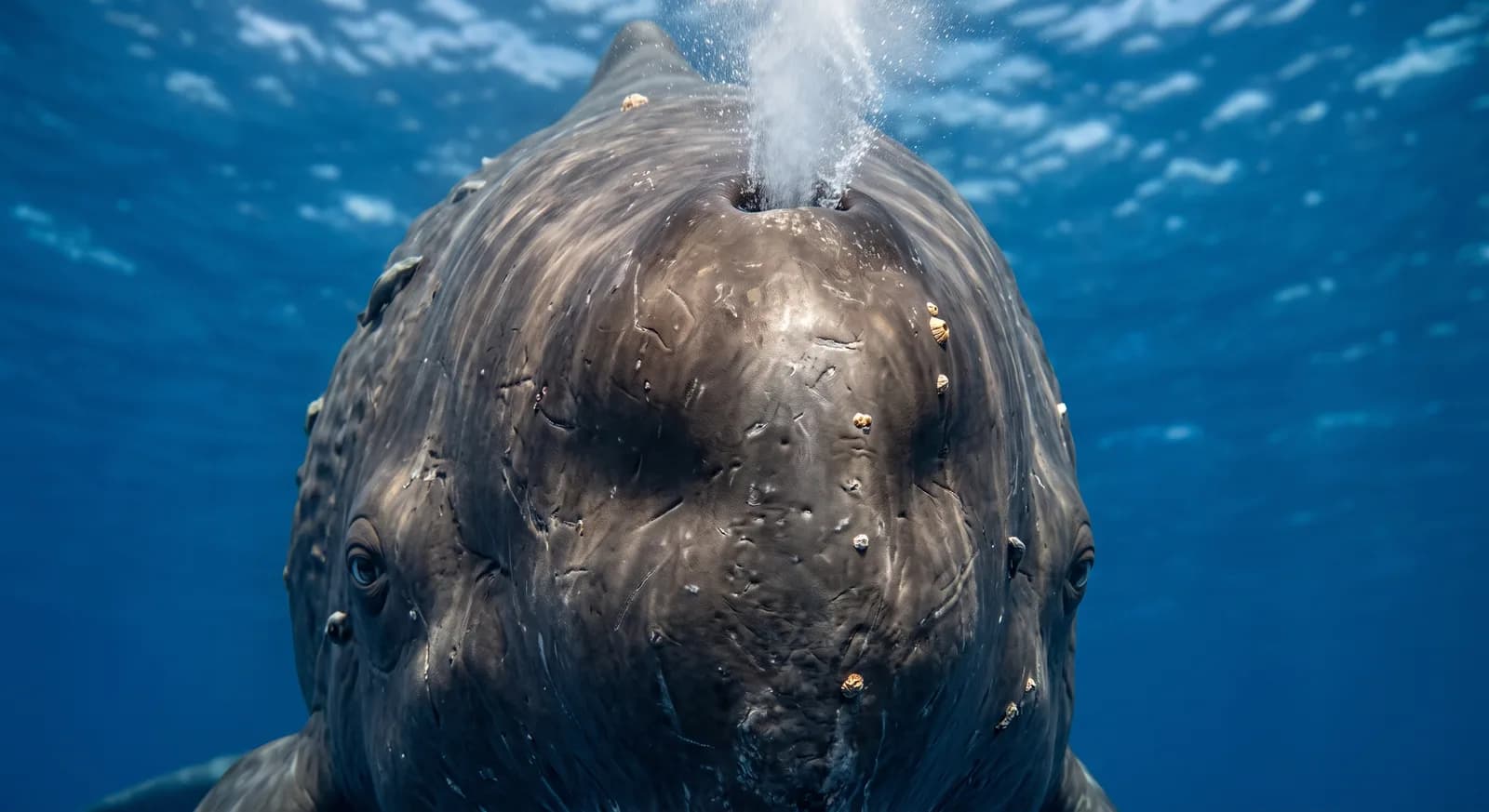 Vulnerable
Sperm Whale
Physeter macrocephalus
 Vulnerable
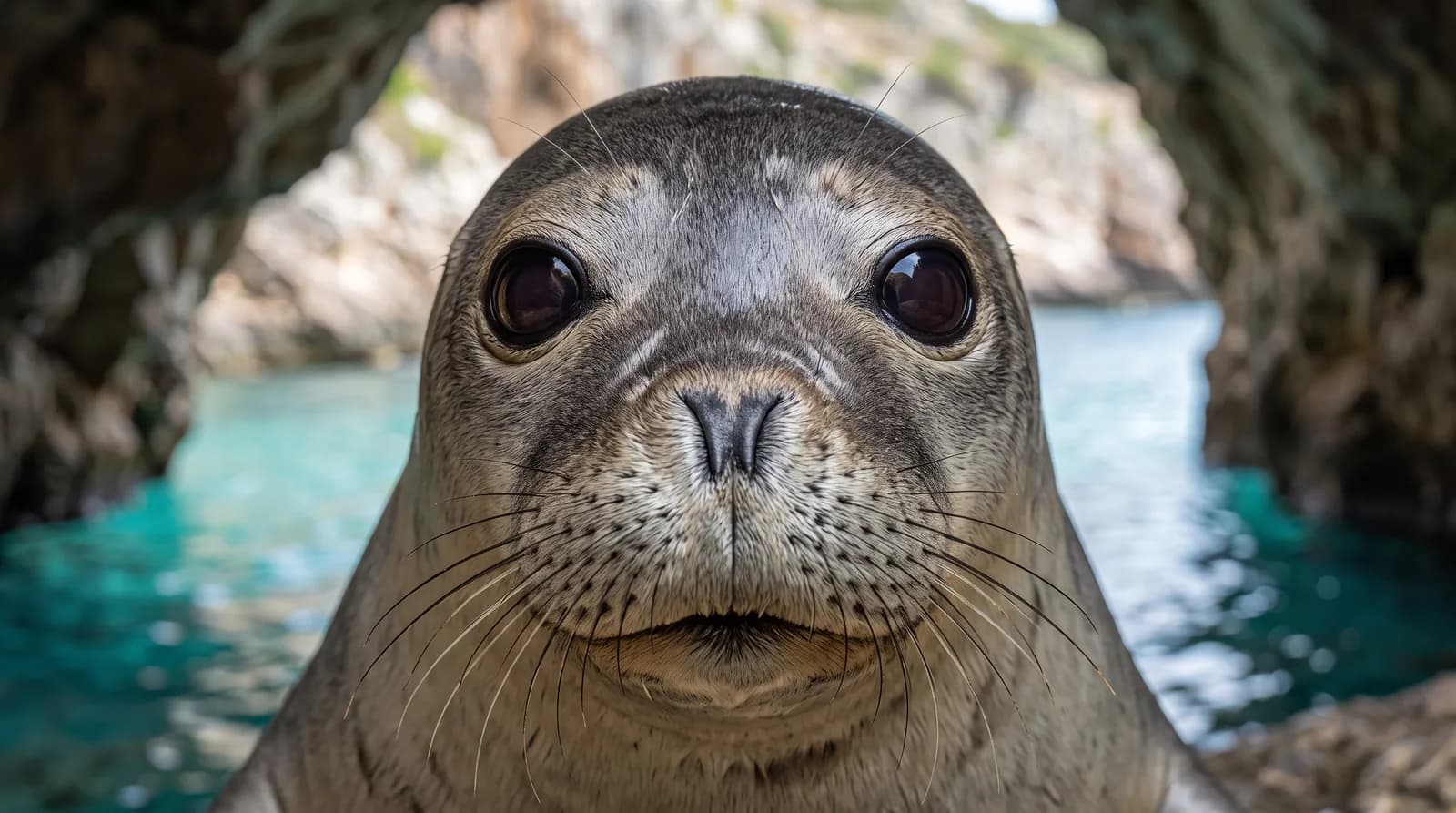
Mediterranean Monk Seal
Monachus monachus
 Vulnerable
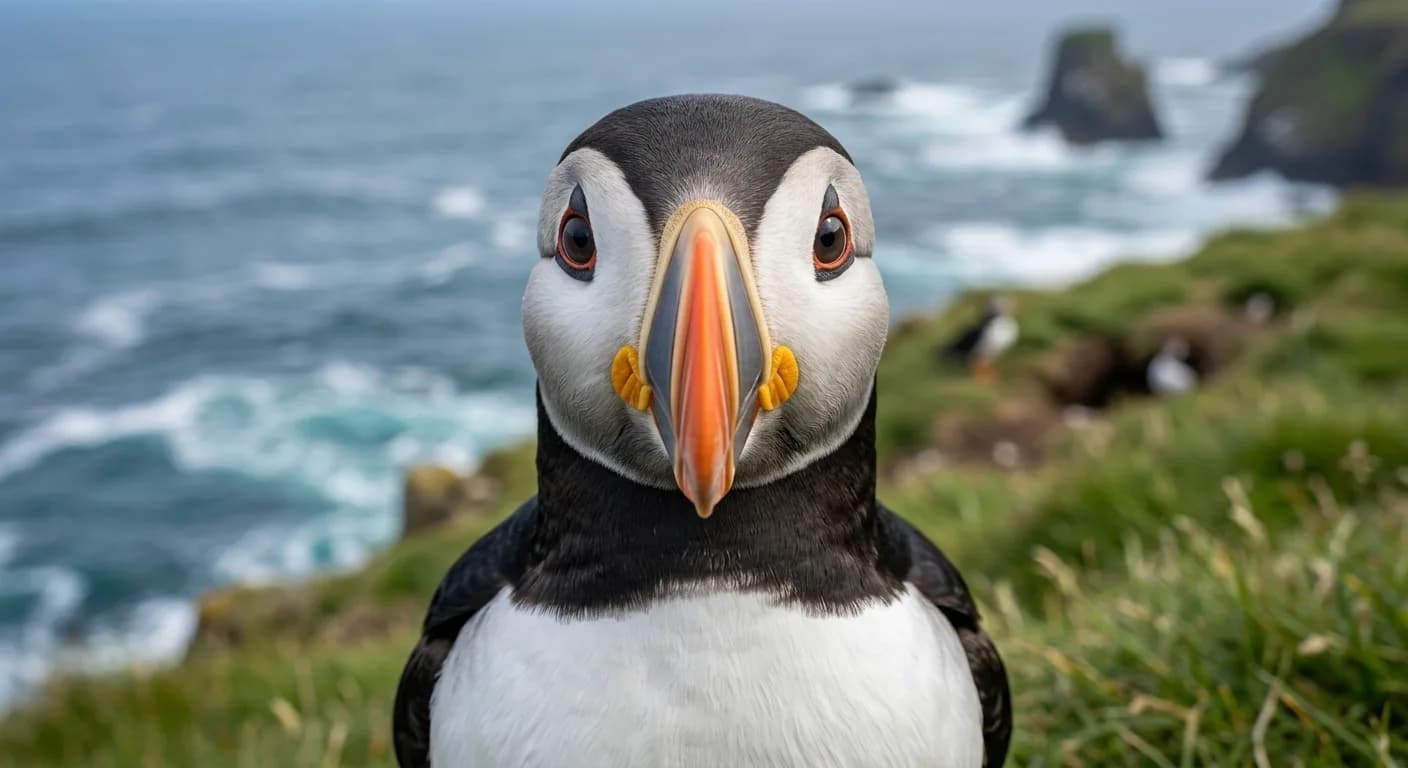
Atlantic Puffin
Fratercula arctica
 Vulnerable
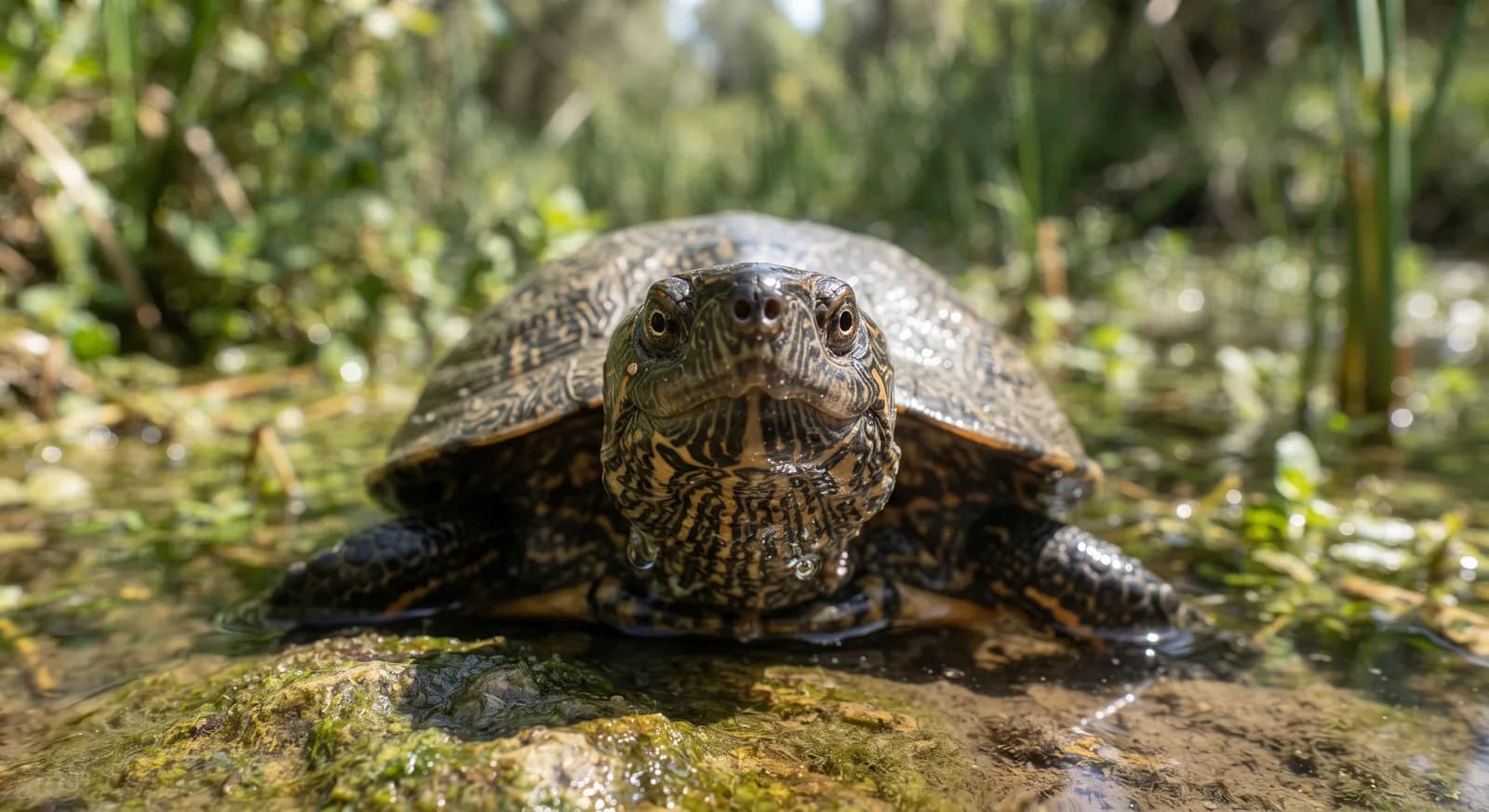
Spanish Terrapin
Mauremys leprosa
 Vulnerable
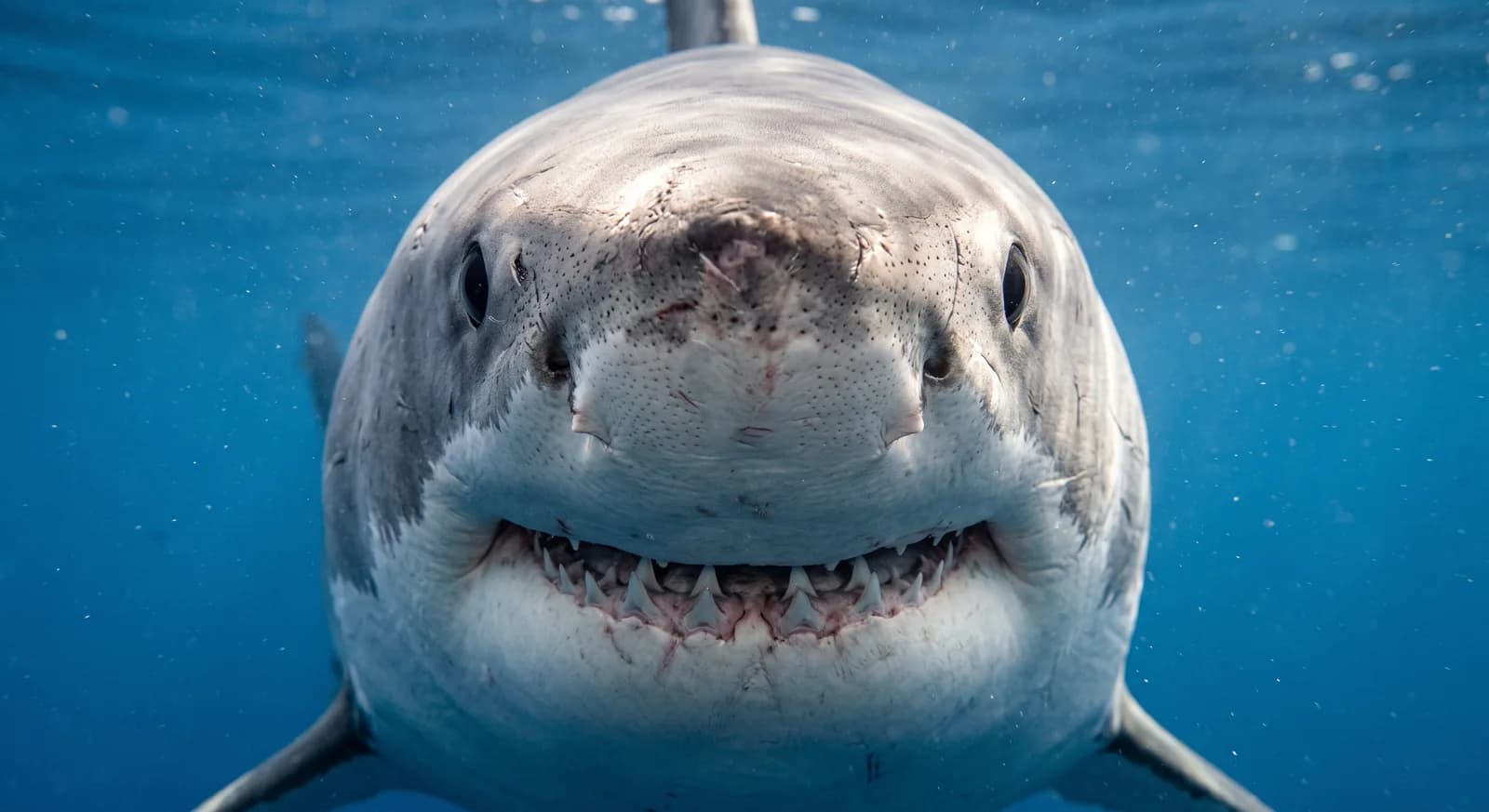
Great White Shark
Carcharodon carcharias
 Vulnerable
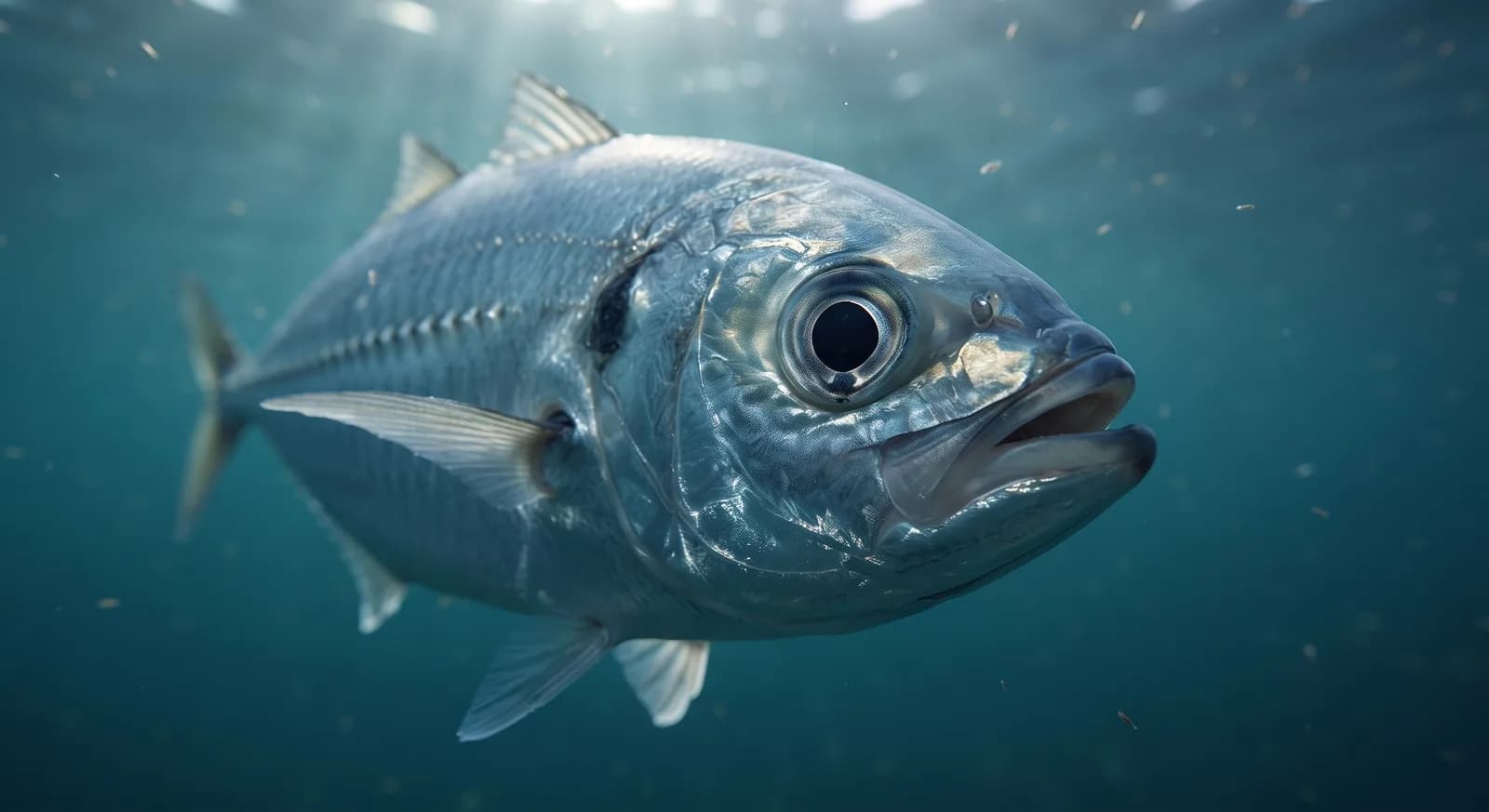
Horse Mackerel
Trachurus trachurus
 Vulnerable
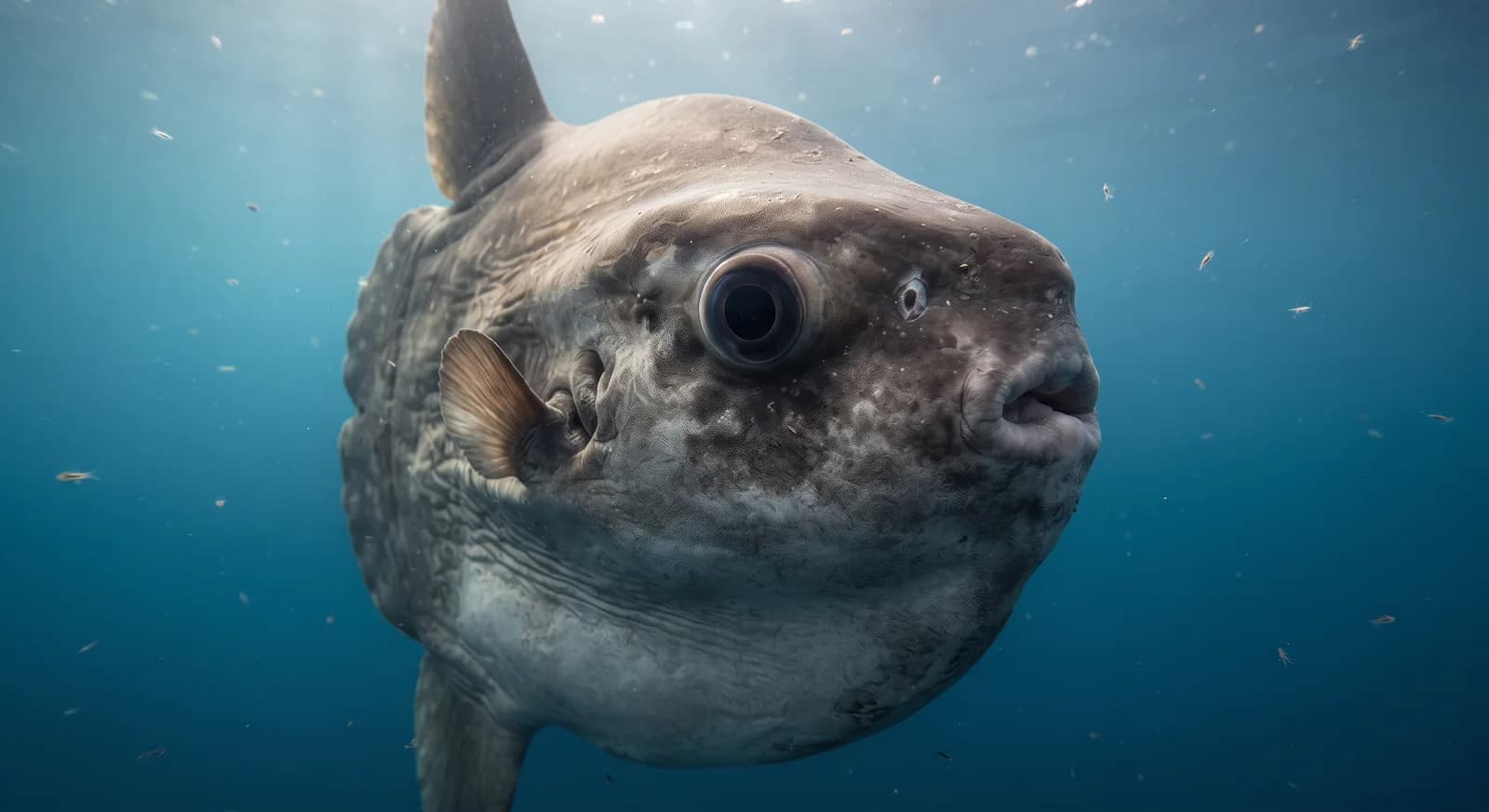
Ocean Sunfish
Mola mola
 Vulnerable
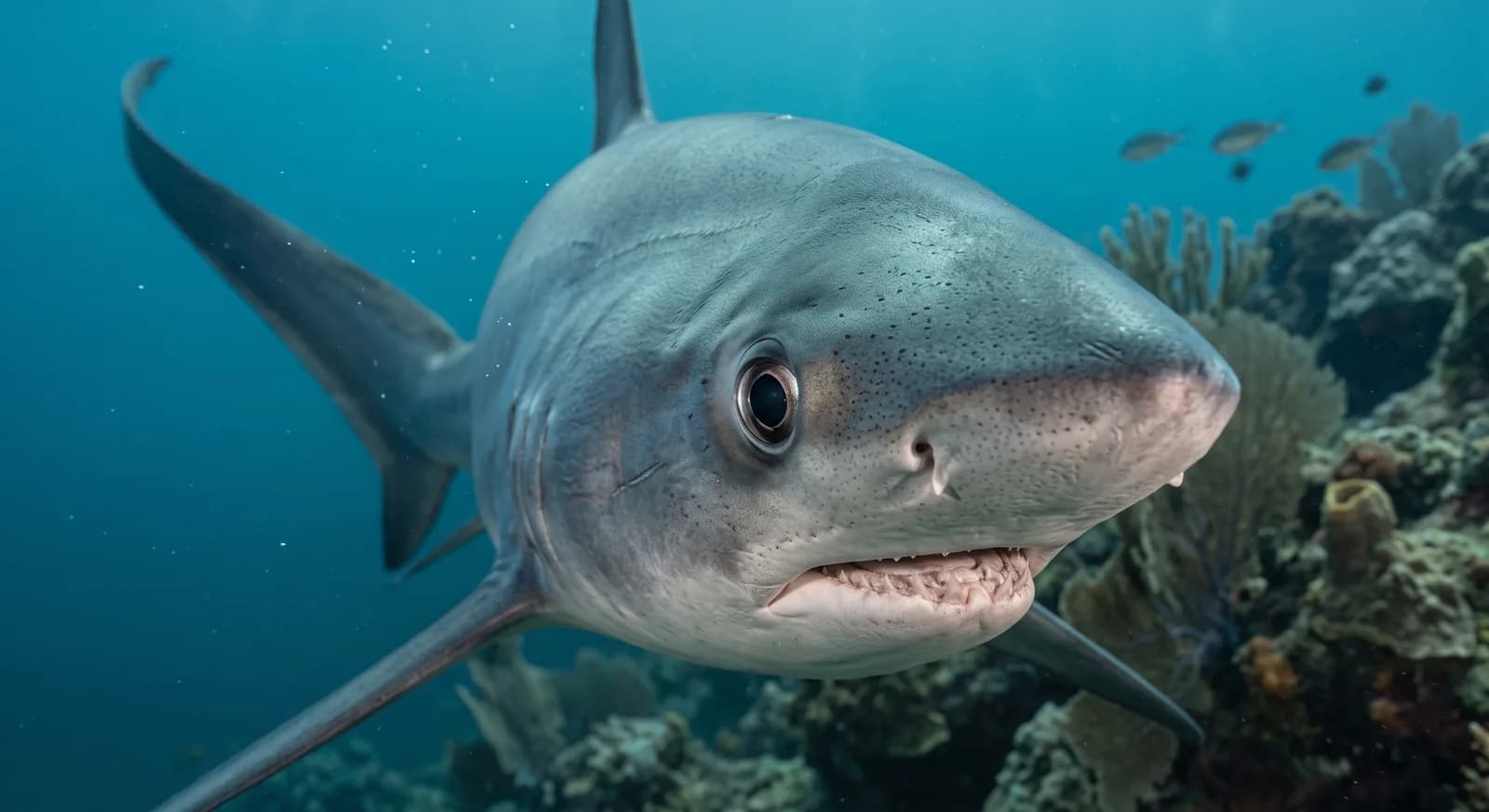
Grayfish
Alopias vulpinus
 Vulnerable
Loggerhead Turtle
Caretta caretta
Keep exploring
Based on what we already know about Spain.