Skip to content
WAnimals
  • Map
  • Species
  • Parks
  • Diving
Log inCreate account
WAnimals

The guide for travellers and animal lovers: discover, plan and share your wild adventures around the world.

Discover wildlife

  • Species
  • Ecosystems
  • Glossary
  • Tags

Explore places

  • Map
  • Countries
  • Parks
  • Diving

Plan experiences

  • Guides

Learn

  • Blog

Resources

  • Help centre
  • Contact
  • Install the app

Follow us

Account

  • Log in
  • Create account

© 2026 WAnimals. All rights reserved.

About usHow we build our profilesTerms of servicePrivacyLegal notice
MapSpeciesParksDiving
  1. Home
  2. Species
  3. Species groups
  4. Terns

Species group · Birds

Terns

WAnimals has 6 species of tern, in the family Laridae.

6 species
1 family
165 countries
64 parks
Weight
90 g – 500 g
Length
25 cm – 50 cm
Lifespan

All 6 species of terns on WAnimals

Each one has its own full profile. This group does not replace them: it brings them together.

Conservation status

6 Least Concern

No species documented in this group is genuinely at risk according to the IUCN, with the data available today.

Where they live

Recorded in 165 countries. The ones with the most species in the group:

Where to see them

Did you know…?

  • Juveniles can spend three to five years in practically continuous flight over the ocean, settling neither on water nor on land: they sleep on the wing and only come down when they return to breed.

    From

  • Its tropical colonies are deafening and its ceaseless call has earned it the English nickname "wideawake" — the one that keeps you up.

    From

  • GPS tracking studies have shown it can cover up to 90,000 km a year by following favourable wind patterns.

    From

  • It eats small fish such as herring and capelin, and crustaceans such as krill.

    From

  • It lives on open tundra, boreal forest and rocky coasts of the circumpolar Arctic.

    From

  • Its chicks form crèches of hundreds of birds, and each adult finds its own in the crowd by recognising its voice: the identification is so precise that a parent can feed its chick among a thousand without error.

    From

  • It breeds in extremely tight colonies where the nests are less than thirty centimetres apart, a density that reduces predator success by swamping them.

    From

Ecosystems

·

10 – 32 years

Ranges calculated from the profiles that record the figure, not from all 6.

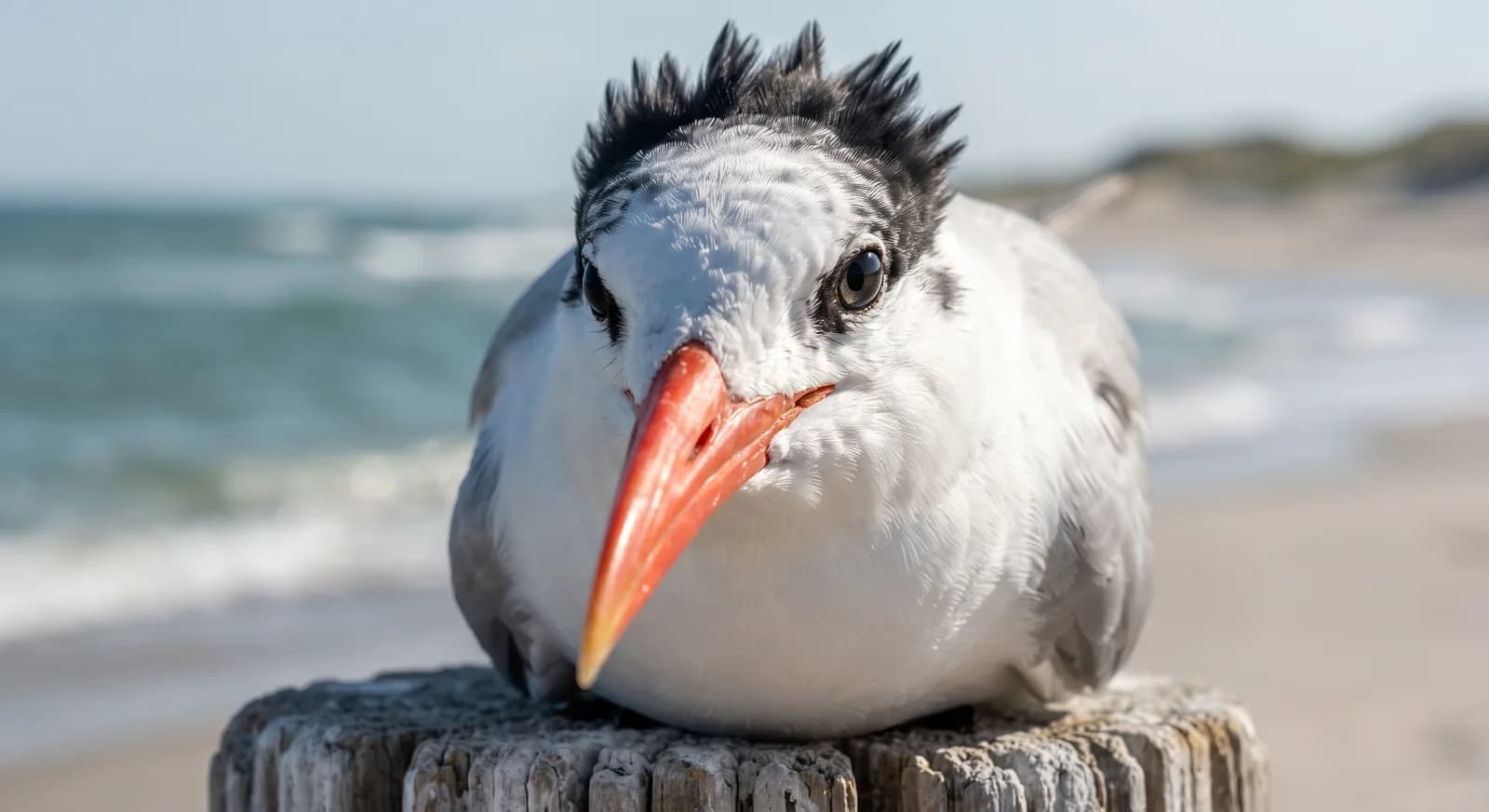
Its intensely orange bill distinguishes it from the lesser crested tern, which is smaller with a paler orange bill and shares many of its African colonies.

From
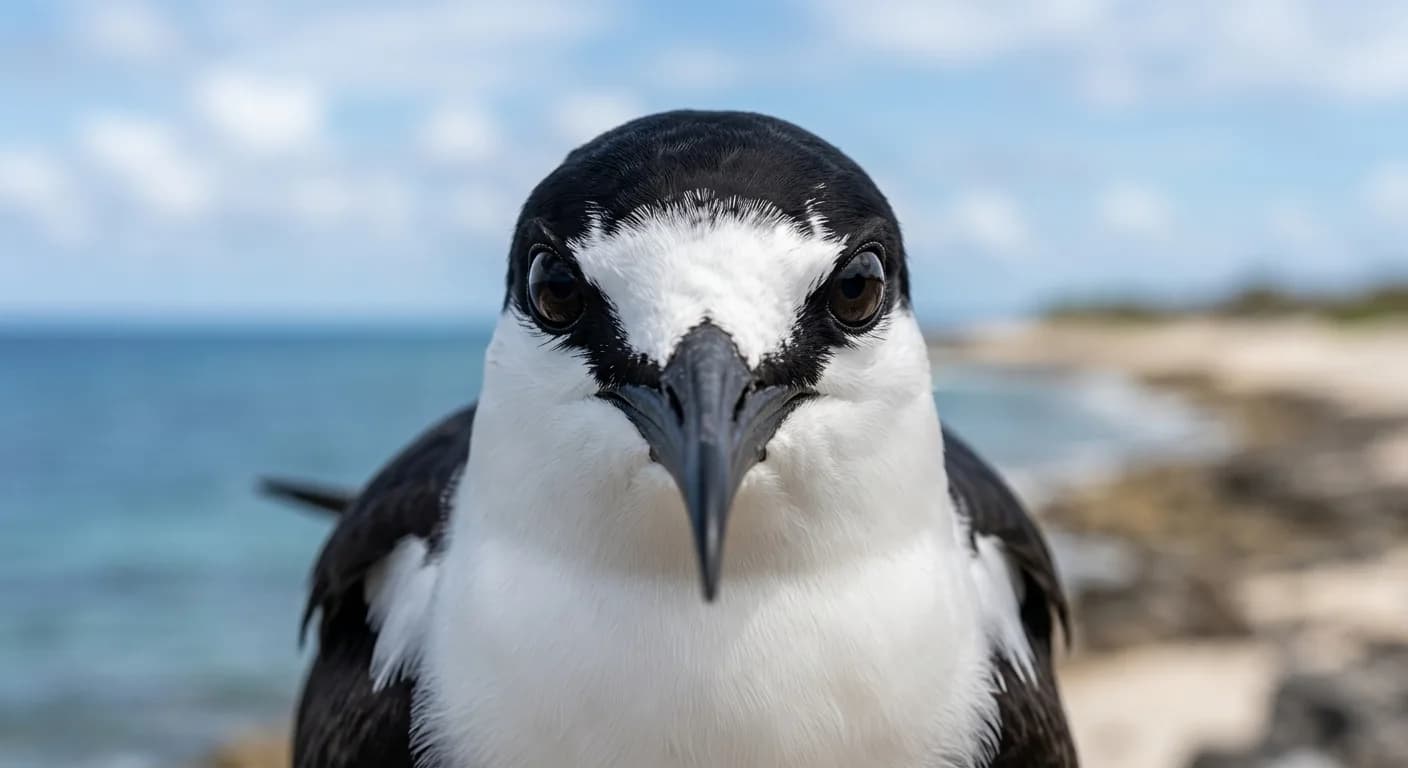
Sooty TernLeast Concern

Sooty Tern

Onychoprion fuscatus

76 countries17 parks2 dive sites
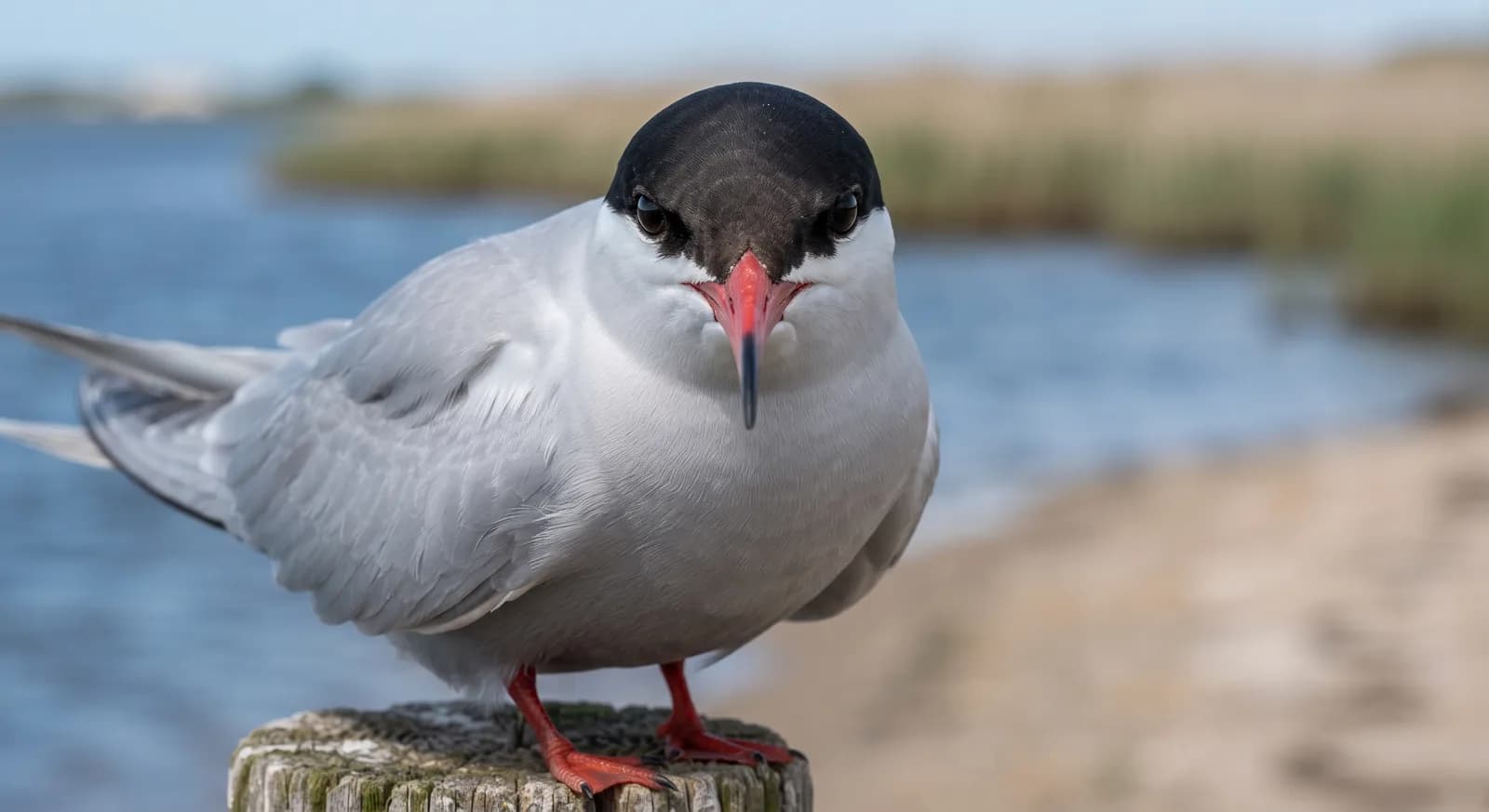
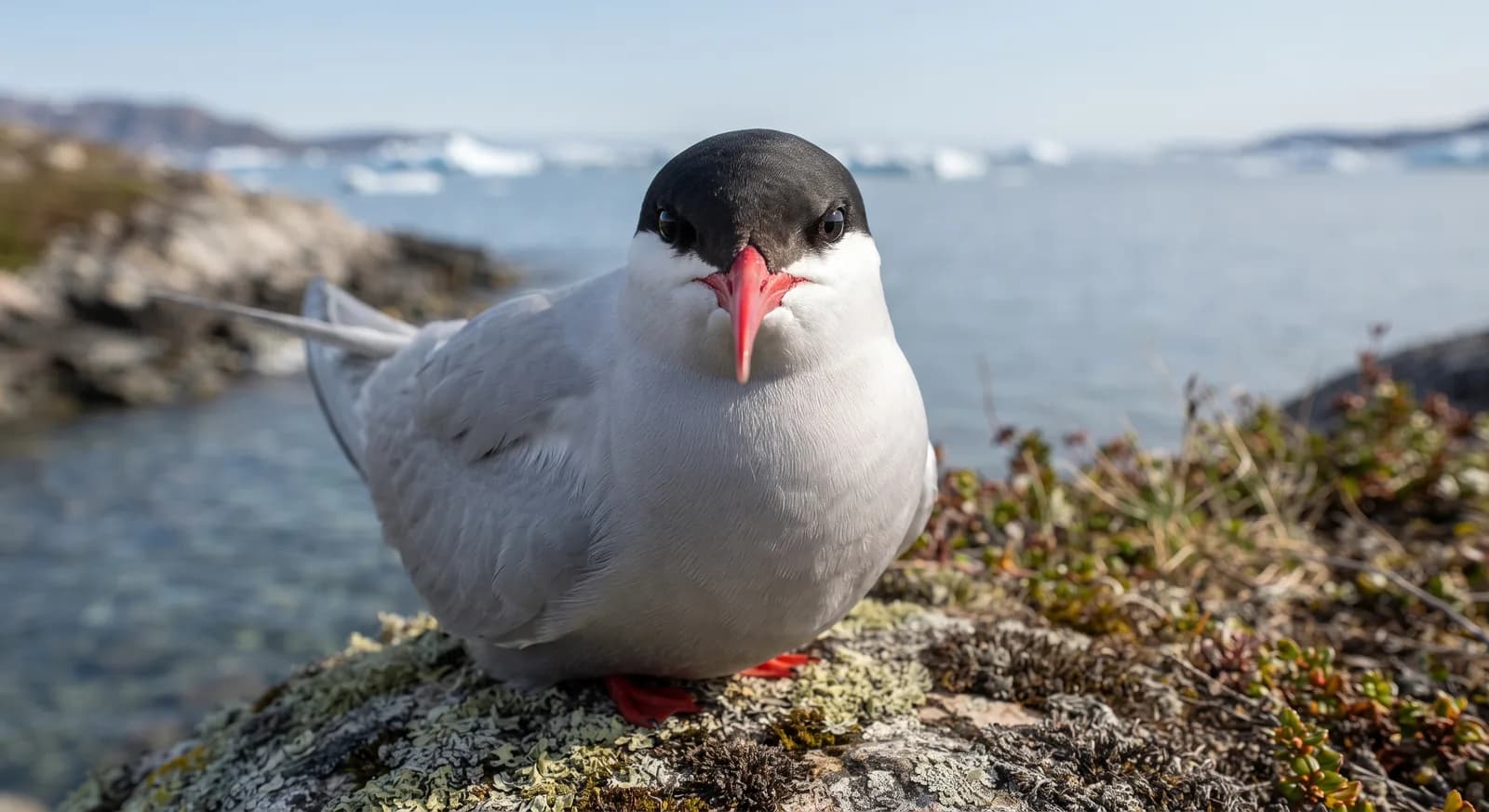
Arctic TernLeast Concern

Arctic Tern

Sterna paradisaea

49 countries4 parks
Royal TernLeast Concern

Royal Tern

Thalasseus maximus

13 countries17 parks
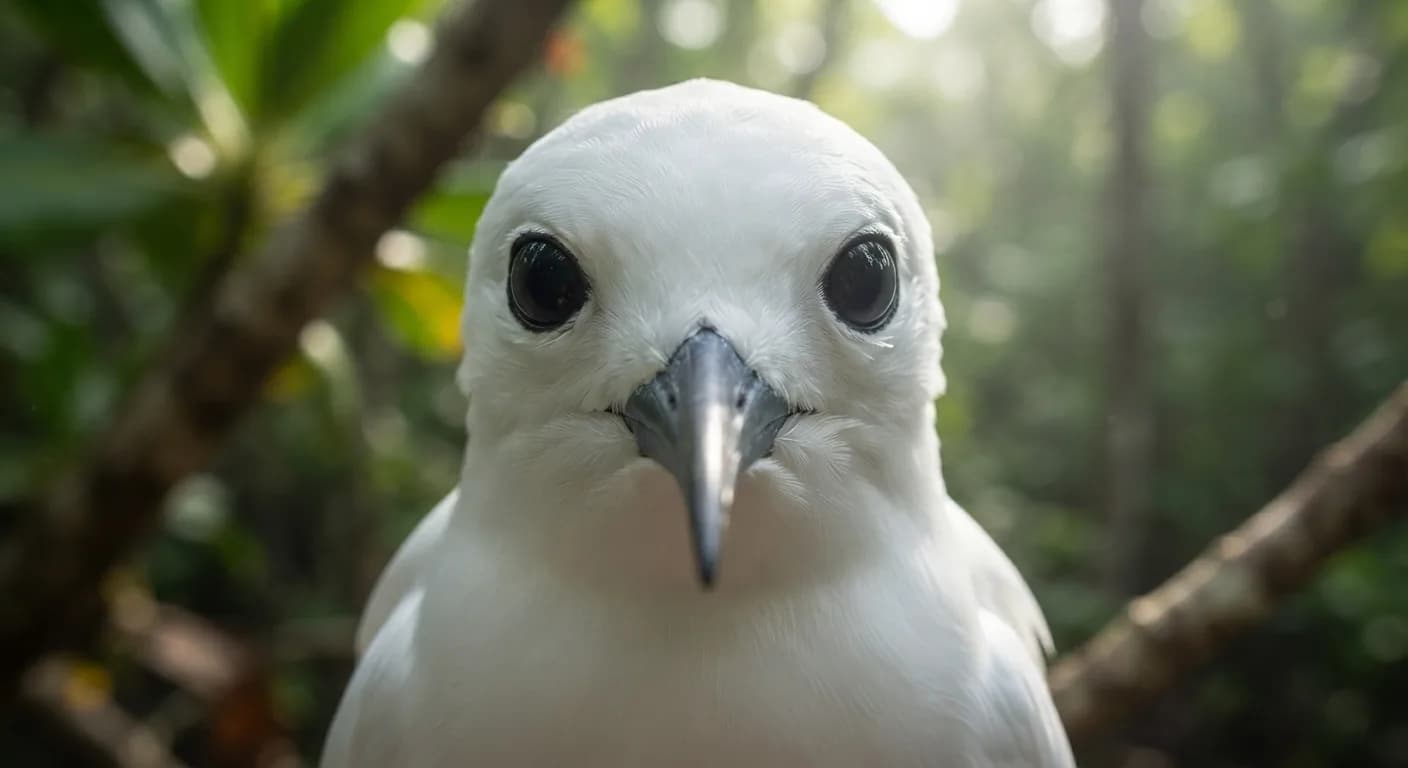
Atlantic White TernLeast Concern

Atlantic White Tern

Gygis alba

57 countries4 parks
Common TernLeast Concern

Common Tern

Sterna hirundo

63 countries4 parks
Least Concern

Sandwich Tern

Thalasseus sandvicensis

56 countries30 parks
Colombia4
Mauritania4
Senegal4
United States4
Venezuela4
Australia3
Belgium3
Brazil3
Cabo Verde3
Cuba3
Denmark3
Estonia3
France3
Germany3
Ireland3
Latvia3
Lithuania3
Mexico3
Morocco3
Netherlands3
Norway3
Poland3
Portugal3
Russia3
Banc d'Arguin2 species
Biscayne2 species
Cape Cod2 species
Diawling2 species
Djoudj Bird Sanctuary2 species
Dry Tortugas2 species
Ebro Delta2 species
Fakarava2 species
Los Roques2 species
Northumberland2 species
Wadden Sea2 species
Wadden Sea National Park2 species
Ascension Islanddiving
Tubbataha Reefs Natural Parkdiving
Sooty Tern
Sooty Tern
Arctic Tern
Arctic Tern
Arctic Tern
Royal Tern
Royal Tern
Ocean5
Islands4
Freshwater1
Polar1
Tundra1
See every species group
Explore the species one by one
This page in other languages: Español · Deutsch · Français · Português · Italiano
Royal Tern