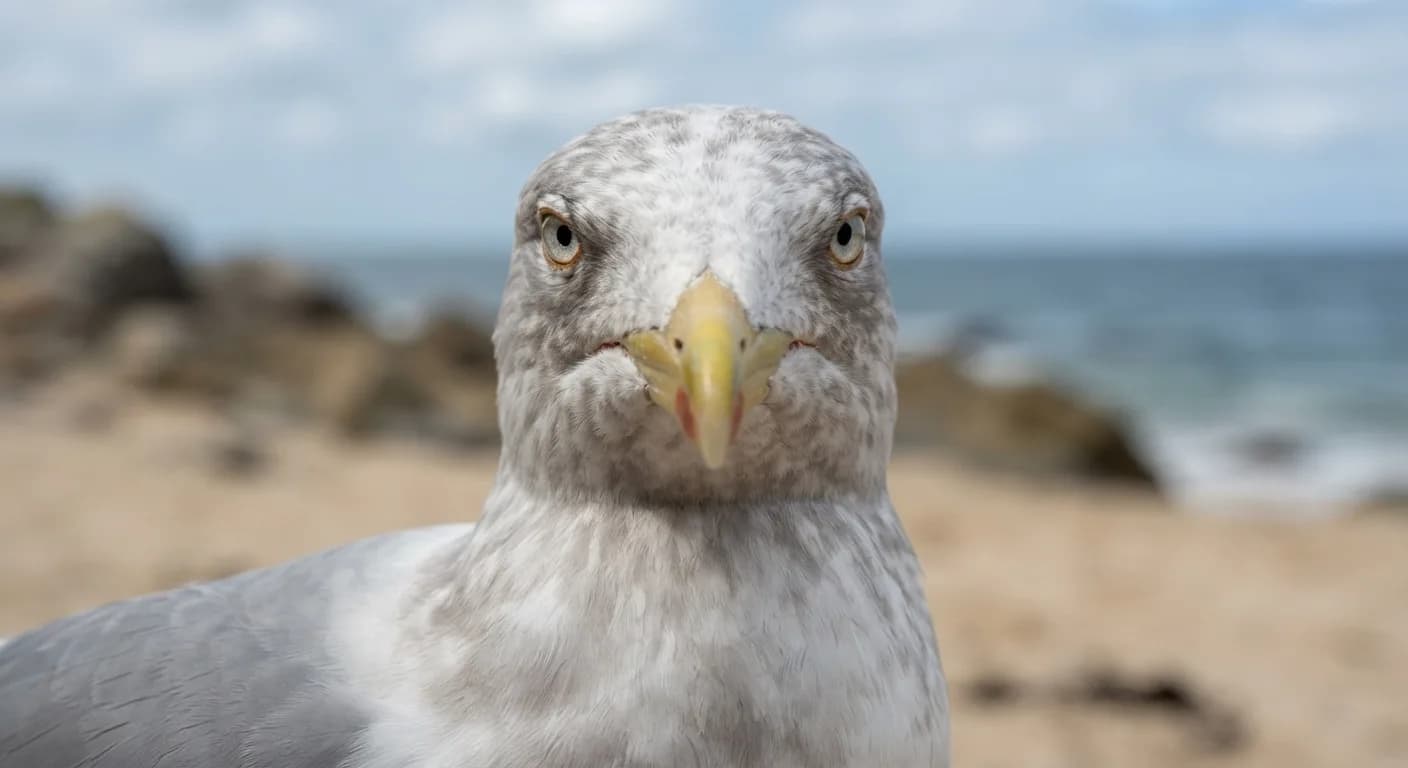
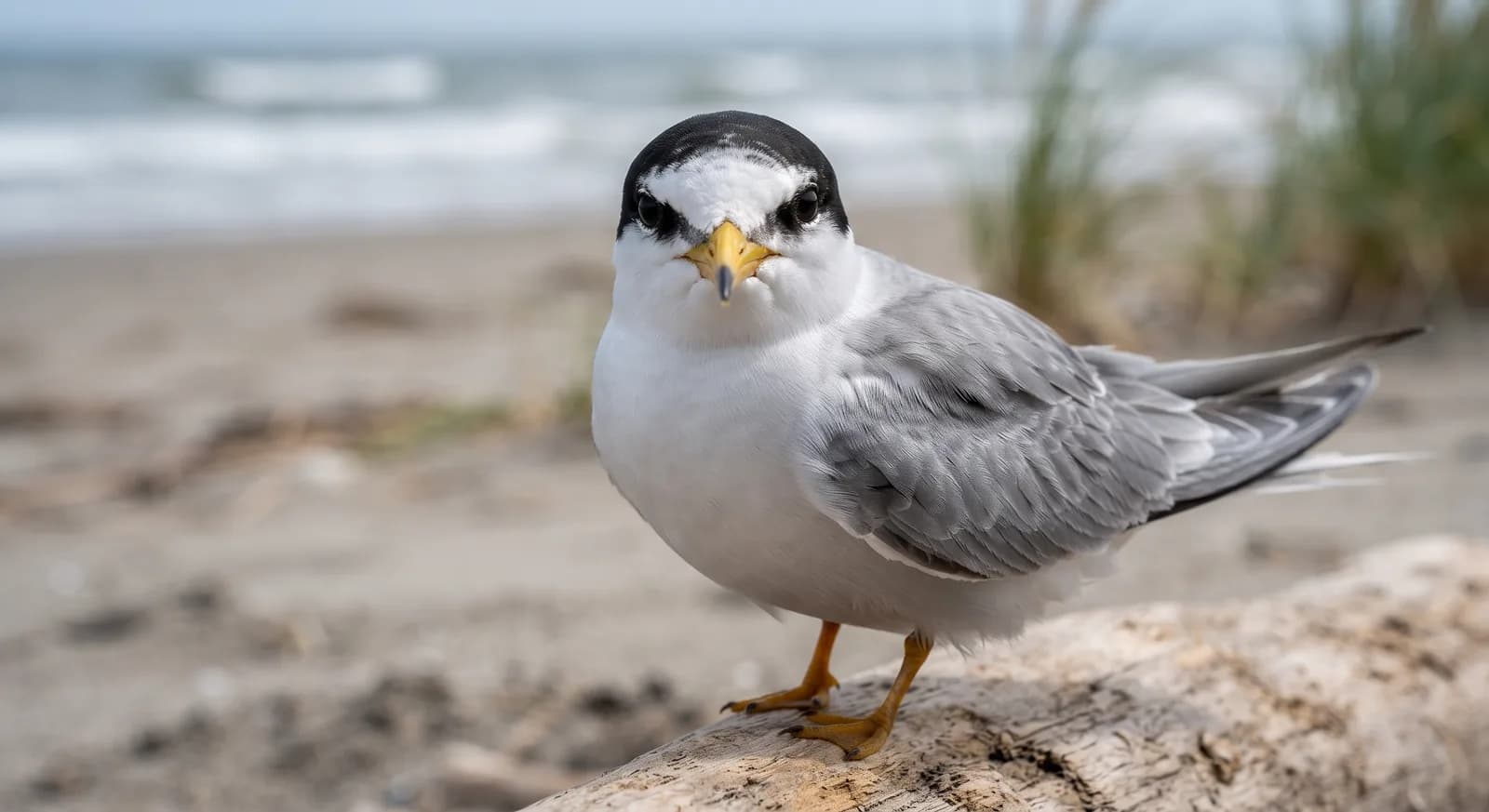
One of the 6 terns on WAnimals
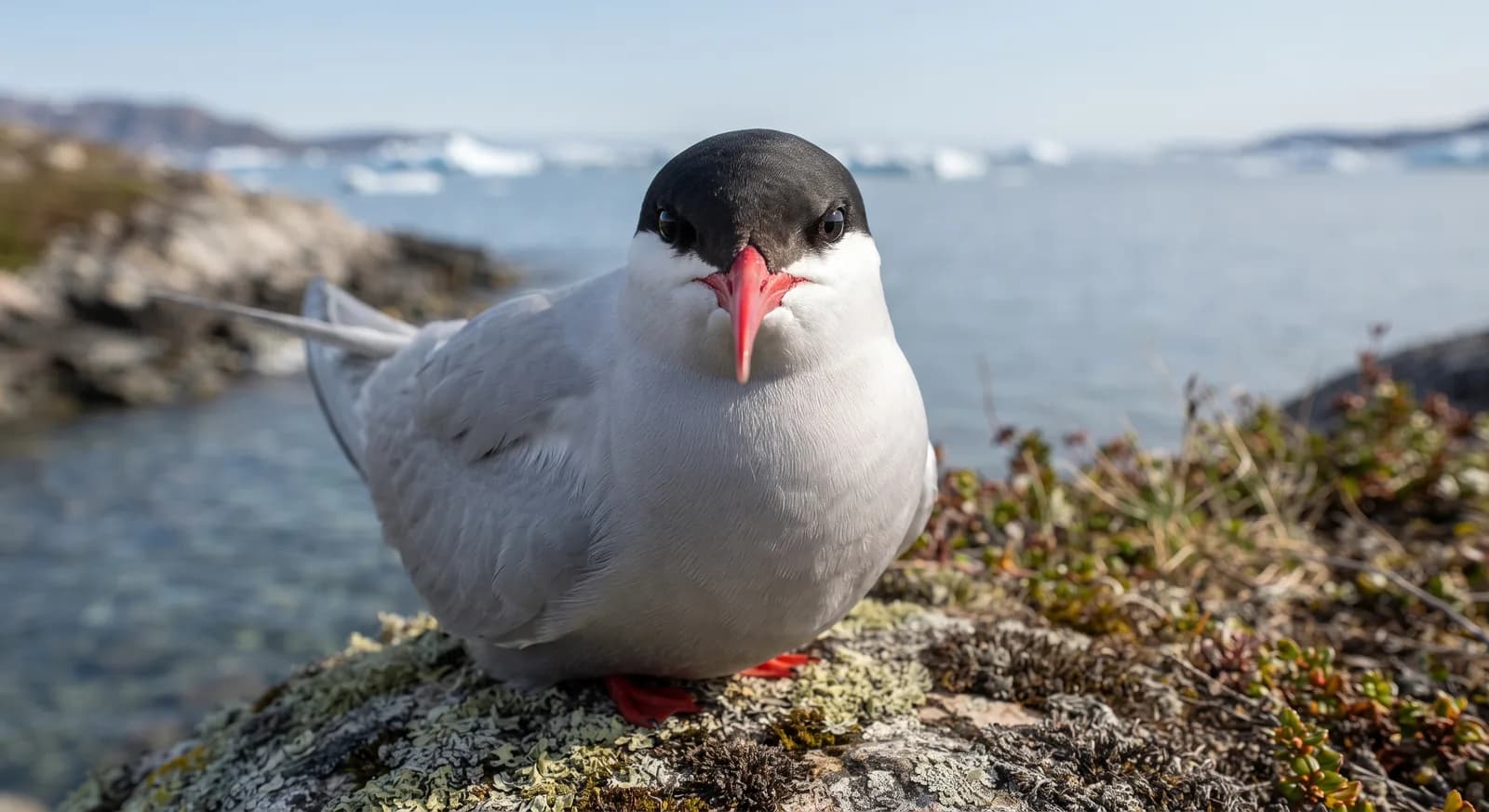
Birds · Charadriiformes · Laridae
Sterna paradisaea
The species is abundant and widely distributed; it faces no significant short-term risk.
It makes the longest annual migration known in any animal, travelling pole to pole and so living through two summers a year.
Weight
95 g – 120 g
Size
33 cm – 43 cm
Life expectancy
15 years
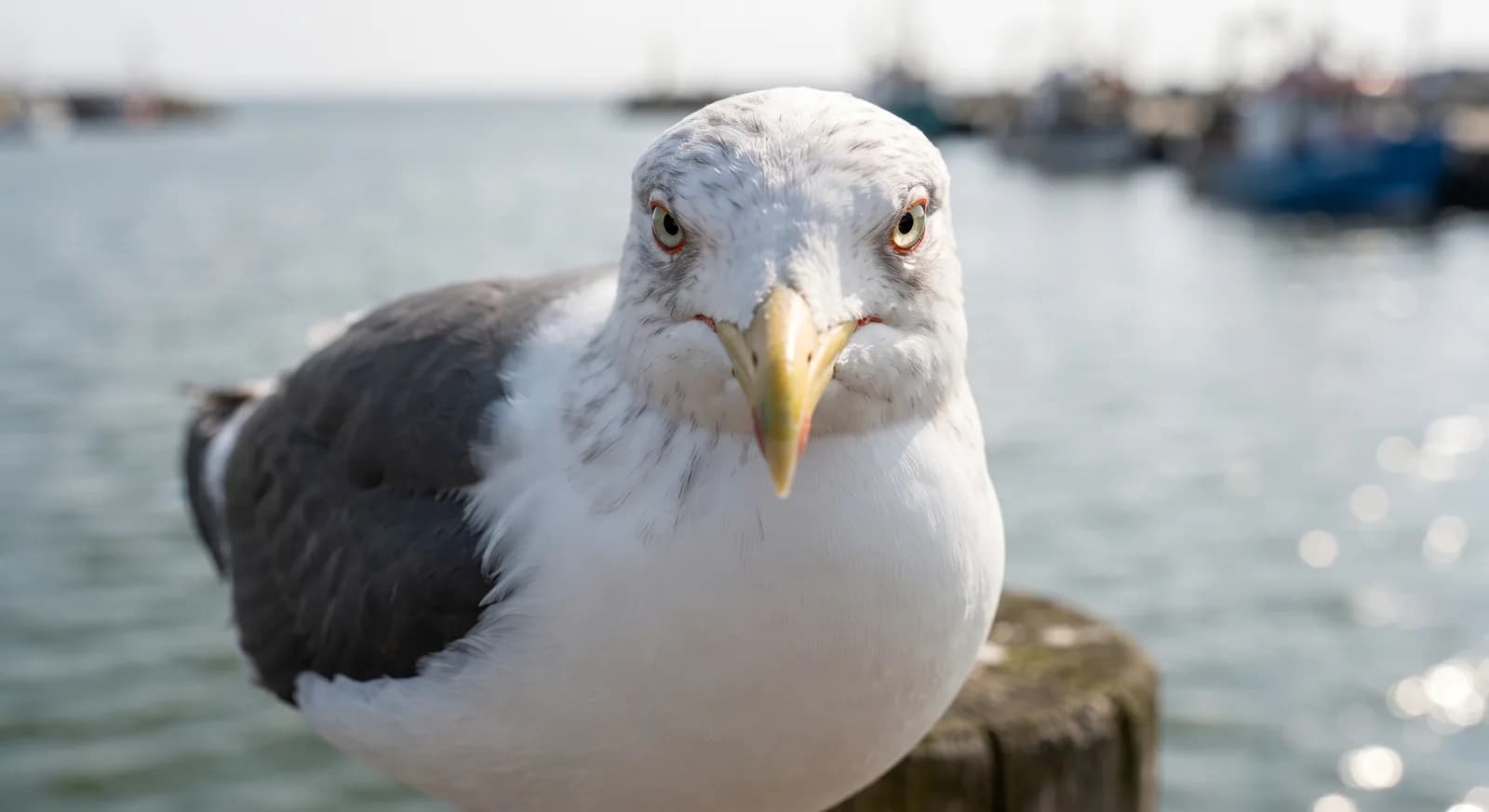
Diet
Piscivore
Feeds mainly on fish.
Activity
Diurnal
Active mainly during the day.
Social structure
Colony
Lives in large concentrations, often for breeding reasons.
AI-generated images: illustrations, not photographs.
Sources consulted: American Oceans · AnAge (genomics.senescence.info) · Arctic Portal · Cool Antarctica · NHPBS NatureWorks · Animalia.bio · Animal Diversity Web · Mass.gov · bioRxiv (natal philopatry study)
Parks and dive sites where this species has been documented.
Other species in the catalogue with the most in common with Arctic Tern — same habitat, park, country, tags or family.
Based on what we already know about arctic tern.
The pins mark the parks where its presence is documented.