Skip to content
WAnimals
  • Map
  • Species
  • Parks
  • Diving
Log inCreate account
WAnimals

The guide for travellers and animal lovers: discover, plan and share your wild adventures around the world.

Discover wildlife

  • Species
  • Ecosystems
  • Glossary
  • Tags

Explore places

  • Map
  • Countries
  • Parks
  • Diving

Plan experiences

  • Guides

Learn

  • Blog

Resources

  • Help centre
  • Contact
  • Install the app

Follow us

Account

  • Log in
  • Create account

© 2026 WAnimals. All rights reserved.

About usHow we build our profilesTerms of servicePrivacyLegal notice
MapSpeciesParksDiving
  1. Home
  2. Species
  3. Lesser Stag Beetle

One of the 2 stag beetles on WAnimals

Insects · Coleoptera · Lucanidae

Lesser Stag Beetle

Dorcus parallelipipedus

Least Concern

The species is abundant and widely distributed; it faces no significant short-term risk.

Spotted something wrong?

Unlike its more famous relative the European stag beetle, adults of this species can live up to two years after emerging from the pupa rather than only a few weeks.

Size

1.8 cm – 3.2 cm

Life expectancy

2 years

Diet

Frugivore

Feeds mainly on fruit.

Activity

Nocturnal

Active mainly at night.

Social structure

Solitary

Lives and hunts alone, joining others only to breed.

Sighting difficulty

Easy

Temperate forest
39countries128parks1same family

Fun facts

  • Adults live up to 2 years after emerging, far longer than the greater stag beetle.
  • One marked beetle was recorded surviving 666 days in the same garden log.
  • Its grub feeds on soft rotting wood for one to two years.
  • It is the stag beetle's small, unassuming relative: it has far more modest jaws and a flattened, matt-black silhouette that lets it go unnoticed.
  • Unlike in the stag beetle, here the female's jaws are almost as large as the male's, so the dimorphism is slight.
  • It is a strict saproxylic species: it depends entirely on decaying dead wood, and its presence signals woodland with enough old timber.
  • It tolerates small-diameter wood and stumps better than other lucanids do, which makes it more common than the stag beetle in managed woodland.
  • The adult barely eats and can live up to two years; all the real feeding happens in the larval stage.
  • Its ecological role is the recycling of dead wood, a service it shares with many of the saproxylic species in this same catalogue.

Life cycle and biology

Skeleton type
Invertebrate - chitin exoskeleton (insect)
Habitat and environment
Woodland, parks and hedgerows with soft rotting timber across much of Europe
Birth weight
Eggs laid singly in small hollows cut into rotting wood
Size at birth
A white C-shaped larva with an orange head, growing gradually over 1-2 years
Sexual maturity
Reached after complete metamorphosis (no fixed age applies)
Gestation / incubation
A larval stage of 1 to 2 years (far shorter than its relative the greater stag beetle, which can take as long as 7)
Litter / clutch size
Eggs laid singly; no precise figure found for the number

Sources consulted: ResearchGate (life cycle length study); PMC (genome sequence study); Cambridgeshire Bees Wasps and Ants blog; Animalia.bio; Maria Fremlin illustrated life cycle; People's Trust for Endangered Species; Wikipedia (Dorcus parallelipipedus); Beetle Identifications

Where to find it

Loading map…

Where to see it

Parks and dive sites where this species has been documented — showing 10 of 128.

Related species

Other species in the catalogue with the most in common with Lesser Stag Beetle — same habitat, park, country, tags or family.

Same taxonomic family
Shares a park
Shares a park
Shares a park
Shares a park
Shares a park

Keep exploring

Based on what we already know about lesser stag beetle.

Comments

Share an experience, a fun fact or a tip for seeing the lesser stag beetle.

Be the first to comment.

See full glossary
This page in other languages: Español · Deutsch · Français · Português · Italiano

The pins mark the parks where its presence is documented.
See its range on the interactive map→
Picos de EuropaSpain
Ordesa y Monte PerdidoSpain
Aiguestortes i Estany de Sant MauriciSpain
Peneda-GeresPortugal
Abruzzo, Lazio and MoliseItaly
Alta MurgiaItaly
Mount OlympusGreece
PlitviceCroatia
DurmitorMontenegro
RetezatRomania
See all 128 parks
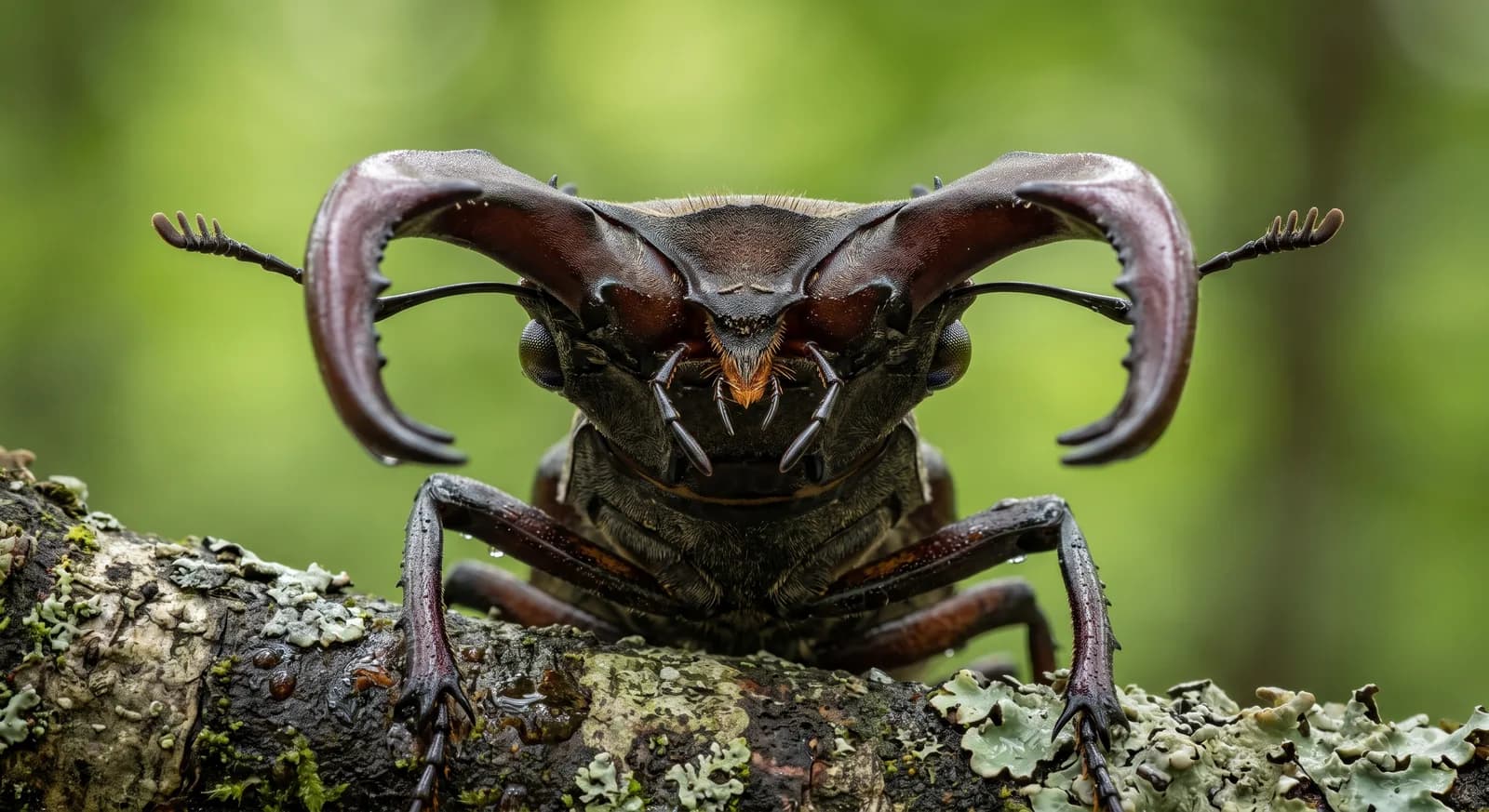
Stag BeetleNear Threatened

Stag Beetle

Lucanus cervus

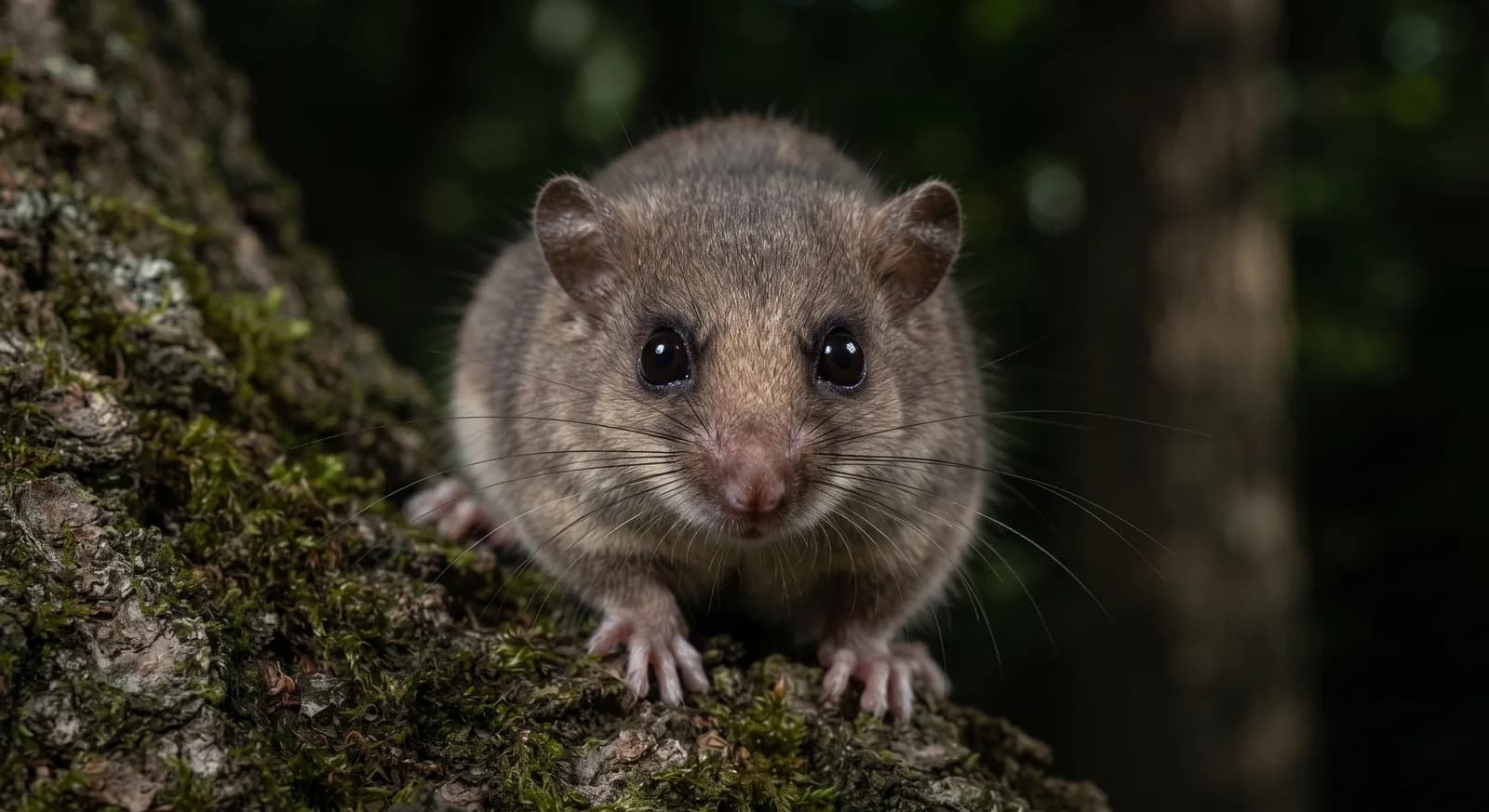
Fat DormouseLeast Concern

Fat Dormouse

Glis glis

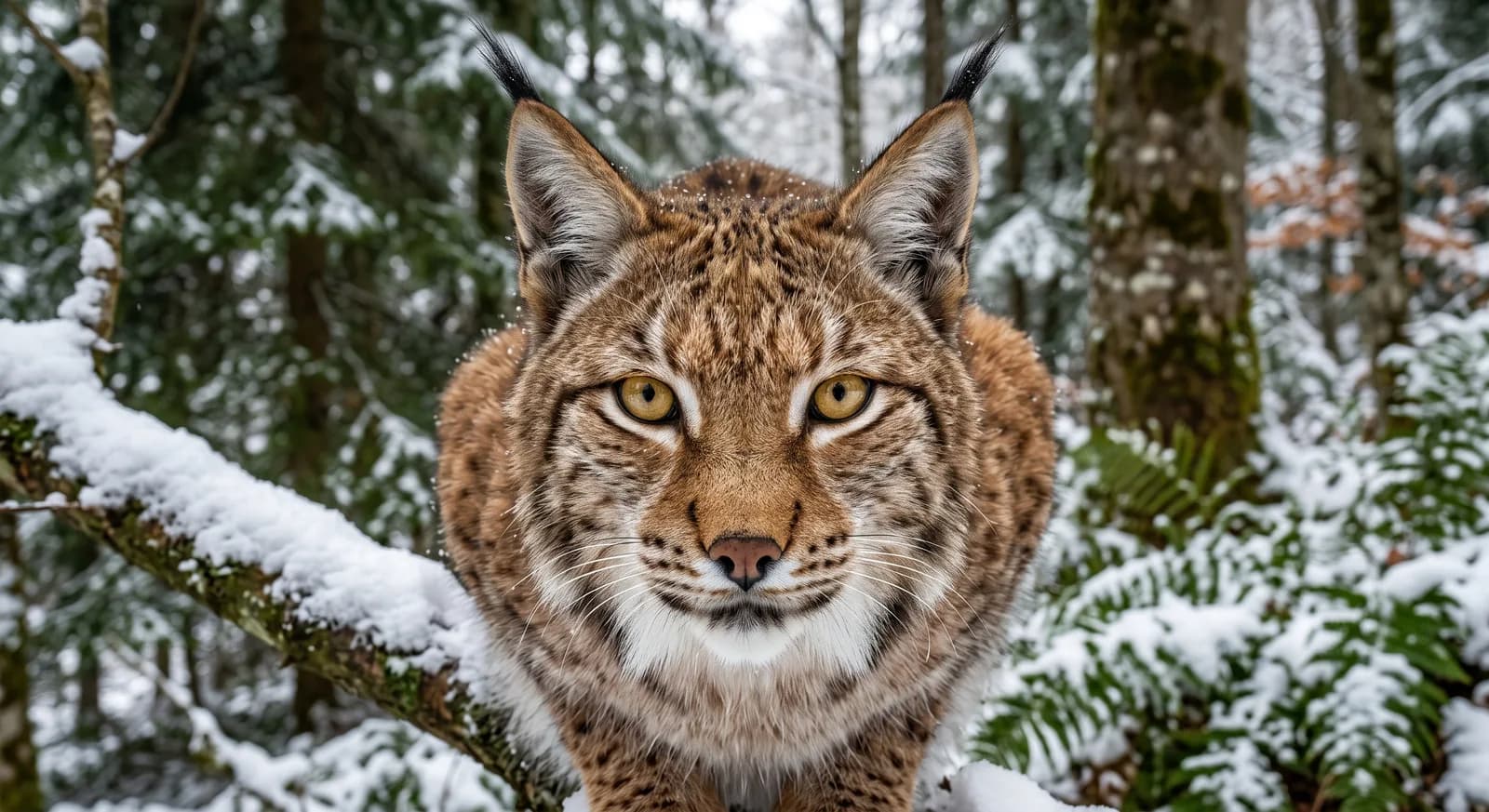
Eurasian LynxLeast Concern

Eurasian Lynx

Lynx lynx

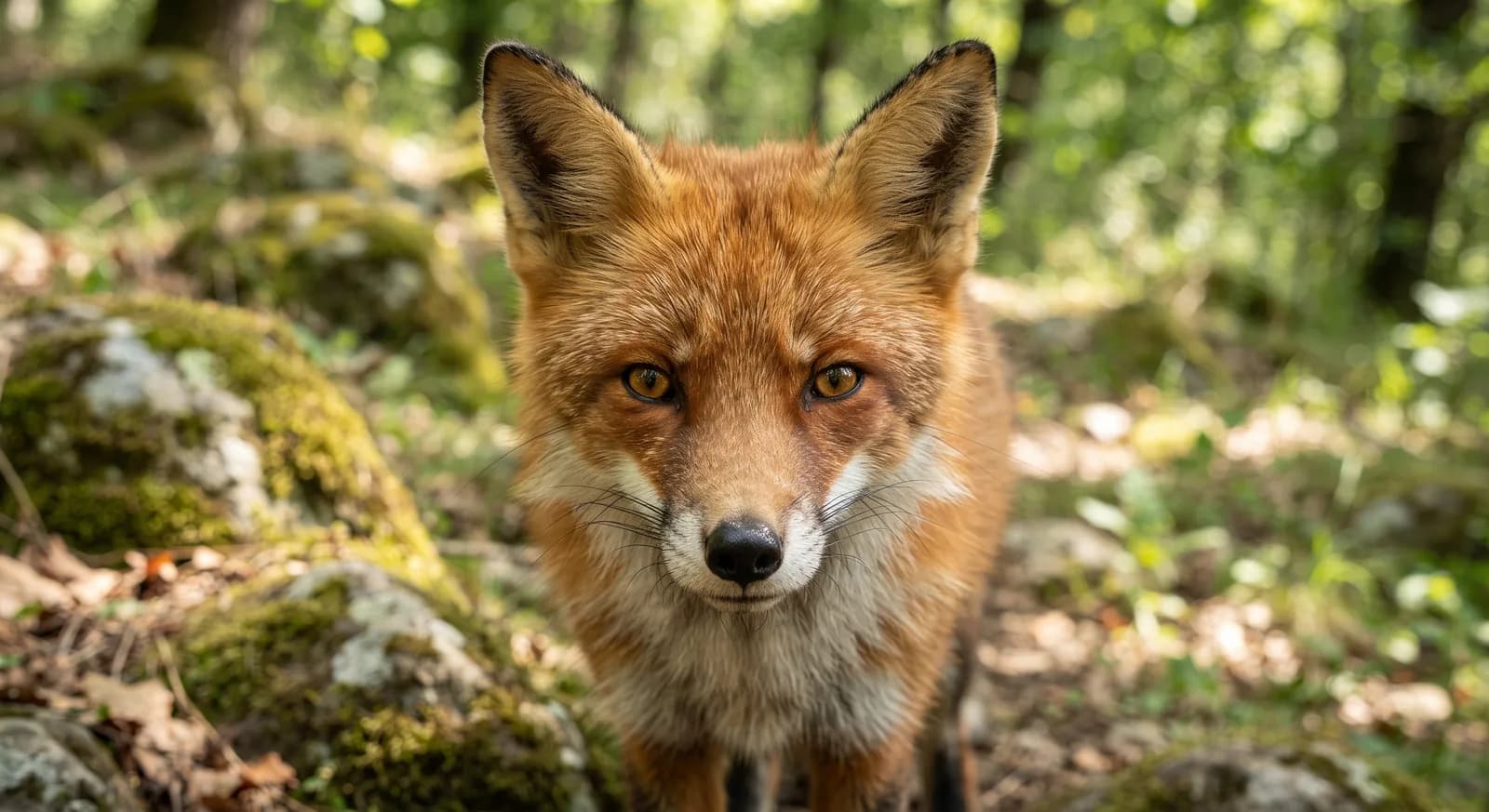
Red FoxLeast Concern

Red Fox

Vulpes vulpes

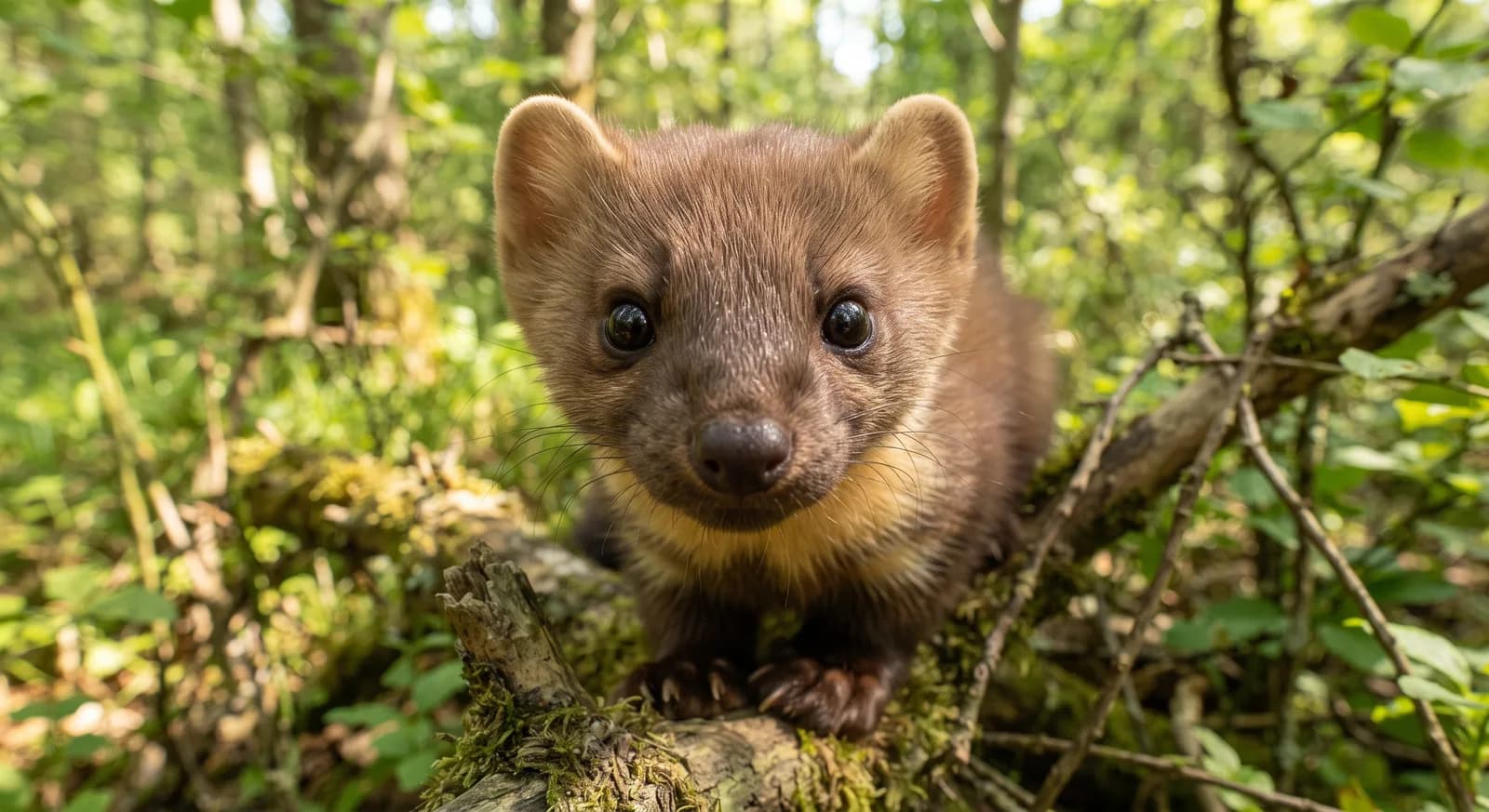
Pine MartenLeast Concern

Pine Marten

Martes martes

Least Concern

Common Genet

Genetta genetta

CountriesPoland
ParksPicos de EuropaSpain
TagsFrugivore
Frugivore
Nocturnal
Solitary
Insect
Temperate forest
PolandSpainItalyRomaniaGermanySlovakia

Europe38

AlbaniaAustriaBelarusBelgiumBosnia and HerzegovinaBulgariaCroatiaCyprusCzechiaDenmarkEstoniaFinlandFranceGermanyGreeceHungaryIrelandItalyLatviaLithuaniaLuxembourgMaltaMoldovaMontenegroNetherlandsNorth MacedoniaNorwayPolandPortugalRomaniaSerbiaSlovakiaSloveniaSpainSwedenSwitzerlandUkraineUnited Kingdom

Asia1

Russia