Skip to content
WAnimals
  • Map
  • Species
  • Parks
  • Diving
Log inCreate account
WAnimals

The guide for travellers and animal lovers: discover, plan and share your wild adventures around the world.

Discover wildlife

  • Species
  • Ecosystems
  • Glossary
  • Tags

Explore places

  • Map
  • Countries
  • Parks
  • Diving

Plan experiences

  • Guides

Learn

  • Blog

Resources

  • Help centre
  • Contact
  • Install the app

Follow us

Account

  • Log in
  • Create account

© 2026 WAnimals. All rights reserved.

About usHow we build our profilesTerms of servicePrivacyLegal notice
MapSpeciesParksDiving
  1. Home
  2. Species
  3. Rugose Squat Lobster
Rugose Squat Lobster (Munida rugosa)

Malacostracans · Decapoda · Galatheidae

Rugose Squat Lobster

Munida rugosa

Not Evaluated

It has not yet been assessed against the IUCN criteria.

Spotted something wrong?

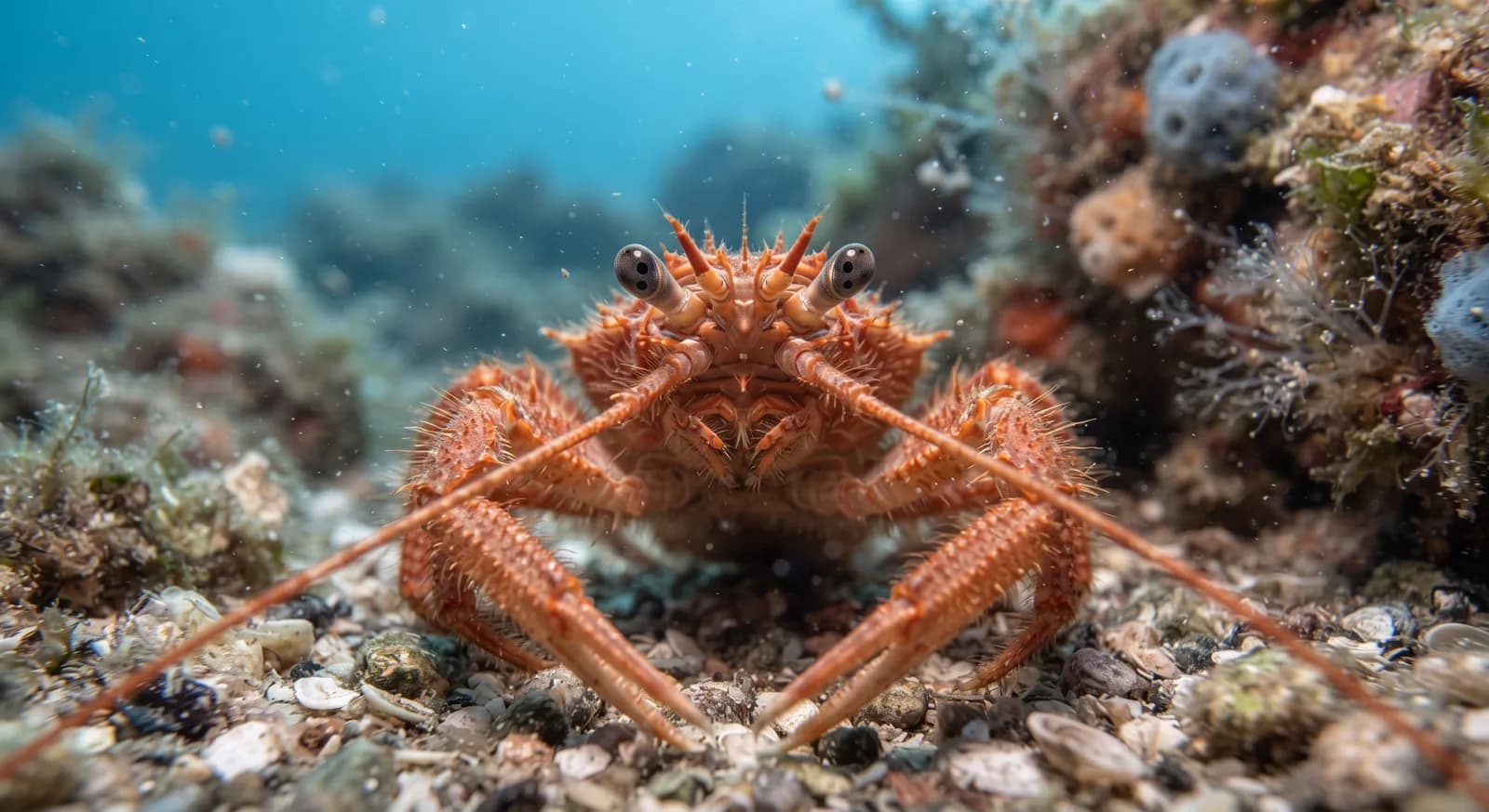
An orange squat lobster with a carapace scored by transverse ridges and long, slender claws. By day it shelters in crevices and under stones with only its claws showing, and at night it comes out in search of scraps and small invertebrates.

Size

3 cm – 6 cm

Diet

Omnivore

Combines animal and plant food depending on availability.

Activity

Nocturnal

Active mainly at night.
Social structure

Solitary

Lives and hunts alone, joining others only to breed.

Sighting difficulty

Unknown

Ocean
31countries46parks79dive sites

AI-generated images: illustrations, not photographs.

Fun facts

  • Despite looking like a miniature lobster, it is more closely related to the hermit crabs than to the true lobsters.
  • It swims backwards at speed by flexing its abdomen sharply when it feels threatened.
  • It is neither a crab nor a lobster: squat lobsters are anomurans, more closely related to hermit crabs, and carry the abdomen folded under the body rather than extended.
  • It has very long claws, far longer than the rest of the body, which it holds out in front of it.
  • It swims backwards with flicks of the abdomen when threatened, as lobsters do.
  • It is an opportunistic scavenger, and turns up often as bycatch in Norway lobster fisheries.

Life cycle and biology

Habitat and environment
Rock, gravel and muddy bottoms with shelter, between 10 and 200 m

Sources consulted: Marine Life Information Network (MarLIN); Ingle, British Crabs; SeaLifeBase

Where to find it

Loading map…

Where to see it

Parks and dive sites where this species has been documented — showing 20 of 125.

Related species

Other species in the catalogue with the most in common with Rugose Squat Lobster — same habitat, park, country, tags or family.

Shares a park
Shares a park
Shares a park
Shares a park
Shares a park
Shares a park

Keep exploring

Based on what we already know about rugose squat lobster.

Comments

Share an experience, a fun fact or a tip for seeing the rugose squat lobster.

Be the first to comment.

See full glossary
This page in other languages: Español · Deutsch · Français · Português · Italiano

The pins mark the parks and dive sites where its presence is documented.

See its range on the interactive map→
Doñana National ParkSpain
CalanquesFrance
Cinque TerreItaly
Alonissos and the Northern SporadesGreece
Wadden Sea National ParkDenmark
Majjistral ParkMalta
Wadden SeaGermany
Port-CrosFrance
Pembrokeshire CoastUnited Kingdom
NorthumberlandUnited Kingdom
Scapa FlowUnited Kingdom
Zenobia WreckCyprus
Medes IslandsSpain
Cap de CreusSpain
Zakynthos (loggerhead turtle)Greece
Kastellorizo (Blue Cave)Greece
Malta (Blue Hole Gozo / Um El Faroud)Malta
Tavolara (Sardinia)Italy
Plemmirio Marine Reserve (Sicily)Italy
Vis Island (wrecks)Croatia
See all 46 parks
See all 79 dive sites
Not Evaluated

Edible Crab

Cancer pagurus

Blue CrabNot Evaluated

Blue Crab

Callinectes sapidus

Common LobsterLeast Concern

Common Lobster

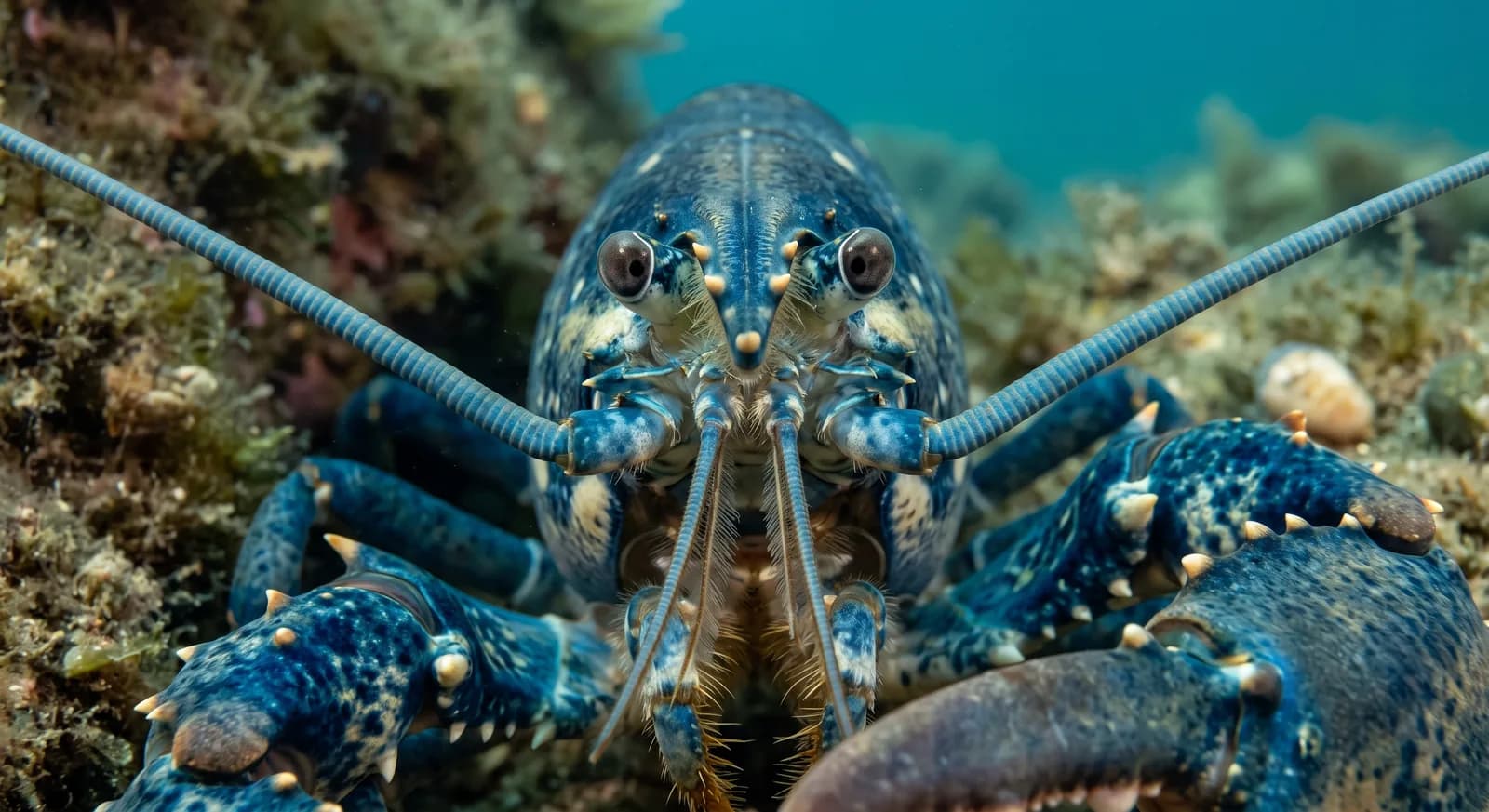
Homarus gammarus

Common Spiny LobsterVulnerable

Common Spiny Lobster

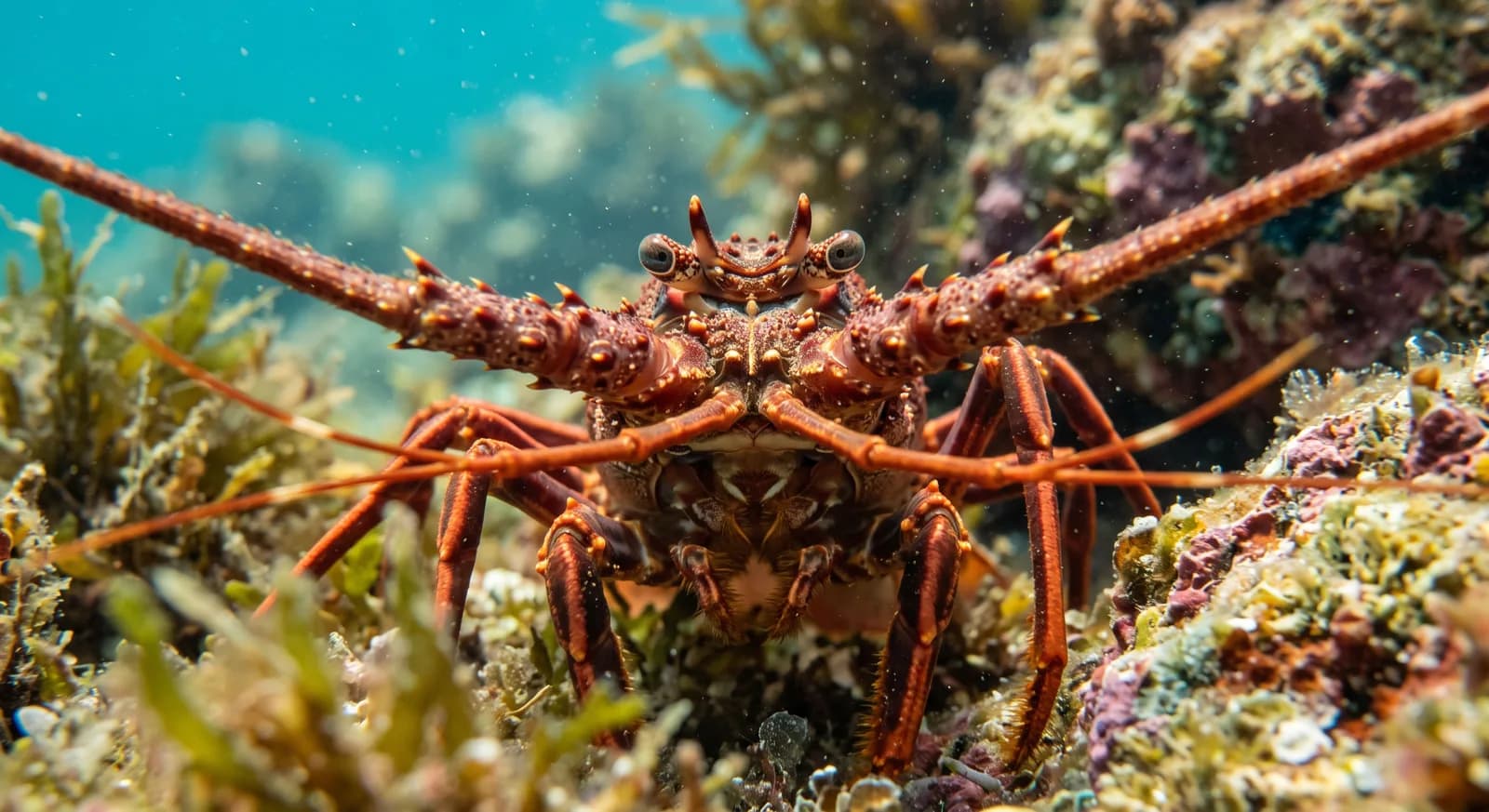
Palinurus elephas

Common Hermit CrabNot Evaluated

Common Hermit Crab

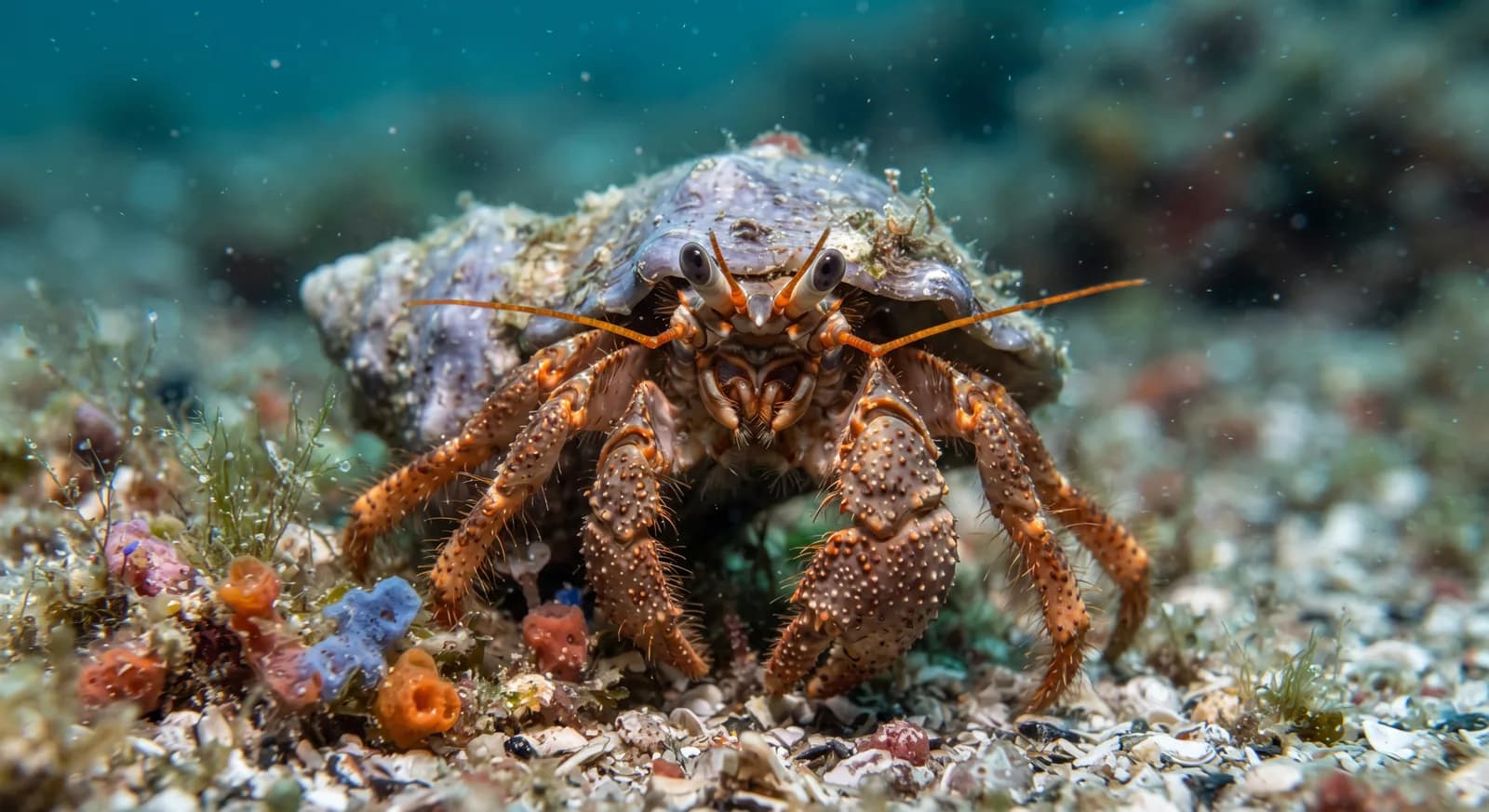
Pagurus bernhardus

Common Spider CrabNot Evaluated

Common Spider Crab

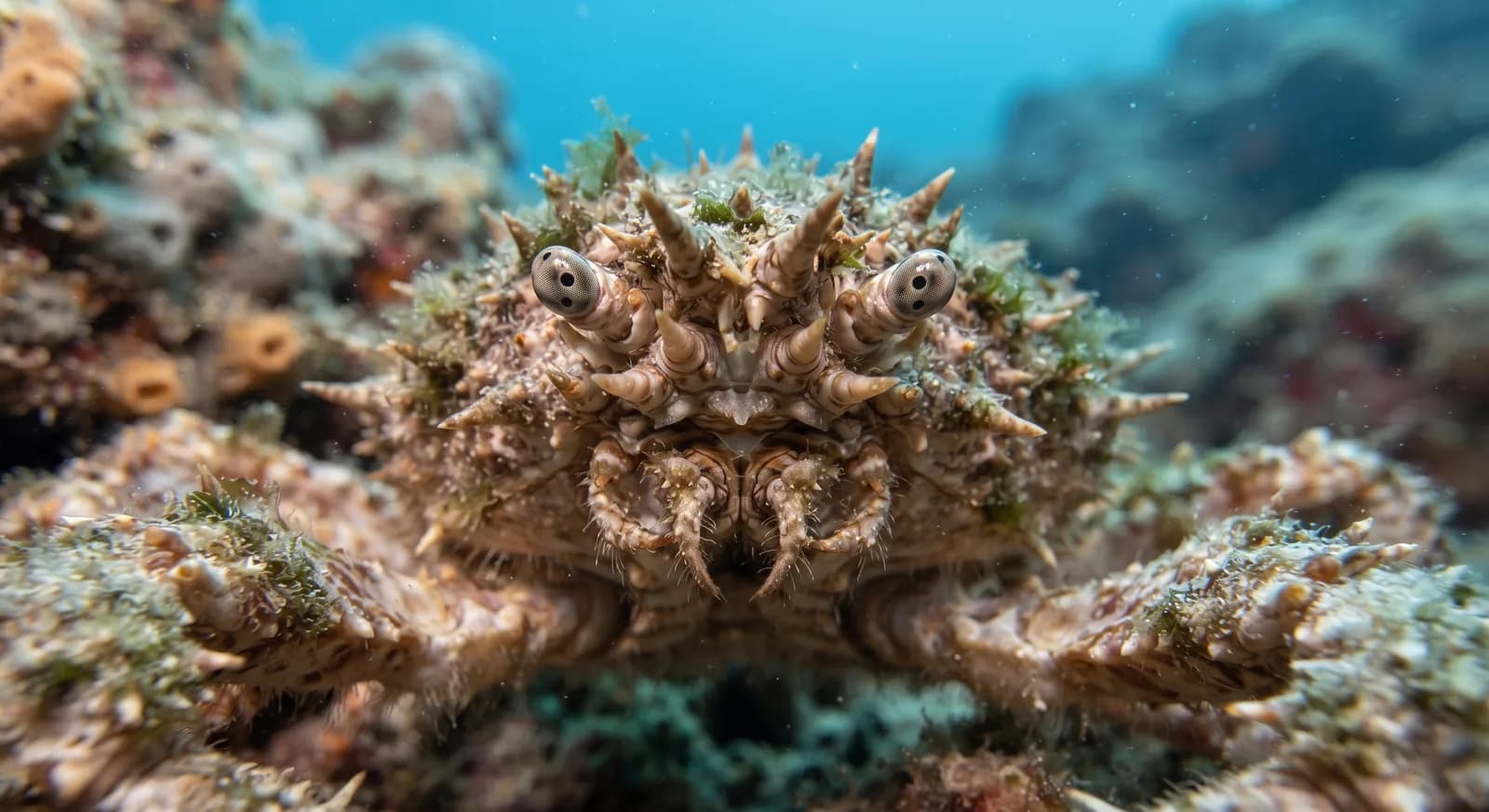
Maja squinado

CountriesItaly
ParksDoñana National ParkSpain
TagsOmnivore
Omnivore
Nocturnal
Solitary
Ocean
Crustacean

Europe22

Africa5

Asia4

Italy
Spain
Greece
United Kingdom
Croatia
France
Albania
Belgium
Bosnia and Herzegovina
Croatia
Cyprus
Denmark
France
Germany
Greece
Iceland
Ireland
Italy
Malta
Monaco
Montenegro
Netherlands
Norway
Portugal
Slovenia
Spain
Sweden
United Kingdom
Algeria
Egypt
Libya
Morocco
Tunisia
Israel
Lebanon
Syria
Türkiye