One of the 3 damselflies on WAnimals
Insects · Odonata · Coenagrionidae
Blue-Tailed Damselfly
Ischnura elegans
The species is abundant and widely distributed; it faces no significant short-term risk. See full glossary
A damselfly with a very slender, fragile abdomen. The mature male is black with sky-blue markings on the head, thorax and base of the abdomen, and has the eighth segment entirely pale blue; immatures are green. Females are polymorphic: when young they may be pinkish, violet, brownish or greenish, and they darken with age.
Size
1.4 cm – 3.5 cm
Diet
Carnivore
Feeds mainly on other animals.
Activity
Diurnal
Active mainly during the day.
Social structure
Solitary
Lives and hunts alone, joining others only to breed.
Sighting difficulty
Easy
Fun facts
- Its one unique diagnostic feature is a strongly marked dorsal projection on the pronotum, visible with a ten-times hand lens.
- It is one of the most widespread and abundant dragonflies and damselflies in Europe, from Ireland and north-western Iberia to Japan.
- The nymphs are carnivorous and breathe through three large external gills at the end of the abdomen.
- It is one of the most abundant and adaptable damselflies in Europe, and it quickly colonises new ponds, gravel pits and irrigation reservoirs.
- Its females come in several very different colour forms, and one of them, the so-called androchrome, mimics the blue of the male. That mimicry helps her avoid sexual harassment: males mistake her for another male and leave her alone.
- It is a textbook case of polymorphism maintained by frequency-dependent selection: when one form becomes common, males learn to recognise it and its advantage disappears, which favours the others.
- It is identified by a bright blue segment near the tip of the abdomen, which stands out against the dark remainder and gives it its English name of blue-tailed.
- Its tolerance of pollution makes it of little use as a bioindicator, unlike the beautiful demoiselle.
Life cycle & biology
- Skeleton type
- Invertebrate - chitin exoskeleton (insect)
- Habitat & environment
- Fringing vegetation around bodies of water, including heavily eutrophic settings such as irrigation ponds and garden pools. The adults do not stray far from the water
- Sexual maturity
- One generation a year in central and northern Europe; in the south larval development is faster and there may be two
- Gestation / incubation
- The eggs take 2 to 4 weeks to hatch
- Litter / clutch size
- The female lays her eggs on floating vegetation after mating
Sources consulted: IUCN Red List; Sánchez-Guillén et al. 2011, BMC Evolutionary Biology 11; Waste Magazine (Guía de odonatos ibéricos); Animalandia (Comunidad de Madrid)
Where to find it
See its range on the interactive mapBest time: From late April to late September in central and northern Europe; in the south it may be on the wing from February to October
Related species
Other species in the catalogue with the most in common with Blue-Tailed Damselfly — same habitat, park, country, tags or family.
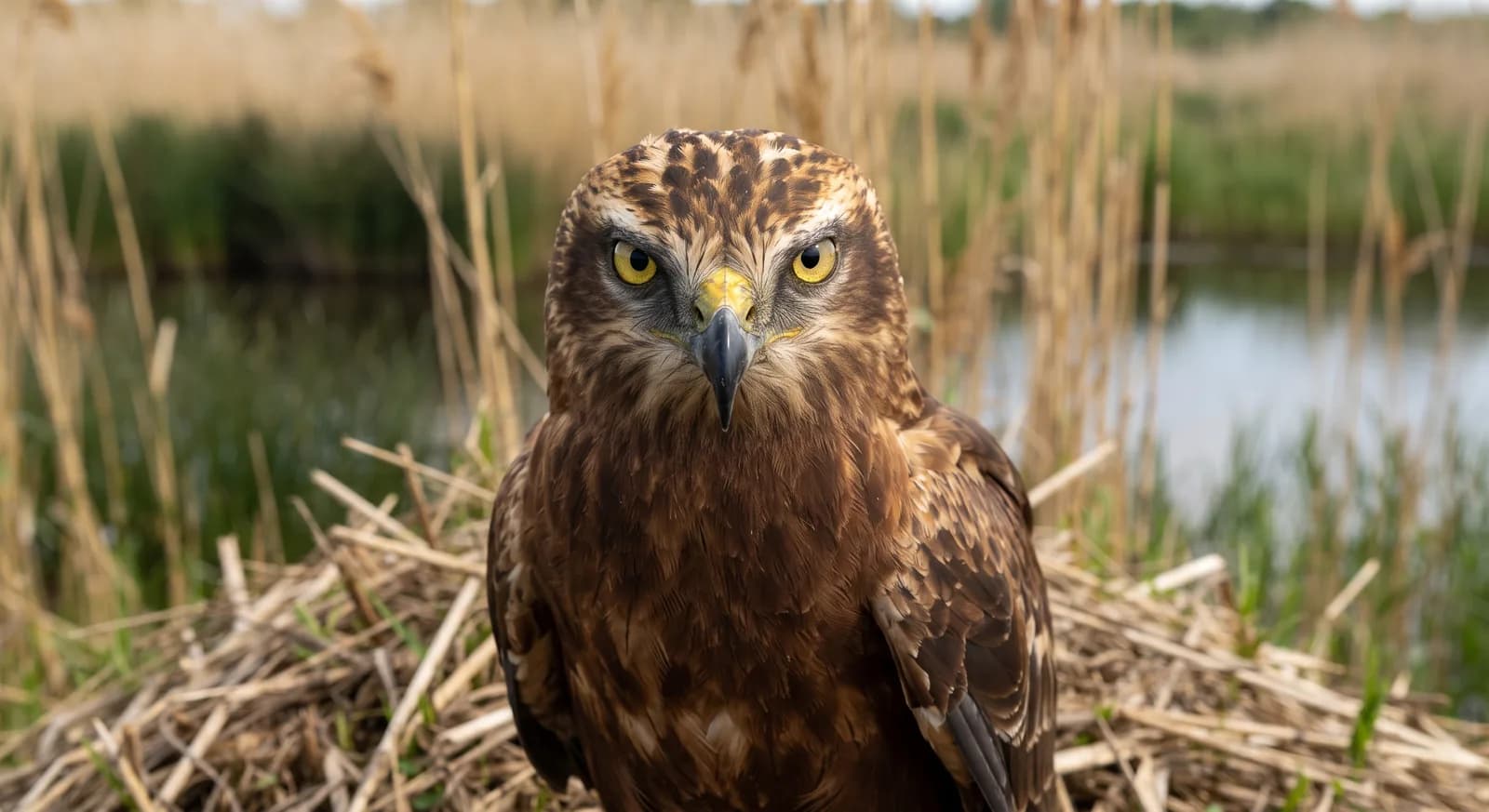 Least Concern
Western Marsh Harrier
Circus aeruginosus
Grass Snake
Natrix natrix
Perez's Frog
Pelophylax perezi
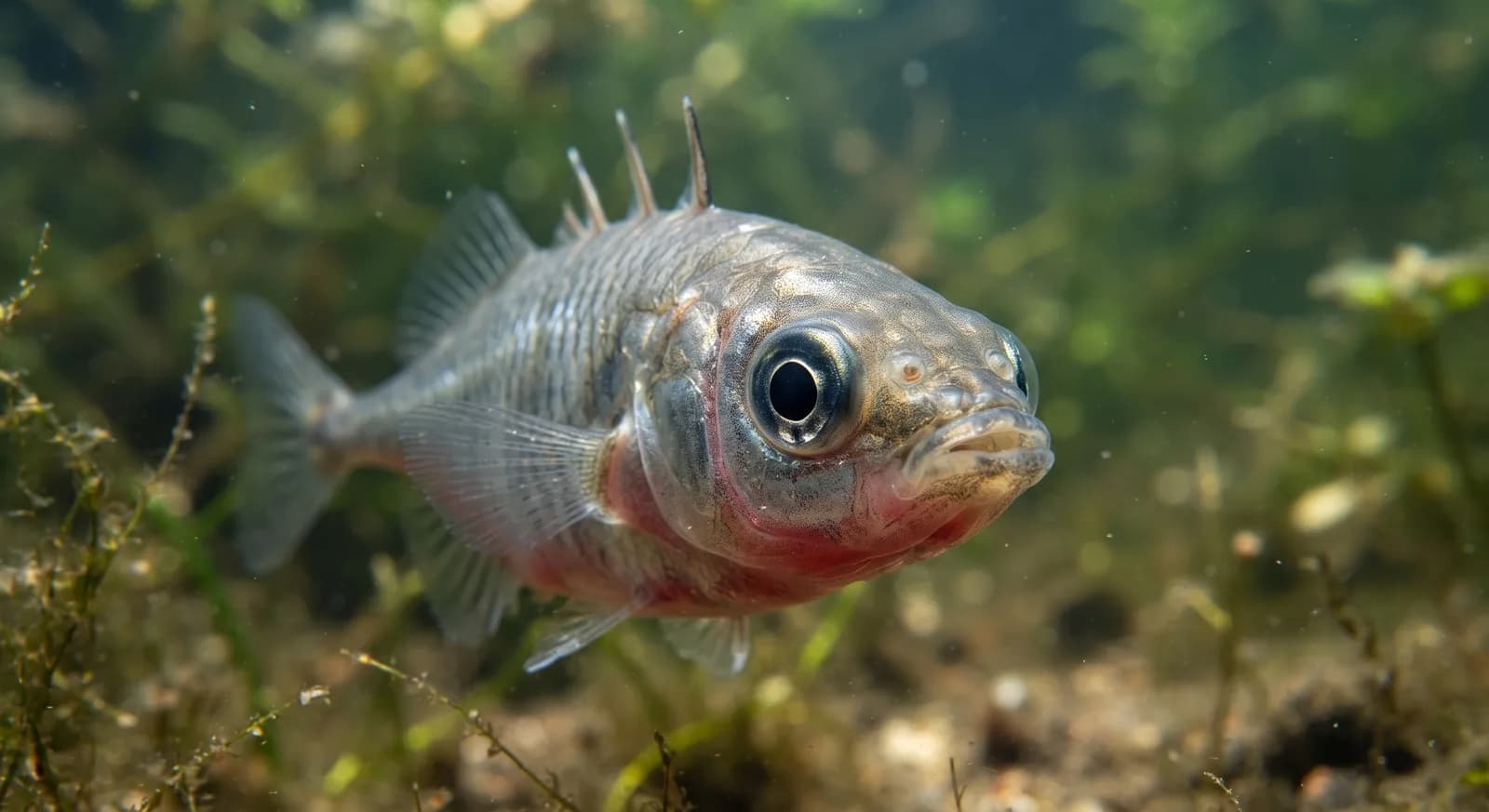 Least Concern
Three-spined Stickleback
Gasterosteus aculeatus
Four-Spotted Chaser
Libellula quadrimaculata
Common Clubtail
Gomphus vulgatissimus
Keep exploring
Based on what we already know about blue-tailed damselfly.
Comments
Share an experience, a fun fact or a tip for seeing the blue-tailed damselfly.
Be the first to comment.