One of the 4 dragonflies on WAnimals
Insects · Odonata · Gomphidae
Common Clubtail
Gomphus vulgatissimus
The species is abundant and widely distributed; it faces no significant short-term risk. See full glossary
A dragonfly with a yellow ground colour, a strongly contrasting black pattern and green eyes that are clearly separated from one another. Unlike other large dragonflies it does not patrol: it perches for long spells on bankside vegetation or on the ground and hunts out from there.
Diet
Carnivore
Feeds mainly on other animals.
Activity
Diurnal
Active mainly during the day.
Social structure
Solitary
Lives and hunts alone, joining others only to breed.
Sighting difficulty
Easy
Fun facts
- The clubtails are the only group of large European dragonflies whose eyes do not meet on top of the head, a feature that identifies them at a glance.
- Its larva lives buried in the sand of the riverbed for three or four years, with only its eyes and antennae clear of the sediment.
- It is sensitive to pollution and to the dredging of channels, and its presence indicates rivers with well-preserved natural beds.
- It belongs to the only family of European dragonflies whose eyes do not meet on top of the head: they are clearly separated, a trait that identifies it at a glance.
- The larva buries itself in the sand or silt of the bottom and lies in ambush, and its antennae and legs are adapted for digging.
- Adults move away from the water after emerging and spend much of their lives in woodland clearings and nearby meadows, which is why they are seldom seen beside the river.
- It is sensitive to pollution and to disturbance of riverbeds, and its presence indicates channels with clean sediment.
- On emerging it leaves the exuvia, the empty larval skin, attached to bankside vegetation; counting exuviae is the standard method for surveying the species without catching adults.
Life cycle & biology
- Skeleton type
- Invertebrate - chitin exoskeleton (insect)
- Habitat & environment
- Slow-flowing rivers and streams with sandy and gravelly beds
Sources consulted: https://es.wikipedia.org/wiki/Gomphus_vulgatissimus
Where to find it
See its range on the interactive mapBest time: May to July, on the banks of sandy-bedded rivers
Where to watch it
Parques y spots de buceo donde se ha documentado esta especie — se muestran 10 de 164 documentados.
Related species
Other species in the catalogue with the most in common with Common Clubtail — same habitat, park, country, tags or family.
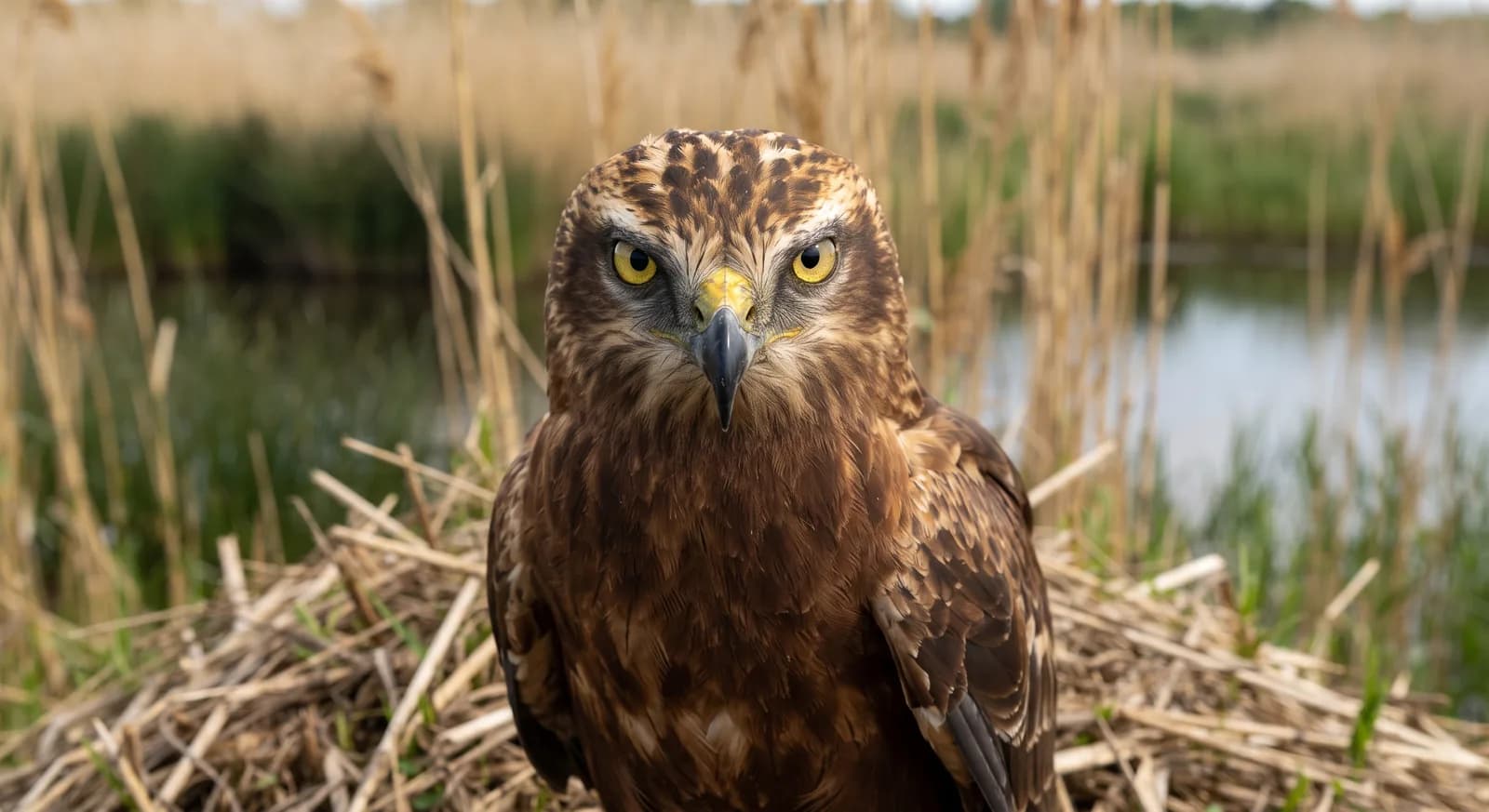 Least Concern
Western Marsh Harrier
Circus aeruginosus
Grass Snake
Natrix natrix
Perez's Frog
Pelophylax perezi
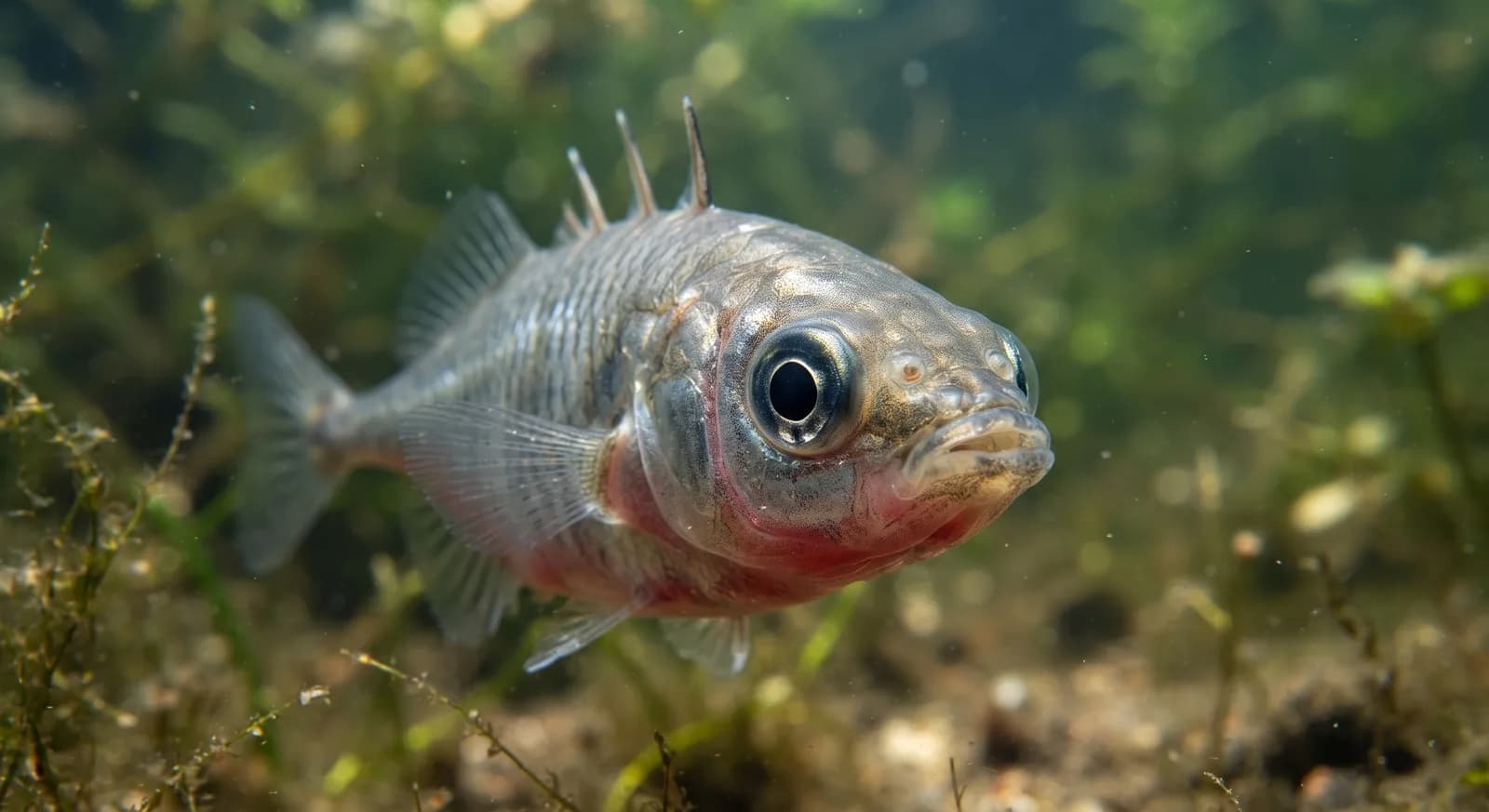 Least Concern
Three-spined Stickleback
Gasterosteus aculeatus
Four-Spotted Chaser
Libellula quadrimaculata
Common Spreadwing
Lestes sponsa
Keep exploring
Based on what we already know about common clubtail.
Comments
Share an experience, a fun fact or a tip for seeing the common clubtail.
Be the first to comment.