One of the 3 damselflies on WAnimals
Insects · Odonata · Lestidae
Common Spreadwing
Lestes sponsa
The species is abundant and widely distributed; it faces no significant short-term risk. See full glossary
A medium-sized damselfly with a robust body of dark green with strong metallic reflections. Mature males develop a blue pruinosity that covers the first two and the last two abdominal segments and turns the sides of the thorax and the eyes sky blue. The pterostigma is more than three times as long as it is wide.
Size
3.8 cm on average
Diet
Carnivore
Feeds mainly on other animals.
Activity
Diurnal
Active mainly during the day.
Social structure
Solitary
Lives and hunts alone, joining others only to breed.
Sighting difficulty
Easy
Fun facts
- Its genus, Lestes, comes from the Greek lestes, thief or pirate.
- Unlike most damselflies, it holds its wings partly open when perched, a characteristic trait of the whole family Lestidae.
- In central and northern Europe it is the commonest lestid, but on the Iberian Peninsula it is scarce.
- It perches with its wings half-open, at an angle, something no other European damselfly does: the rest close them over the back, and the true dragonflies hold them outstretched. Hence the family's name, the spreadwings.
- Its eggs withstand drying out: it lays them inside rush stems above the waterline, and there they spend the winter until the pond fills again.
- That lets it breed in temporary ponds that dry up every summer, a habitat closed to most odonates.
- Its larval development is extremely fast, barely two or three months, so as to finish before the water disappears.
- Its colour is metallic green with bronze glints, and with maturity the males develop bluish pruinescence at the tip of the abdomen.
Life cycle & biology
- Skeleton type
- Invertebrate - chitin exoskeleton (insect)
- Habitat & environment
- Waters with emergent vegetation. On the Iberian Peninsula it is more abundant in the northern third, although it also occurs in the centre of the peninsula
- Gestation / incubation
- The eggs overwinter and the nymphs then develop over 2-3 months
- Litter / clutch size
- The female lays accompanied by the male, placing the eggs on plants that emerge from the water
Sources consulted: IUCN Red List (Kalkman 2014); Naturaleza Para Todos; Animalandia (Comunidad de Madrid); Waste Magazine (Guía de odonatos ibéricos)
Where to find it
See its range on the interactive mapBest time: Warm summer days, flitting near the water
Where to watch it
Parques y spots de buceo donde se ha documentado esta especie — se muestran 10 de 139 documentados.
Related species
Other species in the catalogue with the most in common with Common Spreadwing — same habitat, park, country, tags or family.
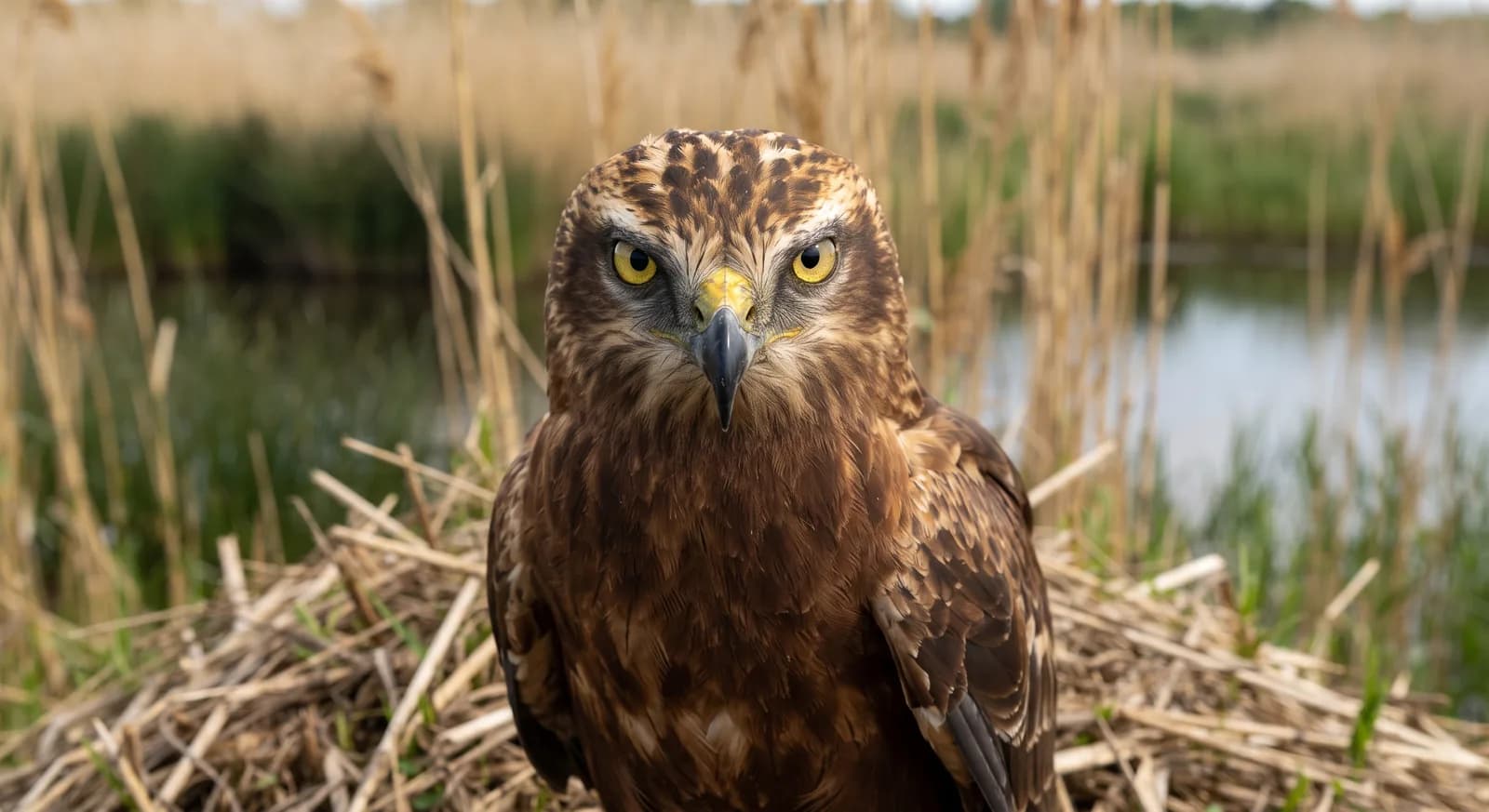 Least Concern
Western Marsh Harrier
Circus aeruginosus
Grass Snake
Natrix natrix
Perez's Frog
Pelophylax perezi
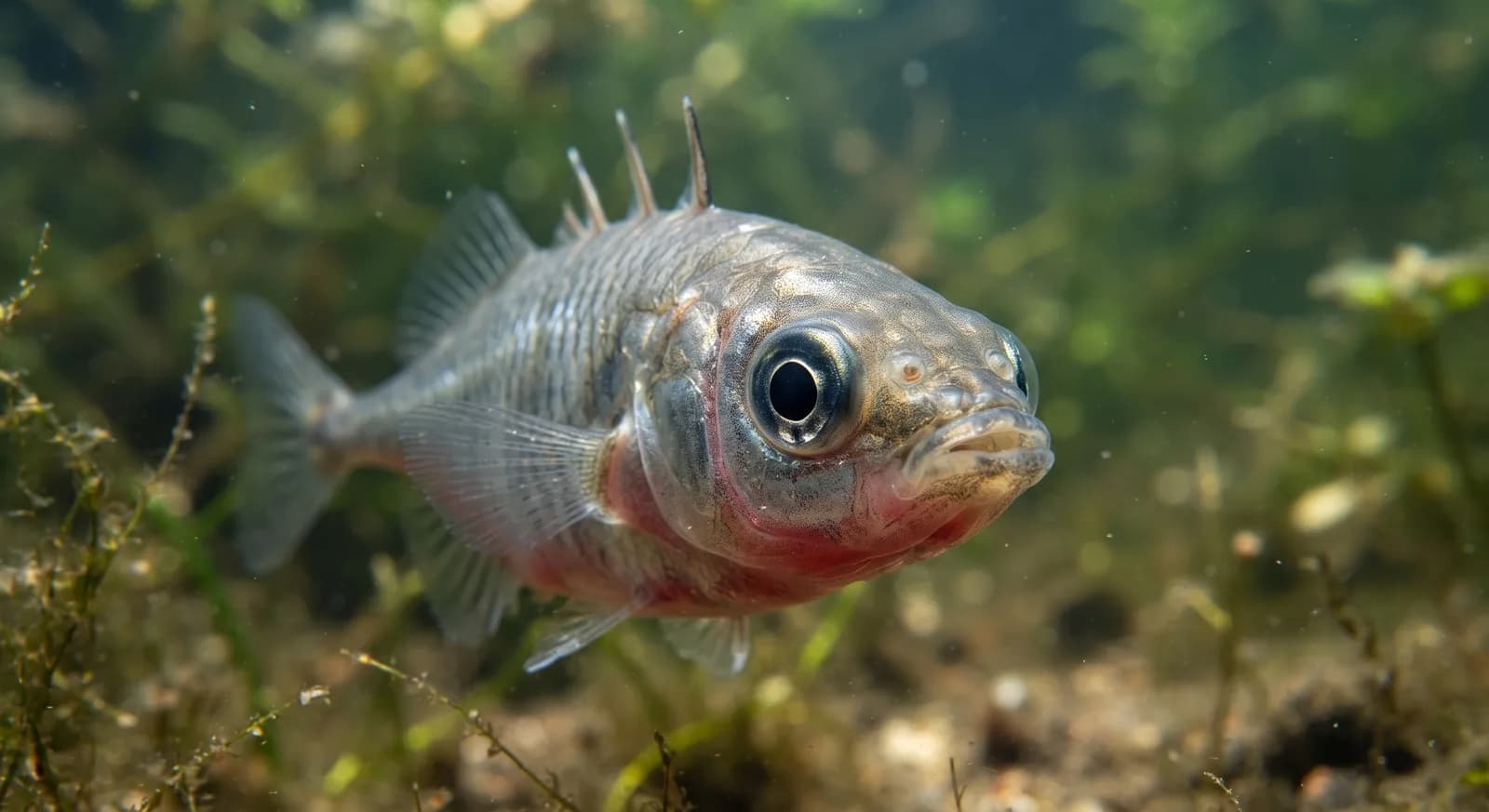 Least Concern
Three-spined Stickleback
Gasterosteus aculeatus
Four-Spotted Chaser
Libellula quadrimaculata
Common Clubtail
Gomphus vulgatissimus
Keep exploring
Based on what we already know about common spreadwing.
Comments
Share an experience, a fun fact or a tip for seeing the common spreadwing.
Be the first to comment.