One of the 22 crabs on WAnimals
Malacostracans · Decapoda · Varunidae
Chinese Mitten Crab
Eriocheir sinensis
It has not yet been assessed against the IUCN criteria. See full glossary
A crab native to East Asia, recognisable by the dense brown fur covering its claws, which gives it its name. It is catadromous: it grows in fresh water and migrates downriver to the sea to breed and die. Introduced into Europe and North America in the early twentieth century with ships' ballast water, it has become one of the most troublesome invasive species.
Size
5 cm – 8 cm
Diet
Omnivore
Combines animal and plant food depending on availability.
Activity
Nocturnal
Active mainly at night.
Sighting difficulty
Unknown
Fun facts
- GeneralIts hairy claws look like mittens; it migrates from the river to the sea to breed.
- It is on the IUCN list of the 100 most damaging invasive alien species in the world.
- Its burrows dug into the banks destabilise slopes, dykes and canals, at repair costs running into the millions.
- It can travel more than a thousand kilometres upriver from the estuary and get around obstacles by walking overland.
- It is catadromous, which is unusual in a crab: it spends almost its whole life in fresh water and returns to the sea only to breed, after which it dies.
- It owes its name to the dense bristles covering its claws, which look like mittens.
- It invaded northern Europe in the early twentieth century and San Francisco Bay much later; the most likely vector is ships' ballast water.
- The economic damage comes mainly from its burrows, which destabilise banks and dykes, and from its mass migration, which interferes with fishing, irrigation and even power stations.
- It can carry the crayfish plague pathogen.
- It is an intermediate host of the fluke Paragonimus: eating it undercooked can infect people.
Life cycle & biology
- Habitat & environment
- Estuaries, rivers and canals
- Sexual maturity
- 1-3 years
Sources consulted: IUCN Global Invasive Species Database; Rudnick et al. (2003); Herborg et al.; US Fish and Wildlife Service
Where to find it
See its range on the interactive mapWhere to watch it
Parks and dive sites where this species has been documented.
Related species
Other species in the catalogue with the most in common with Chinese Mitten Crab — same habitat, park, country, tags or family.
Common Bream
Abramis brama
 Least Concern
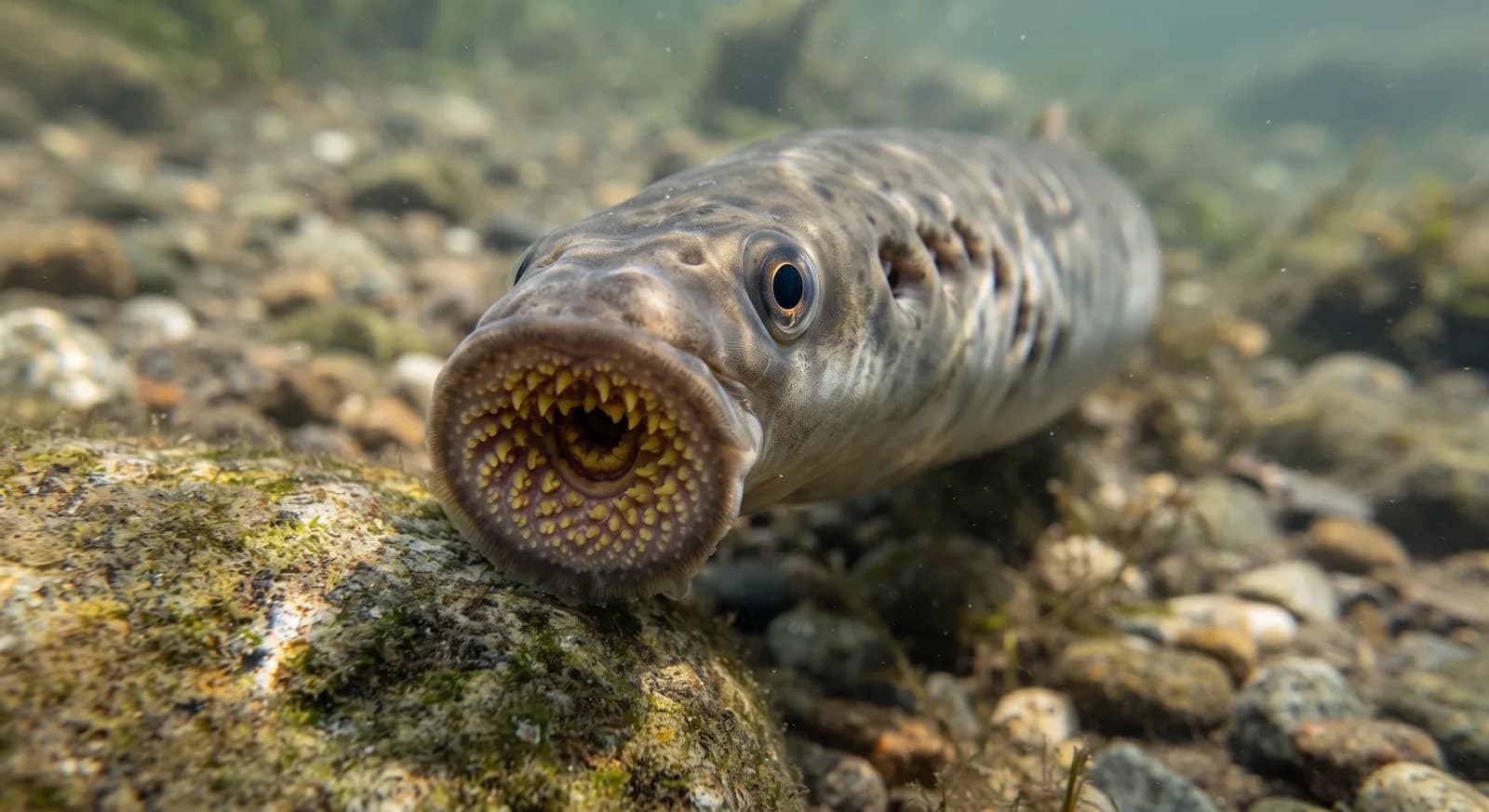
Sea Lamprey
Petromyzon marinus
River Lamprey
Lampetra fluviatilis
 Critically Endangered
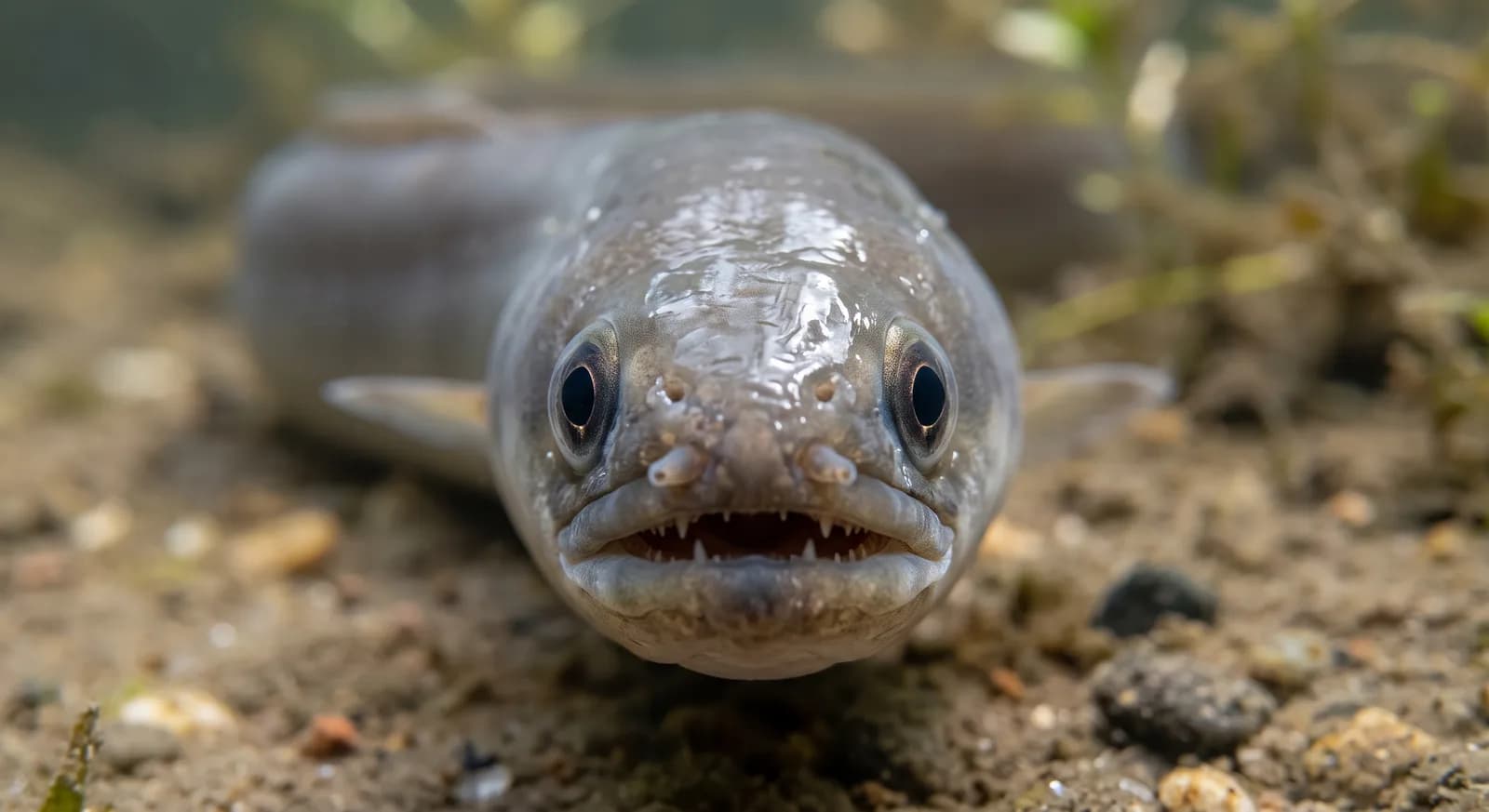
European Eel
Anguilla anguilla
 Least Concern
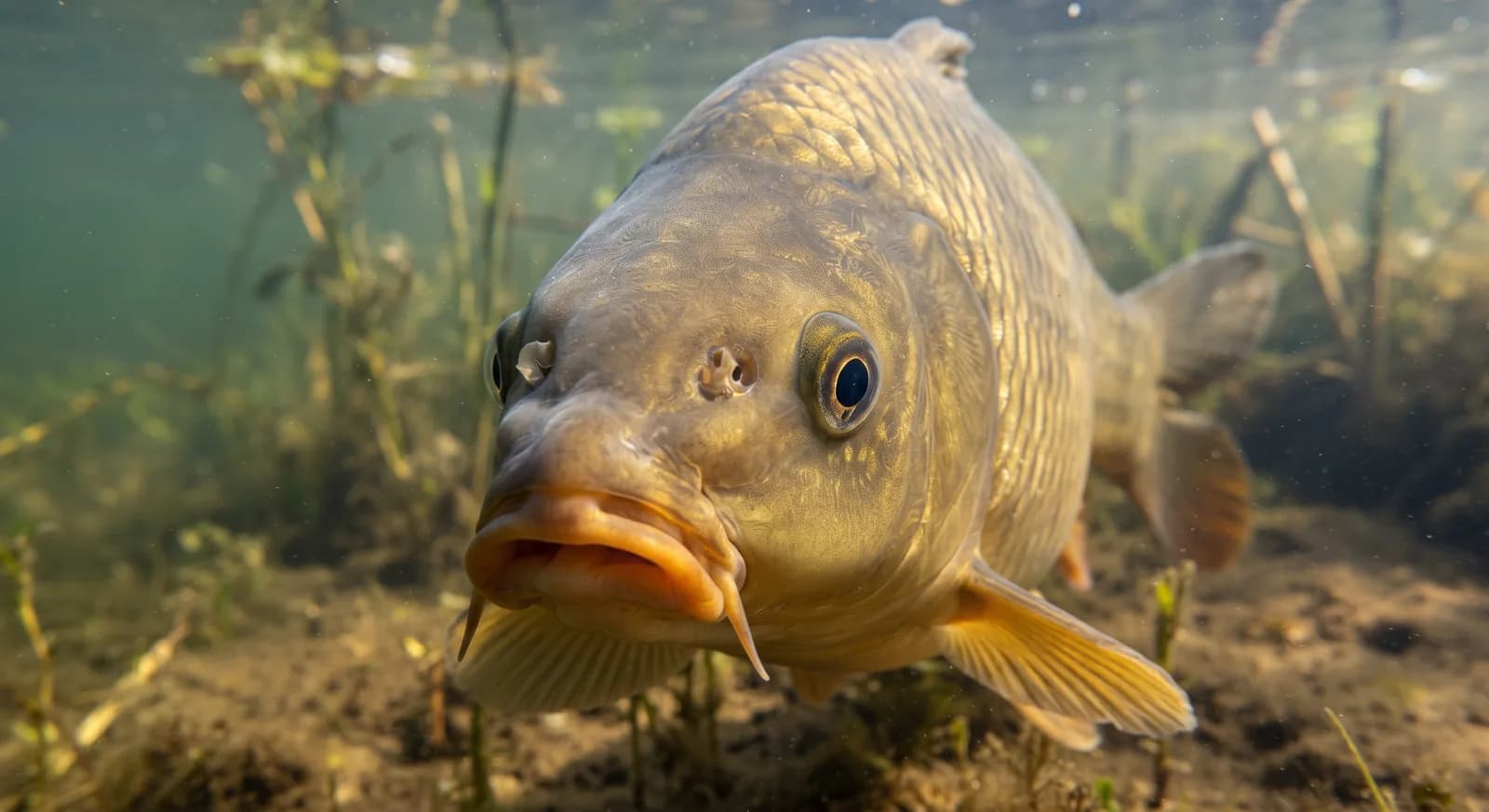
Common Carp
Cyprinus carpio
Zander
Sander lucioperca
Keep exploring
Based on what we already know about chinese mitten crab.
Comments
Share an experience, a fun fact or a tip for seeing the chinese mitten crab.
Be the first to comment.