One of the 2 stag beetles on WAnimals
Insects · Coleoptera · Lucanidae
Lesser Stag Beetle
Dorcus parallelipipedus
The species is abundant and widely distributed; it faces no significant short-term risk. See full glossary
Unlike its more famous relative the European stag beetle, adults of this species can live up to two years after emerging from the pupa rather than only a few weeks.
Size
1.8 cm – 3.2 cm
Lifespan
2 years
Diet
Frugivore
Feeds mainly on fruit.
Activity
Nocturnal
Active mainly at night.
Social structure
Solitary
Lives and hunts alone, joining others only to breed.
Sighting difficulty
Easy
Fun facts
- Adults live up to 2 years after emerging, far longer than the greater stag beetle.
- One marked beetle was recorded surviving 666 days in the same garden log.
- Its grub feeds on soft rotting wood for one to two years.
- It is the stag beetle's small, unassuming relative: it has far more modest jaws and a flattened, matt-black silhouette that lets it go unnoticed.
- Unlike in the stag beetle, here the female's jaws are almost as large as the male's, so the dimorphism is slight.
- It is a strict saproxylic species: it depends entirely on decaying dead wood, and its presence signals woodland with enough old timber.
- It tolerates small-diameter wood and stumps better than other lucanids do, which makes it more common than the stag beetle in managed woodland.
- The adult barely eats and lives a few months; all the real feeding happens in the larval stage.
- Its ecological role is the recycling of dead wood, a service it shares with many of the saproxylic species in this same catalogue.
Life cycle & biology
- Skeleton type
- Invertebrate - chitin exoskeleton (insect)
- Habitat & environment
- Woodland, parks and hedgerows with soft rotting timber across much of Europe
- Birth weight
- Eggs laid singly in small hollows cut into rotting wood
- Size at birth
- A white C-shaped larva with an orange head, growing gradually over 1-2 years
- Sexual maturity
- Reached after complete metamorphosis (no fixed age applies)
- Gestation / incubation
- A larval stage of 1 to 2 years (far shorter than its relative the greater stag beetle, which can take as long as 7)
- Litter / clutch size
- Eggs laid singly; no precise figure found for the number
Sources consulted: ResearchGate (life cycle length study); PMC (genome sequence study); Cambridgeshire Bees Wasps and Ants blog; Animalia.bio; Maria Fremlin illustrated life cycle; People's Trust for Endangered Species; Wikipedia (Dorcus parallelipipedus); Beetle Identifications
Where to find it
See its range on the interactive mapWhere to watch it
Parques y spots de buceo donde se ha documentado esta especie — se muestran 10 de 128 documentados.
Related species
Other species in the catalogue with the most in common with Lesser Stag Beetle — same habitat, park, country, tags or family.
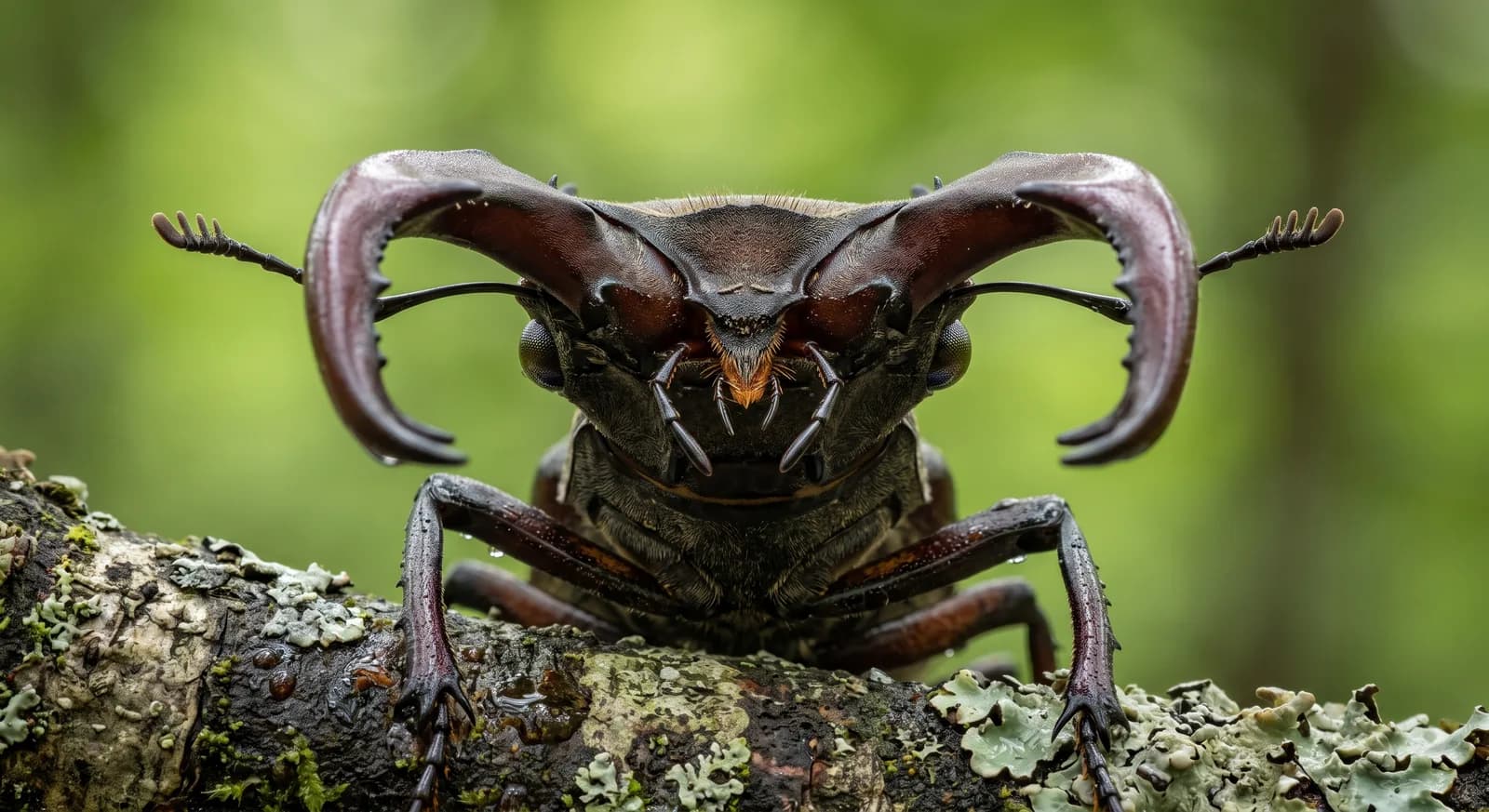 Near Threatened
Stag Beetle
Lucanus cervus
Fat Dormouse
Glis glis
 Least Concern
Eurasian Lynx
Lynx lynx
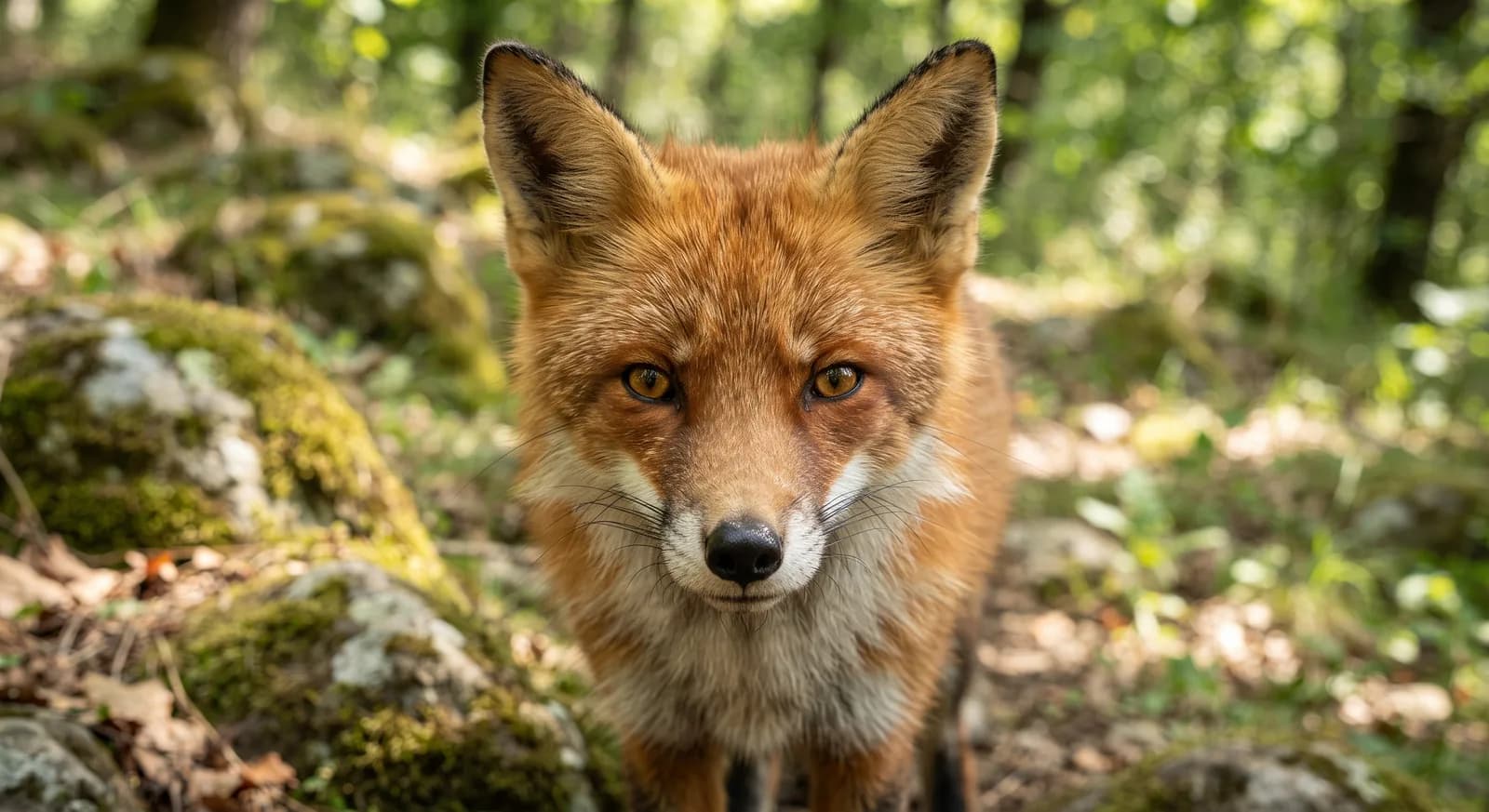 Least Concern
Red Fox
Vulpes vulpes
Pine Marten
Martes martes
Common Genet
Genetta genetta
Keep exploring
Based on what we already know about lesser stag beetle.
Comments
Share an experience, a fun fact or a tip for seeing the lesser stag beetle.
Be the first to comment.