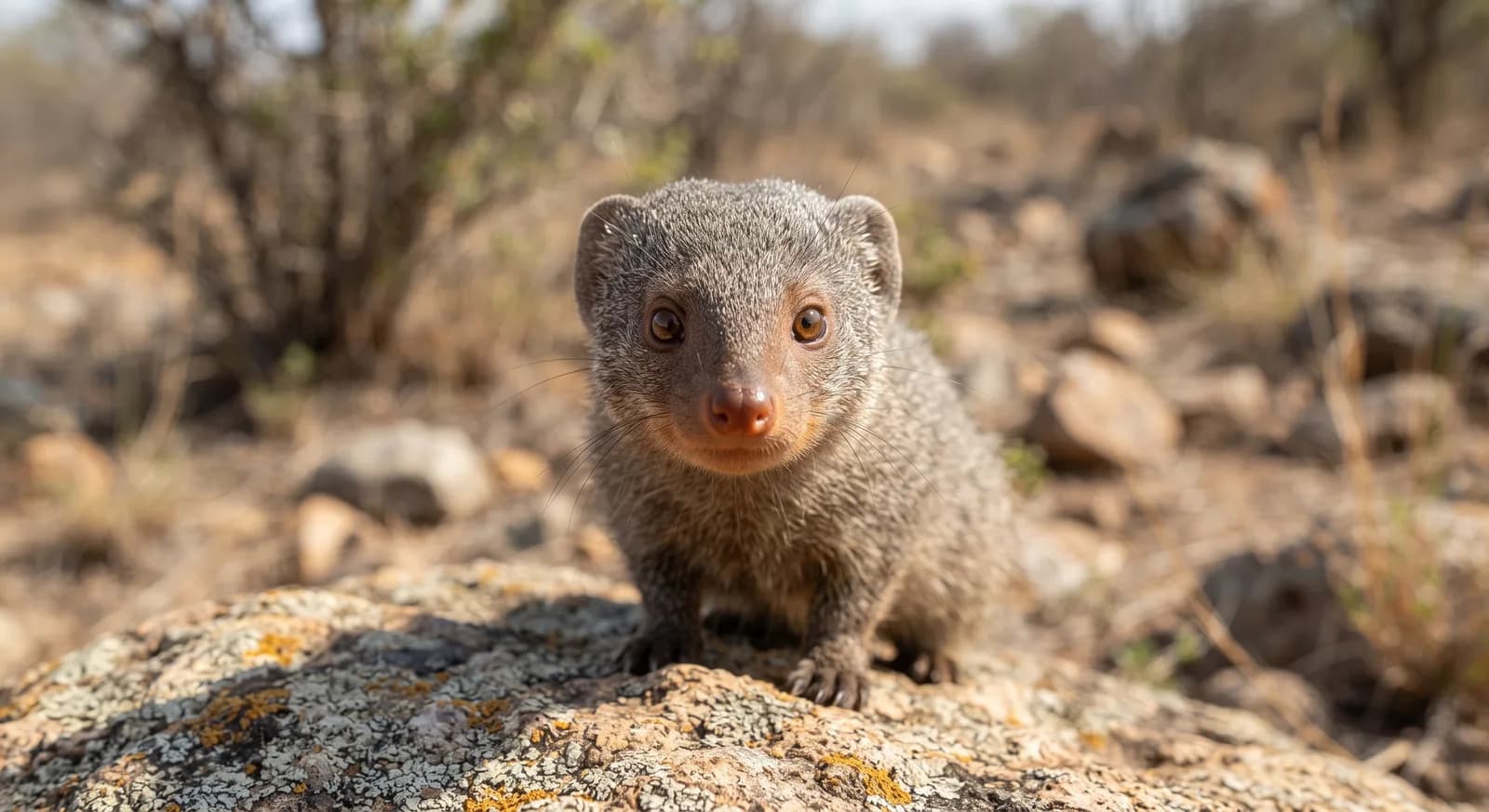
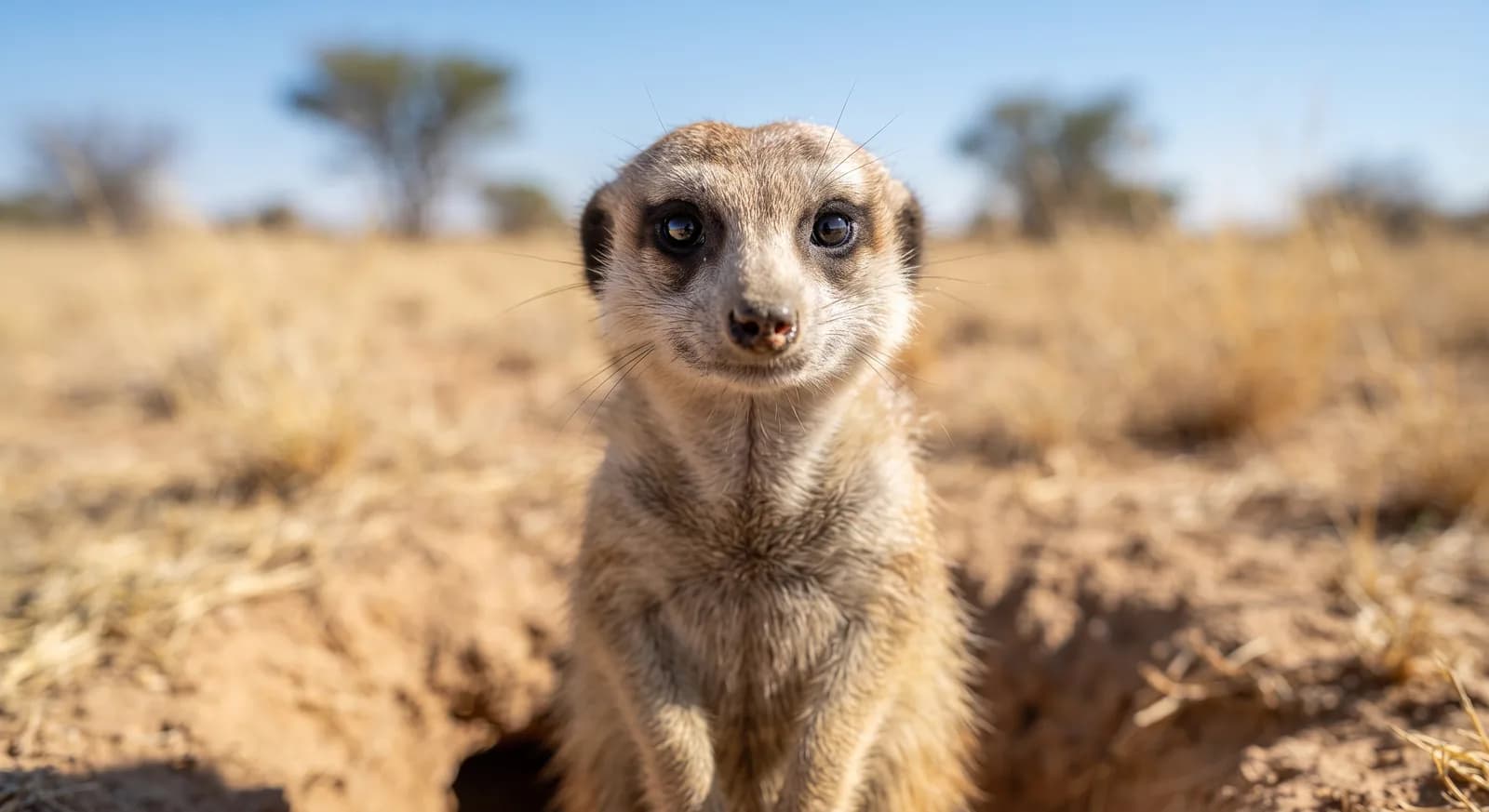
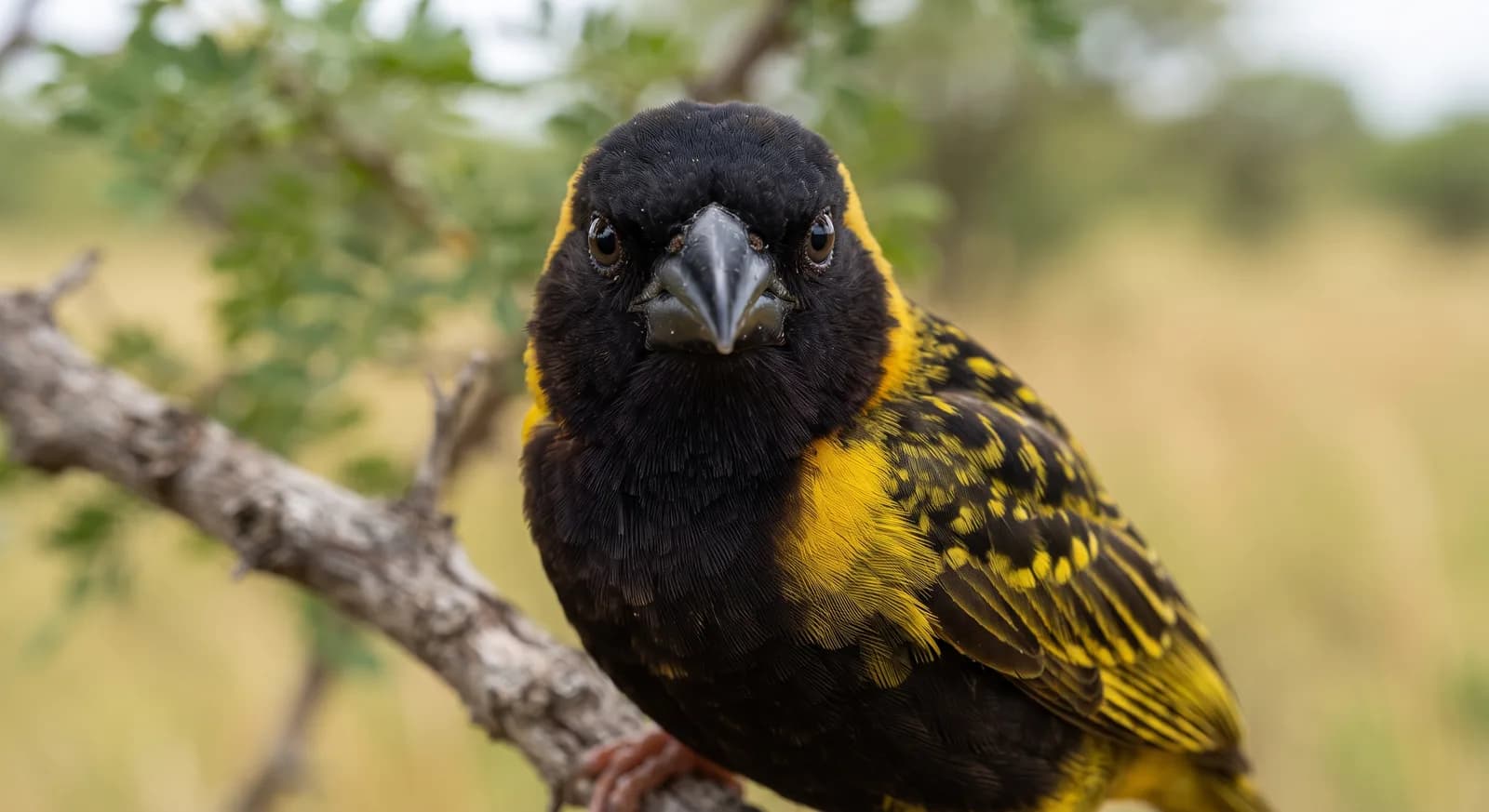
One of the 4 mongooses on WAnimals
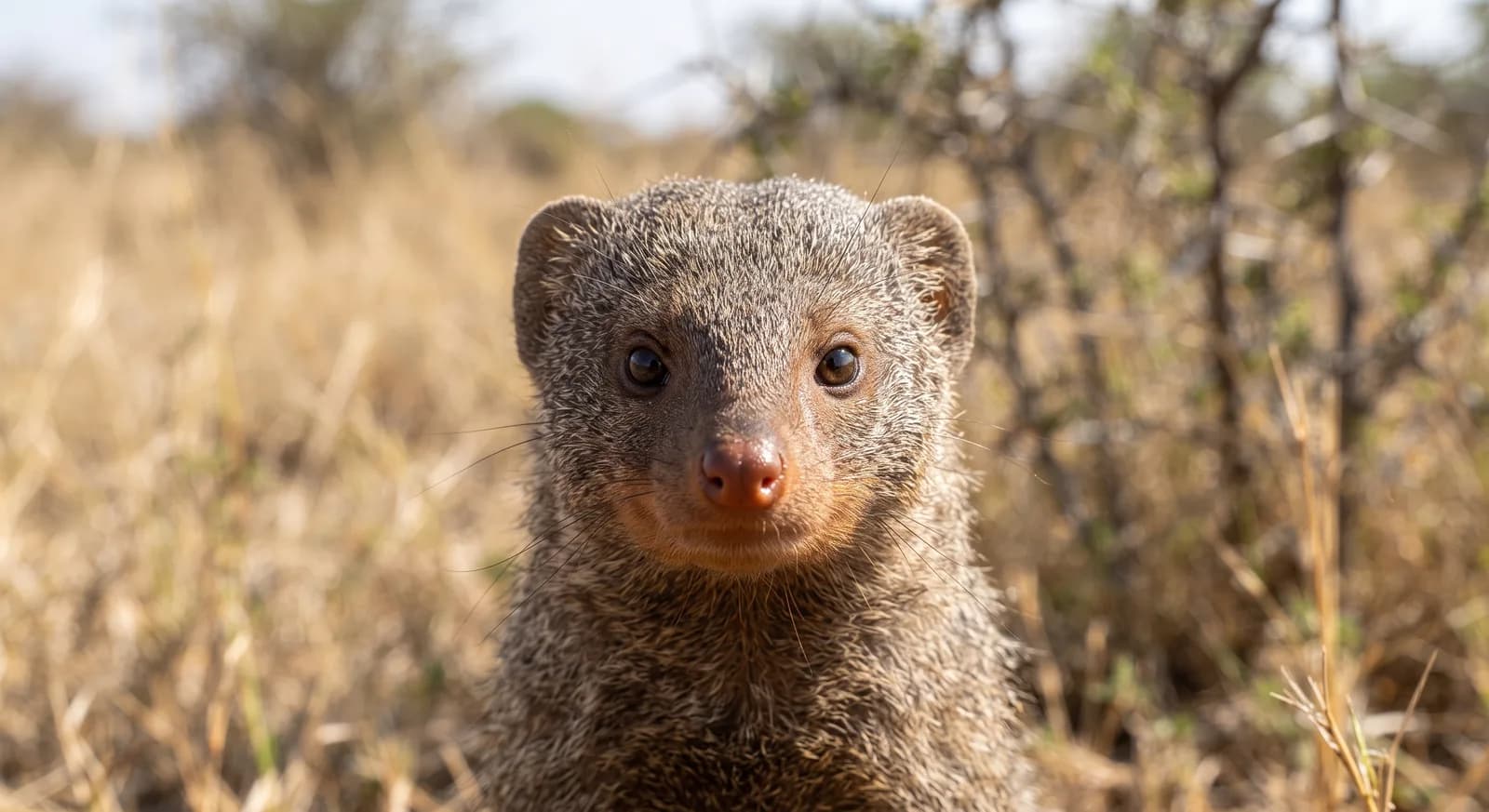
Mammals · Carnivora · Herpestidae
Banded Mongoose
Mungos mungo
Least Concern
The species is abundant and widely distributed; it faces no significant short-term risk.
The banded mongoose lives in very tight-knit groups of between ten and forty individuals that sleep in abandoned termite mounds and go out together to look for food during the day. Its name comes from the dark transverse bands across its back. It feeds above all on beetles and other invertebrates, which it finds by digging through leaf litter and under dung. It is one of the key species in studies of cooperation and conflict in social mammals, with decades-long monitoring in Uganda.
Weight
1.5 kg – 2.3 kg
Size
30 cm – 45 cm
Life expectancy
10 years