Skip to content
WAnimals
  • Map
  • Species
  • Parks
  • Diving
Log inCreate account
WAnimals

The guide for travellers and animal lovers: discover, plan and share your wild adventures around the world.

Discover wildlife

  • Species
  • Ecosystems
  • Glossary
  • Tags

Explore places

  • Map
  • Countries
  • Parks
  • Diving

Plan experiences

  • Guides

Learn

  • Blog

Resources

  • Help centre
  • Contact
  • Install the app

Follow us

Account

  • Log in
  • Create account

© 2026 WAnimals. All rights reserved.

About usHow we build our profilesTerms of servicePrivacyLegal notice
MapSpeciesParksDiving
  1. Home
  2. Species
  3. Village Weaver
Village Weaver (Ploceus cucullatus)

Birds · Passeriformes · Ploceidae

Village Weaver

Ploceus cucullatus

Least Concern

The species is abundant and widely distributed; it faces no significant short-term risk.

Spotted something wrong?

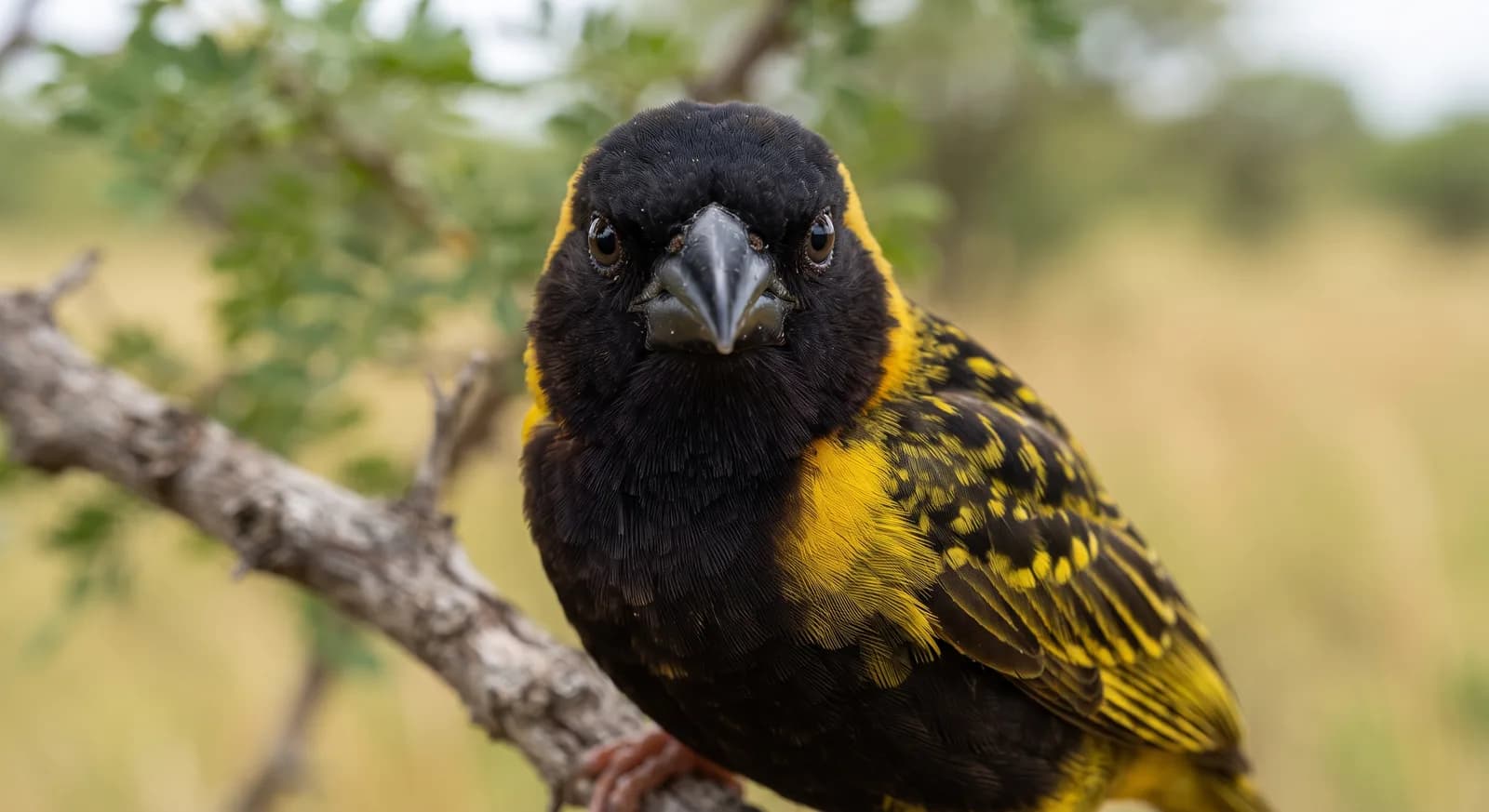
The village weaver is one of the most abundant birds in Africa and probably the best example of animal architecture on the continent. The male weaves a spherical nest with an entrance underneath, knotting strips of grass one by one, hangs it from the tip of a branch and waits for a female to inspect it. If she turns it down, he destroys it and starts another in the same place.

Weight

34 g – 41 g

Size

15 cm – 17 cm

Life expectancy

14 years
Diet

Omnivore

Combines animal and plant food depending on availability.

Activity

Diurnal

Active mainly during the day.

Social structure

Colony

Lives in large concentrations, often for breeding reasons.

Sighting difficulty

Easy

SavannaFreshwaterGrassland
43countries31parks

AI-generated images: illustrations, not photographs.

Fun facts

  • reproducciónThe males weave extremely elaborate nests out of grass and plant fibre, and often have to take them apart and rebuild them several times before a female approves.
  • The male ties real knots with strips of grass, holding them with his feet and threading them with his bill, and can build a complete nest in a single day.
  • If the female inspects the nest and is not convinced, the male dismantles it and starts again: a single male can build and destroy more than twenty nests in a season.
  • The nests hang from the tips of thin branches over water whenever possible, a defence against snakes and monkeys that cannot reach them without falling.

Life cycle and biology

Skeleton type
Vertebrate - internal bony skeleton (bird)
Habitat and environment
Wooded savannah, gallery forest, farmland and villages of sub-Saharan Africa
Sexual maturity
12 months
Gestation / incubation
12 days of incubation
Litter / clutch size
3 eggs

Sources consulted: https://en.wikipedia.org/wiki/Village_weaver

Where to find it

Loading map…

Where to see it

Parks and dive sites where this species has been documented — showing 10 of 31.

Related species

Other species in the catalogue with the most in common with Village Weaver — same habitat, park, country, tags or family.

Shares a park
Shares a park
Shares a park
Shares a park
Shares a park
Shares a park

Keep exploring

Based on what we already know about village weaver.

Comments

Share an experience, a fun fact or a tip for seeing the village weaver.

Be the first to comment.

See full glossary
This page in other languages: Español · Deutsch · Français · Português · Italiano

The pins mark the parks where its presence is documented.

See its range on the interactive map→
Serengeti National ParkTanzania
Lake NakuruKenya
ComoeCôte d’Ivoire
MoleGhana
KakumGhana
TaiCôte d’Ivoire
Niokolo-KobaSenegal
W National ParkNiger
Odzala-KokouaRepublic of the Congo
DjaCameroon
See all 31 parks
Least Concern

Rufous Elephant Shrew

Elephantulus rufescens

Common OstrichLeast Concern

Common Ostrich

Struthio camelus

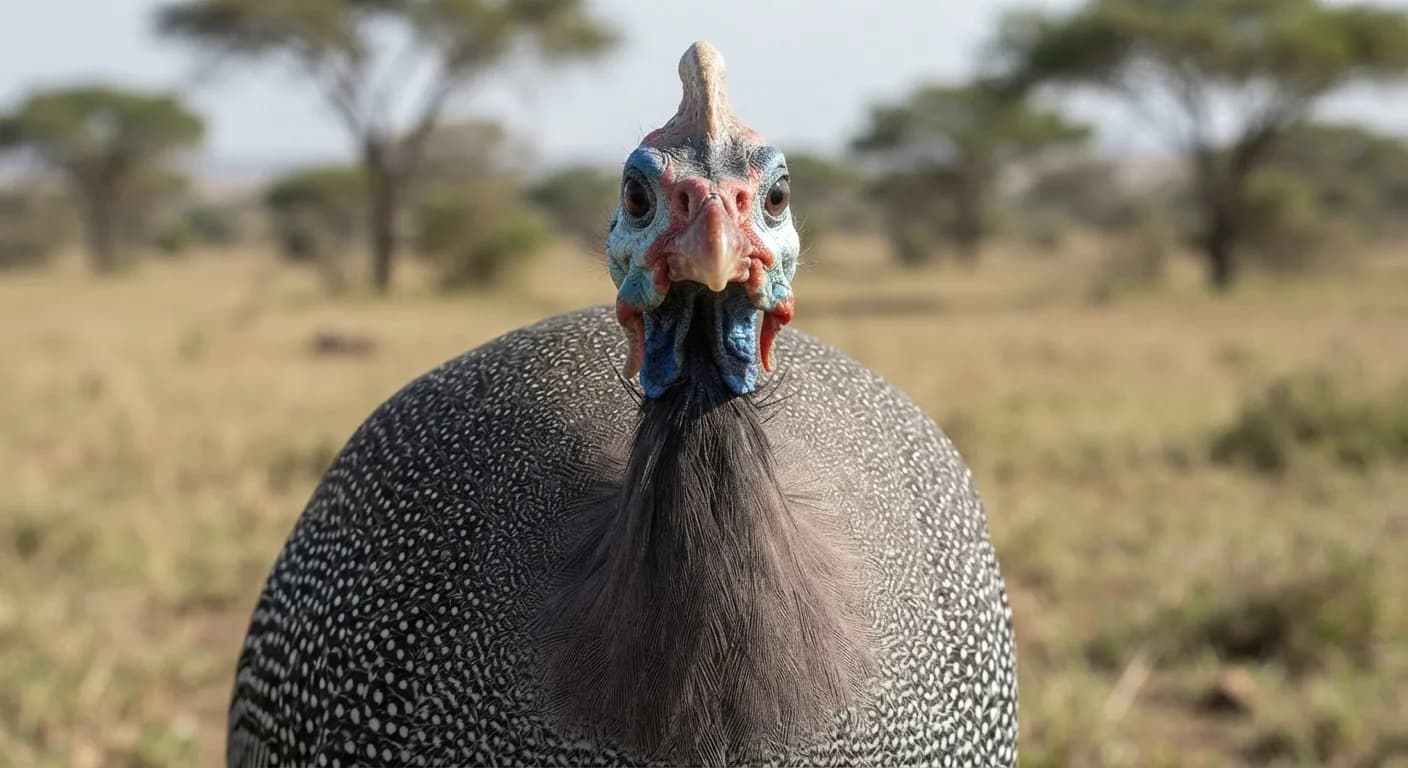
Helmeted GuineafowlLeast Concern

Helmeted Guineafowl

Numida meleagris

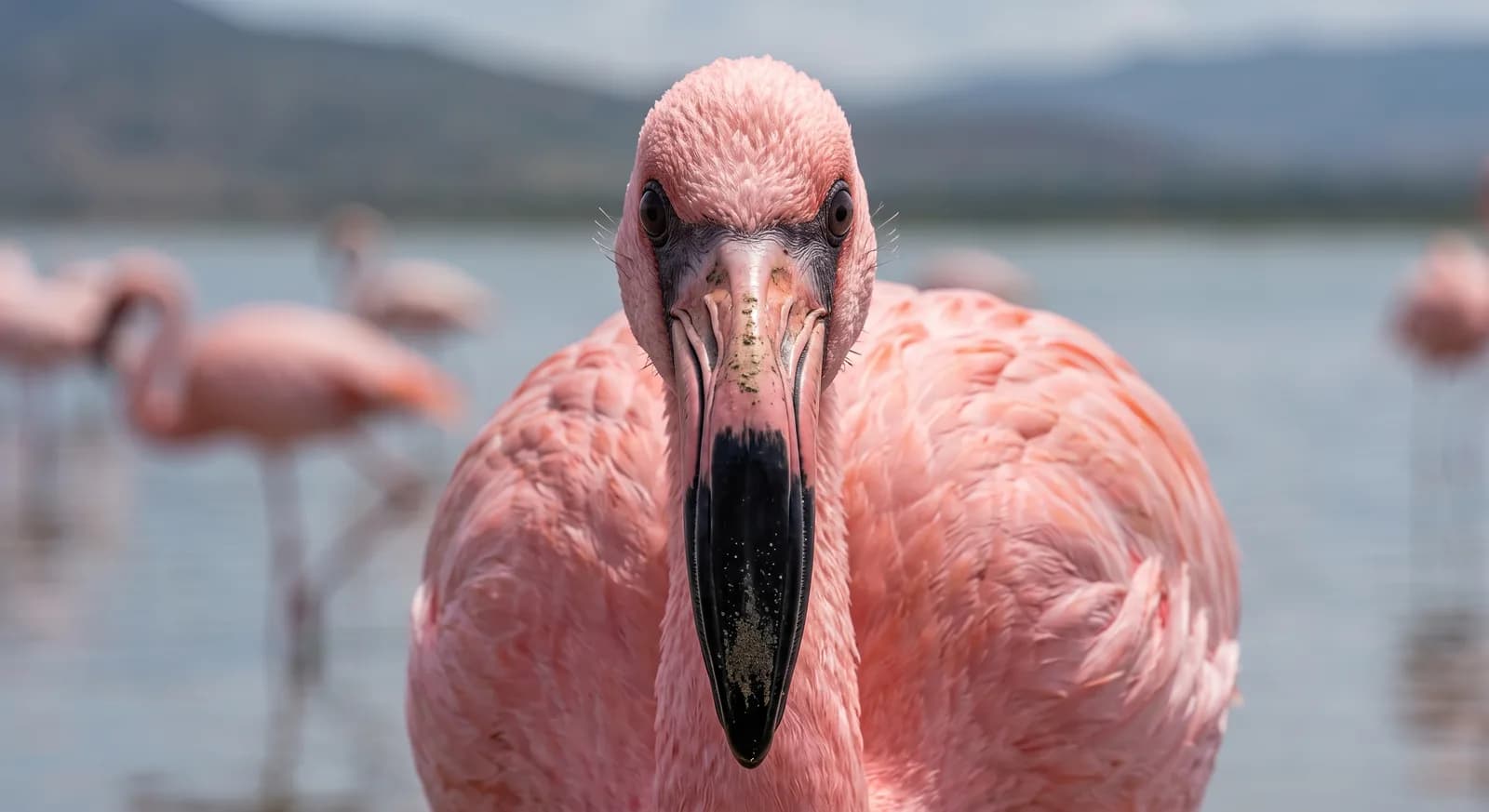
Greater FlamingoLeast Concern

Greater Flamingo

Phoenicopterus roseus

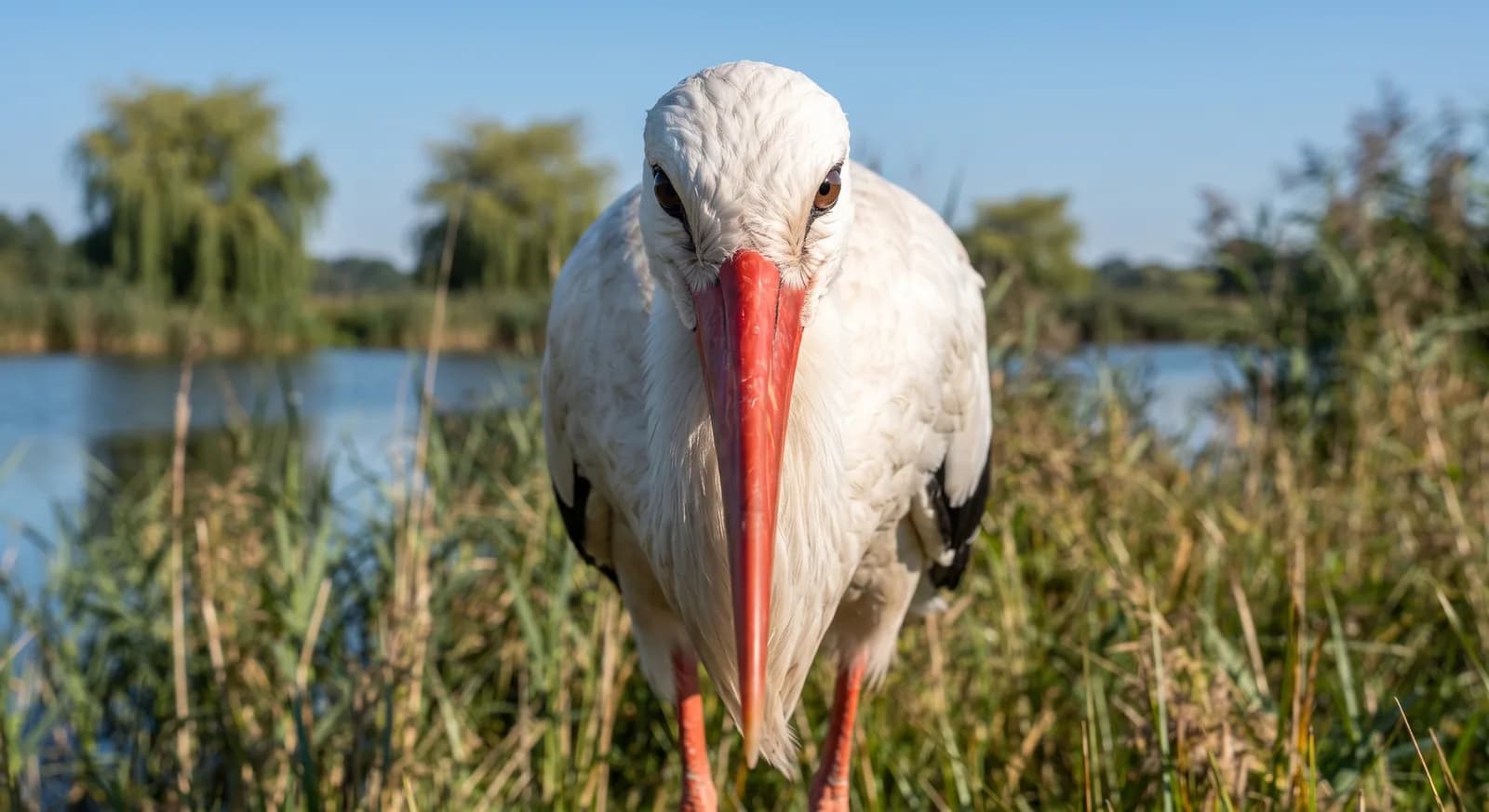
White StorkLeast Concern

White Stork

Ciconia ciconia

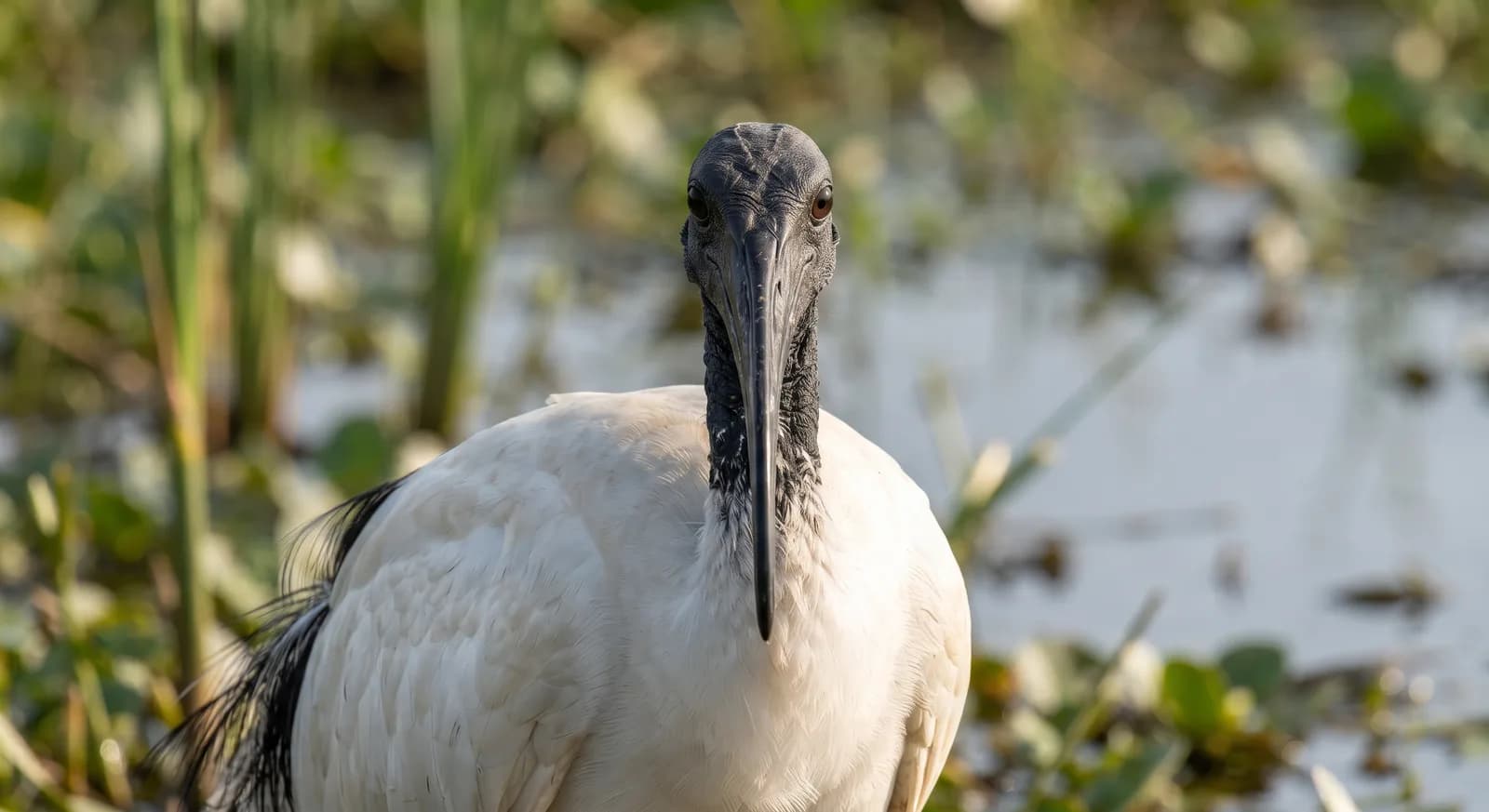
African Sacred IbisLeast Concern

African Sacred Ibis

Threskiornis aethiopicus

CountriesTanzania
ParksSerengeti National ParkTanzania
TagsOmnivore
Omnivore
Diurnal
Colonial
Bird
Savanna
Freshwater
Grassland
Tanzania
Cameroon
Uganda
Côte d’Ivoire
Gabon
Ghana
Angola
Benin
Botswana
Burkina Faso
Burundi
Cameroon
Central African Republic
Chad
Côte d’Ivoire
Democratic Republic of the Congo
Djibouti
Equatorial Guinea
Eritrea
Eswatini
Ethiopia
Gabon
Gambia
Ghana
Guinea
Guinea-Bissau
Kenya
Lesotho
Liberia
Malawi
Mali
Mauritania
Mozambique
Namibia
Niger
Nigeria
Republic of the Congo
Rwanda
Senegal
Sierra Leone
Somalia
South Africa
South Sudan
Sudan
Tanzania
Togo
Uganda
Zambia
Zimbabwe