Skip to content
WAnimals
  • Map
  • Species
  • Parks
  • Diving
Log inCreate account
WAnimals

The guide for travellers and animal lovers: discover, plan and share your wild adventures around the world.

Discover wildlife

  • Species
  • Ecosystems
  • Glossary
  • Tags

Explore places

  • Map
  • Countries
  • Parks
  • Diving

Plan experiences

  • Guides

Learn

  • Blog

Resources

  • About us
  • How we build our profiles
  • Help centre
  • Contact
  • Install the app

Follow us

Account

  • Log in
  • Create account

© 2026 WAnimals. All rights reserved.

Terms of servicePrivacyCookiesLegal notice
MapSpeciesParksDiving
  1. Home
  2. Species
  3. Zorilla
Zorilla (Ictonyx striatus)

Mammals · Carnivora · Mustelidae

Zorilla

Ictonyx striatus

Least Concern

The species is abundant and widely distributed; it faces no significant short-term risk.

Spotted something wrong?

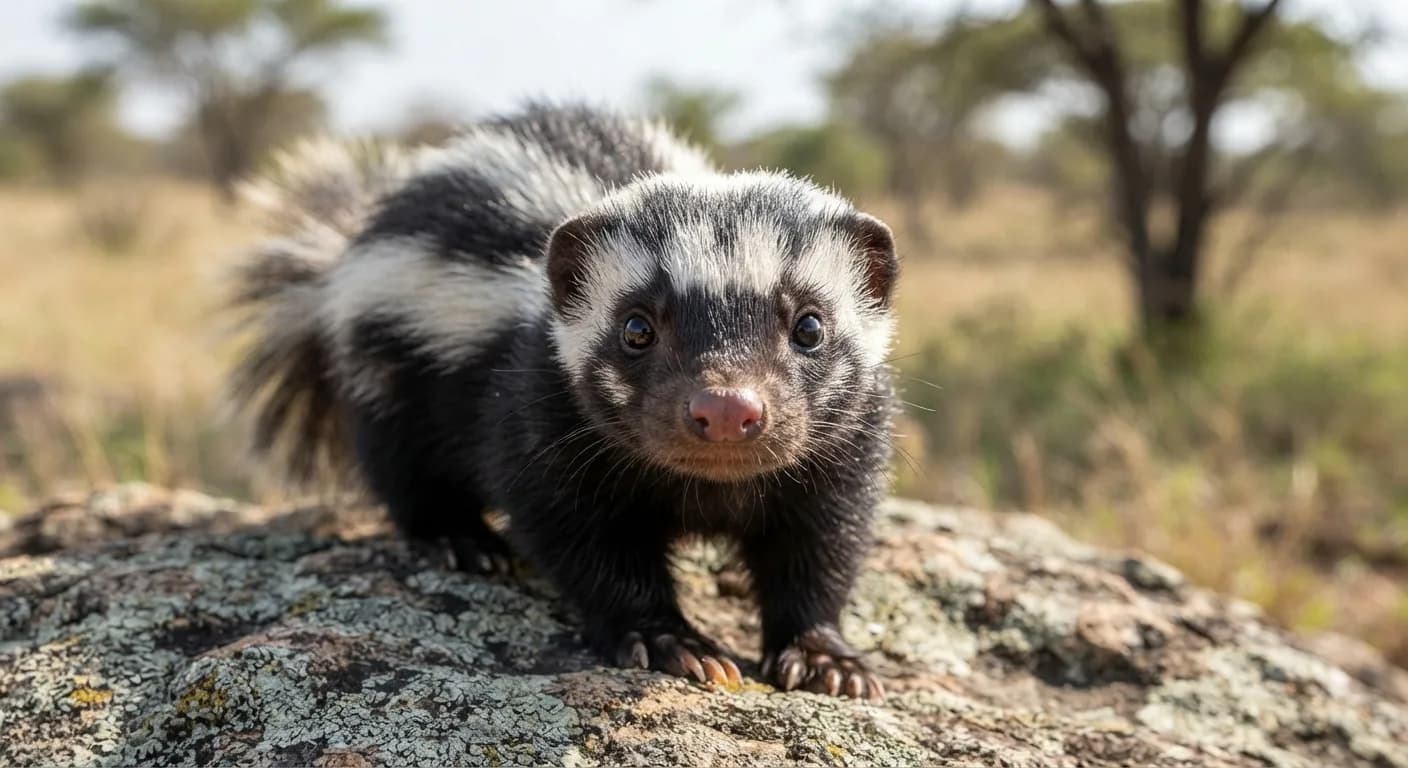
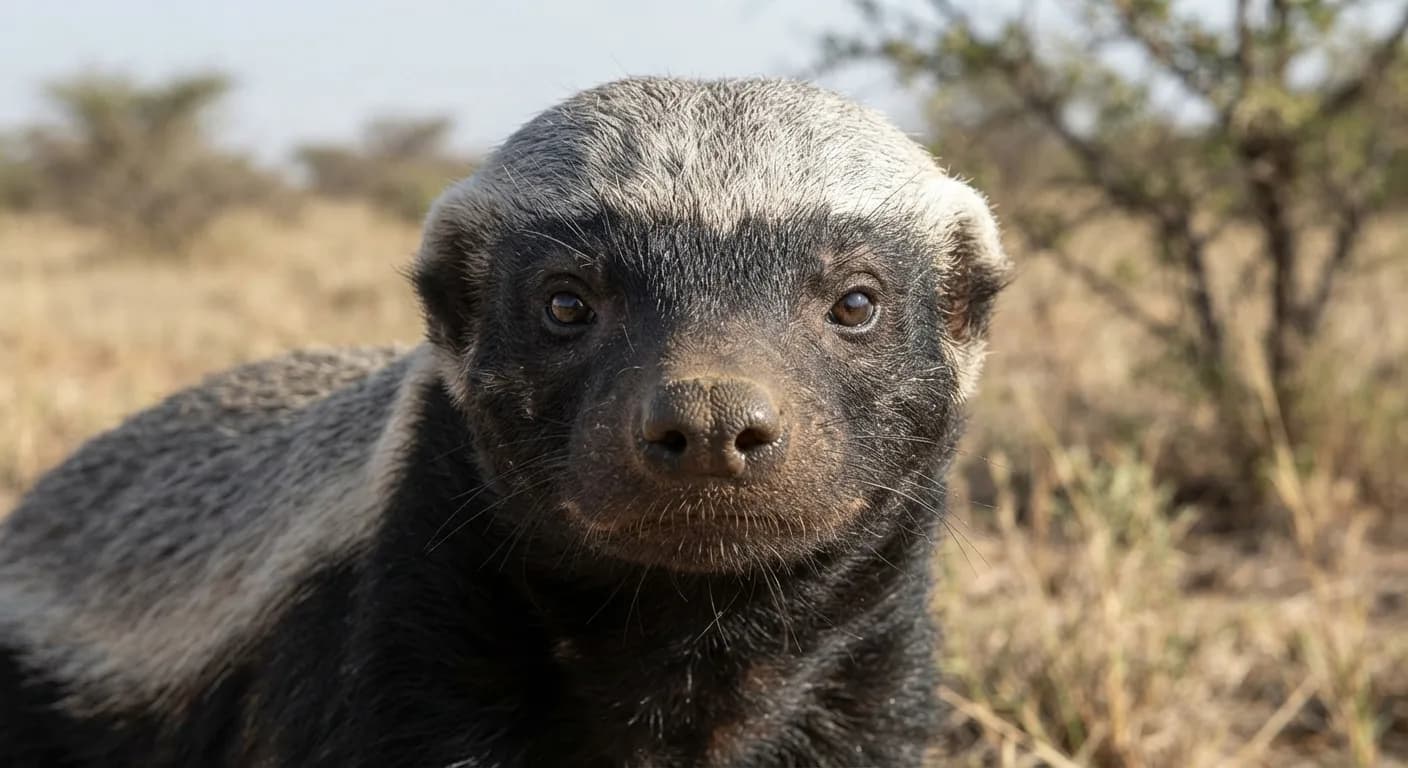
Its name comes from the Spanish zorrillo, "little skunk". It is not related to the true skunks, but convergent evolution has given it an almost identical defence: foul-smelling secretions it sprays at predators.

Weight

600 g – 1.5 kg

Size

60 cm – 70 cm

Life expectancy

10 years
Diet

Carnivore

Feeds mainly on other animals.

Activity

Nocturnal

Active mainly at night.

Social structure

Solitary

Lives and hunts alone, joining others only to breed.

SavannaDesert
44countries18parks28same family

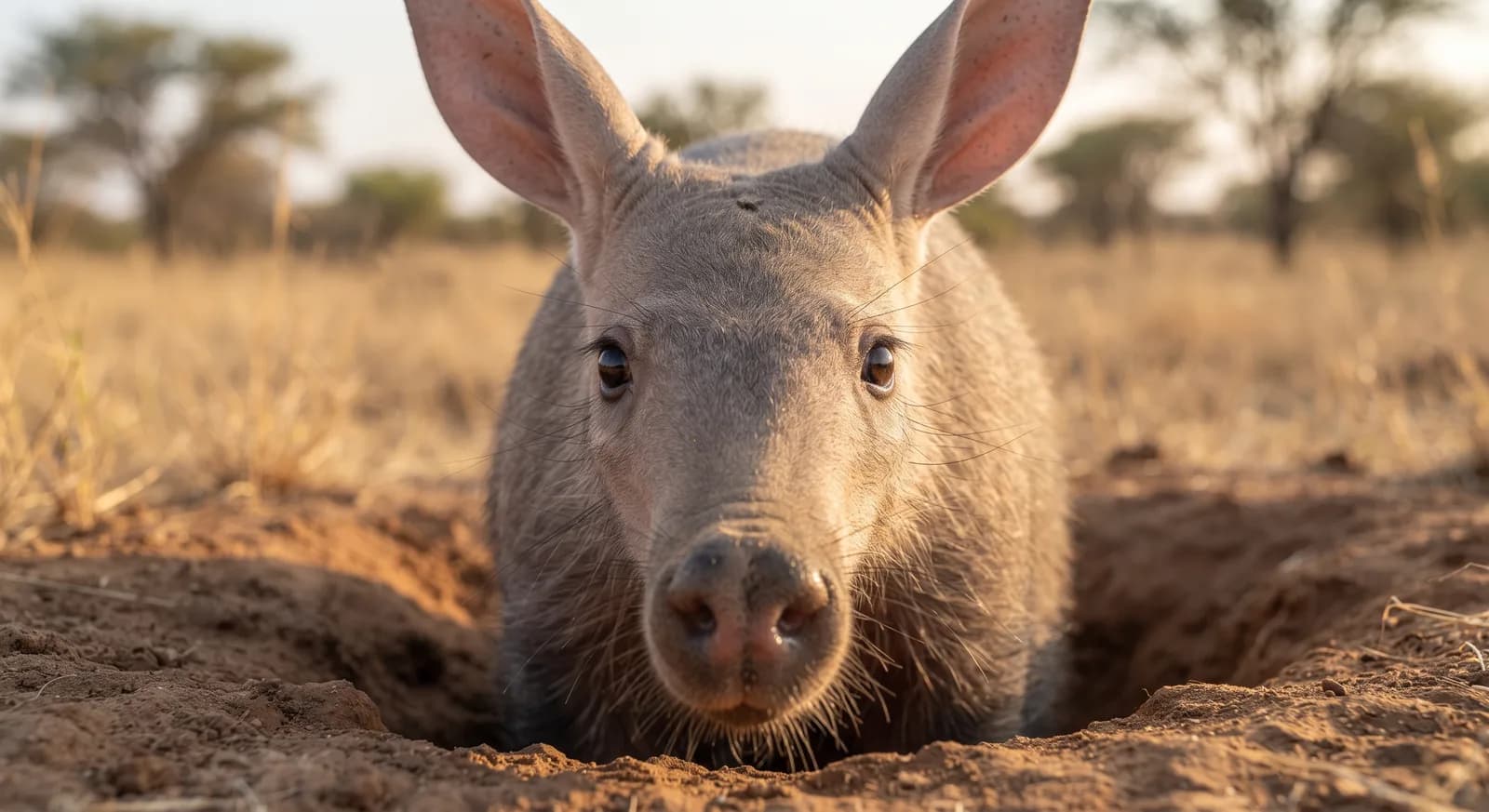
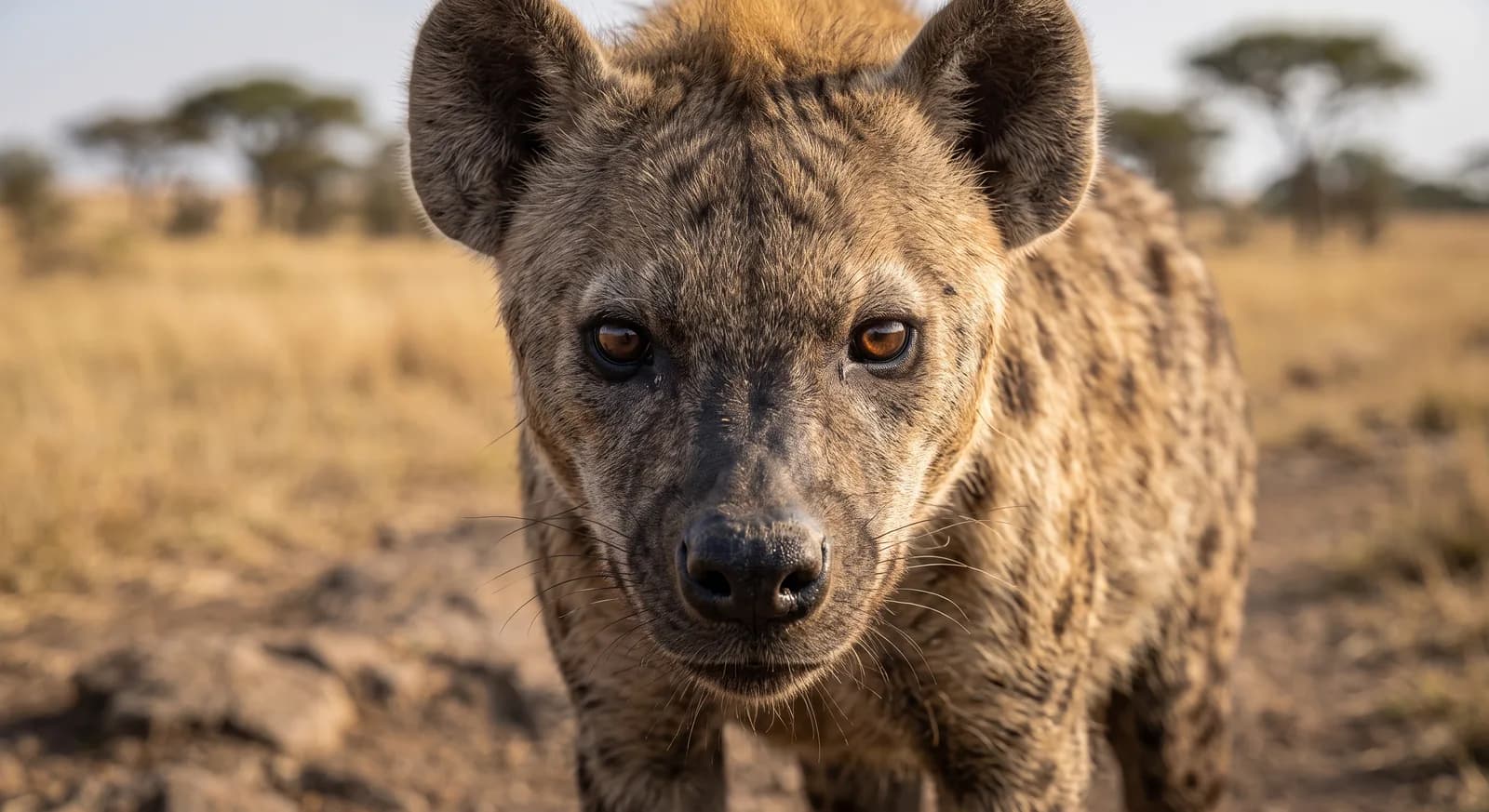
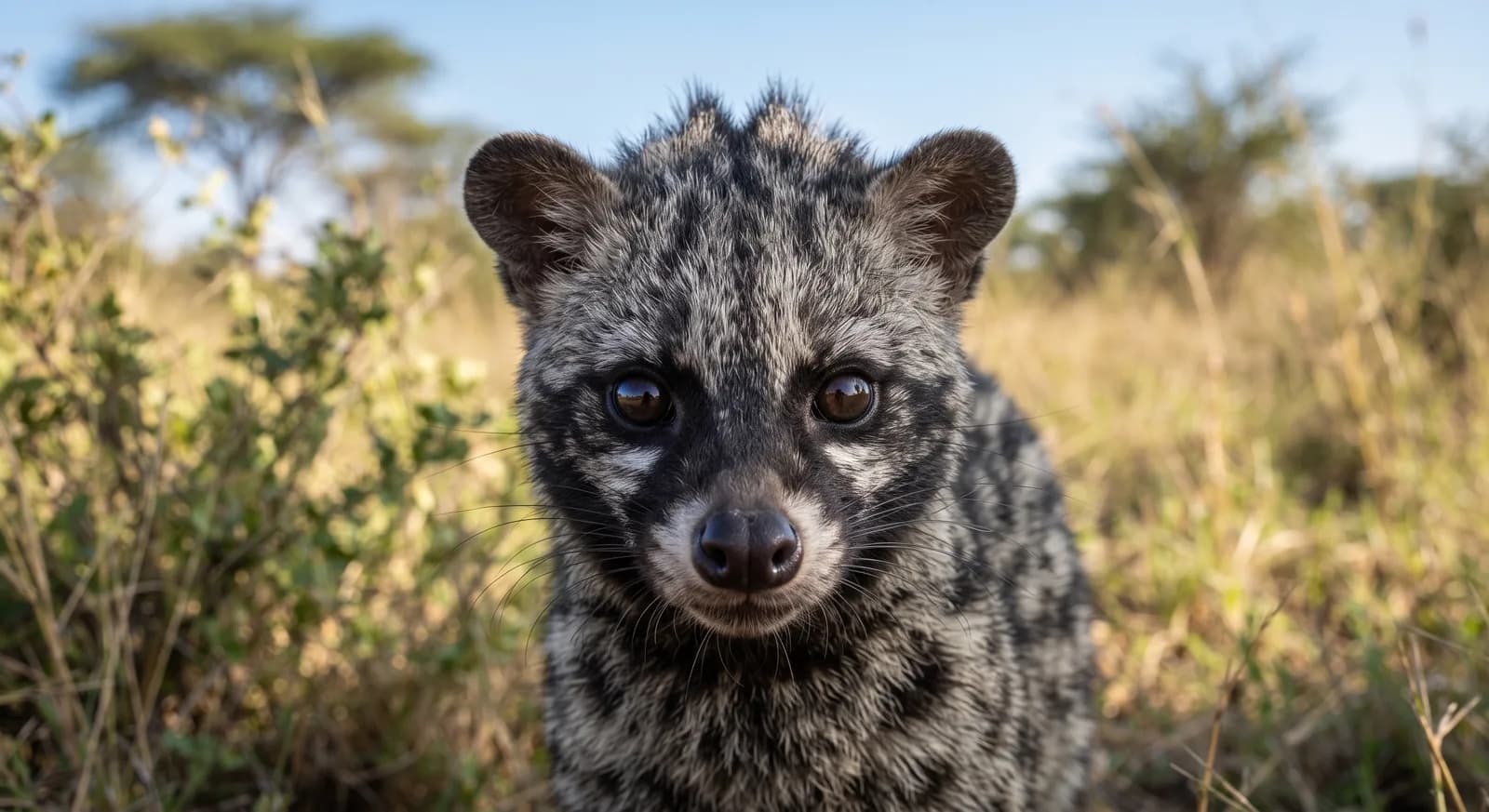
AI-generated images: illustrations, not photographs.

Fun facts

  • Though it is not related to the skunks, convergent evolution has given it an almost identical defence.
  • It can spray foul-smelling secretions from its anal glands at a predator.
  • It eats small rodents, snakes, birds and insects.
  • defensaDespite its Spanish name it is not a fox but a mustelid, and it can release an extremely foul-smelling secretion in defence, much as the American skunks do.

Life cycle and biology

Skeleton type
Vertebrate - internal bony skeleton (mammal)
Habitat and environment
Savannah, grassland and semi-arid country of central, southern and sub-Saharan Africa, avoiding the Congo Basin
Birth weight
15 grams
Size at birth
Blind and helpless at birth
Sexual maturity
Female: ~10 months | Male: ~2 years (though physiological maturity may come earlier)
Gestation / incubation
36 days (some sources give ~4 weeks more loosely)
Litter / clutch size
1 to 5 young per litter (most commonly 2)
Life expectancy in captivity
Documented record of up to 13-14 years in captivity

Sources consulted: AnAge · Earthpedia · Dimensions.com · BioDB · Critter Science · Wikipedia · Animalia.bio · Animal Diversity Web

Where to find it

Best time: All year round in sub-Saharan Africa, at night; faced with a threat it raises its tail and sprays a fluid as foul as a skunk's.

Loading map…

Where to see it

Parks and dive sites where this species has been documented — showing 10 of 18.

Related species

Other species in the catalogue with the most in common with Zorilla — same habitat, park, country, tags or family.

Same taxonomic family
Shares a park
Shares a park
Shares a park
Shares a park

Keep exploring

Based on what we already know about zorilla.

Share an experience, a fun fact or a tip for seeing the zorilla.
See full glossary
This page in other languages: Español · Deutsch · Français · Português · Italiano

The pins mark the parks where its presence is documented.

See its range on the interactive map→
Serengeti National ParkTanzania
Maasai Mara National ReserveKenya
Kruger National ParkSouth Africa
NgorongoroTanzania
Lake NakuruKenya
KgalagadiSouth Africa
ChobeBotswana
EtoshaNamibia
HwangeZimbabwe
South LuangwaZambia
See all 18 parks
Honey BadgerLeast Concern

Honey Badger

Mellivora capensis

Spotted-necked OtterNear Threatened

Spotted-necked Otter

Hydrictis maculicollis

AardvarkLeast Concern

Aardvark

Orycteropus afer

Least Concern

Thick-tailed Greater Galago

Otolemur crassicaudatus

Spotted HyaenaLeast Concern

Spotted Hyaena

Crocuta crocuta

African CivetLeast Concern

African Civet

Civettictis civetta

CountriesSouth Africa
ParksSerengeti National ParkTanzania
TagsCarnivore
Carnivore
Nocturnal
Solitary
Savannah
Desert
Mammal
South Africa
Kenya
Botswana
Namibia
Tanzania
Malawi
Angola
Benin
Botswana
Burkina Faso
Burundi
Cameroon
Central African Republic
Chad
Côte d’Ivoire
Democratic Republic of the Congo
Djibouti
Equatorial Guinea
Eritrea
Eswatini
Ethiopia
Gabon
Gambia
Ghana
Guinea
Guinea-Bissau
Kenya
Lesotho
Liberia
Malawi
Mali
Mauritania
Morocco
Mozambique
Namibia
Niger
Nigeria
Republic of the Congo
Rwanda
Senegal
Sierra Leone
Somalia
South Africa
South Sudan
Sudan
Tanzania
Togo
Uganda
Zambia
Zimbabwe