One of the 26 spiders on WAnimals
Arachnids · Araneae · Linyphiidae
Money Spider
Linyphia triangularis
It has not yet been assessed against the IUCN criteria. See full glossary
A small spider with a pale brown carapace edged in darker brown and a central tuning-fork mark. The opisthosoma carries a brown band with toothed edges over a white ground, with further brown markings along the sides. The legs are greyish brown and bear numerous long spines.
Size
0.5 cm – 0.7 cm
Diet
Carnivore
Feeds mainly on other animals.
Activity
Diurnal
Active mainly during the day.
Social structure
Solitary
Lives and hunts alone, joining others only to breed.
Sighting difficulty
Unknown
Fun facts
- It does not weave an orb web but a horizontal sheet, beneath which it waits hanging upside down; prey falls onto it after colliding with vertical threads strung above.
- It belongs to the linyphiids, the largest spider family in Europe, popularly known as money spiders.
- Accidentally introduced into Maine, in the United States, in 1983, it now appears on the Global Invasive Species Database and has displaced native spiders inside Acadia National Park.
- This is the spider behind the sheets of silk that appear over hedges and heathland on autumn mornings, when the dew makes them visible. In some regions they cover the entire landscape.
- Its web works by knock-down: above the horizontal sheet it weaves a tangle of vertical threads that act as tripwires. A flying insect strikes them and falls onto the sheet, where the spider waits hanging beneath it, facing upwards.
- It bites through the sheet from below, without ever climbing onto it.
- Males are wanderers and search for females by roaming other spiders' webs; they often settle on the web of a subadult female and wait for her to moult in order to mate with her.
- It is one of Europe's most abundant spiders and an important predator of small insects in hedgerows and scrub.
- It has established itself as an invasive species in the north-eastern United States, where it displaces native linyphiids.
Life cycle & biology
- Skeleton type
- Invertebrate - chitin exoskeleton (arachnid)
- Habitat & environment
- A wide variety of damp habitats: meadows, woodland edges, low grasses and shrubs, where it spreads its horizontal web
Sources consulted: World Spider Catalog; Jennings, Catley y Graham 2002, Journal of Arachnology 30(1); Houser, Jennings y Jakob 2005, Journal of Arachnology 33(1); Sivell et al. 2025, Wellcome Open Research; Global Invasive Species Database; Arácnidos Ibéricos
Where to find it
See its range on the interactive mapBest time: From summer to autumn, when its horizontal webs show up clearly in the morning dew
Related species
Other species in the catalogue with the most in common with Money Spider — same habitat, park, country, tags or family.
 Least Concern
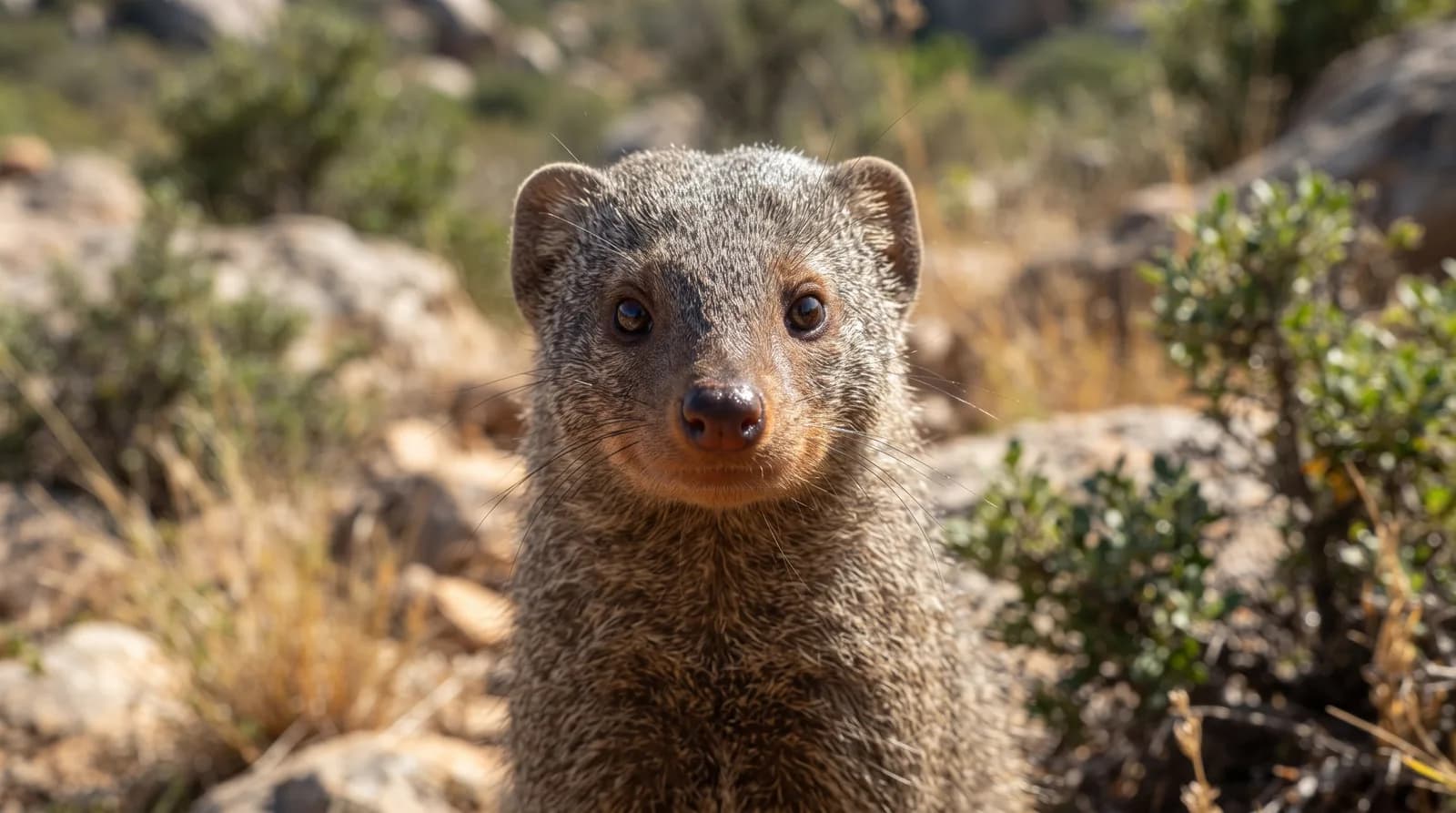
Egyptian Mongoose
Herpestes ichneumon
Common Buzzard
Buteo buteo
Eurasian Sparrowhawk
Accipiter nisus
European Roller
Coracias garrulus
 Least Concern
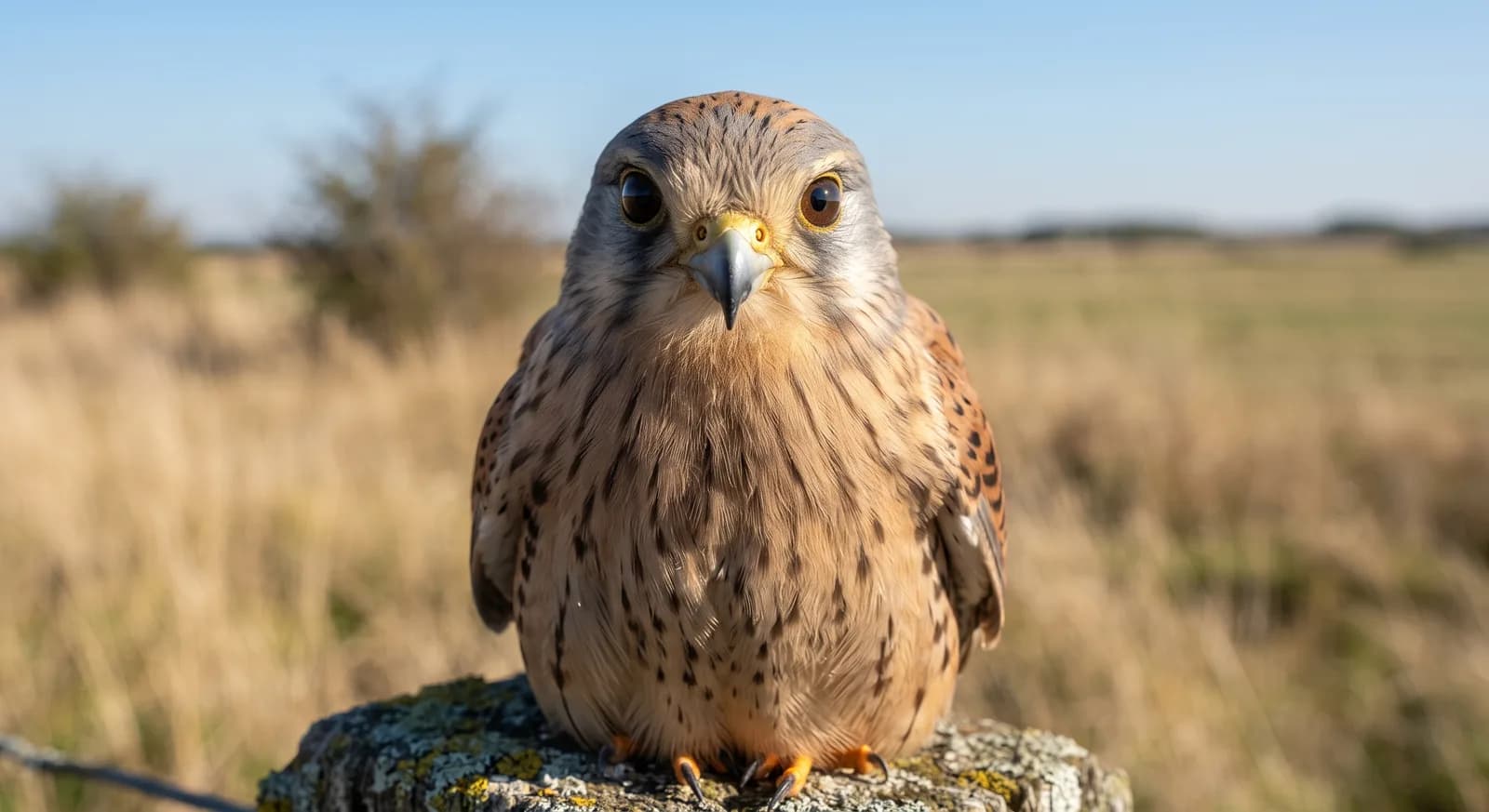
Common Kestrel
Falco tinnunculus
 Least Concern
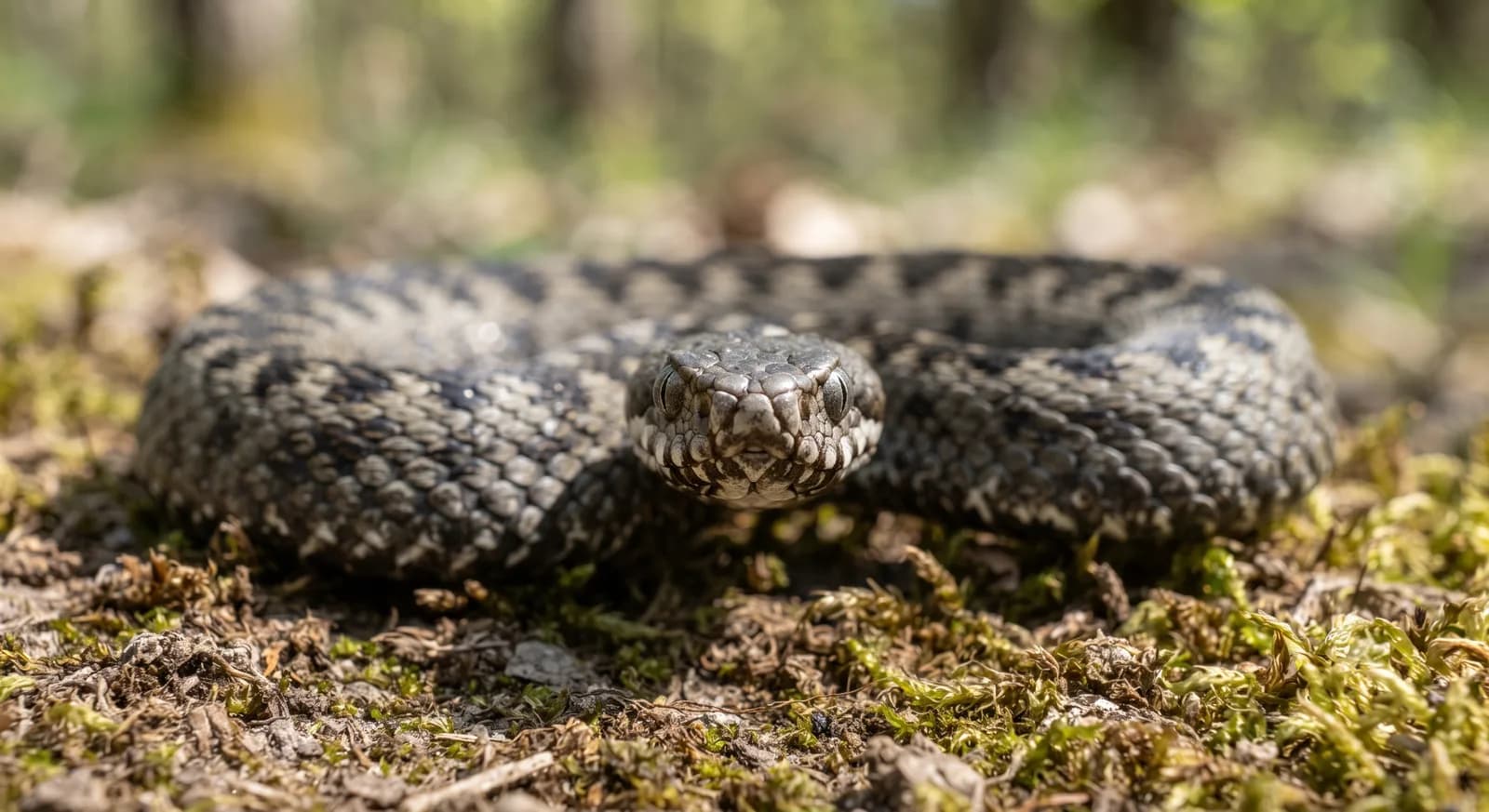
Adder
Vipera berus
Keep exploring
Based on what we already know about money spider.
Comments
Share an experience, a fun fact or a tip for seeing the money spider.
Be the first to comment.