One of the 2 rollers on WAnimals
Birds · Coraciiformes · Coraciidae
European Roller
Coracias garrulus
The species is abundant and widely distributed; it faces no significant short-term risk. See full glossary
It owes its English name to its spectacular courtship flight, a series of acrobatic rolls and tumbling dives worthy of a circus act.
Weight
up to 140 g
Size
29 cm – 32 cm
Lifespan
5 years
Diet
Carnivore
Feeds mainly on other animals.
Activity
Diurnal
Active mainly during the day.
Social structure
Solitary
Lives and hunts alone, joining others only to breed.
Sighting difficulty
Easy
Fun facts
- It is the only member of its family (Coraciidae) that breeds in Europe.
- It feeds on large insects, plus small reptiles, rodents and frogs taken from a high perch.
- It winters in sub-Saharan Africa.
Life cycle & biology
- Skeleton type
- Vertebrate - pneumatised bony skeleton (bird)
- Habitat & environment
- Warm, dry, open country with scattered trees across southern and eastern Europe, western Asia and North Africa; it winters in sub-Saharan Africa
- Birth weight
- Weight at hatching not found as a precise figure
- Size at birth
- Born blind and naked
- Sexual maturity
- 1 year
- Gestation / incubation
- 18-19 days
- Litter / clutch size
- 2 to 6 eggs per clutch
Sources consulted: BirdBuddy Wiki; Birda (identification); AnAge (genomics.senescence.info); Animalia.bio; Wikipedia (European roller); Birds of the World; BirdLife DataZone; PMC (genetic diversity Serbia study)
Where to find it
See its range on the interactive mapWhere to watch it
Parques y spots de buceo donde se ha documentado esta especie — se muestran 10 de 34 documentados.
Related species
Other species in the catalogue with the most in common with European Roller — same habitat, park, country, tags or family.
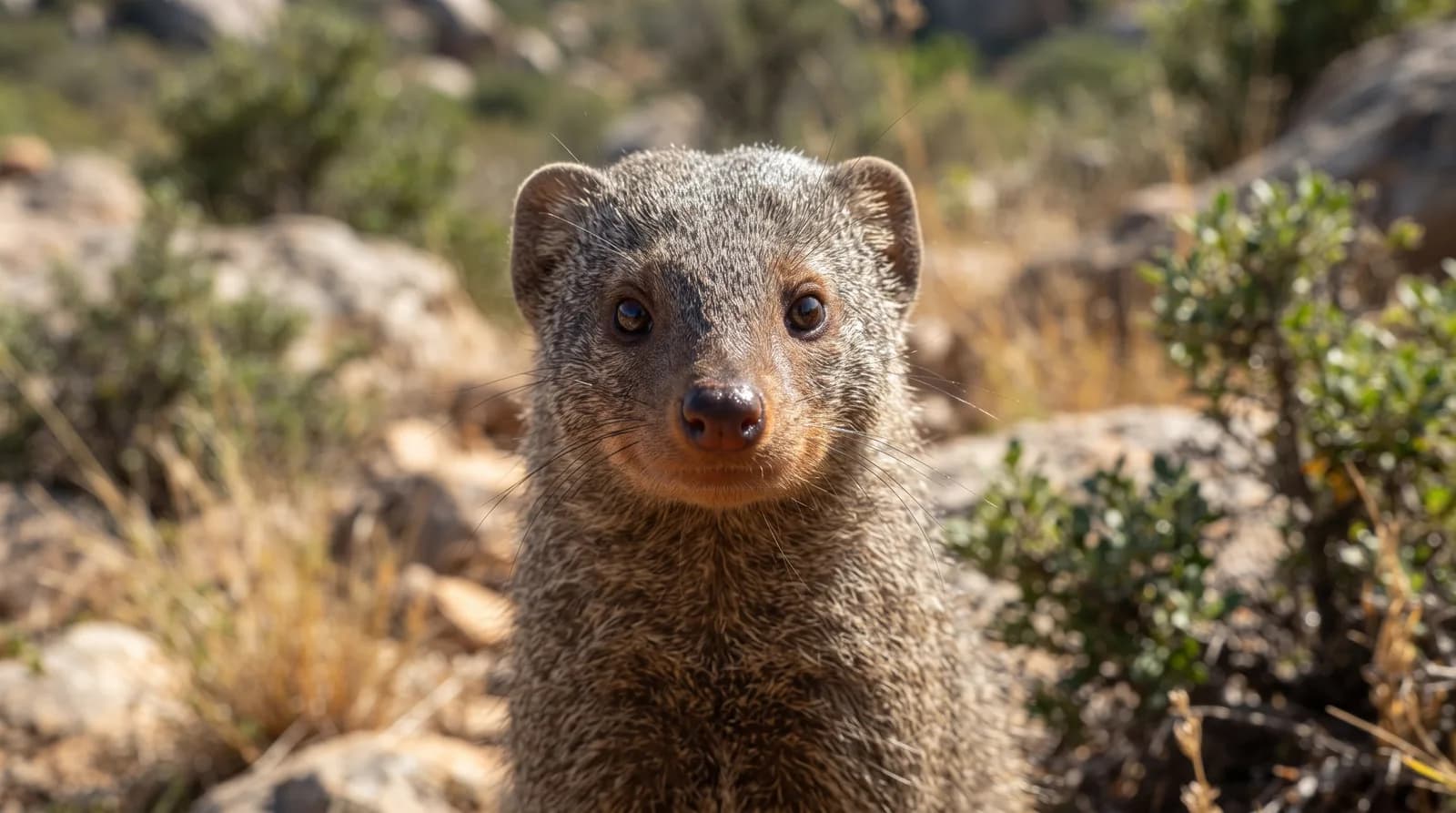 Least Concern
Egyptian Mongoose
Herpestes ichneumon
Eurasian Woodcock
Scolopax rusticola
Common Buzzard
Buteo buteo
Eurasian Sparrowhawk
Accipiter nisus
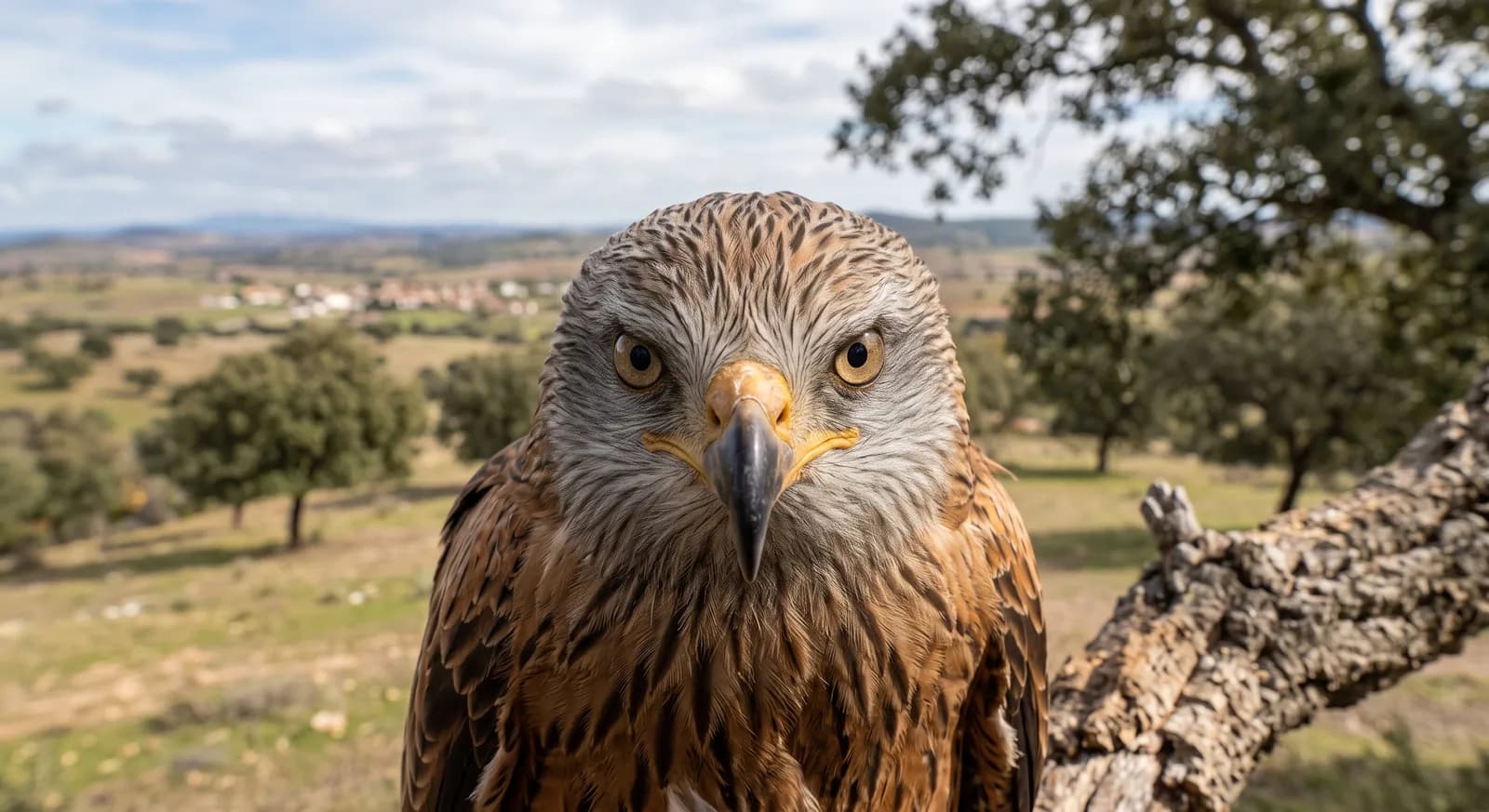 Least Concern
Red Kite
Milvus milvus
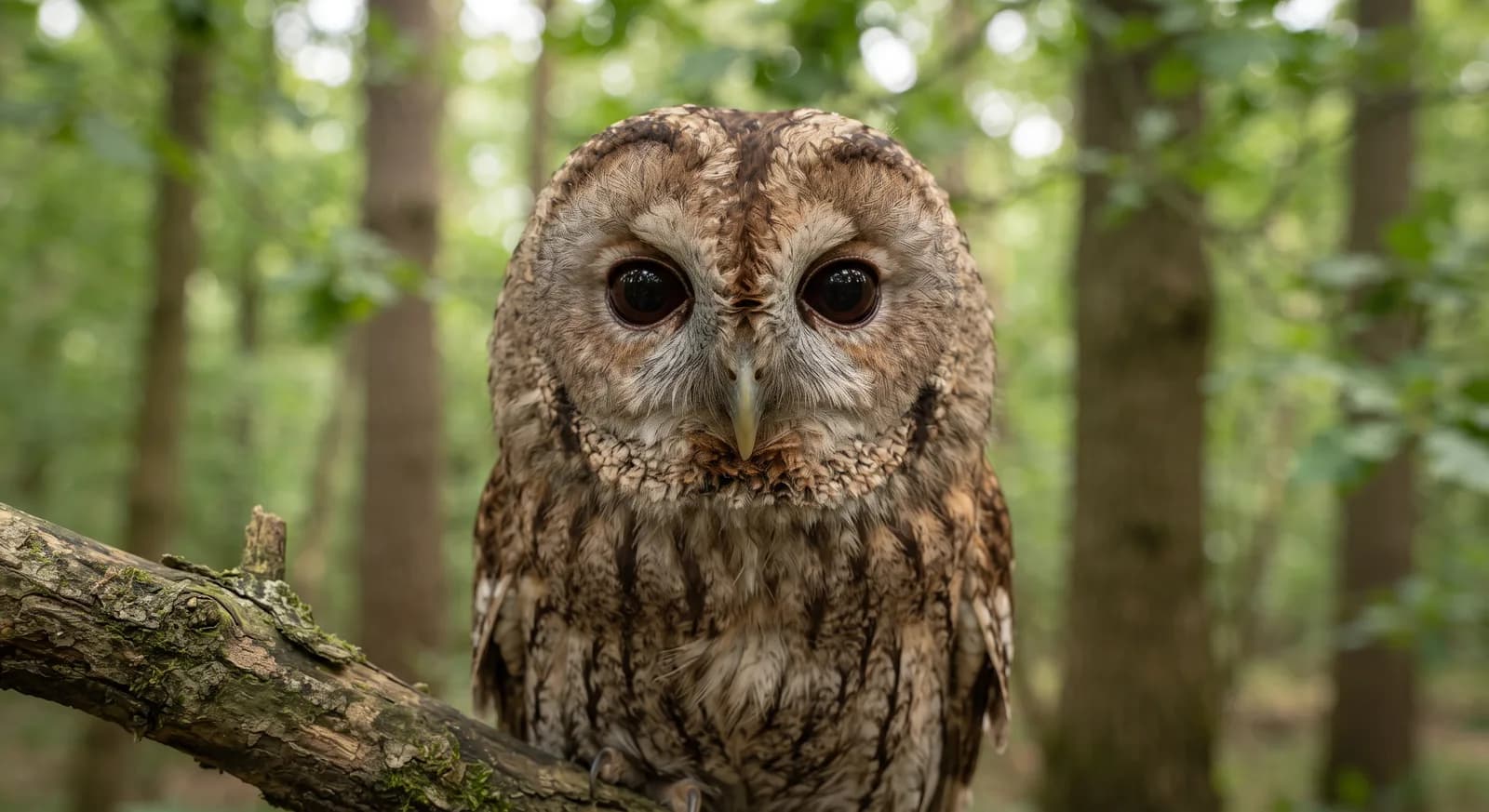 Least Concern
Tawny Owl
Strix aluco
Keep exploring
Based on what we already know about european roller.
Comments
Share an experience, a fun fact or a tip for seeing the european roller.
Be the first to comment.