Birds · Charadriiformes · Glareolidae
Collared Pratincole
Glareola pratincola
The species is abundant and widely distributed; it faces no significant short-term risk. See full glossary
A bird whose silhouette falls between a swallow and a wader, with long pointed wings, a forked tail and acrobatic flight. The diagnostic feature is the cream throat edged by a fine black collar, which is what gives the species its English name, collared pratincole.
Weight
77 g on average
Size
22 cm – 25 cm
Diet
Insectivore
Feeds mainly on insects and other invertebrates.
Activity
Diurnal
Active mainly during the day.
Social structure
Colony
Lives in large concentrations, often for breeding reasons.
Sighting difficulty
Easy
Fun facts
- It catches insects on the wing like a swallow, but belongs to the same order as plovers and gulls.
- It breeds on the bare ground of farmland, which makes it highly vulnerable to fieldwork.
- Its Catalan and Galician names, perdiu de mar and perdiz do mar — sea partridge — reflect how baffling it is to classify at a glance.
Life cycle & biology
- Skeleton type
- Vertebrate - internal bony skeleton (bird)
- Habitat & environment
- A fragmented distribution in Spain, almost confined to the southern half of the peninsula and the Mediterranean coast. The bulk of the breeding population is in the Guadalquivir basin; there are scattered nuclei in the agro-steppe settings of Extremadura and eastern Castilla-La Mancha, the Andalusian Mediterranean coast, the Campo de Cartagena, southern Alicante and the coastal wetlands of Valencia
- Size at birth
- Precocial chicks that leave the nest early and are tended by the adults for 25 to 30 days, until they fly
- Gestation / incubation
- 17-19 days of incubation, shared by both sexes
- Litter / clutch size
- Usually 3 eggs, with clutches of 2 to 4
Sources consulted: IUCN Red List; SEO/BirdLife (III Atlas: Vera 2022); Junta de Andalucía (Programa de Emergencias y Seguimiento de Fauna Silvestre); Calvo 1994, Quercus 106; Arnaldos et al. 2014 (Mar Menor)
Where to find it
See its range on the interactive mapBest time: From spring to summer in the farmland steppes and wetlands of southern Spain
Where to watch it
Parques y spots de buceo donde se ha documentado esta especie — se muestran 10 de 16 documentados.
Related species
Other species in the catalogue with the most in common with Collared Pratincole — same habitat, park, country, tags or family.
Cream-coloured Courser
Cursorius cursor
 Least Concern
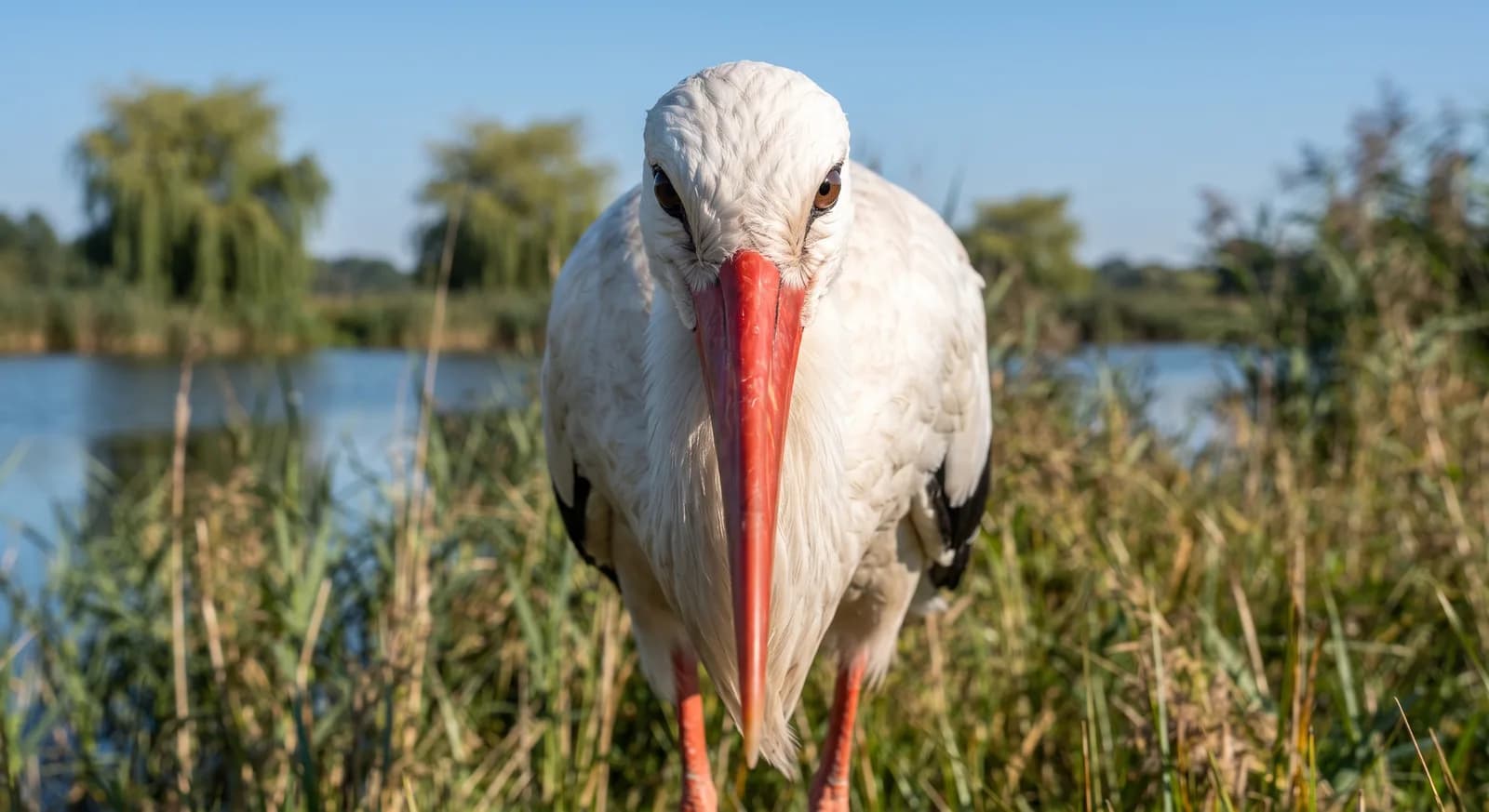
White Stork
Ciconia ciconia
House Sparrow
Passer domesticus
Barn Swallow
Hirundo rustica
 Least Concern
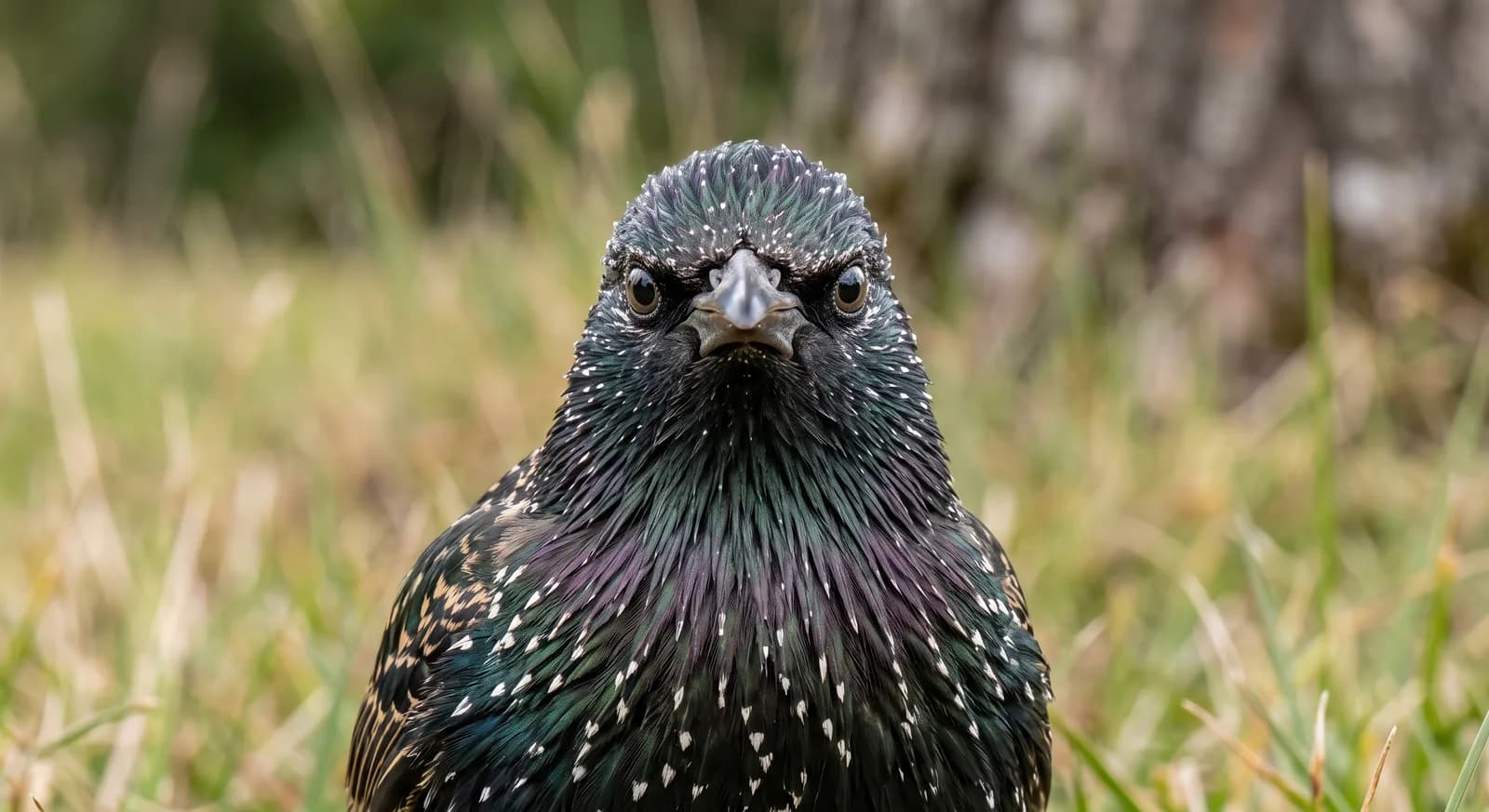
Common Starling
Sturnus vulgaris
Rose-ringed Parakeet
Psittacula krameri
Keep exploring
Based on what we already know about collared pratincole.
Comments
Share an experience, a fun fact or a tip for seeing the collared pratincole.
Be the first to comment.