One of the 11 snails on WAnimals
Gastropods · Stylommatophora · Helicidae
Roman Snail
Helix pomatia
The species is abundant and widely distributed; it faces no significant short-term risk. See full glossary
One of the largest land snails in Europe, with a globose shell of reddish or greyish brown crossed by three to five more intense transverse bands and with a whitish lip. It has four tentacles: the upper two carry the eyes and the lower two serve for touch.
Weight
25 g – 45 g
Size
10 cm on average
Diet
Herbivore
Feeds mainly on plants.
Activity
Nocturnal
Active mainly at night.
Social structure
Solitary
Lives and hunts alone, joining others only to breed.
Sighting difficulty
Easy
Fun facts
- Its radula, the rasping tongue it eats with, has between 20,000 and 40,000 teeth.
- It hibernates buried under moss 15-30 cm down and seals its shell with a porous epiphragm that lets it go on breathing all winter.
- In France it is protected: collecting it is banned during the breeding season, from 1 April to 30 June, and outside that period only individuals over 3 cm may be taken.
Life cycle & biology
- Skeleton type
- Invertebrate - gastropod mollusc
- Habitat & environment
- Limestone ground: fields, woodland, allotments, gardens and above all vineyards, which is where its other name comes from. It prefers places near rivers and reaches around 1,500 m in altitude
- Litter / clutch size
- Clutches of about 80 eggs. It is hermaphrodite but cannot self-fertilise: it needs to mate with another individual
Sources consulted: IUCN Red List (Neubert 2013, e.T156519A4957463); Directiva Hábitats, Anexo V; Wikipedia (Helix pomatia); Aquaportail; curso de helicicultura (fichas técnicas)
Where to find it
See its range on the interactive mapBest time: From April or May to autumn; it feeds mainly between dusk and midnight
Related species
Other species in the catalogue with the most in common with Roman Snail — same habitat, park, country, tags or family.
Common Garden Snail
Cornu aspersum
Lesser Egyptian Jerboa
Jaculus jaculus
 Least Concern
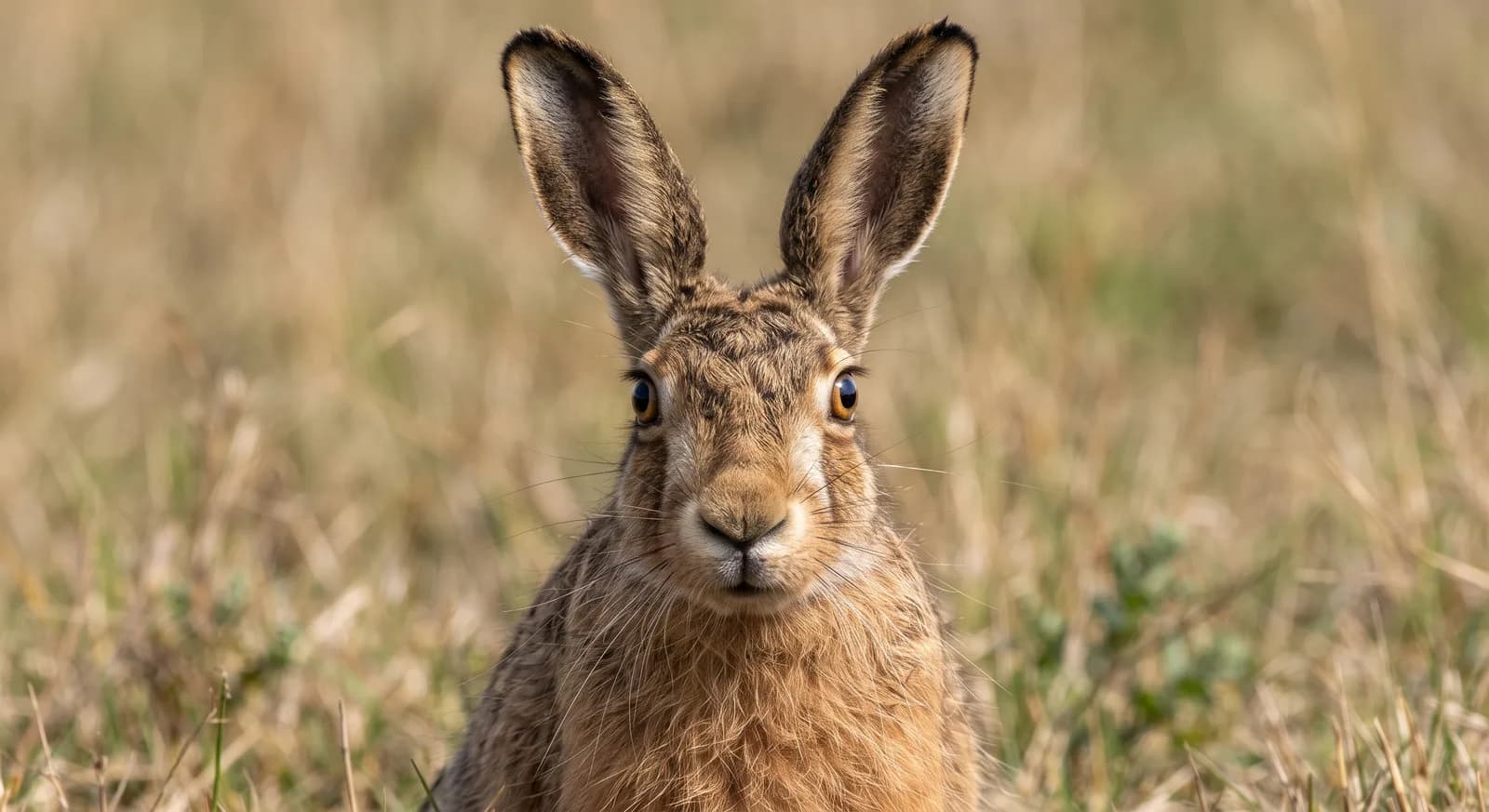
European Hare
Lepus europaeus
Giant African Snail
Lissachatina fulica
 Least Concern
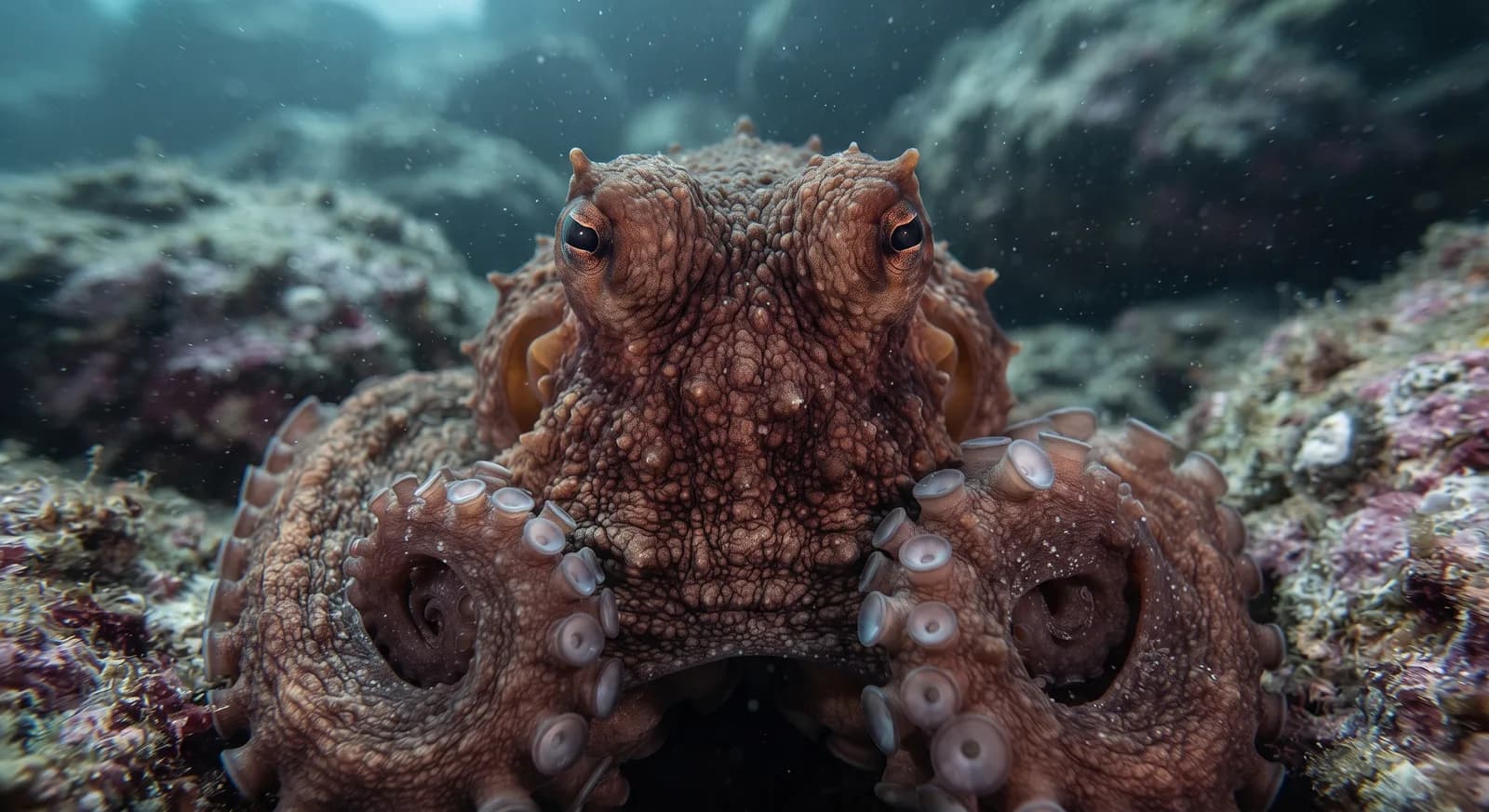
Giant Pacific Octopus
Enteroctopus dofleini
Olive Chiton
Chiton olivaceus
Keep exploring
Based on what we already know about roman snail.
Comments
Share an experience, a fun fact or a tip for seeing the roman snail.
Be the first to comment.