One of the 11 snails on WAnimals
Gastropods · Stylommatophora · Helicidae
Common Garden Snail
Cornu aspersum
It has not yet been assessed against the IUCN criteria. See full glossary
A land mollusc with a globose brown shell marked with darker bands, of four or five whorls and a surface of fine wrinkles and ridges. On its head it carries two long tentacles with the eyes at the tips and two short ones that serve for touch.
Size
5 cm – 10 cm
Lifespan
5 years
Diet
Herbivore
Feeds mainly on plants.
Activity
Nocturnal
Active mainly at night.
Social structure
Solitary
Lives and hunts alone, joining others only to breed.
Sighting difficulty
Unknown
Fun facts
- It is a simultaneous hermaphrodite but cross-fertilising: each individual has both sets of reproductive organs and still needs another snail in order to breed.
- In drought it withdraws into its shell and seals the opening with a plug of hardened mucus called an epiphragm.
- It is the mainstay of Mediterranean snail farming, but it also appears on the official pest lists of Canada and the United States.
- It is the garden snail everyone knows, and also the most widely eaten edible snail in Spain: most of the country's snail tapas are of this species.
- It is a hermaphrodite, and its courtship includes a remarkable trait: before copulating, each individual shoots a calcareous dart into the other, the so-called love dart, coated in a secretion that raises the odds that its sperm will be the one to fertilise the eggs. It is a form of sperm competition.
- It seals its shell with a partition of hardened mucus, the epiphragm, to pass the winter or dry spells in dormancy, sometimes for months.
- Its slime is exploited commercially in cosmetics for its content of allantoin, collagen and glycolic acid.
- It has spread around the world with the plant trade and with farming for consumption, and in California, Australia and South Africa it behaves as an agricultural pest.
- Its scientific name has changed: for decades it was Helix aspersa.
Life cycle & biology
- Skeleton type
- Invertebrate - external calcareous shell coiled in a spiral (gastropod mollusc)
- Habitat & environment
- Gardens, allotments, woodland, grassland and dunes of the Mediterranean basin and western Europe. It is an anthropophilic species, abundant around houses and in farmed areas
- Size at birth
- The eggs are spherical and pearly white, about 3-4 mm across
- Sexual maturity
- Between the first and the second year of life
- Gestation / incubation
- 10-25 days of incubation underground
- Litter / clutch size
- 50-120 eggs per clutch, buried 3 or 4 cm deep, with up to six clutches a year
- Lifespan in captivity
- Individuals reaching 15 years under controlled conditions have been documented
Sources consulted: Museo de La Plata (ficha Cornu aspersum, 2024); CONABIO 2017, Evaluación rápida de invasividad; Guiller y Madec 2010; Asturnatura; Wikipedia (Cornu aspersum)
Where to find it
See its range on the interactive mapBest time: All year round, though it is seen mainly after rain and at nightfall; in dry summers and cold winters it goes dormant
Related species
Other species in the catalogue with the most in common with Common Garden Snail — same habitat, park, country, tags or family.
Roman Snail
Helix pomatia
 Least Concern
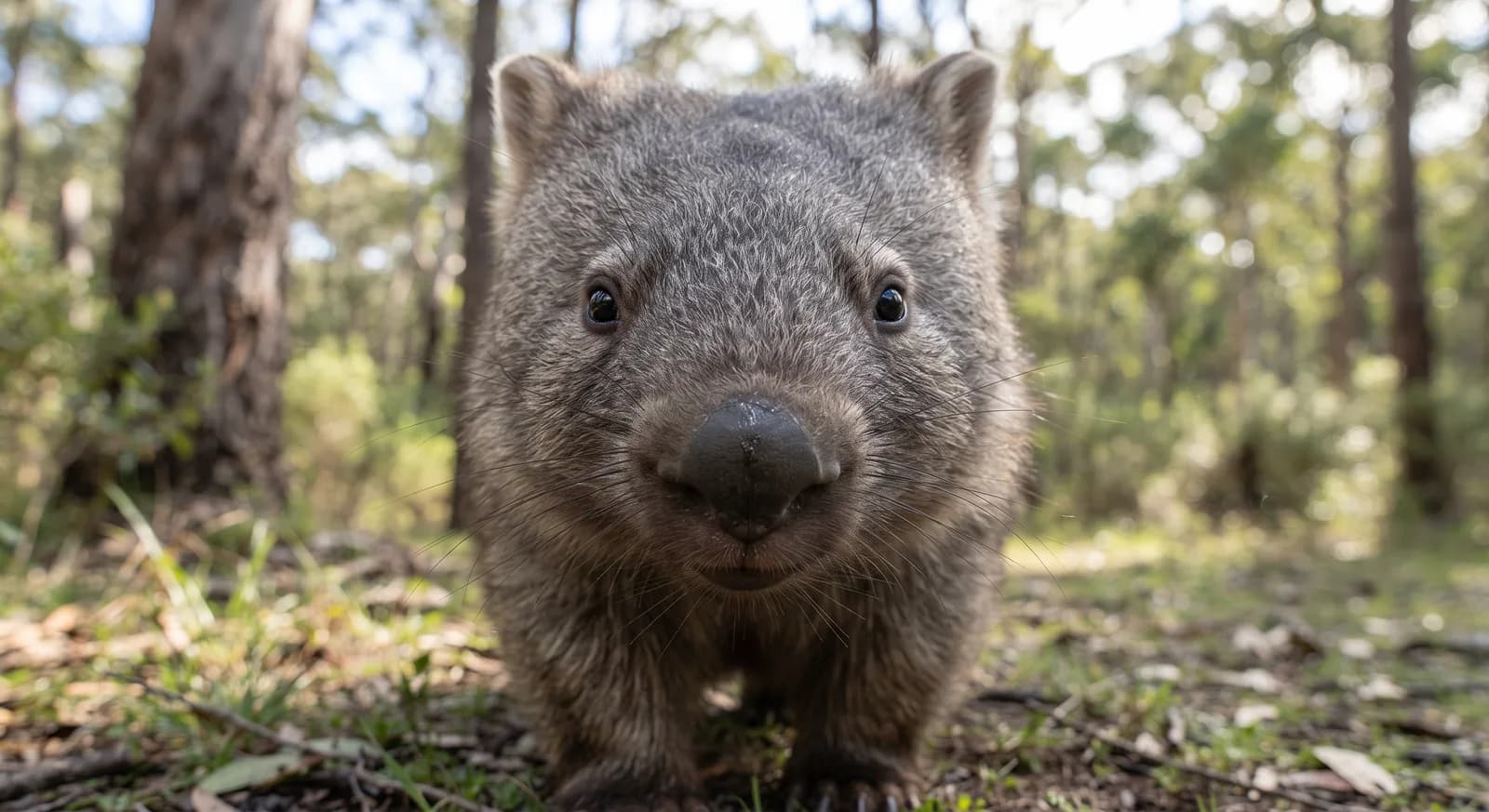
Bare-nosed Wombat
Vombatus ursinus
Ord's Kangaroo Rat
Dipodomys ordii
 Least Concern
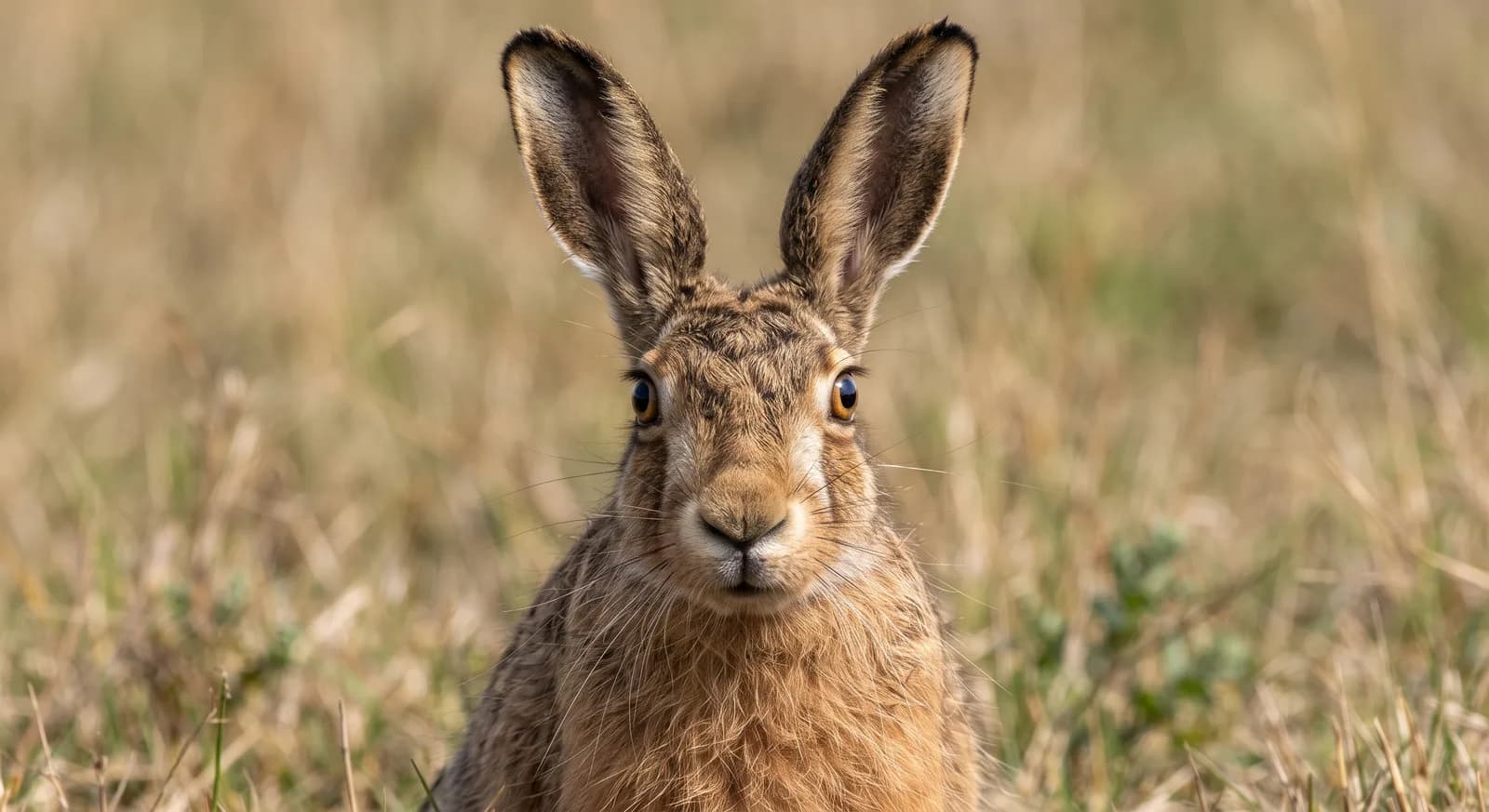
European Hare
Lepus europaeus
Silkworm
Bombyx mori
Keep exploring
Based on what we already know about common garden snail.
Comments
Share an experience, a fun fact or a tip for seeing the common garden snail.
Be the first to comment.