One of the 3 ticks on WAnimals
Arachnids · Ixodida · Ixodidae
Castor Bean Tick
Ixodes ricinus
It has not yet been assessed against the IUCN criteria. See full glossary
A hard-bodied mite without eyes or ornamentation and without festoons along the rear margin. Males carry a solid dorsal shield covering the whole abdomen; in females and nymphs it covers only the front part, leaving the rest flexible so that it can swell with blood. The palps are longer than they are wide.
Size
0.3 cm – 0.4 cm
Lifespan
3 years
Diet
Carnivore
Feeds mainly on other animals.
Activity
Diurnal
Active mainly during the day.
Social structure
Solitary
Lives and hunts alone, joining others only to breed.
Sighting difficulty
Unknown
Fun facts
- It has a cycle involving three different hosts that takes two to three years to complete, and can stretch to six in extreme cases.
- As many as 160 vertebrate species have been documented as its hosts: larvae and nymphs feed on rodents, birds and lizards, and the adults on large mammals.
- The nymph, barely 1-2 mm across, is the main transmitter of Lyme borreliosis to people precisely because it goes unnoticed; it needs more than 24 hours of contact to pass the infection on.
- It is the main vector of Lyme disease in Europe, caused by bacteria of the Borrelia burgdorferi complex, and it also transmits tick-borne encephalitis and several babesioses and anaplasmoses.
- It hunts by waiting: it climbs the vegetation, stretches out its first pair of legs and waits motionless, sometimes for weeks, until an animal brushes the grass. That posture is called questing.
- It locates its host by carbon dioxide, heat, humidity and vibrations, using a sensory organ on its front legs called Haller's organ.
- Its saliva is a pharmacological cocktail: it contains anaesthetics, anticoagulants, vasodilators and immunosuppressants, which is why its bite goes unnoticed and it can feed for days.
- The risk of Borrelia transmission grows with attachment time: removing the tick within the first 24 hours greatly reduces the chance of infection, which is why checking yourself after a walk in the countryside is the most effective preventive measure.
- It should be removed by pulling perpendicular to the skin with fine tweezers and without twisting it — no oil, alcohol or heat, which make it regurgitate and increase the risk.
- Its life cycle lasts up to three years and passes through three different hosts, normally a rodent, a bird or lizard, and a large mammal.
Life cycle & biology
- Skeleton type
- Invertebrate - chitin exoskeleton (arachnid)
- Habitat & environment
- Damp, cool country with shrubs and trees, heathland, gardens, floodplains and woodland. In Spain its main stronghold is the north of the peninsula: Galicia, Asturias, Cantabria and the Basque Country. Absent from much of the Mediterranean region, where the dry summers rule it out
Sources consulted: Estrada-Peña et al. 2017, Ticks of Europe and North Africa (Springer); Otranto, Dantas-Torres y Santos-Silva 2017; IREC-CSIC (Peralbo Moreno et al.); Boletín Epidemiológico Semanal del Centro Nacional de Epidemiología (ISCIII); Díaz et al. 2017, Parasites & Vectors 10; Manual Veterinario MSD
Where to find it
See its range on the interactive mapBest time: From March to October, peaking in April-June with a second rise in September-October
Related species
Other species in the catalogue with the most in common with Castor Bean Tick — same habitat, park, country, tags or family.
Kennel Tick
Rhipicephalus sanguineus
 Least Concern
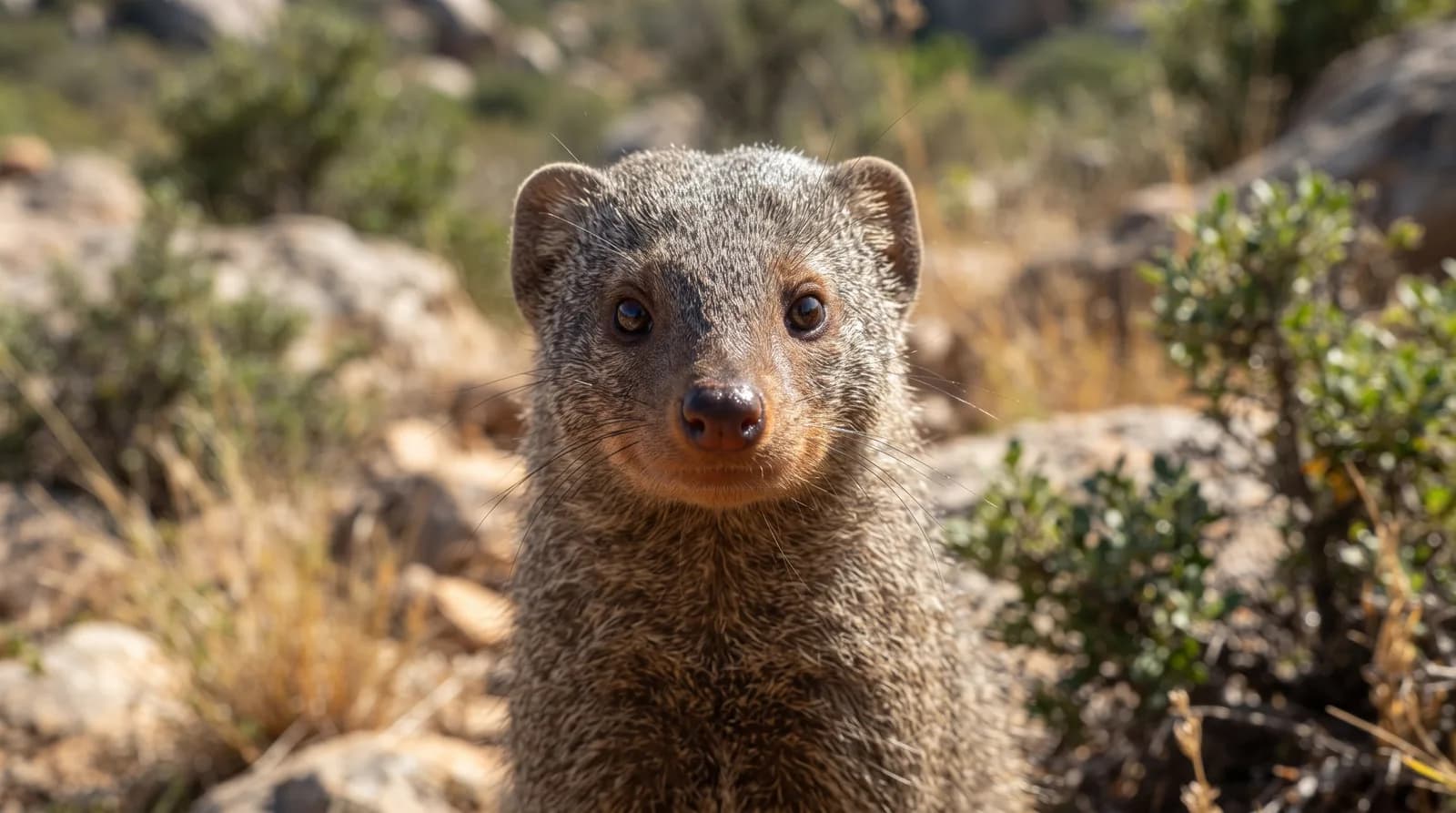
Egyptian Mongoose
Herpestes ichneumon
Common Buzzard
Buteo buteo
Eurasian Sparrowhawk
Accipiter nisus
European Roller
Coracias garrulus
 Least Concern
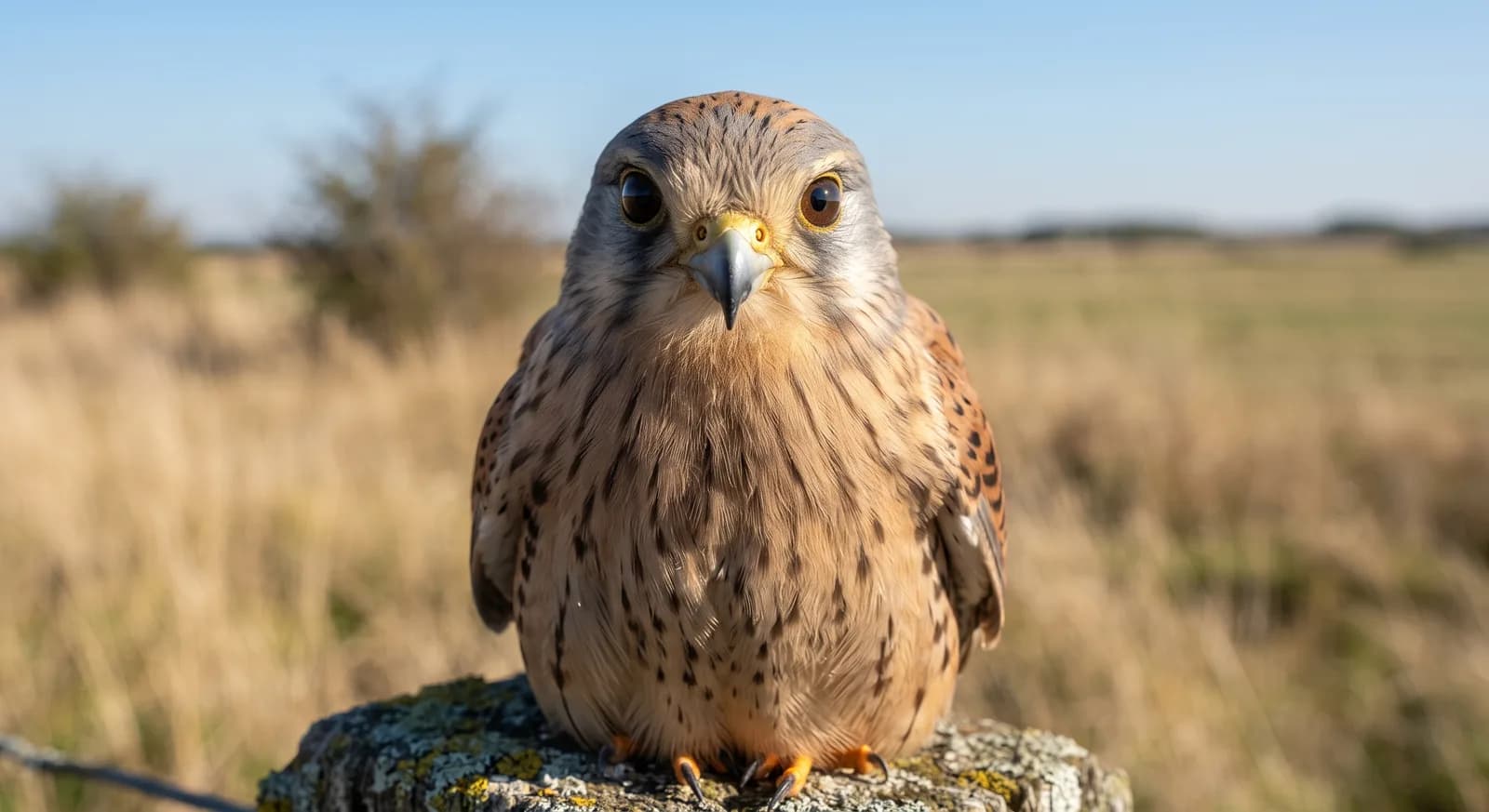
Common Kestrel
Falco tinnunculus
Keep exploring
Based on what we already know about castor bean tick.
Comments
Share an experience, a fun fact or a tip for seeing the castor bean tick.
Be the first to comment.