One of the 3 fireflies on WAnimals
Insects · Coleoptera · Lampyridae
Glow-worm
Lampyris noctiluca
It has not yet been assessed against the IUCN criteria. See full glossary
It is the only insect known in which sex determination is influenced by hormones: transplanting testes into female larvae masculinises them completely.
Size
1.5 cm – 2.5 cm
Lifespan
3 years
Diet
Carnivore
Feeds mainly on other animals.
Activity
Nocturnal
Active mainly at night.
Social structure
Solitary
Lives and hunts alone, joining others only to breed.
Sighting difficulty
Unknown
Fun facts
- The larva feeds on small snails and slugs, paralysed and consumed by external digestion.
- It is declining through light pollution, which drowns out the glow it uses to attract a mate.
- The adults have no working mouthparts and do not feed at all, living off the reserves built up during their long larval stage.
- It is not a worm: it is a beetle. The adult female is wingless and keeps a larva-like appearance, hence the name.
- The dimorphism is total: the female measures up to 25 mm and does not fly, while the male is smaller, winged and huge-eyed. She glows; he searches.
- The light is yellowish green, at about 546 nanometres, and comes from the last segments of the abdomen. The female climbs a stem and glows continuously until a male finds her.
- Light pollution is sinking it, and the mechanism has been measured. A Belgian study followed females night after night: those in darkness stopped glowing after a single night, a sign they had mated, while those exposed to streetlights kept glowing for up to fifteen nights in a row without success.
- And they do not know how to dodge it: exposed to a gradient of artificial light they do not move away from the lamp, but delay or suppress their glow instead, a counterproductive response. Moving just a few metres would greatly improve their success.
- The larva is a specialised predator of snails: it bites them and injects digestive enzymes to liquefy them, and it takes two years to develop.
- The glow is also a warning: the beetle contains foul-tasting steroids, and birds that try them vomit them up.
Life cycle & biology
- Skeleton type
- Invertebrate - chitin exoskeleton (insect)
- Habitat & environment
- Chalk grassland, hedgerows, woodland edges and rural areas free of light pollution across Europe
- Birth weight
- Larva 3 mm long on hatching
- Size at birth
- A larva 3 mm long on hatching, with the characteristic pale markings
- Sexual maturity
- After 2-3 years of larval development, followed by pupation
- Gestation / incubation
- 10-15 days of pupation after 2-3 years as a larva
- Litter / clutch size
- Up to 100 eggs per female
Sources consulted: Buglife; Animal Diversity Web; Freedawn (Scientia); British Wildlife Wiki; Wildlife Trusts; First Nature; Woodland Trust; Scottish Glow-worms; Grokipedia (Lampyris noctiluca); PMC (road mortality dispersal study)
Where to find it
See its range on the interactive mapWhere to watch it
Parques y spots de buceo donde se ha documentado esta especie — se muestran 10 de 139 documentados.
Related species
Other species in the catalogue with the most in common with Glow-worm — same habitat, park, country, tags or family.
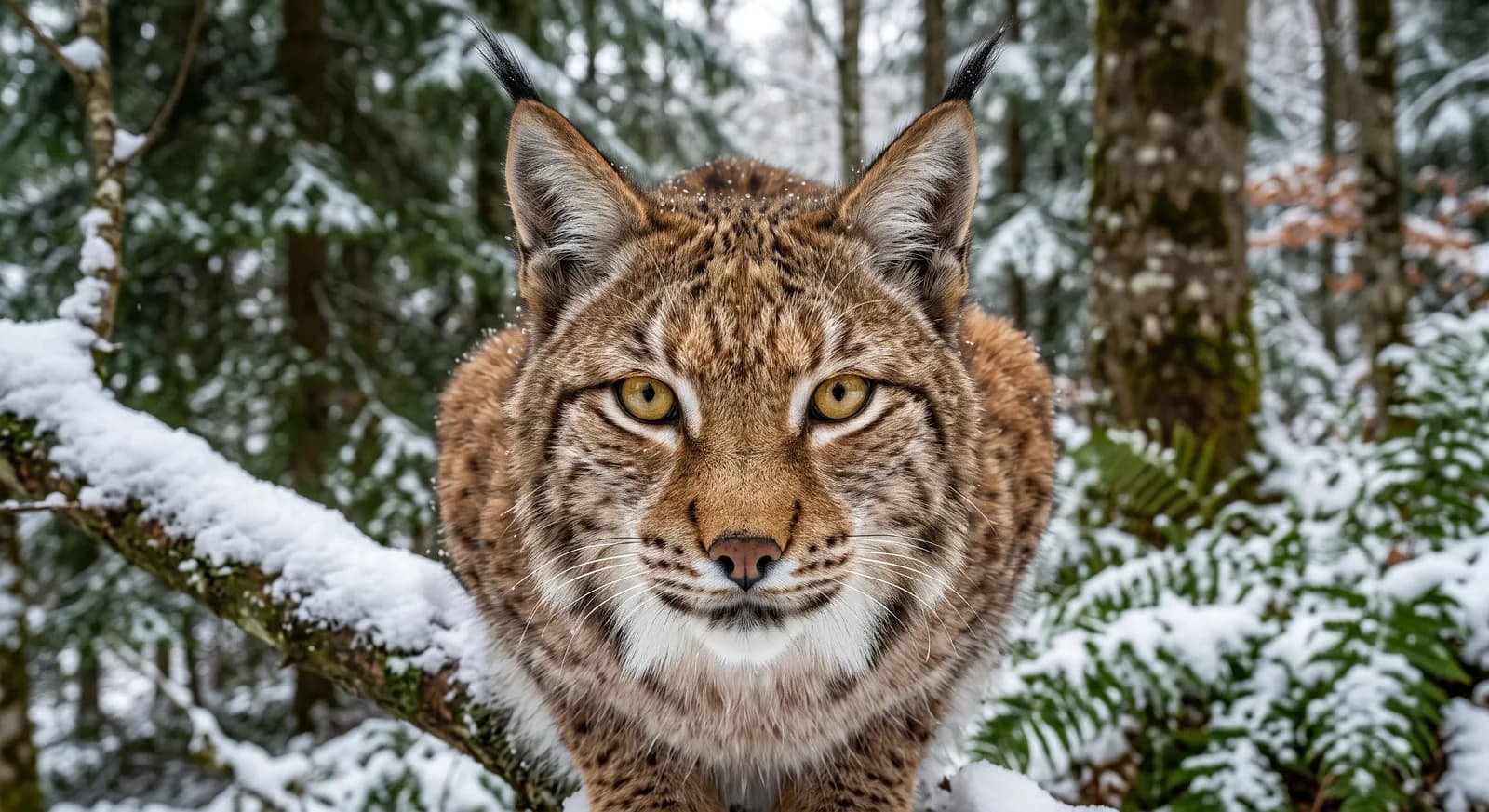 Least Concern
Eurasian Lynx
Lynx lynx
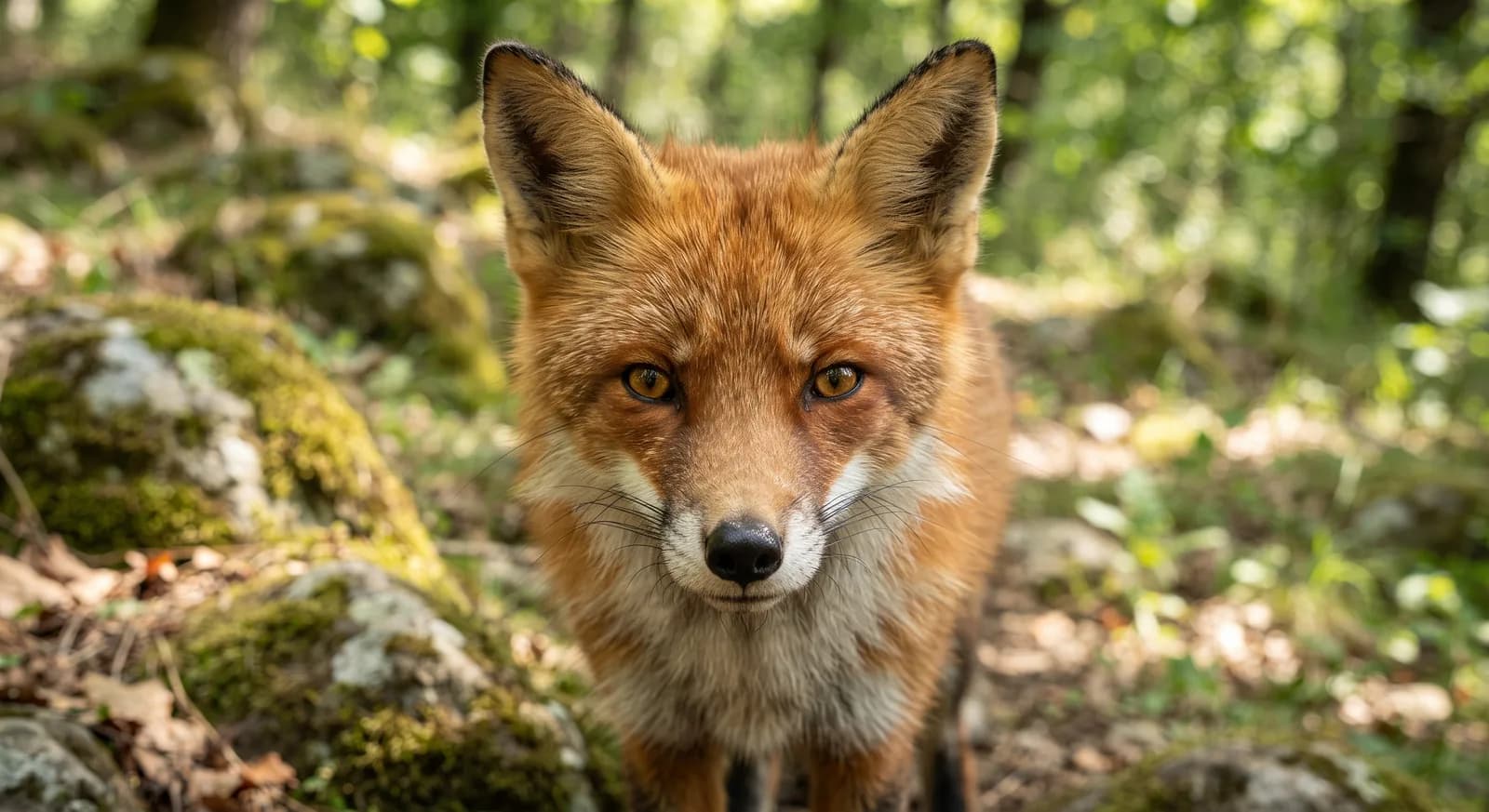 Least Concern
Red Fox
Vulpes vulpes
Least Weasel
Mustela nivalis
Common Buzzard
Buteo buteo
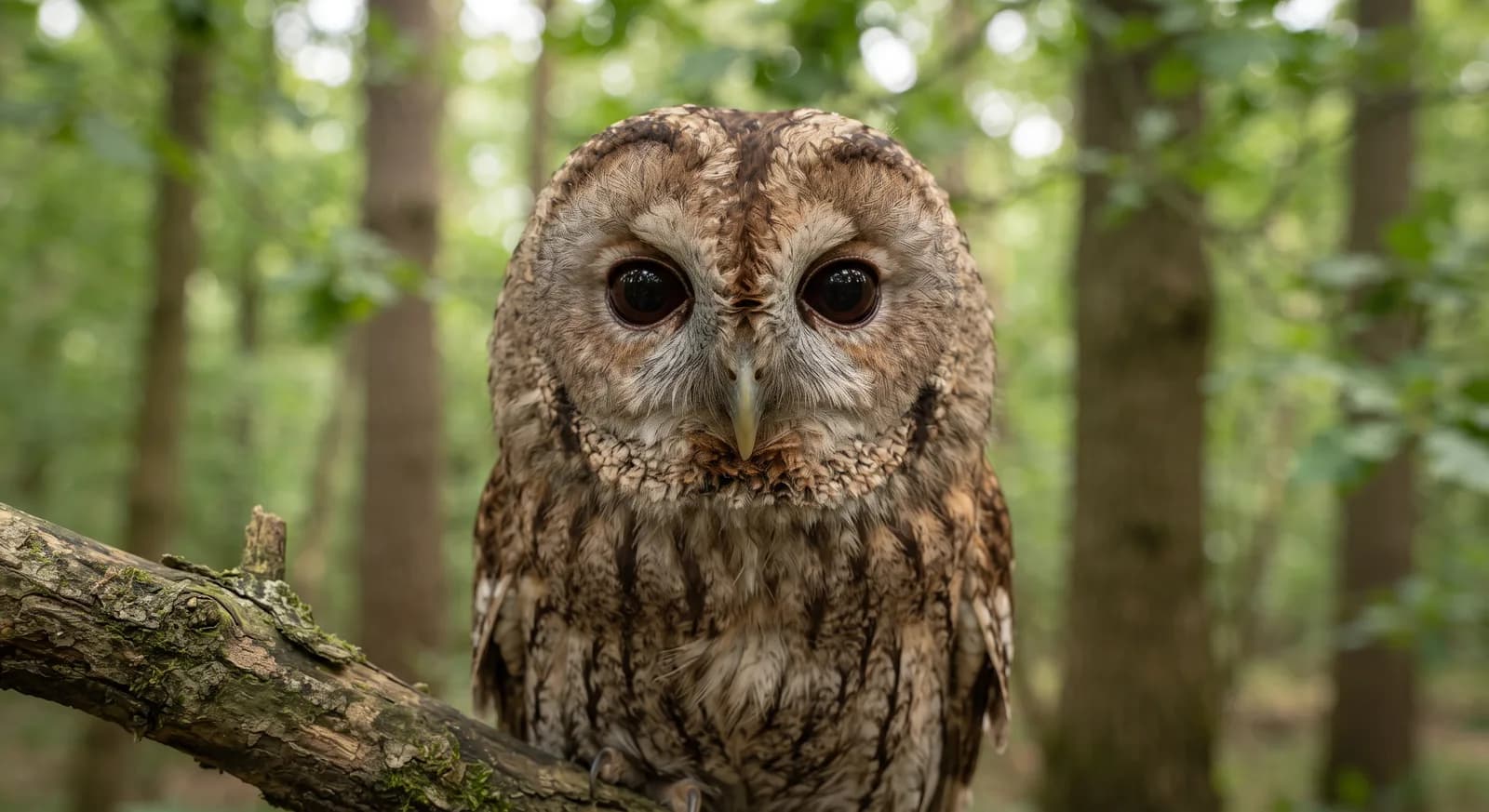 Least Concern
Tawny Owl
Strix aluco
Long-eared Owl
Asio otus
Keep exploring
Based on what we already know about glow-worm.
Comments
Share an experience, a fun fact or a tip for seeing the glow-worm.
Be the first to comment.