Insects · Lepidoptera · Crambidae
European Corn-borer
Ostrinia nubilalis
It has not yet been assessed against the IUCN criteria. See full glossary
The European corn borer is a pest of cereals, especially maize. It is native to Europe, where it originally infested varieties of millet. In North America it was first detected in 1917.
Size
up to 3.4 cm
Diet
Herbivore
Feeds mainly on plants.
Activity
Nocturnal
Active mainly at night.
Social structure
Solitary
Lives and hunts alone, joining others only to breed.
Sighting difficulty
Unknown
Fun facts
- It is the pest the first Bt transgenic maize was designed against, producing a bacterial insecticidal protein; its widespread planting in North America has cut populations so far that growers of conventional maize benefit too.
- There are two races that use different pheromone blends and do not recognise one another, a much-studied case of speciation under way within a single species.
- The larva overwinters inside the stems and crop residues, so shredding and ploughing in the stubble is a basic control measure.
- It is the costliest maize pest of the temperate world: the caterpillar bores through the stalk from within, weakening it until it snaps, and it also attacks the cob.
- It reached the United States around 1917, probably in millet brooms imported from Europe, and within a few decades it had colonised the entire Corn Belt.
- It is the main reason Bt maize exists: the transgenic varieties that produce the Bacillus thuringiensis toxin were developed above all against this species.
- And the result has been measured: a 2010 study calculated that Bt maize in the United States had generated some 6.9 billion dollars in accumulated benefit over fourteen years, and that most of it went to growers of conventional maize, because the reduction of the pest across the landscape benefited them too.
- What is known as Ostrinia nubilalis is in fact two races separated by the sex pheromone they use, which scarcely interbreed.
Life cycle & biology
- Skeleton type
- Invertebrate - chitin exoskeleton (insect)
- Habitat & environment
- Crops of maize, pepper and other thick-stemmed herbaceous plants
Sources consulted: https://es.wikipedia.org/wiki/Ostrinia_nubilalis
Where to find it
See its range on the interactive mapRelated species
Other species in the catalogue with the most in common with European Corn-borer — same habitat, park, country, tags or family.
Ord's Kangaroo Rat
Dipodomys ordii
 Least Concern
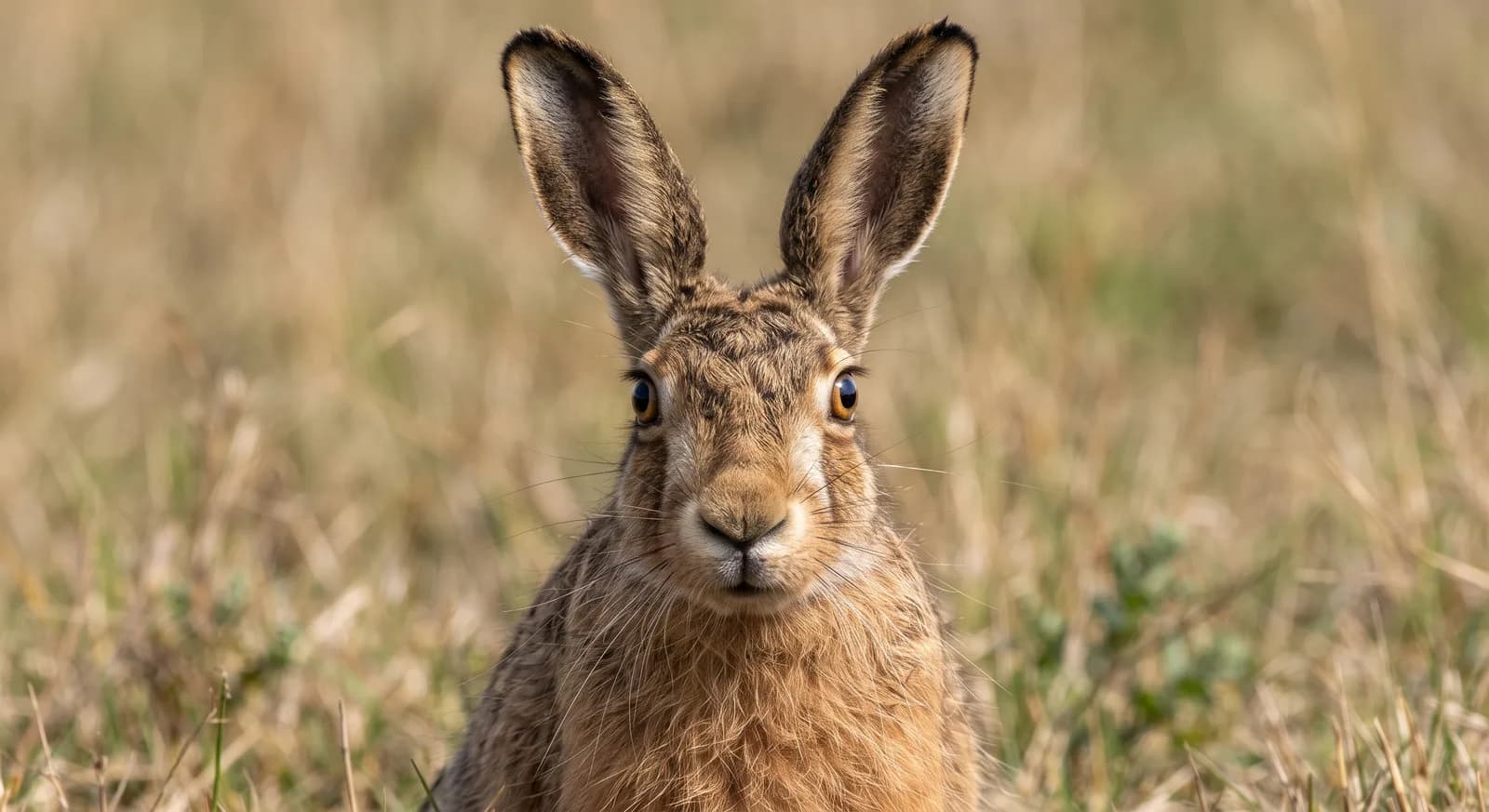
European Hare
Lepus europaeus
Common Cockchafer
Melolontha melolontha
Swallowtail
Papilio machaon
Silkworm
Bombyx mori
Great Green Bush Cricket
Tettigonia viridissima
Keep exploring
Based on what we already know about european corn-borer.
Comments
Share an experience, a fun fact or a tip for seeing the european corn-borer.
Be the first to comment.