One of the 13 ants on WAnimals
Insects · Neuroptera · Myrmeleontidae
Ant-lion
Myrmeleon formicarius
It has not yet been assessed against the IUCN criteria. See full glossary
The common antlion is an antlion of the order Neuroptera. It is distributed across Europe and northern Asia. The name antlion, given to the members of this family, comes from the fact that in the larval stage their main prey is ants that fall into the pits they build in sandy soil; and, given their appetite, their voracity is popularly likened to a lion's.
Size
3 cm – 4 cm
Diet
Carnivore
Feeds mainly on other animals.
Activity
Nocturnal
Active mainly at night.
Social structure
Solitary
Lives and hunts alone, joining others only to breed.
Sighting difficulty
Unknown
Fun facts
- If the prey tries to escape up the wall of the pit, the larva flicks grains of sand at it with its head to set off small landslides and bring it down.
- The larva has no functional anus: it stores all its waste through the years its development lasts and does not void it until it becomes an adult.
- Its jaws are hollow: it injects digestive enzymes and sucks out the liquefied tissues of the prey, then flings the empty husk out of the pit.
- Its larva builds a trap: a conical funnel in fine sand, dug in an inward spiral, with its walls at the substrate's exact angle of repose, so that any ant stepping on the rim triggers a slide and slips down to the bottom.
- And if the prey tries to escape, the larva flicks sand grains at it with its head to trigger further slides.
- Buried at the apex, only its jaws show: hollow and pincer-shaped, with which it injects enzymes and sucks up the prey's liquefied contents.
- The larva has no functional anus. Its gut is closed and accumulates all its waste throughout the larval stage, which can last two or three years; it expels it all at once on emerging as an adult.
- The adult is completely different: it looks like a fragile, clumsily flying dragonfly, lives only a few weeks and is rarely seen.
- The shape of the funnel depends on hunger: the worst-fed larvae build the largest traps.
- The technique has been known since antiquity and is already described in the Physiologus, a bestiary of the 2nd century.
Life cycle & biology
- Skeleton type
- Invertebrate - chitin exoskeleton (insect)
- Habitat & environment
- Dry sandy ground sheltered from the rain: eaves, caves and pine woods
Sources consulted: https://es.wikipedia.org/wiki/Myrmeleon_formicarius
Where to find it
See its range on the interactive mapWhere to watch it
Parques y spots de buceo donde se ha documentado esta especie — se muestran 10 de 119 documentados.
Related species
Other species in the catalogue with the most in common with Ant-lion — same habitat, park, country, tags or family.
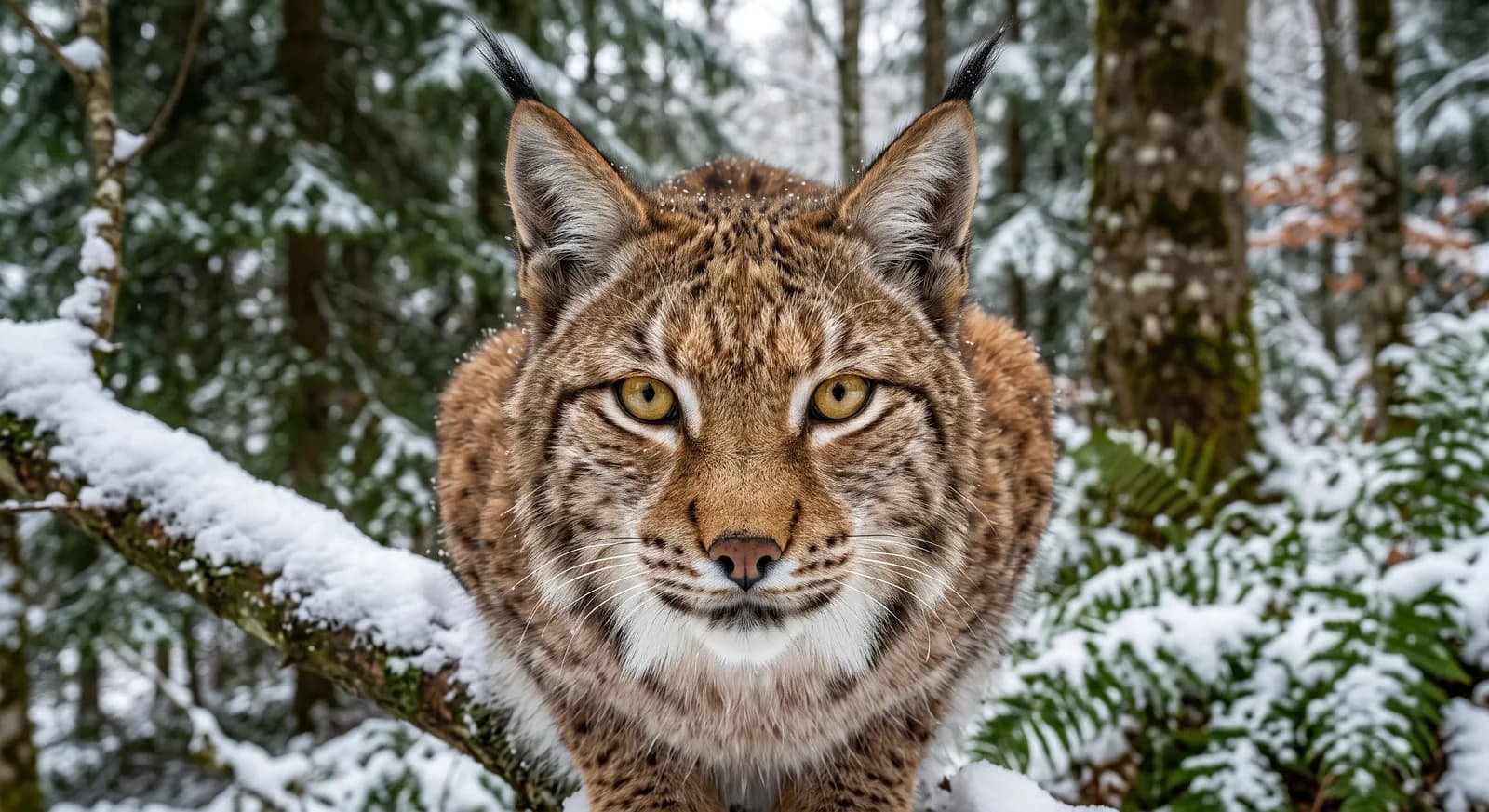 Least Concern
Eurasian Lynx
Lynx lynx
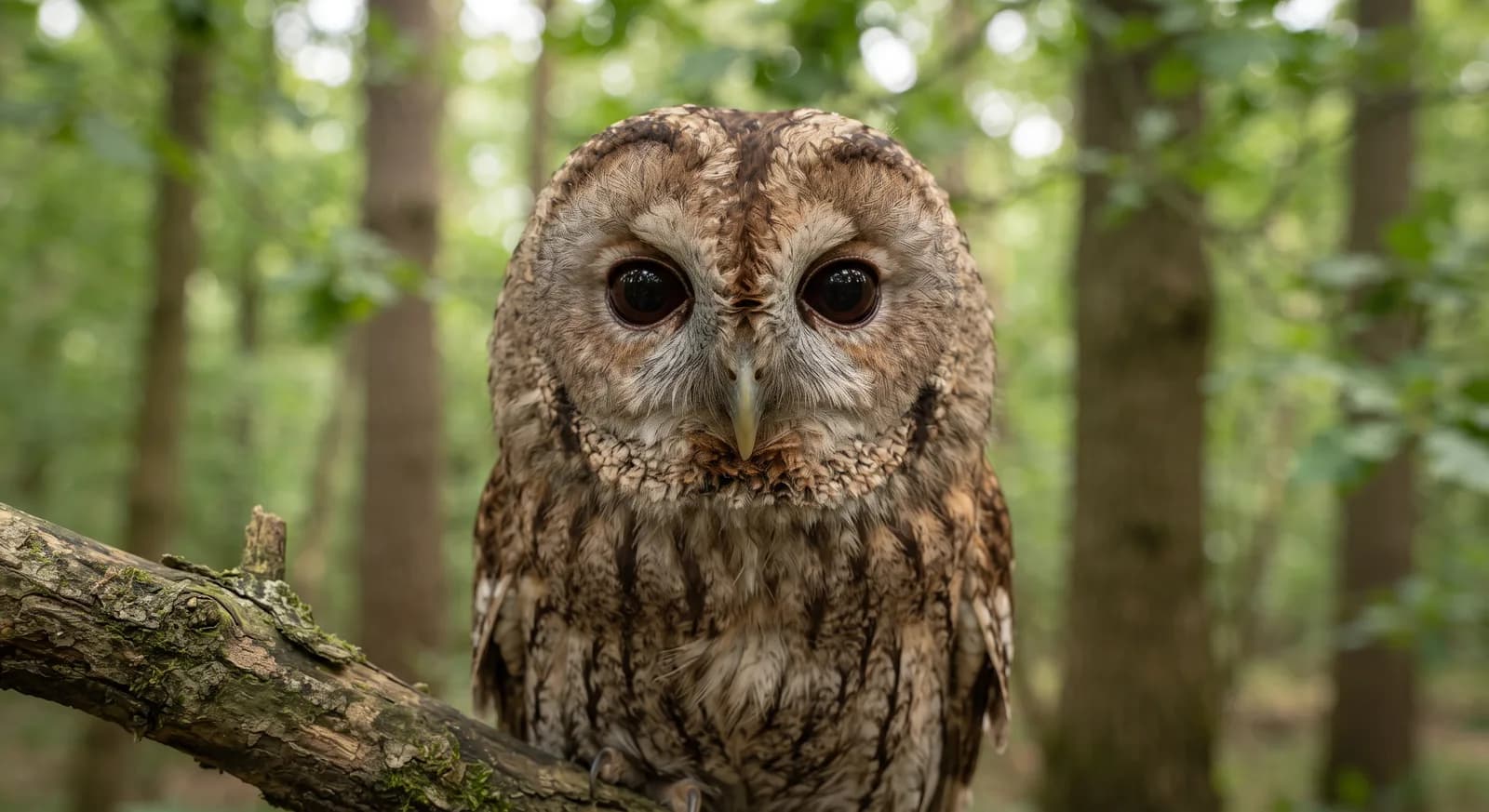 Least Concern
Tawny Owl
Strix aluco
Long-eared Owl
Asio otus
Common Toad
Bufo bufo
Common Tree Frog
Hyla arborea
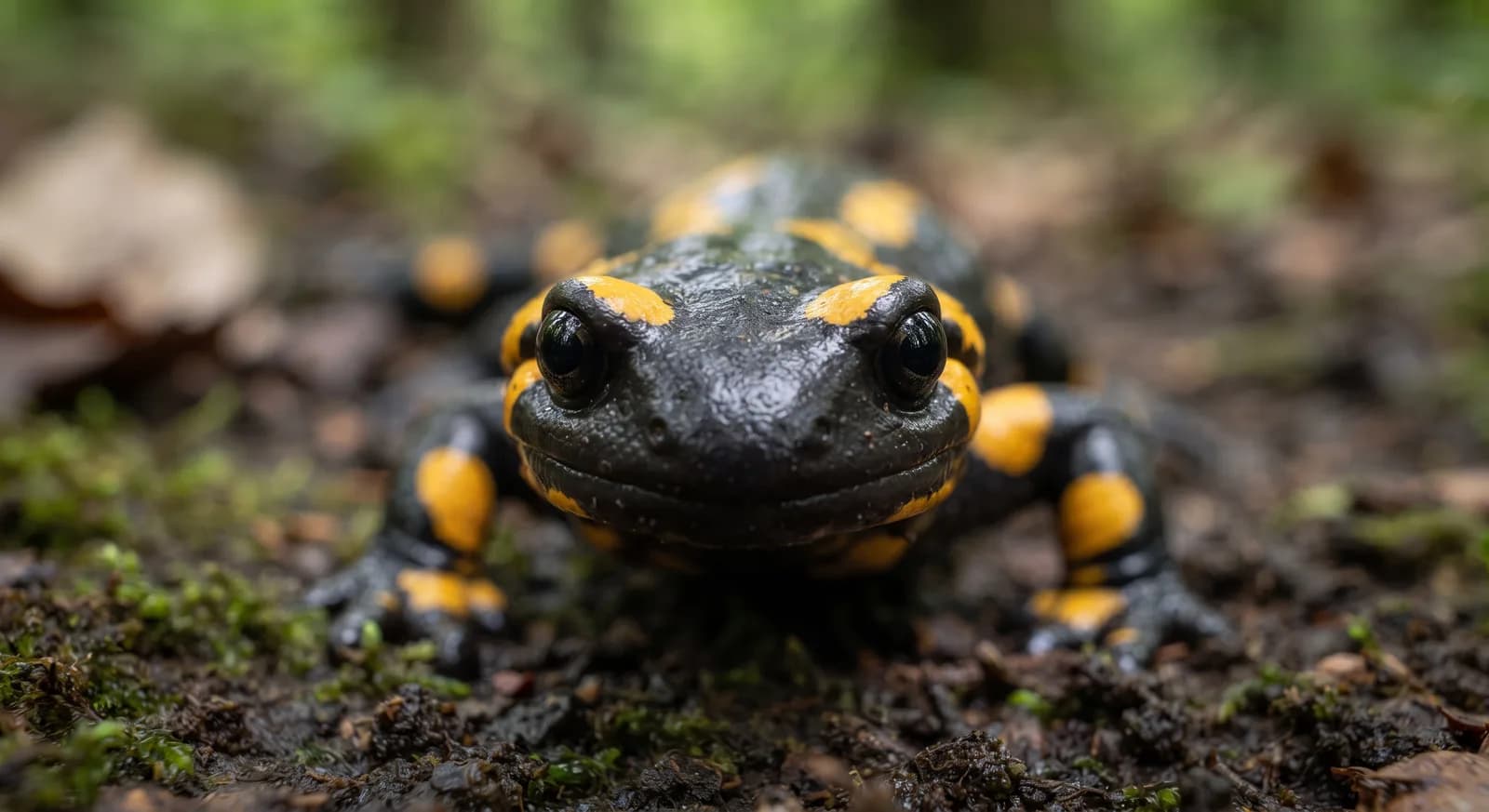 Least Concern
Fire Salamander
Salamandra salamandra
Keep exploring
Based on what we already know about ant-lion.
Comments
Share an experience, a fun fact or a tip for seeing the ant-lion.
Be the first to comment.