Skip to content
WAnimals
  • Map
  • Species
  • Parks
  • Diving
Log inCreate account
WAnimals

The guide for travellers and animal lovers: discover, plan and share your wild adventures around the world.

Discover wildlife

  • Species
  • Ecosystems
  • Glossary
  • Tags

Explore places

  • Map
  • Countries
  • Parks
  • Diving

Plan experiences

  • Guides

Learn

  • Blog

Resources

  • Help centre
  • Contact
  • Install the app

Follow us

Account

  • Log in
  • Create account

© 2026 WAnimals. All rights reserved.

About usHow we build our profilesTerms of servicePrivacyLegal notice
MapSpeciesParksDiving
  1. Home
  2. Species
  3. African Malaria Mosquito

One of the 5 mosquitoes on WAnimals
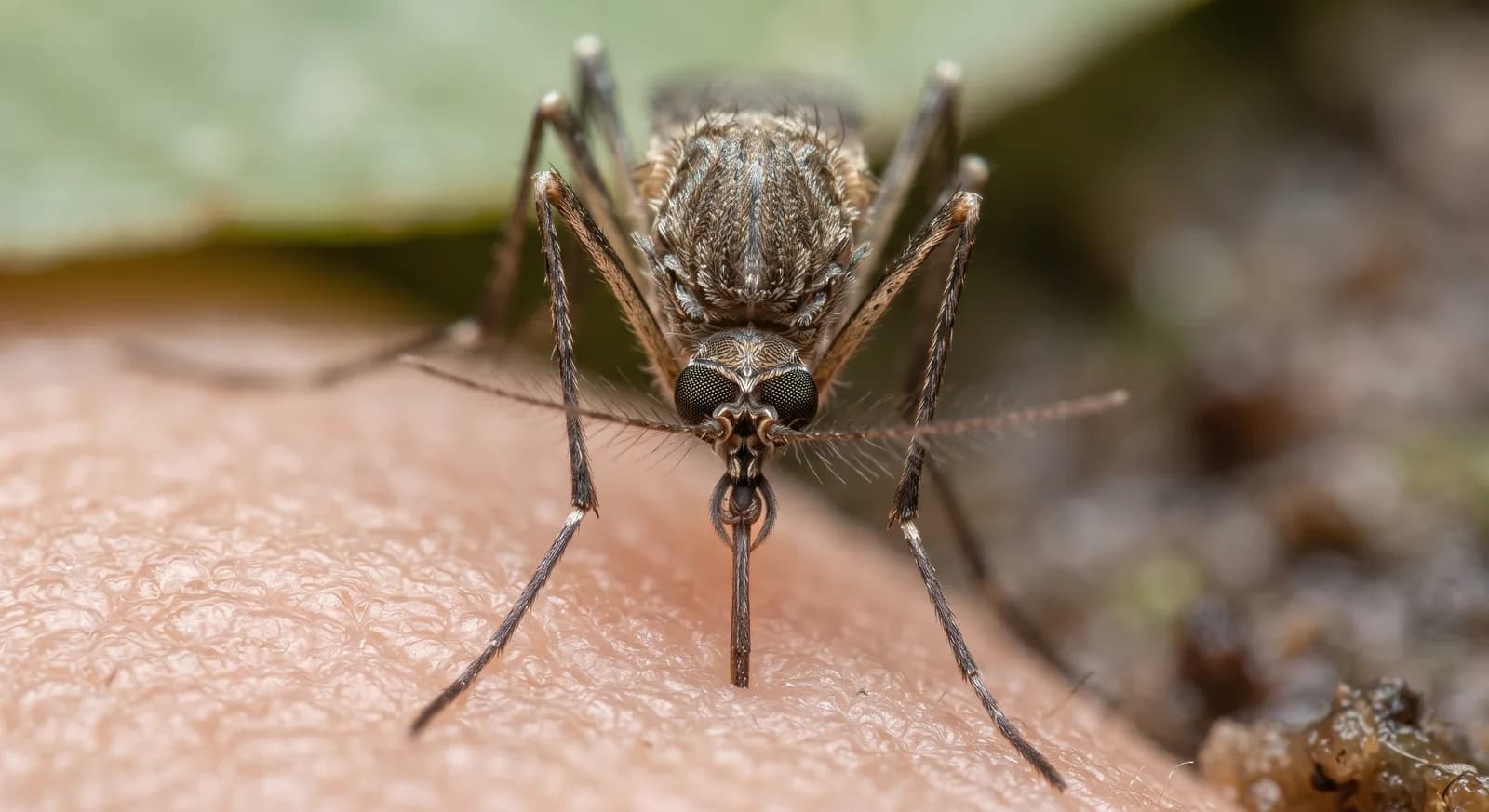
African Malaria Mosquito (Anopheles gambiae)

Insects · Diptera · Culicidae

African Malaria Mosquito

Anopheles gambiae

Not Evaluated

It has not yet been assessed against the IUCN criteria.

Spotted something wrong?

The Anopheles gambiae complex is a species complex comprising 6 species of culicid mosquito, morphologically indistinguishable and belonging to the genus Anopheles, which includes the most important malaria vectors in sub-Saharan Africa and the most efficient malaria vectors in the world. This species complex consists of: Anopheles arabiensis, Anopheles bwambae, Anopheles merus, Anopheles melas, Anopheles quadriannulatus and Anopheles gambiae sensu stricto.

Size

0.4 cm – 0.6 cm

Life expectancy

1 year

Diet

Carnivore

Feeds mainly on other animals.
Activity

Nocturnal

Active mainly at night.

Social structure

Solitary

Lives and hunts alone, joining others only to breed.

Sighting difficulty

Unknown

Savanna
43countries3same family

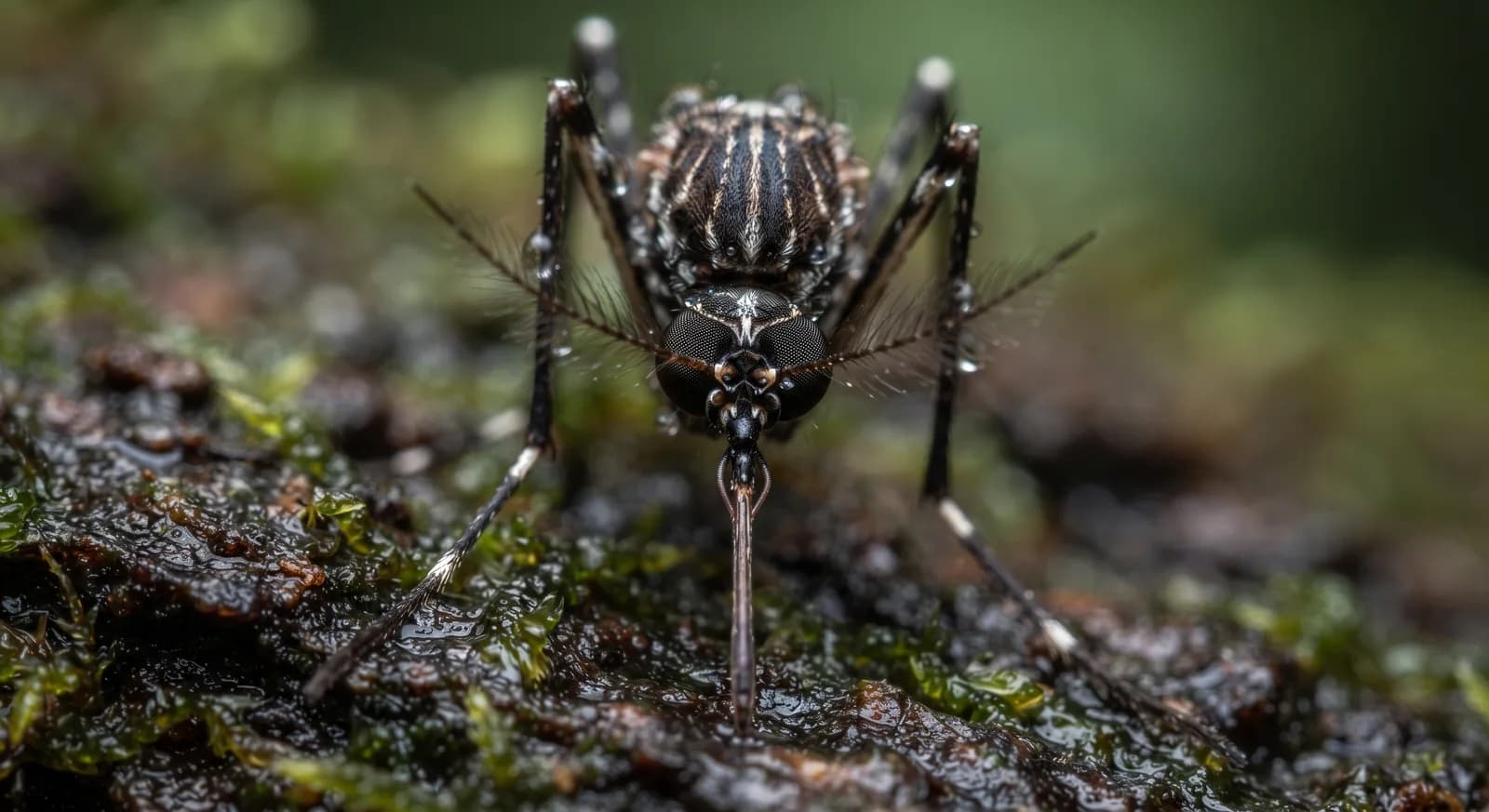
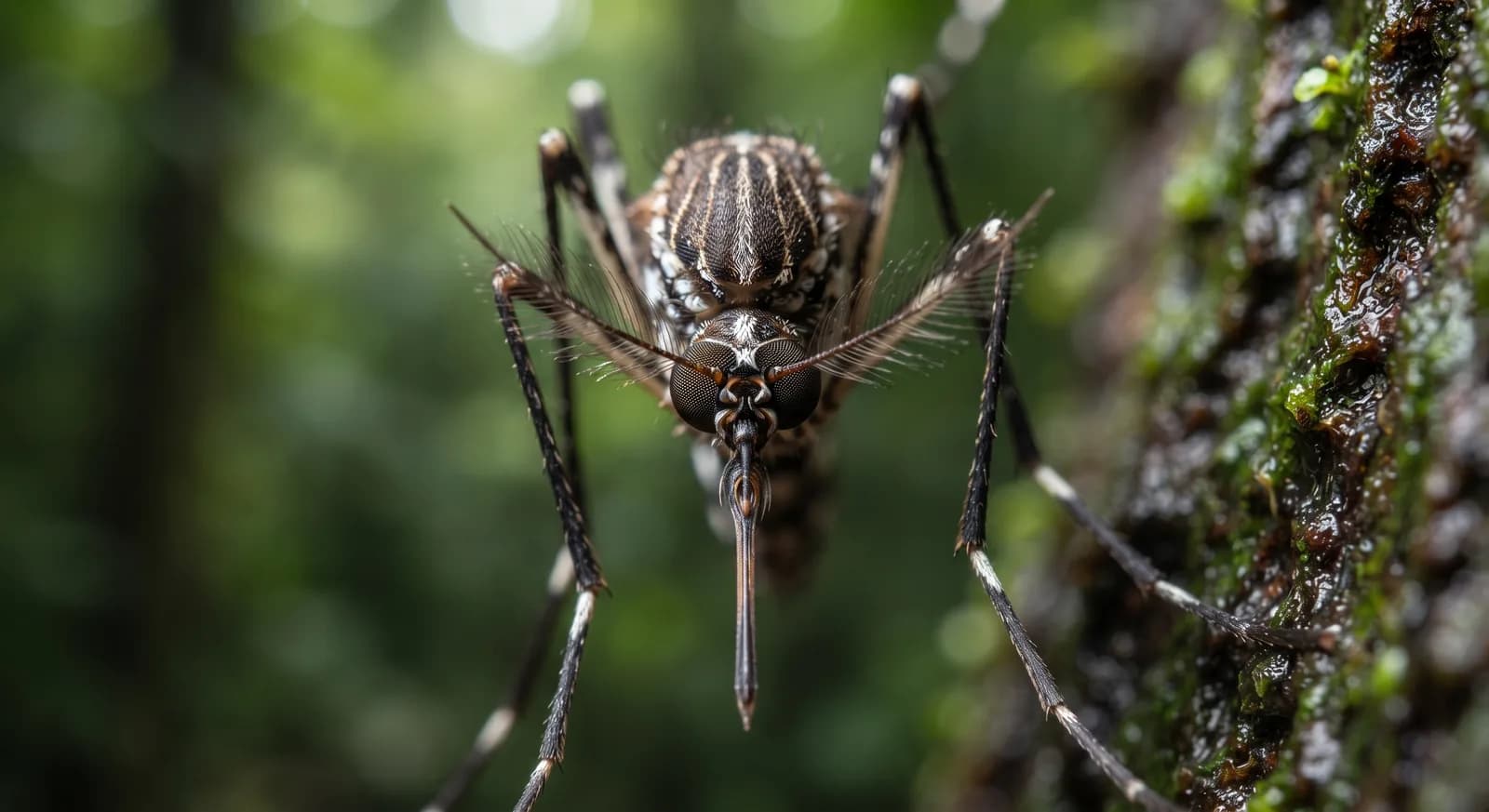
AI-generated images: illustrations, not photographs.

Fun facts

  • It is not one species but a complex of several almost identical species that can be told apart only genetically and that differ greatly in their ability to transmit malaria.
  • Its preference for biting at night and indoors is what makes insecticide-treated bed nets so effective, the measure that has prevented more malaria deaths than any other over the past two decades.
  • It is the subject of the first gene drive trials, a technique that seeks to spread through the population a gene that makes it sterile or unable to transmit the parasite.
  • It is the main vector of malaria in Africa and, by that route, one of the animals that cause the most human deaths each year.
  • Only the females bite, and only to obtain the blood proteins needed to mature their eggs; both sexes normally feed on nectar.
  • Its preference for people is extreme: it is almost strictly anthropophilic and bites mostly at night, inside houses. That combination is what makes it so effective at transmitting the parasite, and also what makes treated bed nets work.
  • What is called Anopheles gambiae is actually a complex of at least eight sibling species, morphologically identical and with very different transmission capacities, which can only be told apart genetically. That confusion set the fight against malaria back by decades.
  • It is the species on which gene drives are being trialled: CRISPR constructs designed to spread through the population a gene that causes female sterility and collapses the species locally. Laboratory trials managed to wipe out entire caged populations, and the possible release of gene drives in the field is one of the most important open bioethical debates.

Life cycle and biology

Skeleton type
Invertebrate - chitin exoskeleton (insect)
Habitat and environment
Sunlit pools, cattle hoofprints and temporary standing water in sub-Saharan Africa
Sexual maturity
The female needs one blood meal per gonotrophic cycle; the length of that cycle is 1.8 days longer in insecticide-resistant strains
Litter / clutch size
Between 88 and 105 eggs per female per gonotrophic cycle depending on the strain, with an output of 4.3 to 9.7 eggs per female per day

Sources consulted: https://es.wikipedia.org/wiki/Complejo_Anopheles_gambiae; NCBI PMC9126871, longevidad y fecundidad de Anopheles gambiae; Estudios morfometricos del complejo Anopheles gambiae en Nigeria

Where to find it

Loading map…

Related species

Other species in the catalogue with the most in common with African Malaria Mosquito — same habitat, park, country, tags or family.

Same taxonomic family
Related to
Related to
Related to

Keep exploring

Based on what we already know about african malaria mosquito.

Comments

Share an experience, a fun fact or a tip for seeing the african malaria mosquito.

Be the first to comment.

See full glossary
This page in other languages: Español · Deutsch · Français · Português · Italiano
See its range on the interactive map→
Northern House MosquitoLeast Concern

Northern House Mosquito

Culex pipiens

Yellow Fever MosquitoNot Evaluated

Yellow Fever Mosquito

Aedes aegypti

Tiger MosquitoNot Evaluated

Tiger Mosquito

Aedes albopictus

African LeopardVulnerable

African Leopard

Panthera pardus pardus

LeopardVulnerable

Leopard

Panthera pardus

Striped HyaenaNear Threatened

Striped Hyaena

Hyaena hyaena

CountriesAngola
TagsCarnivore
Carnivore
Nocturnal
Solitary
Insect
Savanna
Angola
Benin
Botswana
Burkina Faso
Burundi
Cameroon
Angola
Benin
Botswana
Burkina Faso
Burundi
Cameroon
Central African Republic
Chad
Côte d’Ivoire
Democratic Republic of the Congo
Djibouti
Equatorial Guinea
Eritrea
Eswatini
Ethiopia
Gabon
Gambia
Ghana
Guinea
Guinea-Bissau
Kenya
Lesotho
Liberia
Malawi
Mali
Mauritania
Mozambique
Namibia
Niger
Nigeria
Republic of the Congo
Rwanda
Senegal
Sierra Leone
Somalia
South Africa
South Sudan
Sudan
Tanzania
Togo
Uganda
Zambia
Zimbabwe