Skip to content
WAnimals
  • Map
  • Species
  • Parks
  • Diving
Log inCreate account
WAnimals

The guide for travellers and animal lovers: discover, plan and share your wild adventures around the world.

Discover wildlife

  • Species
  • Ecosystems
  • Glossary
  • Tags

Explore places

  • Map
  • Countries
  • Parks
  • Diving

Plan experiences

  • Guides

Learn

  • Blog

Resources

  • About us
  • How we build our profiles
  • Help centre
  • Contact
  • Install the app

Follow us

Account

  • Log in
  • Create account

© 2026 WAnimals. All rights reserved.

Terms of servicePrivacyCookiesLegal notice
MapSpeciesParksDiving
  1. Home
  2. Species
  3. Northern House Mosquito

One of the 4 mosquitoes on WAnimals
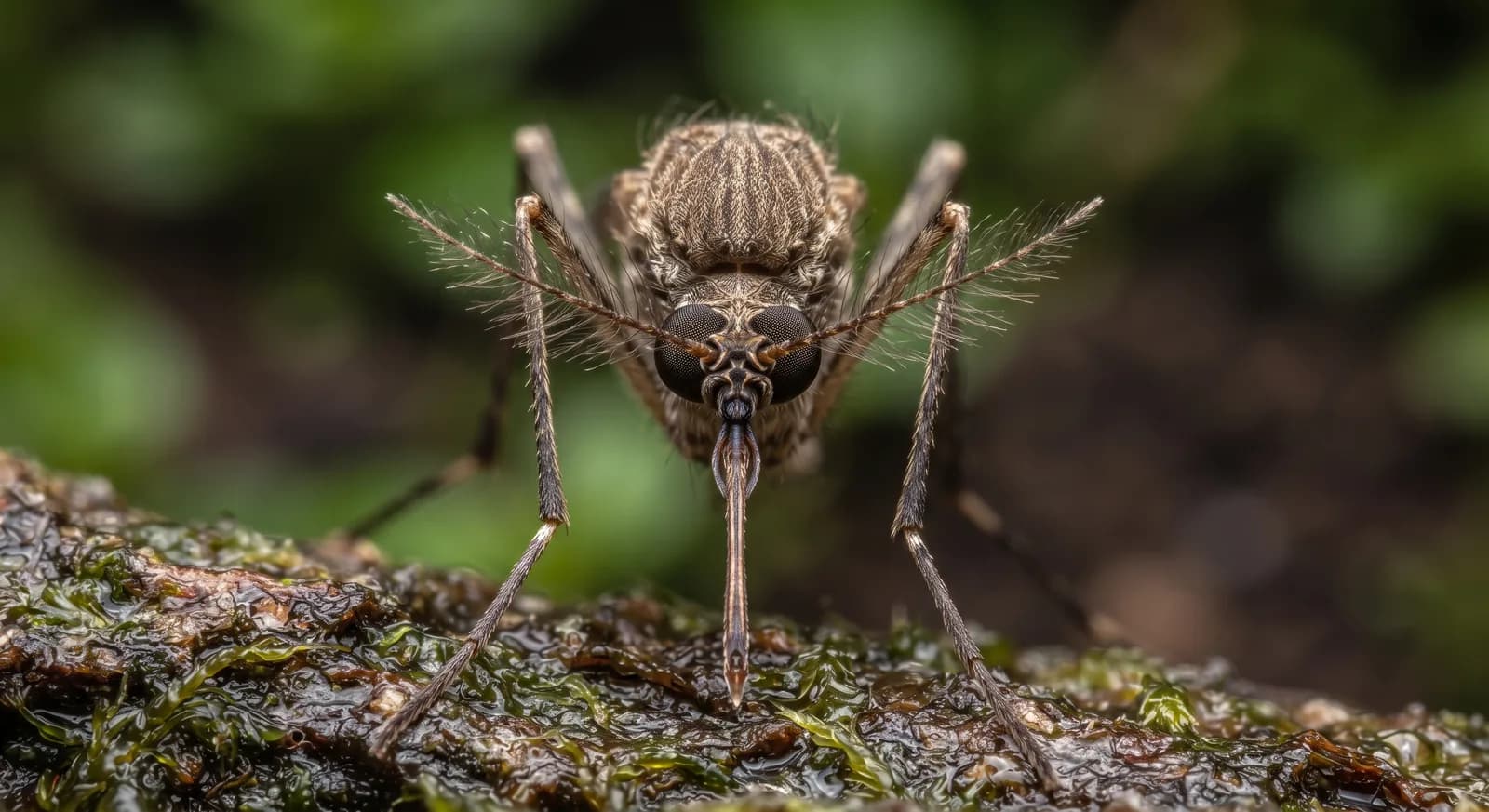
Northern House Mosquito (Culex pipiens)

Insects · Diptera · Culicidae

Northern House Mosquito

Culex pipiens

Least Concern

The species is abundant and widely distributed; it faces no significant short-term risk.

Spotted something wrong?

It is one of the main vectors of West Nile virus and several forms of encephalitis, passed on by feeding first on infected birds and then on people.

Size

0.4 cm – 1 cm

Diet

Carnivore

Feeds mainly on other animals.

Activity

Nocturnal

Active mainly at night.
Social structure

Solitary

Lives and hunts alone, joining others only to breed.

Freshwater
83countries3same family

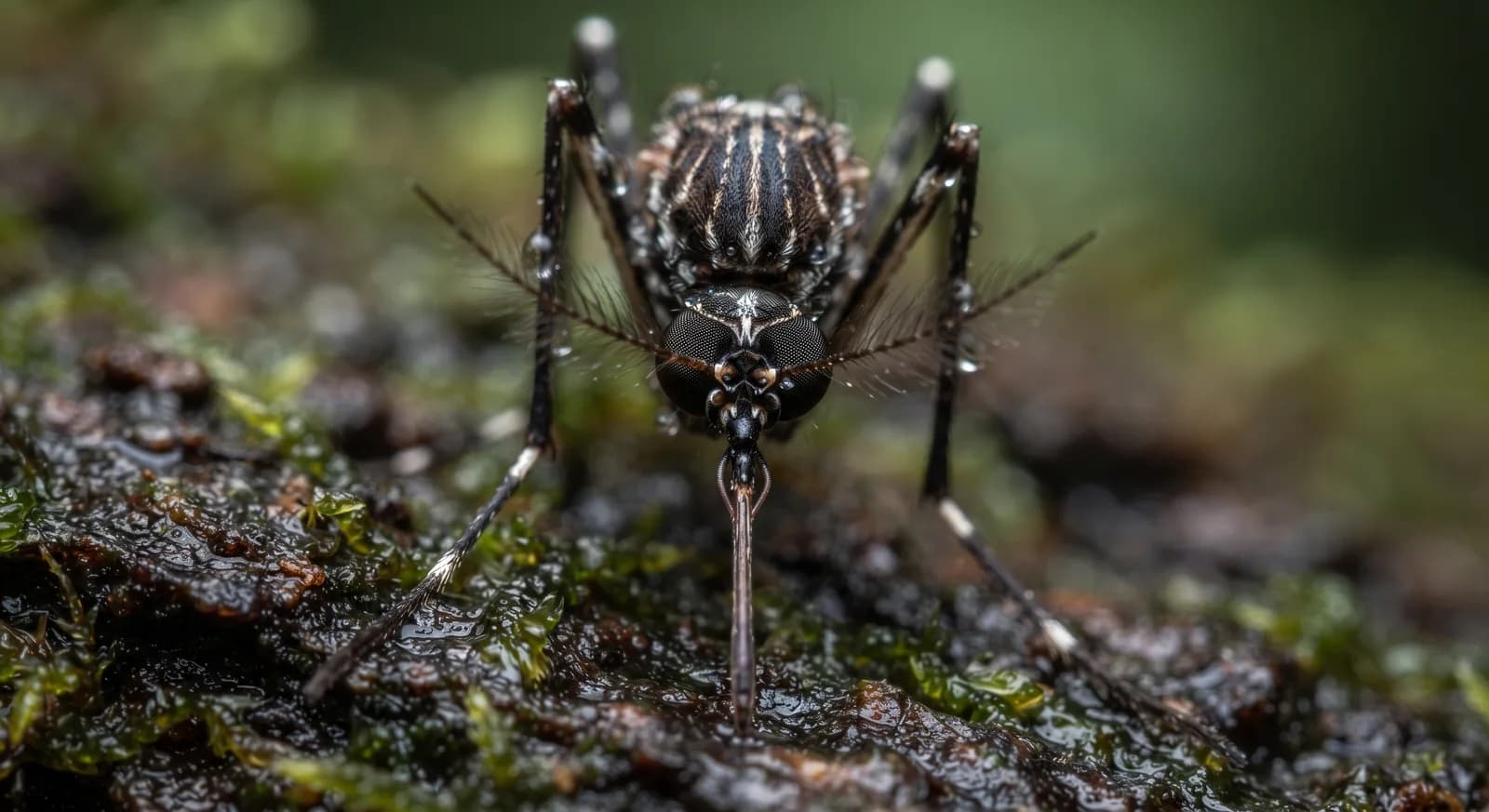
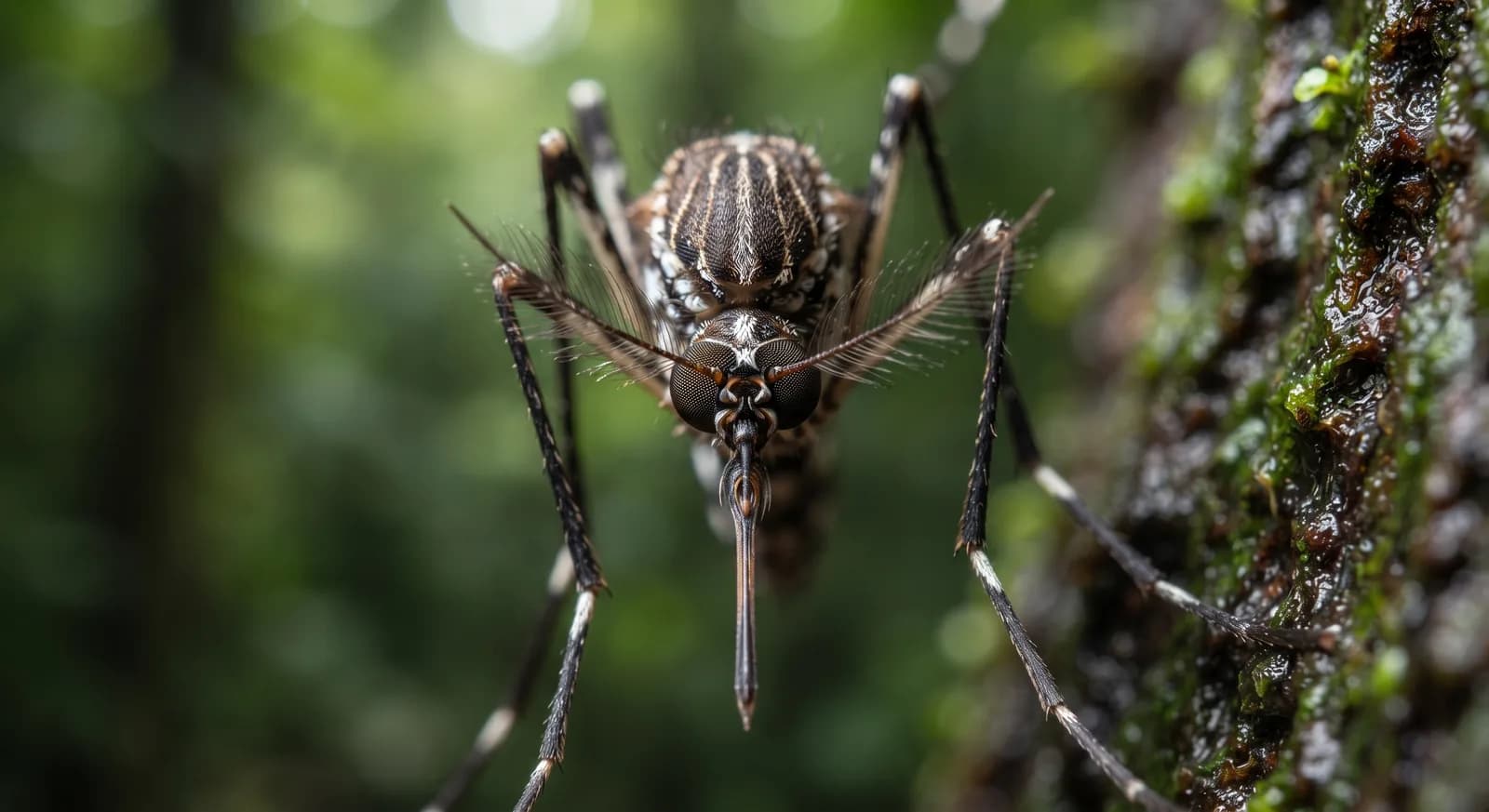
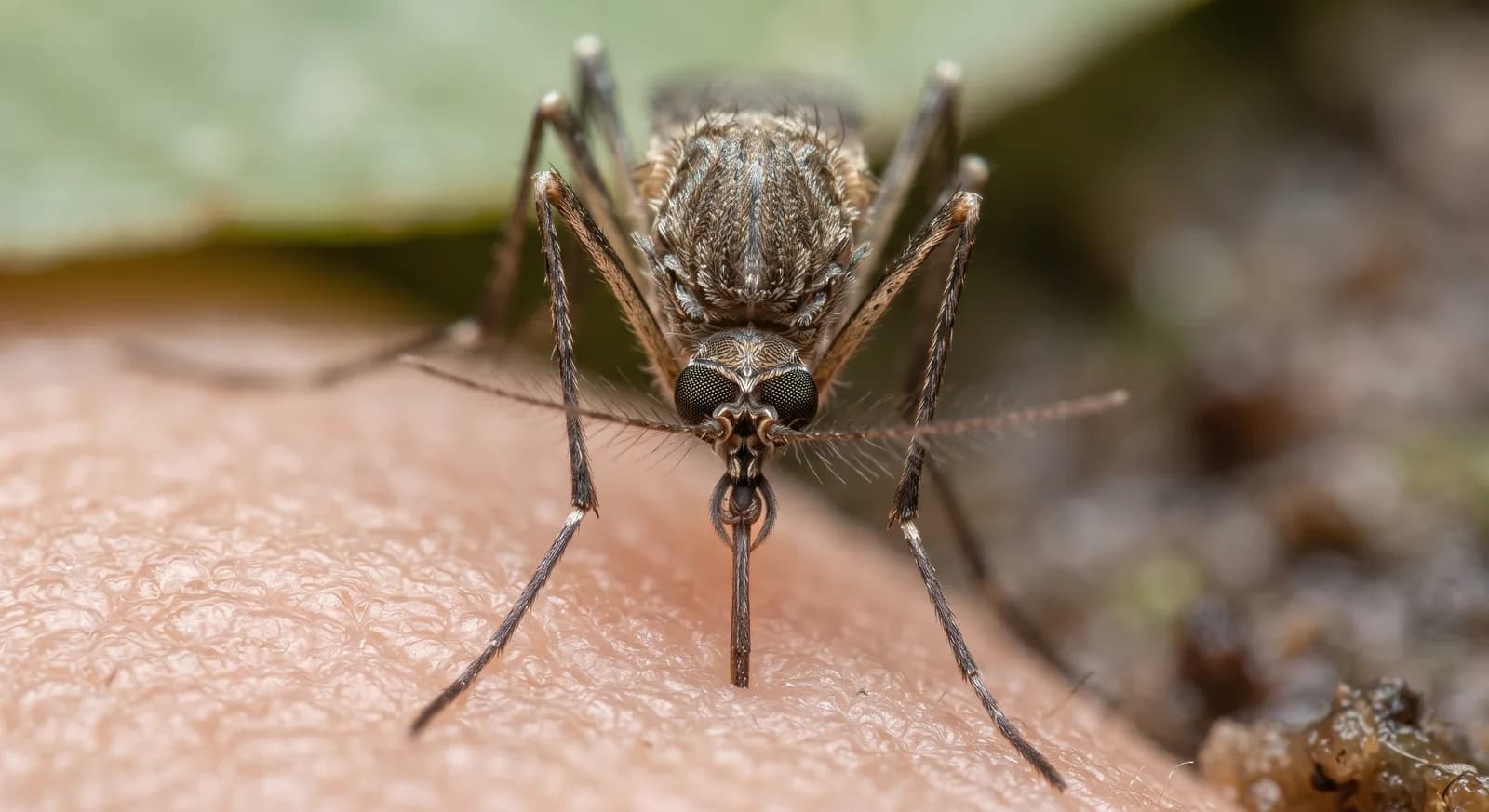
AI-generated images: illustrations, not photographs.

Fun facts

  • Only the female takes blood, which she needs to develop her eggs.
  • It is one of the main vectors of West Nile virus.
  • Its eggs are grouped into small boat-shaped rafts that float on the water.
  • It is the common house mosquito, the one that buzzes around the bedroom in summer. That buzz is the beating of its wings, and it has a purpose: males and females adjust their wingbeat frequency to synchronise during courtship.
  • It is the main vector of West Nile virus in Europe and North America, a virus that circulates among birds and for which people and horses are accidental hosts.
  • It has two very different ecological forms: the surface form, which bites mainly birds and needs to hibernate and to mate in swarms, and the underground form, which lives in sewers and metro systems, bites mammals, does not hibernate and can lay eggs without a blood meal.
  • That underground form starred in a famous episode: the London Underground population, isolated below ground, was studied throughout the twentieth century as a case of speciation in progress, and during the bombing raids of the Second World War it tormented those sheltering in the tunnels.
  • The female lays her eggs clustered in a floating raft of a couple of hundred, which stays afloat like a cork.

Life cycle and biology

Skeleton type
Invertebrate - chitin exoskeleton (insect)
Habitat and environment
Urban, suburban and rural areas across the temperate northern hemisphere, tied to standing or polluted water
Birth weight
A tiny egg under 1 mm, laid in floating rafts of 100-350
Size at birth
A fast-growing larva (a wriggler) through 4 instars in standing water
Sexual maturity
Reached once metamorphosis is complete, barely days after the egg hatches
Gestation / incubation
A full cycle from egg to adult of 1 to 2 weeks depending on temperature (under a week in summer)
Litter / clutch size
100 to 350 eggs per floating raft, and a female may produce several rafts in her life

Sources consulted: MosquitoMagnet · CDC Culex Life Cycle · Indiana Dept. of Health · Britannica · bioRxiv (biocontrol predation study) · Ohioline Ohio State University · ScienceInsights · Restored CDC

Where to find it

Loading map…

Related species

Other species in the catalogue with the most in common with Northern House Mosquito — same habitat, park, country, tags or family.

Same taxonomic family
Related to
Related to
Related to

Keep exploring

Based on what we already know about northern house mosquito.

Share an experience, a fun fact or a tip for seeing the northern house mosquito.
See full glossary
This page in other languages: Español · Deutsch · Français · Português · Italiano
See its range on the interactive map→
African Malaria MosquitoNot Evaluated

African Malaria Mosquito

Anopheles gambiae

Yellow Fever MosquitoNot Evaluated

Yellow Fever Mosquito

Aedes aegypti

Tiger MosquitoNot Evaluated

Tiger Mosquito

Aedes albopictus

Least Concern

Water Opossum

Chironectes minimus

Saltwater CrocodileLeast Concern

Saltwater Crocodile

Crocodylus porosus

Morelet's CrocodileLeast Concern

Morelet's Crocodile

Crocodylus moreletii

CountriesAlbania
TagsCarnivore
Carnivore
Nocturnal
Solitary
Insect
Freshwater

Europe45

Asia20

South America7

Africa6

North America3

Oceania2

Albania
Algeria
Andorra
Argentina
Armenia
Australia
Albania
Andorra
Austria
Belarus
Belgium
Bosnia and Herzegovina
Bulgaria
Croatia
Cyprus
Czechia
Denmark
Estonia
Finland
France
Germany
Gibraltar
Greece
Hungary
Iceland
Ireland
Italy
Kosovo
Latvia
Liechtenstein
Lithuania
Luxembourg
Malta
Moldova
Monaco
Montenegro
Netherlands
North Macedonia
Norway
Poland
Portugal
Romania
San Marino
Serbia
Slovakia
Slovenia
Spain
Sweden
Switzerland
Ukraine
United Kingdom
Armenia
Azerbaijan
China
Georgia
India
Iran
Iraq
Israel
Japan
Jordan
Kazakhstan
Lebanon
Mongolia
Palestine
Russia
Saudi Arabia
South Korea
Syria
Türkiye
Uzbekistan
Argentina
Brazil
Chile
Colombia
Ecuador
Peru
Uruguay
Algeria
Egypt
Libya
Morocco
South Africa
Tunisia
Canada
Mexico
United States
Australia
New Zealand