Skip to content
WAnimals
  • Map
  • Species
  • Parks
  • Diving
Log inCreate account
WAnimals

The guide for travellers and animal lovers: discover, plan and share your wild adventures around the world.

Discover wildlife

  • Species
  • Ecosystems
  • Glossary
  • Tags

Explore places

  • Map
  • Countries
  • Parks
  • Diving

Plan experiences

  • Guides

Learn

  • Blog

Resources

  • About us
  • How we build our profiles
  • Help centre
  • Contact
  • Install the app

Follow us

Account

  • Log in
  • Create account

© 2026 WAnimals. All rights reserved.

Terms of servicePrivacyCookiesLegal notice
MapSpeciesParksDiving
  1. Home
  2. Species
  3. Common Water-Boatman

One of the 7 bugs on WAnimals

Insects · Hemiptera · Notonectidae

Common Water-Boatman

Notonecta glauca

Not Evaluated

It has not yet been assessed against the IUCN criteria.

Spotted something wrong?

Notonecta glauca, commonly known as the common water-boatman, backswimmer or water bee, is an aquatic insect of the family Notonectidae. They are called water-boatmen and backswimmers because they often swim near the surface with the underside uppermost, using their long hind legs like oars. The nickname water bee comes from their ability to inflict a painful bite on humans with their proboscis.

Size

1.3 cm – 1.7 cm

Diet

Carnivore

Feeds mainly on other animals.

Social structure

Solitary

Lives and hunts alone, joining others only to breed.

Freshwater
40countries77parks

Fun facts

  • Swimming on its back turns its world upside down: its belly, facing up, is dark, and its back, facing the bottom, is pale — exactly the reverse of almost every other aquatic animal.
  • It carries a store of air clinging to the hairs of its abdomen and comes up periodically to renew it, which makes it buoyant and forces it to swim actively to stay under.
  • Its defensive bite is painful to people, which is why in some places it is called the water wasp.
  • It swims on its back — always, belly up. That is its defining trait, and it is what earns it the name backswimmer.
  • And its colouration runs the opposite way to almost every other animal's: it has a dark belly and a pale back, because, as it swims upside down, that countershading still works just as it should, camouflaging it from above and from below.
  • It detects its prey by the ripples they make when they fall into the water: the sensors on its legs and antennae let it pinpoint the spot where an insect has hit the surface.
  • It carries air with it: it holds a film of air under its wings and along its abdomen, pinned in place by water-repellent hairs, which serves it as both a reserve and a physical gill.
  • Its bite is painful, which is why in several languages it is called the water bee.
  • It is a voracious predator of mosquito larvae, tadpoles and other aquatic invertebrates.

Life cycle and biology

Skeleton type
Invertebrate - chitin exoskeleton (insect)
Habitat and environment
Ponds, pools and still backwaters with vegetation
Sexual maturity
Five nymphal instars spread over the summer; full nymphal development takes two to three months in favourable conditions
Gestation / incubation
The eggs, white and elongated, are stuck to or inserted into the stems and leaves of aquatic vegetation and have a micropylar end that allows gas exchange with the water

Sources consulted: Wikipedia (es): Notonecta glauca · UF/IFAS EDIS EENY-738 · Ficha de especie de Notonecta glauca (Balmert) · UF/IFAS EDIS EENY-738 (Briers 1998)

Where to find it

Loading map…

Where to see it

Parks and dive sites where this species has been documented — showing 10 of 77.

Related species

Other species in the catalogue with the most in common with Common Water-Boatman — same habitat, park, country, tags or family.

Shares a park
Shares a park
Shares a park
Shares a park
Shares a park
Shares a park

Keep exploring

Based on what we already know about common water-boatman.

Share an experience, a fun fact or a tip for seeing the common water-boatman.
See full glossary
This page in other languages: Español · Deutsch · Français · Português · Italiano

The pins mark the parks where its presence is documented.
See its range on the interactive map→
Lake DistrictUnited Kingdom
KillarneyIreland
ÉcrinsFrance
TriglavSlovenia
Picos de EuropaSpain
Ordesa y Monte PerdidoSpain
Aigüestortes i Estany de Sant MauriciSpain
Peneda-GerêsPortugal
CévennesFrance
PlitviceCroatia
See all 77 parks
Four-spotted ChaserLeast Concern

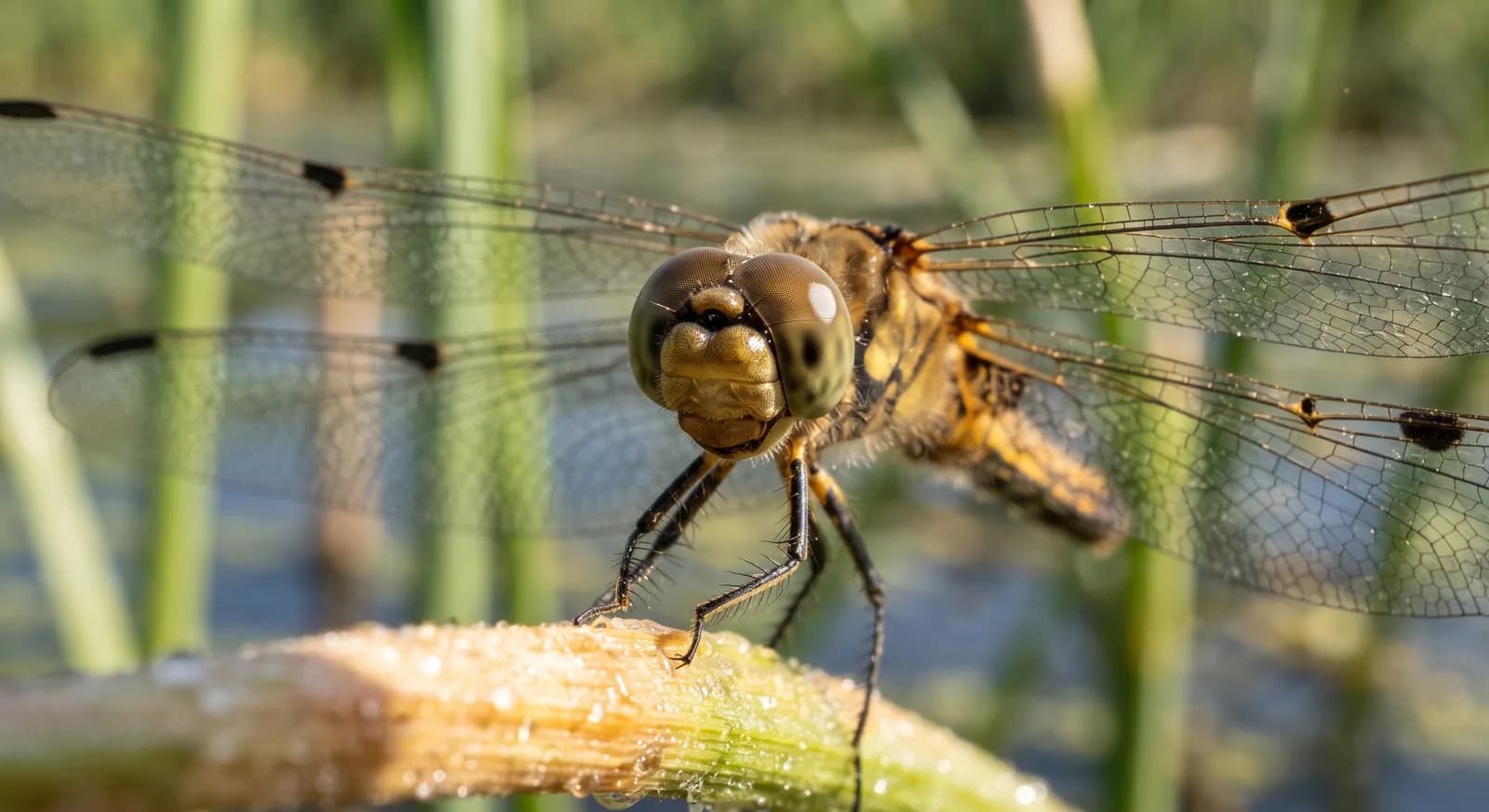
Four-spotted Chaser

Libellula quadrimaculata

Great Diving BeetleNot Evaluated

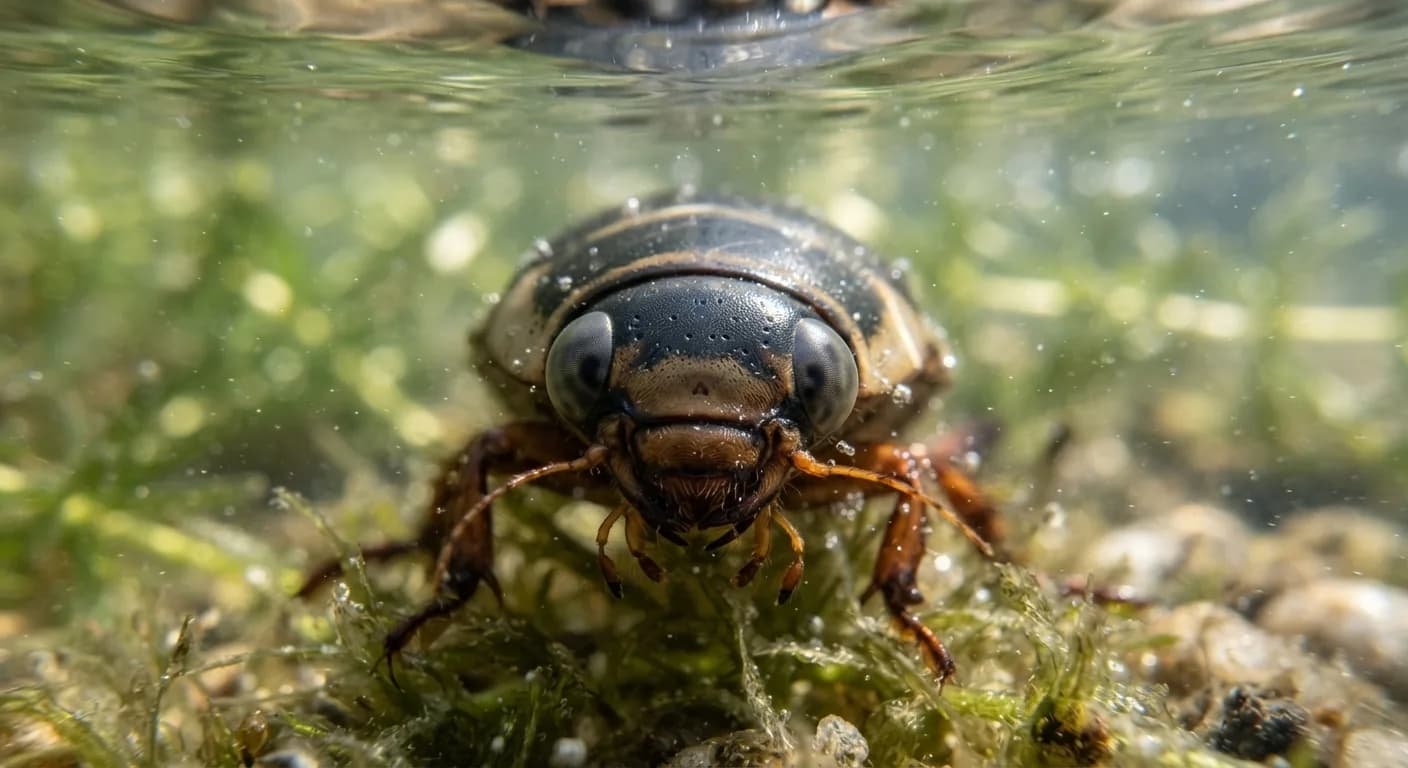
Great Diving Beetle

Dytiscus marginalis

Not Evaluated

European Stonefly

Perla marginata

Beautiful DemoiselleNot Evaluated

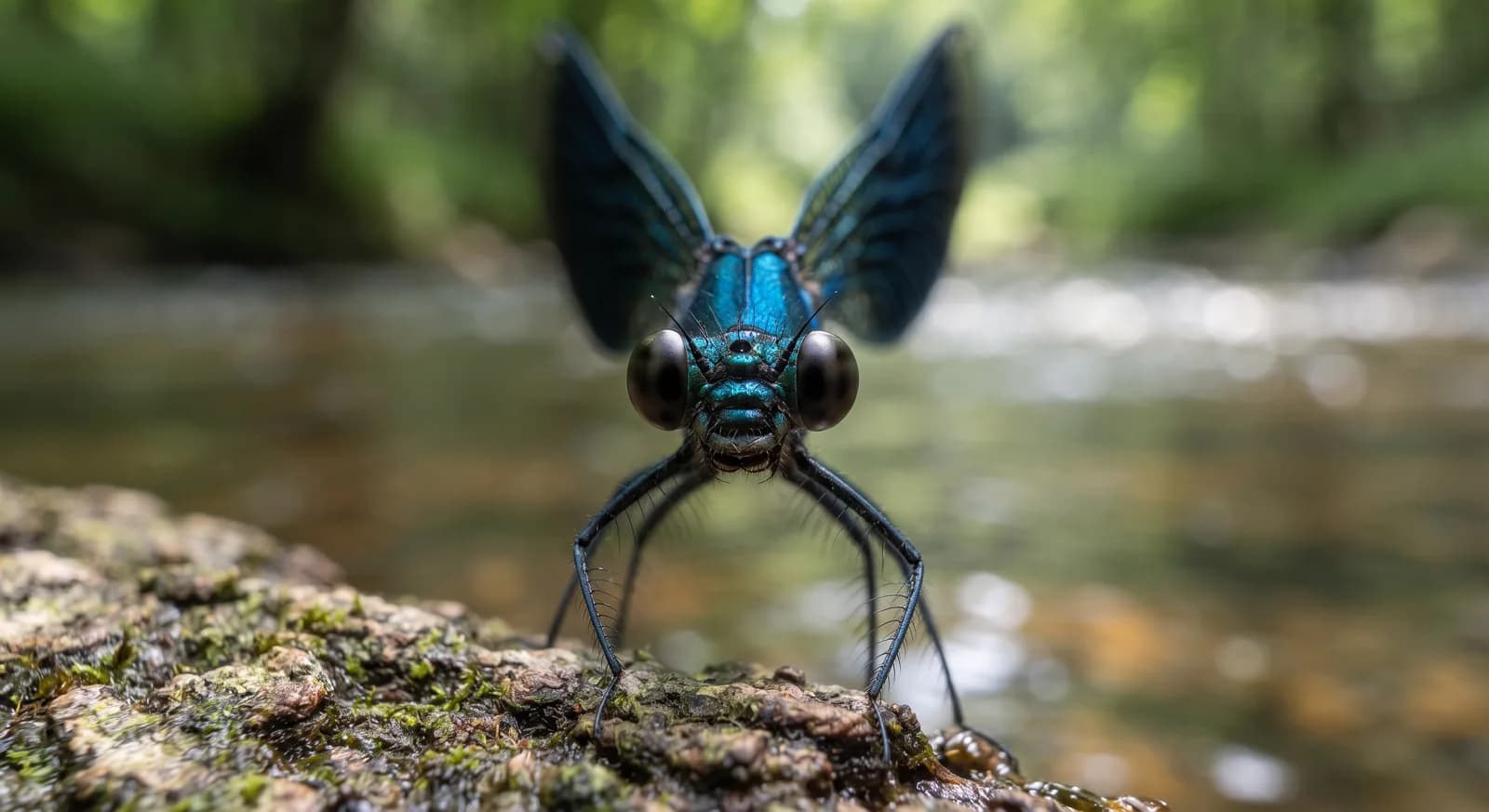
Beautiful Demoiselle

Calopteryx virgo

Least Concern

Common Clubtail

Gomphus vulgatissimus

Common SpreadwingLeast Concern

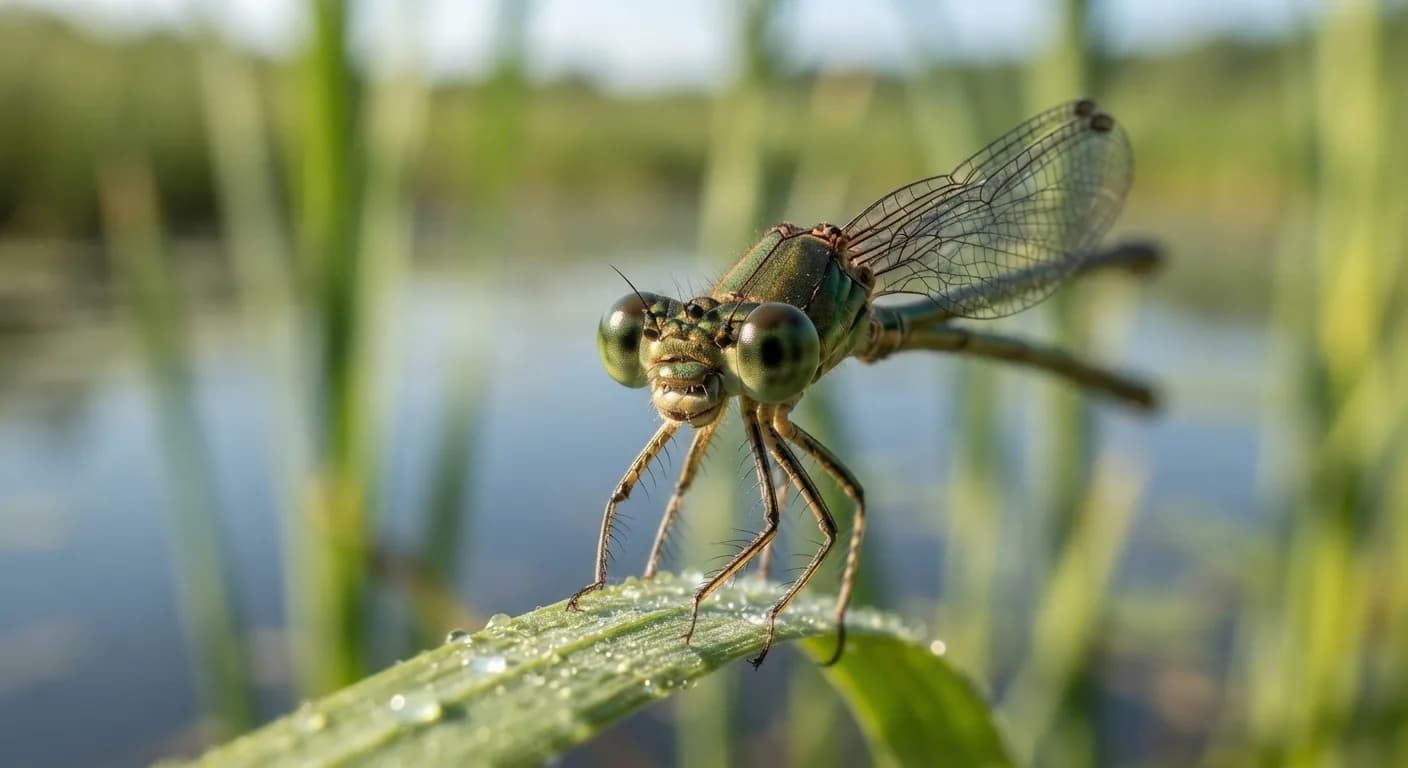
Common Spreadwing

Lestes sponsa

CountriesSpain
ParksLake DistrictUnited Kingdom
TagsCarnivore
Carnivore
Solitary
Insect
Freshwater

Europe39

Asia1

Spain
Germany
France
Poland
United Kingdom
Hungary
Albania
Andorra
Austria
Belarus
Belgium
Bosnia and Herzegovina
Bulgaria
Croatia
Czechia
Denmark
Estonia
Finland
France
Germany
Greece
Hungary
Ireland
Italy
Latvia
Liechtenstein
Lithuania
Luxembourg
Moldova
Monaco
Montenegro
Netherlands
North Macedonia
Norway
Poland
Portugal
Romania
Serbia
Slovakia
Slovenia
Spain
Sweden
Switzerland
Ukraine
United Kingdom
Russia