One of the 26 spiders on WAnimals
Arachnids · Araneae · Tetragnathidae
Common Stretch Spider
Tetragnatha extensa
It has not yet been assessed against the IUCN criteria. See full glossary
A spider with an elongated cream-coloured body, ranging from creamy yellow to green, with a central black band on the underside flanked by two silvery bands. Its four pairs of legs are extremely long and a deep yellow. When threatened it stretches out in a straight line along a stem and vanishes from view.
Size
0.9 cm – 1.1 cm
Diet
Carnivore
Feeds mainly on other animals.
Activity
Diurnal
Active mainly during the day.
Social structure
Solitary
Lives and hunts alone, joining others only to breed.
Sighting difficulty
Unknown
Fun facts
- Its defence is its posture: it stretches out full length along a stem, with the front legs extended forwards and the hind legs backwards, and becomes practically indistinguishable from the grass itself.
- The males have enormous chelicerae, which they use to lock the female's during mating and so avoid being bitten.
- It is told apart from the other Tetragnatha by the minute curved tip of the male's conductor and by the shape of the female's epigyne — in other words, only under a binocular microscope.
- Its body is extremely long and slender, and at rest it stretches out lengthways along a stem with its front and rear legs extended in a line, becoming practically invisible.
- It weaves over water, and its diet depends largely on emerging aquatic insects: mayflies, chironomid midges and caddisflies. It is a link between the aquatic and the terrestrial ecosystem.
- Its chelicerae are enormous and prominent, above all in the male, and they are used in mating: male and female lock fangs, in a posture that lets him come close without being attacked.
- Its genus is famous for another reason: in Hawaii it has starred in a spectacular adaptive radiation, with dozens of species arising in the archipelago and colour ecotypes repeated independently on different islands, a textbook case of convergent evolution.
Life cycle & biology
- Skeleton type
- Invertebrate - chitin exoskeleton (arachnid)
- Habitat & environment
- Low vegetation in damp places: river and pond margins, reedbeds and waterlogged meadows, where it spreads its web to catch flying insects
Sources consulted: World Spider Catalog; Wikipedia (Tetragnatha extensa); Dondale et al., The Insects and Arachnids of Canada; Arácnidos Ibéricos
Where to find it
See its range on the interactive mapBest time: From spring to summer, on the low vegetation of damp ground
Where to watch it
Parques y spots de buceo donde se ha documentado esta especie — se muestran 10 de 153 documentados.
Related species
Other species in the catalogue with the most in common with Common Stretch Spider — same habitat, park, country, tags or family.
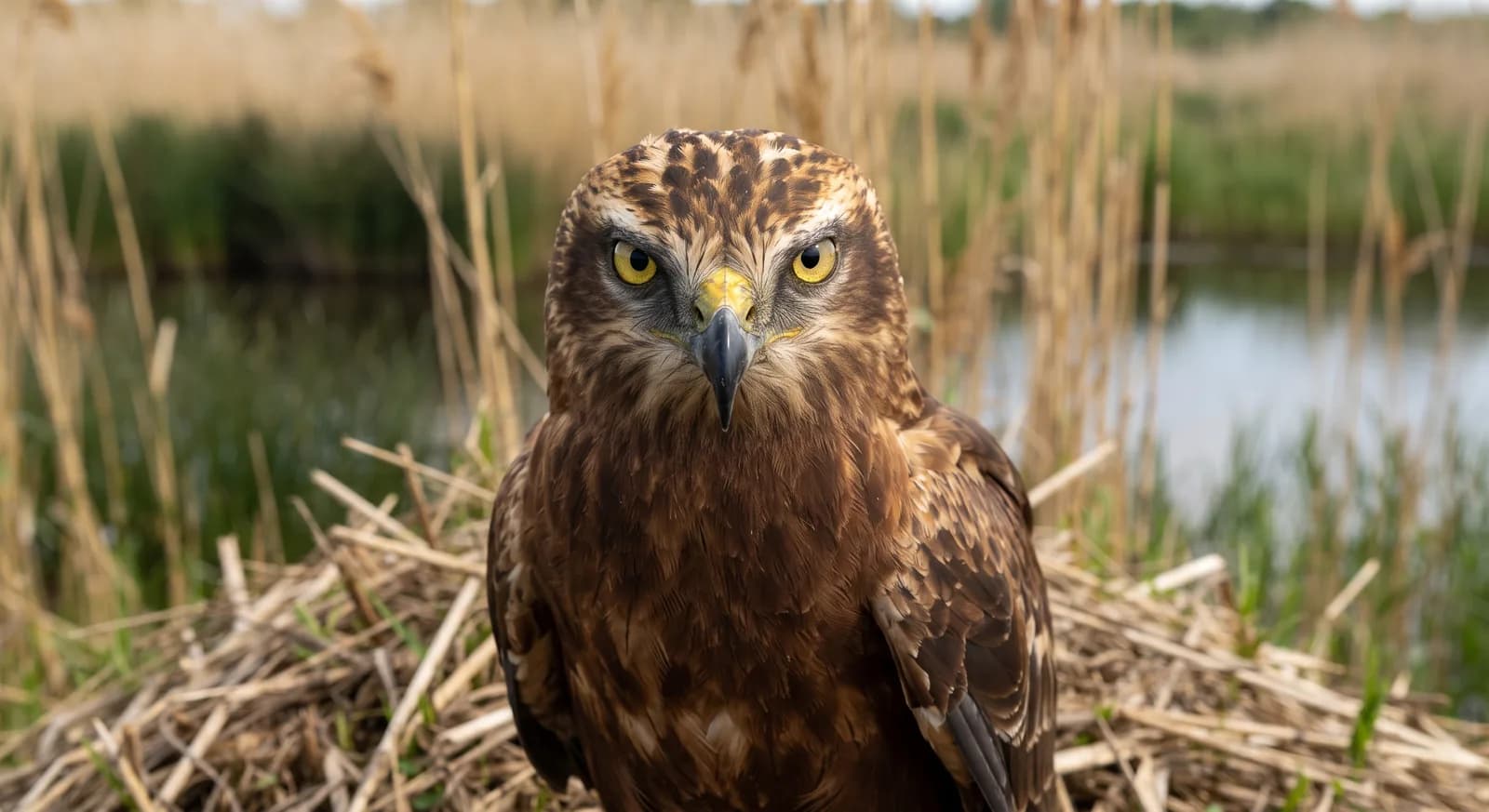 Least Concern
Western Marsh Harrier
Circus aeruginosus
Grass Snake
Natrix natrix
Perez's Frog
Pelophylax perezi
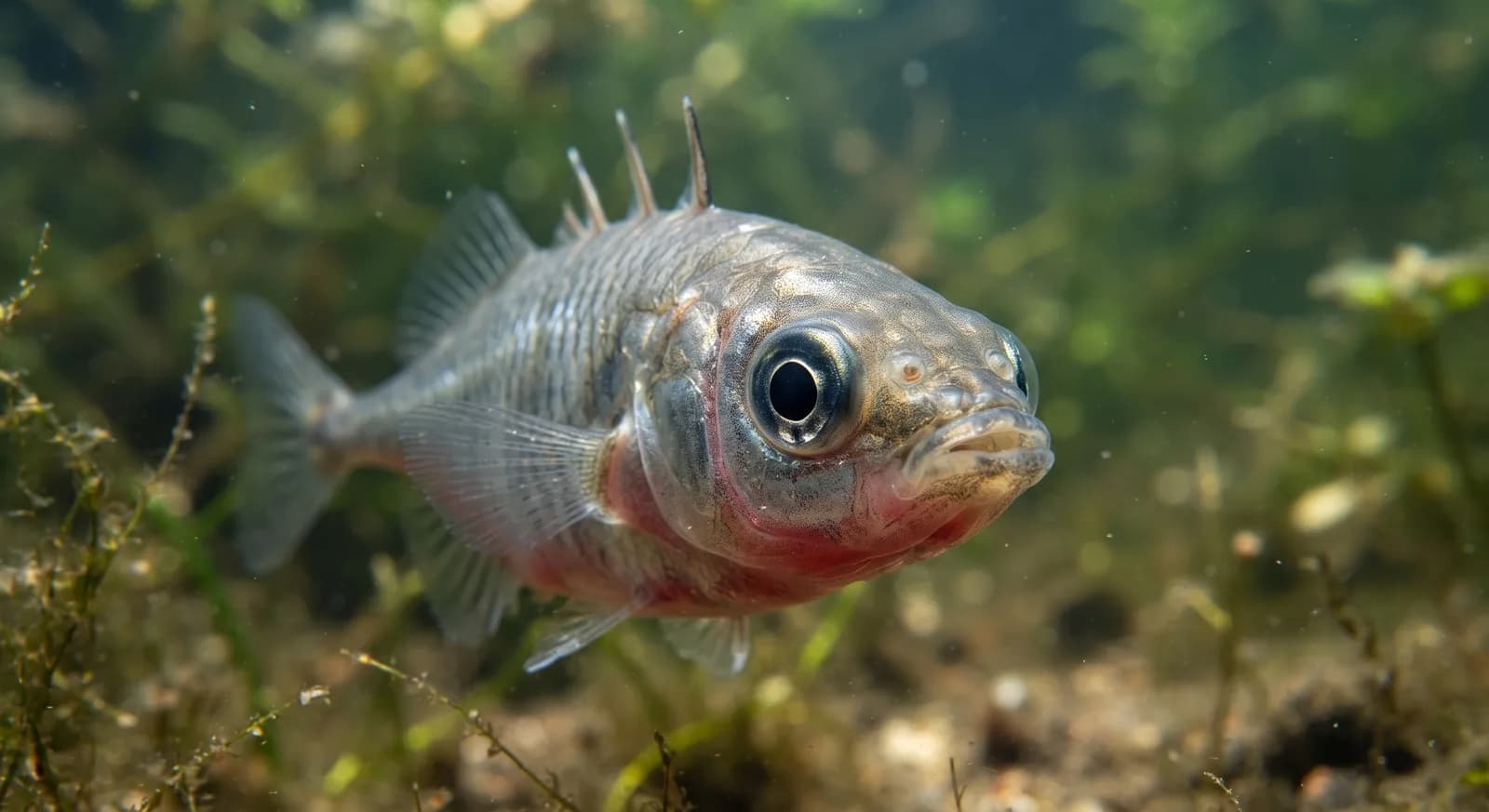 Least Concern
Three-spined Stickleback
Gasterosteus aculeatus
Four-Spotted Chaser
Libellula quadrimaculata
Beautiful Demoiselle
Calopteryx virgo
Keep exploring
Based on what we already know about common stretch spider.
Comments
Share an experience, a fun fact or a tip for seeing the common stretch spider.
Be the first to comment.