One of the 3 damselflies on WAnimals
Insects · Odonata · Calopterygidae
Beautiful Demoiselle
Calopteryx virgo
It has not yet been assessed against the IUCN criteria. See full glossary
The beautiful demoiselle (Calopteryx virgo) is a zygopteran damselfly of the family Calopterygidae. It is native to Europe.
Diet
Carnivore
Feeds mainly on other animals.
Activity
Diurnal
Active mainly during the day.
Social structure
Solitary
Lives and hunts alone, joining others only to breed.
Sighting difficulty
Unknown
Fun facts
- The male performs a courtship dance before the female, opening and closing his wings and showing her the spot in the stream where she will be able to lay her eggs.
- Like the rest of the dragonflies and damselflies, the male can use his copulatory organ to remove the sperm of previous males before mating.
- Its presence indicates good-quality water with bankside vegetation: it disappears from channelised or unshaded stretches.
- The male's wings are an intense metallic blue, almost black against the light, and he flies with a slow, undulating wingbeat more reminiscent of a butterfly's than of a damselfly's.
- Its courtship is a spectacle: the male defends a patch of aquatic vegetation suitable for egg-laying and, when a female arrives, performs a display flight before her, opening and closing his wings and showing her the site. She chooses as much for the territory as for him.
- The female lays her eggs by piercing the stems of aquatic plants underwater, and she can submerge completely for more than half an hour, carrying air clinging to her body.
- It is very sensitive to pollution and to the channelling of watercourses, and its presence indicates a river in good condition.
- It is told apart from its relative Calopteryx splendens because that species has only a blue band on the wing rather than the whole wing coloured.
Life cycle & biology
- Skeleton type
- Invertebrate - chitin exoskeleton (insect)
- Habitat & environment
- Clean, shaded streams and rivers with moderate current
Sources consulted: https://es.wikipedia.org/wiki/Calopteryx_virgo
Where to find it
See its range on the interactive mapBest time: May to August, over shaded streams of clean water
Where to watch it
Parques y spots de buceo donde se ha documentado esta especie — se muestran 10 de 153 documentados.
Related species
Other species in the catalogue with the most in common with Beautiful Demoiselle — same habitat, park, country, tags or family.
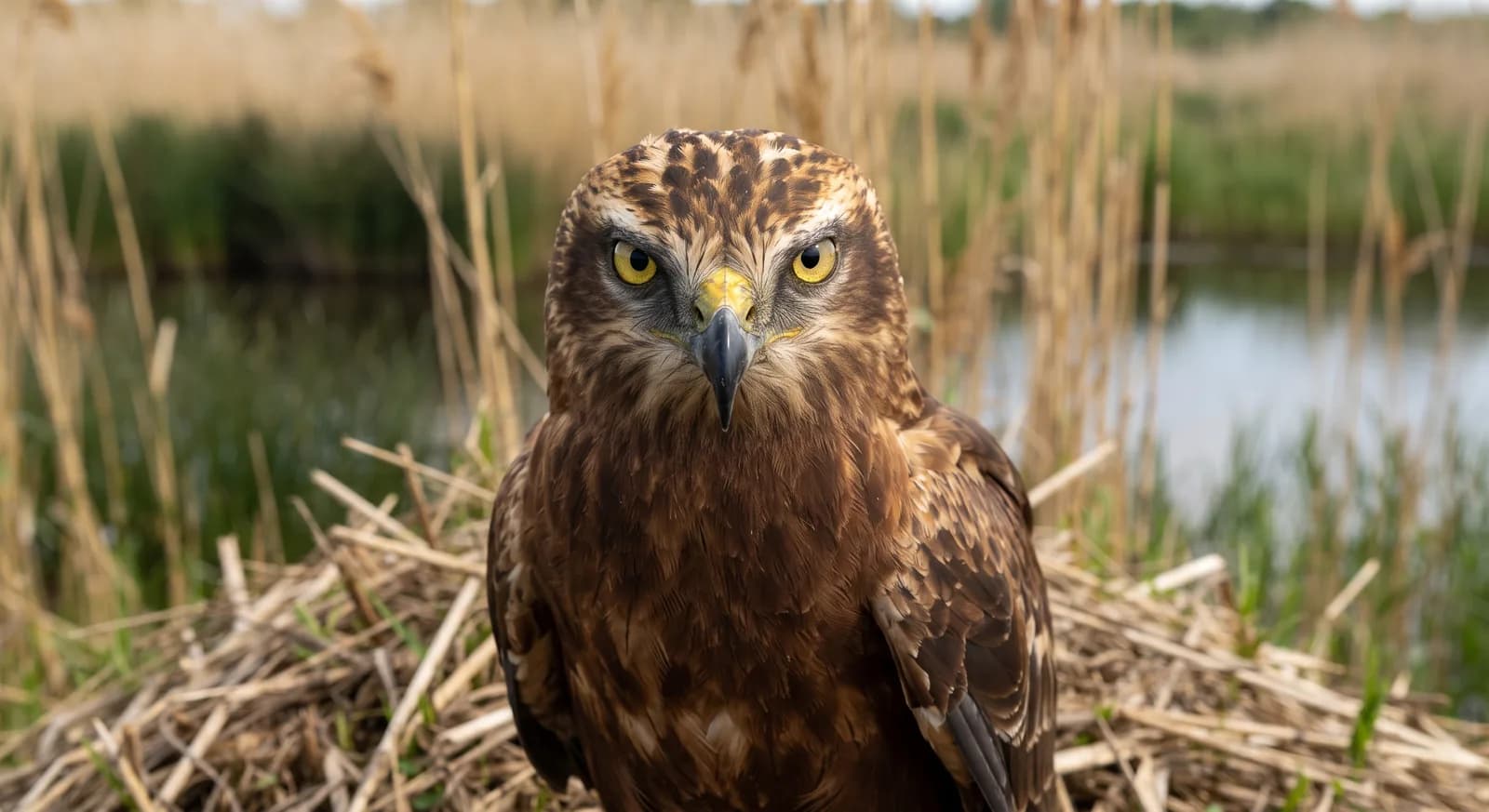 Least Concern
Western Marsh Harrier
Circus aeruginosus
Grass Snake
Natrix natrix
Perez's Frog
Pelophylax perezi
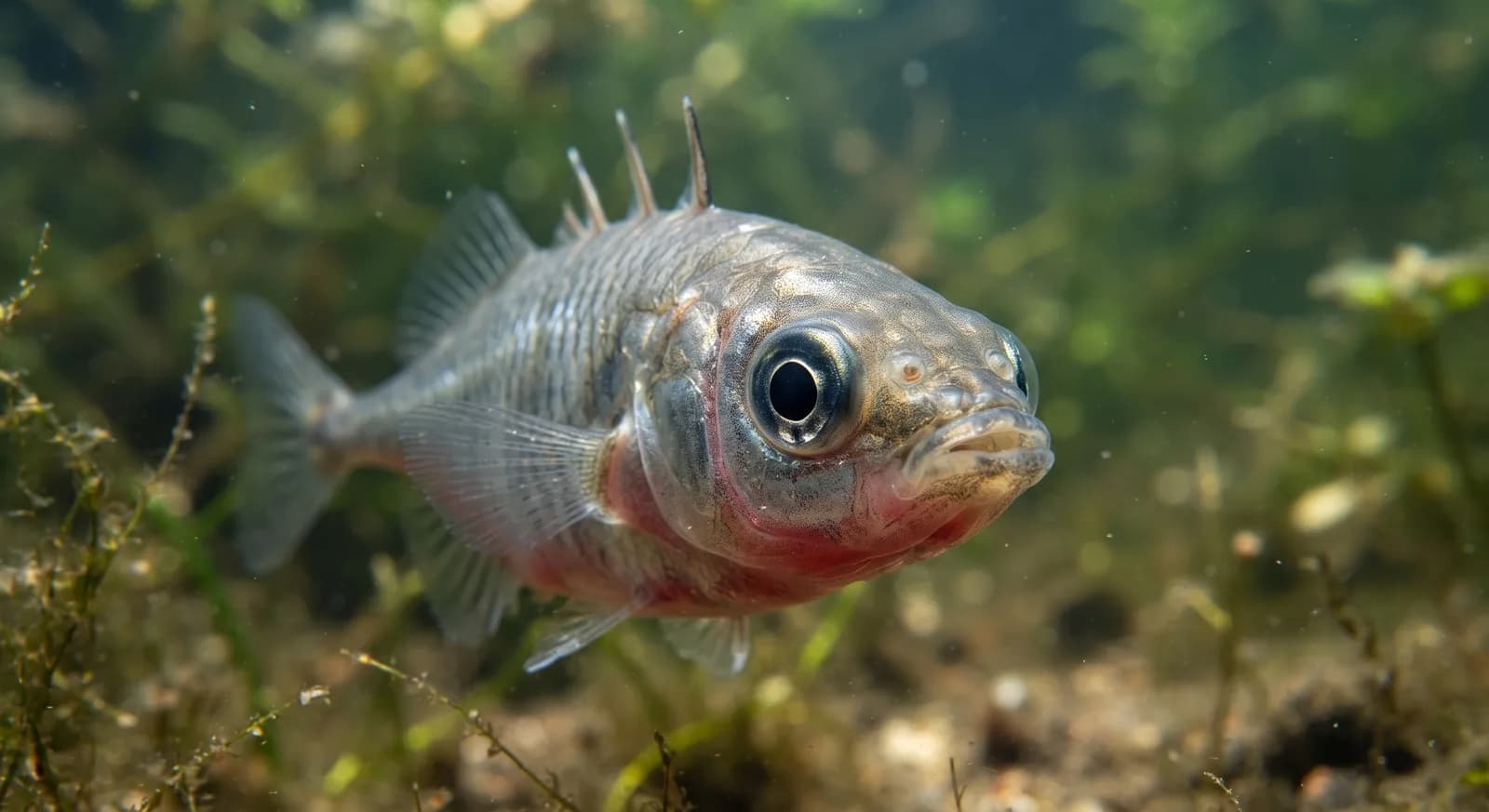 Least Concern
Three-spined Stickleback
Gasterosteus aculeatus
Four-Spotted Chaser
Libellula quadrimaculata
Green Drake
Ephemera danica
Keep exploring
Based on what we already know about beautiful demoiselle.
Comments
Share an experience, a fun fact or a tip for seeing the beautiful demoiselle.
Be the first to comment.